0

The Ultimate South Indian Diet Plan for Weight Loss

Discover a balanced South Indian diet plan for weight loss with healthy meals and tips. Learn how to enjoy traditional foods while achieving sustainable and effective fat loss.
 

article image

Dr. Bhanu Prakash

South Indian cuisine is globally loved for its rich flavors, comforting aromas, and incredible variety. However, because traditional meals often feature generous servings of white rice, many people mistakenly believe that this regional cuisine leads to weight gain. The truth is quite the opposite. With the right ingredients, mindful portion sizes, and smart cooking methods, a south indian diet plan for weight loss is not only highly effective but also delicious and easy to sustain.

If you are trying to shed a few pounds but do not want to give up your favorite comfort foods, you are in the right place. By making a few simple tweaks to your daily meals, you can enjoy a healthy south indian diet plan for weight loss that nourishes your body and helps you reach your fitness goals.

In this comprehensive guide, we will walk you through the core principles of an effective south indian diet plan for weight loss, provide a sample meal plan, and share expert tips backed by trusted health organizations to help you succeed on your journey.
 

Why Choose a South Indian Diet for Weight Loss?

South Indian food is naturally packed with nutrients, fiber, and metabolism-boosting spices. When you follow a structured weight loss diet plan for south indian lifestyles, you benefit from several unique nutritional advantages:

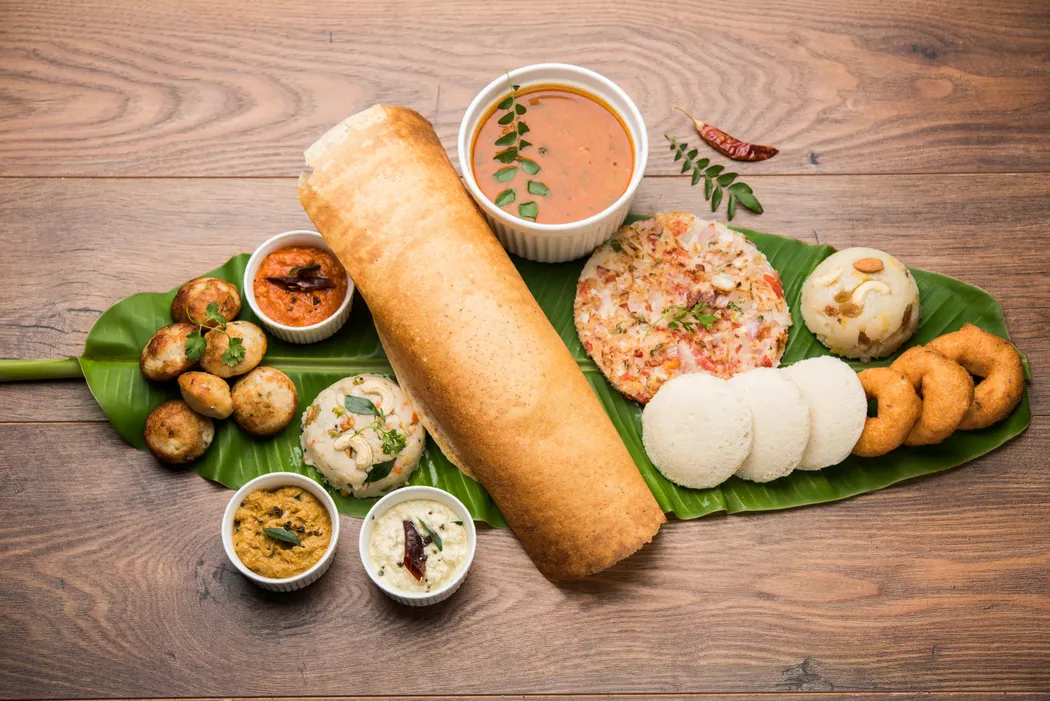
  • Fermented Foods for Gut Health: Traditional breakfast staples like idli and dosa are made from fermented rice and lentil batters. According to the Cleveland Clinic, fermented foods promote a healthy gut microbiome, which is closely linked to better digestion and weight management.
  • High-Fibre Grains: South India has a rich history of consuming millets (sirudhanya), red rice, and ragi. Replacing polished white rice with these whole grains keeps you full longer.
  • Metabolism-Boosting Spices: Ingredients like black pepper, turmeric, fenugreek (methi), and curry leaves are staples in a south indian diet for weight loss. These spices help reduce inflammation and can naturally boost your metabolism.
  • Plant-Based Protein: Meals frequently include lentils (dal), chickpeas (chana), and other legumes, ensuring you get adequate protein without relying heavily on meat.

Core Principles of a Weight Loss South Indian Diet Plan

To build a proper weight loss diet plan south indian style, you do not need to starve yourself. Instead, focus on these scientifically backed principles:

1. Control Your Portions

The Mayo Clinic emphasises that portion control is one of the most important factors in losing weight. A common mistake is filling the entire plate with rice and adding just a little sambar. Instead, fill half your plate with vegetables (poriyal or kootu), a quarter with lean protein (thick dal or sundal), and only a quarter with complex carbohydrates (brown rice or millets).

2. Swap White Rice for Whole Grains

When planning a diet plan for weight loss south indian style, it is crucial to swap out refined grains. Harvard Health Publishing notes that whole grains prevent rapid blood sugar spikes. Replace standard white rice with fiber-rich alternatives like brown rice, red rice (matta), quinoa, or millets (foxtail, pearl, or little millet).

3. Cook with Less Oil

South Indian cooking occasionally relies heavily on coconut oil, sesame oil, and ghee. While these are healthy fats, they are calorie-dense. A true south indian weight loss diet uses these oils sparingly. Use a non-stick pan or an air fryer, and measure your cooking oil with a teaspoon rather than pouring it directly from the bottle.

The Best South Indian Diet Plan for Weight Loss: What to Eat

Finding the best south indian diet plan for weight loss comes down to balancing your macronutrients - carbohydrates, proteins, and fats. Here is a breakdown of what to include in your weight loss diet South Indian routine:

  • Proteins: Thick sambar, rasam with dal, boiled eggs (if you are non-vegetarian), paneer, tofu, sprouts, and sundal (boiled legumes).
  • Carbohydrates: Ragi (finger millet), jowar (sorghum), whole wheat chapati, unpolished rice, oats, and barley.
  • Vegetables (Fibre): Gourds (bottle gourd, snake gourd), spinach (palak/keerai), drumsticks, carrots, beans, and cabbage.
  • Healthy Fats: Moderate amounts of fresh coconut, buttermilk, almonds, and walnuts.

If you are searching for the best diet plan for weight loss south indian style, the key is consistency and ensuring that your vegetable intake is always higher than your carbohydrate intake.

A Simple South Indian Diet Plan for Weight Loss

If you are just starting out, creating a daily routine can feel overwhelming. Below is a beginner south indian diet plan for weight loss that you can easily follow. It balances taste, nutrition, and calorie control.

Early Morning (Wake-up Drink)

  • 1 glass of warm water with a squeeze of lemon and a pinch of turmeric.
  • 5 soaked almonds and 2 soaked walnuts.

Breakfast

  • 2 Oats idlis or 2 Ragi dosas.
  • 1 small bowl of vegetable sambar (loaded with drumsticks, carrots, and bottle gourd).
  • 1 tablespoon of green chutney or tomato chutney (avoid coconut-heavy chutneys).

Mid-Morning Snack

1 cup of buttermilk (chaas/neer mor) infused with finely chopped ginger, curry leaves, and a pinch of sea salt.
1 small bowl of fresh fruit (papaya, apple, or guava).

Lunch

  • 1 small cup of brown rice or cooked foxtail millet.
  • 1 large bowl of mixed vegetable kootu (vegetables and lentils cooked together).
  • 1 serving of cabbage or beans poriyal (stir-fry made with less than 1 tsp of oil).
  • 1 small cup of low-fat curd (yoghurt).

Evening Snack

  • 1 cup of unsweetened green tea or traditional filter coffee (strictly without sugar).
  • 1 small bowl of black chana sundal (boiled chickpeas tempered with mustard seeds).

Dinner

  • 2 thin whole wheat phulkas (chapatis) or 1 bowl of broken wheat (dalia) upma.
  • 1 bowl of tomato and garlic rasam.
  • 1 serving of mixed vegetable curry.

Pro Tip: Many people search the internet for a south indian diet plan for weight loss pdf. While those can be handy, you can easily copy and paste this free south indian diet plan for weight loss into a document and print it to stick on your refrigerator!
 

Making Your South Indian Food Diet Plan for Weight Loss Healthier

To ensure your south indian food diet plan for weight loss brings long-term results, consider these lifestyle adjustments:

1. Stay Hydrated: The Centers for Disease Control and Prevention (CDC) notes that drinking water before meals can aid in healthy weight management. Aim for at least 8-10 glasses of water daily.
2. Chew Your Food Slowly: Eating mindfully helps your brain register fullness, preventing overeating.
3. Do Not Skip Meals: Skipping meals slows down your metabolism. A simple south indian diet plan for weight loss relies on eating small, balanced meals consistently throughout the day.
4. Prioritise Sleep: Lack of sleep increases cravings for sugary and high-carb foods. Aim for 7-8 hours of quality sleep every night.

When adjusting to a weight loss diet for south indian cuisine, preparation is your best friend. Pre-soak your lentils, chop vegetables in advance, and make healthy batters (like oats or moong dal) over the weekend.
 

Foods to Avoid on a South Indian Weight Loss Diet Plan

Even on the most carefully planned south indian weight loss diet plan, certain foods can derail your progress. To guarantee success, limit or completely avoid the following:

  • Deep-Fried Snacks: Medu vada, bajji, bonda, and murukku are loaded with empty calories and trans fats.
  • Refined Carbohydrates: Limit white rice, maida (refined flour) parottas, and white bread.
  • Traditional Sweets: Payasam, Mysore Pak, and Kesari are extremely high in refined sugar and ghee. Save these strictly for special occasions.
  • Sugary Beverages: Packaged fruit juices, sodas, and heavily sweetened tea or coffee.

By eliminating these items, your south indian diet plan weight loss journey will be much smoother and significantly faster.

Conclusion

Losing weight does not mean you have to abandon your cultural roots or favourite flavours. A well-planned south indian diet plan for weight loss offers a beautiful balance of taste, tradition, and nutrition. By prioritising whole grains, increasing your vegetable and protein intake, and practising mindful portion control, you can transform your health safely and naturally. Remember, the journey to a healthier you is a marathon, not a sprint. Start implementing this plan today, and enjoy the incredible benefits of wholesome South Indian eating!

FAQS

Is idli good for weight loss?

Yes! Idlis are steamed, oil-free, and fermented, making it excellent for digestion. To make it even healthier for a south indian diet plan for weight loss, try substituting regular rice batter with oats, ragi, or brown rice batter to increase the fibre content.

Can I eat rice and still lose weight?

Absolutely. The key is portion control and the type of rice you choose. A weight loss south indian diet should prioritise complex carbs. Swap polished white rice for brown, red, or unpolished rice, and ensure that your serving of rice is smaller than your serving of vegetables and lentils.

Does coconut chutney cause weight gain?

Coconut is highly nutritious but calorie-dense because of its fat content. If you are on a strict south indian weight loss diet, enjoy coconut chutney in moderation (1-2 tablespoons) or swap it for tomato, mint, or onion chutneys, which are much lower in calories.

What are the best protein sources for vegetarians on a South Indian diet?

Protein is vital for muscle retention and feeling full. Excellent sources include lentils (toor dal, moong dal), chickpeas (chana), green gram (pasi payaru), paneer, low-fat curd, and sprouts. Including a bowl of sundal as a snack is a brilliant way to sneak protein into your diet.

Are dosas allowed on a weight loss diet?

Yes, but the preparation matters. When following a healthy south indian diet plan for weight loss, avoid thick, oil-drenched dosas. Instead, make thin dosas using very little oil or ghee. You can also experiment with moong dal dosa (pesarattu) or millet dosas for added protein and fibre.

Apollo 247 Floating Action Button