
- Home
- Blog
- General Health
6 Signs Of Unhealthy Lungs
General Health
6 Signs Of Unhealthy Lungs
By Apollo Pharmacy, Published on- 11 December 2023, Updated on -23 April 2024
Share this article
0
0 like
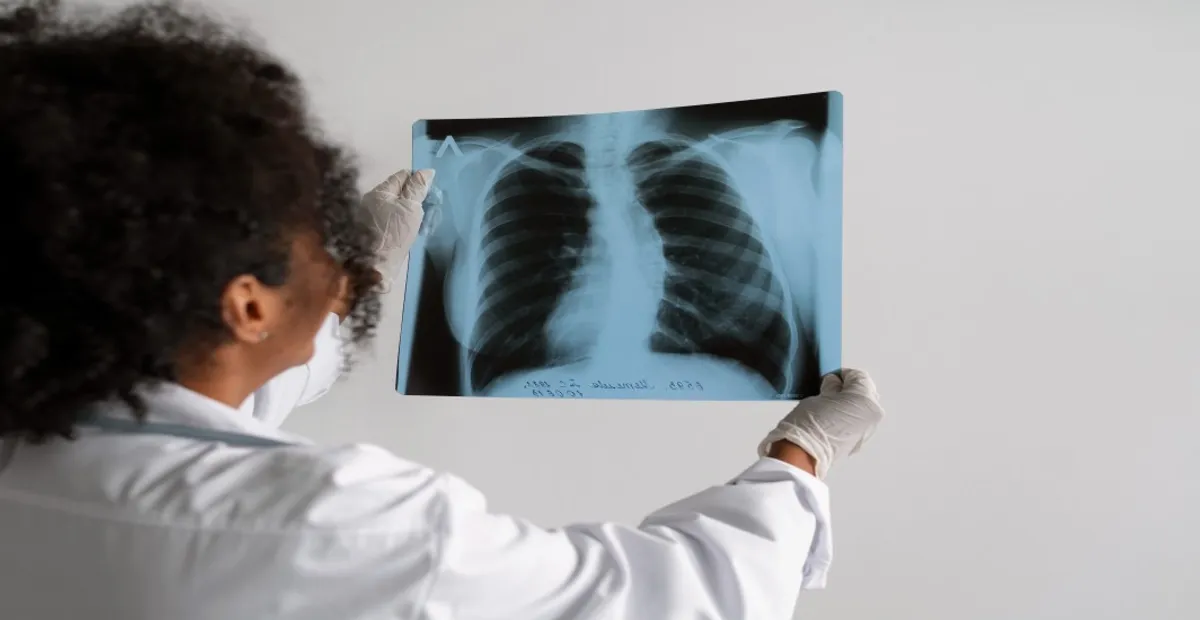
The respiratory system plays a vital part in sustaining life as it allows oxygen intake and removes carbon dioxide from the body. However, respiratory conditions like Chronic Obstructive Pulmonary Disorder (COPD), asthma, or chronic infections can affect the health of the lungs. Notably, identifying signs of unhealthy lungs is important for early intervention and preventative care. This blog will explore the subtle indicators that your lungs might be exhibiting.
What are the Signs of Unhealthy Lungs?
Some of the common signs that may indicate unhealthy lungs include:
1. Persistent Cough
Often considered to be a seasonal inconvenience, persistent cough, whether dry or wet, can be a sign of underlying respiratory issues. This can be especially concerning in children, as it may indicate potential paediatric respiratory conditions. Conditions that may result in persistent cough include:
- Chronic Bronchitis: It irritates your bronchial tubes, causing them to swell. This is followed by mucus accumulation along the lining which in turn narrows the tube’s opening. This causes breathing problems and persistent coughing.
- Asthma: Asthma makes it difficult to breathe due to the inflammation and tightening of muscles around the airway.
- Tuberculosis: It is a bacterial infection that can be fatal if left untreated. It affects the lungs and other organs like the brain, kidneys, and spine.
- Lung Cancer: In lung cancer, the cells grow abnormally in the organ hampering its function and resulting in respiratory failure.
2. Shortness of Breath
Feeling breathless even with minimal physical activity or at rest signifies compromised lungs. This symptom may manifest in various respiratory diseases, highlighting the importance of seeking medical attention to determine the underlying cause. Some of these diseases include:
- Chronic Obstructive Pulmonary Disease(COPD): COPD refers to a group of diseases including chronic bronchitis and emphysema making it harder to breathe.
- Pulmonary Fibrosis: It causes scarring of the lungs making it harder to breathe.
3. Chest Pain or Tightness
Unexplained chest pain or a persistent feeling of tightness in the chest can be indicative of lung-related problems. Although not all chest pain is directly linked to lung issues, it's essential to consider respiratory health as a potential factor. Chest pain could be associated with the following:
- Pleurisy: It is the inflammation of the pleura (a thin layer covering the lungs), which causes sharp pain while breathing, coughing or sneezing.
- Pneumonia: Caused by bacteria, viruses, or fungi, pneumonia affects the alveoli (tiny air sacs) and results in sharp pain in the chest experienced while coughing or breathing deeply.
- Pulmonary Embolism: It is a blood clot that can be formed in any part of the body and travels to the lung creating a block in the blood flow.
4. Wheezing
Wheezing is a whistling sound that is often observed while exhaling (breathing out). It often indicates constricted or partially blocked airways. Wheezing is considered to be a classic sign of asthma and chronic bronchitis. However, it is advised to consult a pulmonologist to confirm the diagnosis.
5. Chronic Mucus Production
Chronic mucus production can result in persistent coughing. Conditions that may result in mucus production include:
- Bronchitis: Inflammation in the airways can cause the bronchial tubes to swell. This is followed by mucus build-up and narrowing of the tube opening.
- Cystic Fibrosis: It is a life-threatening inherited condition that affects various organs. It causes cells to excessively absorb sodium and water causing the normal thin mucus secretions to become thick and hard to move.
6. Coughing Blood
Coughing blood can be a symptom of various serious conditions. It is also known as Hemoptysis, where blood is coughed from the lungs. Seeking immediate medical attention is essential to determine the underlying cause and initiate appropriate treatment. This could be associated with conditions such as:
- Tuberculosis: It is a bacterial infection that can be fatal if left untreated. While it majorly affects the lungs, it can also attack other organs like the brain, kidneys, and spine.
- Pulmonary Embolism: Blood flow to the lungs is impeded by a blockage caused by a clot.
Conclusion
Recognising the signs of unhealthy lungs is the first step towards ensuring that the lungs are in good condition. Regular check-ups, quitting smoking, avoiding exposure to harmful pollutants, exercising regularly, and eating nutritious food can help ensure optimal respiratory health.
Services


General Health
Frequently asked questions
Leave Comment
Services
Recommended for you
.jpg?tr=q-80,f-webp,w-350,dpr-1,c-at_max)
General Health
How to Deal with Colic in a 1-Month-Old Baby?
Caring for a colicky newborn can be overwhelming—here are some gentle, effective ways to soothe your 1-month-old baby and manage colic symptoms with care and patience.

General Health
Is Continuous Glucose Monitoring (CGM) Beneficial For Diabetics?
Discover how continuous glucose monitoring (CGM) systems are revolutionising diabetes care. Stay informed about the latest guidelines, technologies and lifestyle factors that can help you effectively manage your diabetes.

General Health
Ayurvedic Solutions For Sexual Health Women Can Trust
Explore trusted Ayurvedic solutions for women’s sexual health, crafted to balance hormones, boost libido, and enhance overall wellness using natural, time-tested ingredients with no harmful side effects.
Subscribe
Sign up for our free Health Library Daily Newsletter
Get doctor-approved health tips, news, and more.
