apollo
logo
0
Select Delivery Location
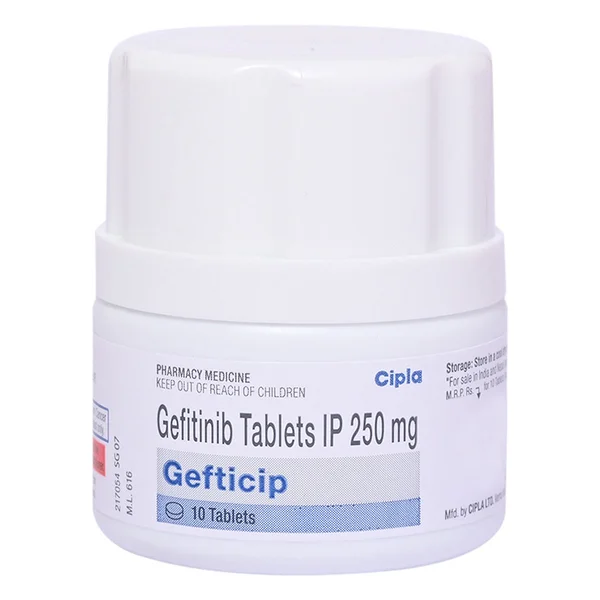
Gefticip 250 mg Tablet is used to treat non-small cell lung cancer. It contains Gefitinib which works by inhibiting the growth and multiplication of cancer cells. In some cases, this medicine may cause side effects such as itching or skin rash, acne, nail problems, vomiting, diarrhoea, and loss of appetite. Inform the doctor if you are pregnant or breastfeeding, taking any other medication, or have any pre-existing medical conditions.
Read more
Written By Lakshmithulasi Yarragunta ,
Reviewed By Bayyarapu Mahesh Kumar , M Pharmacy
OffersOffers & Discounts

Get Free delivery (₹99) with circle icon

Join Circle
coupon
Get 18% Off with Coupons
coupon
coupon
coupon
Extra 10% Off with Bank Offers

Have a query?

Side effects of Gefticip 250 mg Tablet
Here are the precise steps to cope with diarrhoea caused by medication usage:
  • Inform Your Doctor: Notify your doctor immediately about your diarrhoea symptoms. This allows them to adjust your medication or provide guidance on managing side effects.
  • Stay Hydrated: Drink plenty of fluids to replace lost water and electrolytes. Choose water, clear broth, and electrolyte-rich drinks. Avoid carbonated or caffeinated beverages to effectively rehydrate your body.
  • Follow a Bland Diet: Eat easy-to-digest foods to help firm up your stool and settle your stomach. Try incorporating bananas, rice, applesauce, toast, plain crackers, and boiled vegetables into your diet.
  • Avoid Trigger Foods: Steer clear of foods that can worsen diarrhoea, such as spicy, fatty, or greasy foods, high-fibre foods, and dairy products (especially if you're lactose intolerant).
  • Practice Good Hygiene: Maintain good hygiene to prevent the spread of infection. To stay healthy, wash your hands frequently, clean and disinfect surfaces regularly, and avoid exchanging personal belongings with others.
  • Take Anti-Diarrheal Medications: If your doctor advises, anti-diarrheal medications such as loperamide might help manage diarrhoea symptoms. Always follow your doctor's directions.
  • Keep track of your diarrhoea symptoms. If they don't get better or worse or are accompanied by severe stomach pain, blood, or dehydration signs (like extreme thirst or dark urine), seek medical help.
Overcome Medication-Induced Nausea: A 9-Step Plan
  • Inform your doctor about the nausea and discuss possible alternatives to the medication or adjustments to the dosage.
  • Divide your daily food intake into smaller, more frequent meals to reduce nausea.
  • Opt for bland, easily digestible foods like crackers, toast, plain rice, bananas, and applesauce.
  • Avoid certain foods that can trigger nausea, such as fatty, greasy, spicy, and smelly foods.
  • Drink plenty of fluids, such as water, clear broth, or electrolyte-rich beverages like coconut water or sports drinks.
  • Use ginger (tea, ale, or candies) to help relieve nausea.
  • Get adequate rest and also avoid strenuous activities that can worsen nausea.
  • Talk to your doctor about taking anti-nausea medication if your nausea is severe.
  • Record when your nausea occurs, what triggers it, and what provides relief to help you identify patterns and manage your symptoms more effectively.
  • Increased protein levels indicate the body is dehydrated and when blood plasma is concentrated.
  • Consume water and stay hydrated. Talk to your doctor and take an oral rehydrating salt (ORS).
  • Sleep for 7-8 hours per night to assist your body in repairing and rebuilding hydration.
  • Manage your blood pressure by implementing changes in lifestyle like losing weight, reducing stress and exercising regularly.
  • Consume more protein-rich foods and healthy fats like beans, avocados, cheese, nuts and lean meats to minimize appetite.
  • Prefer foods high in fiber to help feel full for a long time.
  • If you have decreased appetite, eat only when you are hungry.
  • Eat several small meals or snacks all day.
  • Try to take only small sips of fluids while eating.
  • Rest well; get enough sleep.
  • Eat a balanced diet and drink enough water.
  • Manage stress with yoga and meditation.
  • Limit alcohol and caffeine.
  • Physical activities like walking or jogging might help boost energy and make you feel less tired.
  • Using a cold compress may help relieve itching and inflammation associated with conjunctivitis.
  • A warm compress and washing the eyes with water can help with crusting on the eyelids.
  • Avoid wearing contact lens until you feel better; use spectacles instead.
  • Do not rub the eyes.
  • Practise good hand hygiene and avoid touching the eyes to prevent the spread of infection.

Drug-Drug Interactions

verifiedApollotooltip
GefitinibAminolevulinic acid
Severe

Drug-Drug Interactions

Login/Sign Up

How does the drug interact with Gefticip 250 mg Tablet:
When Gefticip 250 mg Tablet is taken with Thioridazine it can increase the levels of Thioridazine in the body. This increases the risk or severity of side effects in the body.

How to manage the interaction:
Co-administration of Gefticip 250 mg Tablet with Thioridazine is not recommended as it can possibly result in an interaction, but it can be taken if your doctor has advised it. If you notice any symptoms, such as sudden dizziness, lightheadedness, fainting, trouble breathing, or experiencing heart palpitations, consult the doctor immediately. Do not stop using any medications without talking to a doctor.
GefitinibAminolevulinic acid
Severe
How does the drug interact with Gefticip 250 mg Tablet:
Coadministration of Gefticip 250 mg Tablet with Aminolevulinic acid can increase the risk or severity of skin reactions like severe sunburn.

How to manage the interaction:
Taking Gefticip 250 mg Tablet with Aminolevulinic acid together can result in an interaction, but it can be taken if your doctor has advised it. However, if you notice any redness and inflammation on the skin, Skin feels hot or tight, Pain or tenderness, or Peeling skin you should contact your doctor immediately. Avoid or limit exposure of the eyes and skin to sunlight or bright indoor lights. Do not stop using any medications without talking to a doctor.
GefitinibFosphenytoin
Severe
How does the drug interact with Gefticip 250 mg Tablet:
When Gefticip 250 mg Tablet is taken with Fosphenytoin, it can cause the body to process Gefticip 250 mg Tablet faster. This can lead to low treatment outcomes.

How to manage the interaction:
Taking Fosphenytoin with Gefticip 250 mg Tablet together can result in an interaction, but it can be taken if your doctor has advised it. If you notice any unusual symptoms like sudden dizziness, lightheadedness, fainting, shortness of breath, uncontrollable eye movements, abnormal body movements, loss of coordination, or rapid heartbeat, contact a doctor immediately. Do not discontinue any medications without consulting a doctor.
How does the drug interact with Gefticip 250 mg Tablet:
Coadministration of Phenytoin and Gefticip 250 mg Tablet may decrease the blood levels of Gefticip 250 mg Tablet, which may make Gefticip 250 mg Tablet less effective.

How to manage the interaction:
Although taking Phenytoin and Gefticip 250 mg Tablet together can result in an interaction, it can be taken if your doctor has prescribed it. Without consulting a doctor, never stop taking any medications.
How does the drug interact with Gefticip 250 mg Tablet:
Phenobarbital can drastically lower Gefticip 250 mg Tablet levels in the blood, making the medicine less effective.

How to manage the interaction:
Although taking phenobarbital with Gefticip 250 mg Tablet can lead to interaction, they can be taken if recommended by a doctor. Do not stop using any medications without talking to a doctor.
GefitinibRanitidine bismuth citrate
Severe
How does the drug interact with Gefticip 250 mg Tablet:
Coadministration of Gefticip 250 mg Tablet and Ranitidine bismuth citrate can reduce the absorption and decrease the levels of Ranitidine bismuth citrate in the body.

How to manage the interaction:
There may be a possibility of interaction between Gefticip 250 mg Tablet and Ranitidine bismuth citrate, but it can be taken if prescribed by a doctor. It is recommended to take Gefticip 250 mg Tablet 6 hours before or 6 hours after Ranitidine bismuth citrate to help minimize the impact of the interaction. Do not stop using any medications without talking to a doctor.
How does the drug interact with Gefticip 250 mg Tablet:
Taking Gefticip 250 mg Tablet with esomeprazole may reduce the effectiveness of Gefticip 250 mg Tablet.

How to manage the interaction:
Although taking Esomeprazole and Gefticip 250 mg Tablet together can possibly result in an interaction, they can be taken together if prescribed by your doctor. It is recommended to take Gefitionib 12 hours before or after taking Esomeprazole. Do not stop taking any medications without consulting a doctor.
How does the drug interact with Gefticip 250 mg Tablet:
Taking Rabeprazole together with Gefticip 250 mg Tablet results in decreased levels of Gefticip 250 mg Tablet in your blood. This can result in a decreased effectiveness of Gefticip 250 mg Tablet in treating the disease.

How to manage the interaction:
Although taking Rabeprazole and Gefticip 250 mg Tablet together can possibly result in an interaction, it can be taken if your doctor has prescribed it. To lessen the effects of the interaction, it is advised that you take Gefticip 250 mg Tablet 12 hours before or 12 hours after rabeprazole. Do not discontinue any medications without a doctor's advice.
How does the drug interact with Gefticip 250 mg Tablet:
Taking Sodium bicarbonate with Gefticip 250 mg Tablet together can reduce the levels and treatment outcomes of Gefticip 250 mg Tablet.

How to manage the interaction:
Although taking Gefticip 250 mg Tablet and Sodium bicarbonate together can cause an interaction, it can be taken if a doctor has suggested it. Contact your doctor if your symptoms do not improve. Do not stop using any medications without talking to a doctor.
How does the drug interact with Gefticip 250 mg Tablet:
Gefticip 250 mg Tablet can cause higher levels of Teriflunomide in the blood by reducing its excretion rate.

How to manage the interaction:
Co-administration of Gefticip 250 mg Tablet with Teriflunomide can result in an interaction, but it can be taken if your doctor has advised it. If you have any of these symptoms, it's important to contact your doctor right away: fever, chills, joint pain, swelling, bruising, skin rash, itching, loss of appetite, fatigue, nausea, vomiting, abdominal pain, dark-colored urine, liver damage, or bleeding. Do not discontinue any medications without consulting a doctor.

Drug-Food Interactions

verifiedApollotooltip
No Drug - Food interactions found in our database. Some may be unknown. Consult your doctor for what to avoid during medication.

Drug-Food Interactions

Login/Sign Up

All Substitutes & Brand Comparisons

Disclaimer

While we strive to provide complete, accurate, and expert-reviewed content on our 'Platform', we make no warranties or representations and disclaim all responsibility and liability for the completeness, accuracy, or reliability of the aforementioned content. The content on our platform is for informative purposes only, and may not cover all clinical/non-clinical aspects. Reliance on any information and subsequent action or inaction is solely at the user's risk, and we do not assume any responsibility for the same. The content on the Platform should not be considered or used as a substitute for professional and qualified medical advice. Please consult your doctor for any query pertaining to medicines, tests and/or diseases, as we support, and do not replace the doctor-patient relationship.

Author Details

Doctor imageWe provide you with authentic, trustworthy and relevant information

whatsapp Floating Button
Buy Now
Add to Cart