apollo
logo
0
Select Delivery Location
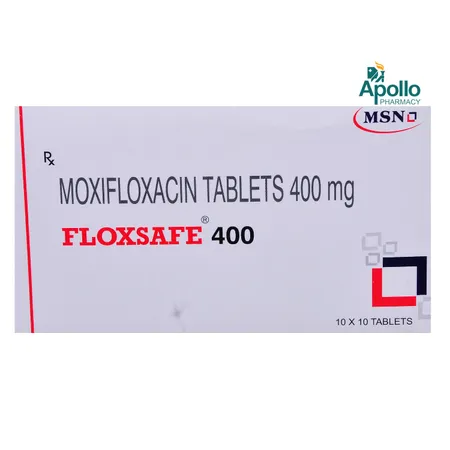
compositionComposition:MOXIFLOXACIN-400MG
prescription
Prescription Medicine
info

Floxsafe 400 mg Tablet is used to treat various bacterial infections, such as pharyngitis/tonsillitis (throat infections), sinusitis (infection of the sinuses), community-acquired pneumonia, skin infections, and urinary tract infections.

Read more
Written By Bayyarapu Mahesh Kumar , M Pharmacy
Reviewed By Dr Aneela Siddabathuni , MPharma., PhD
OffersOffers & Discounts

Get Free delivery (₹99) with circle icon

Join Circle
Get Extra 18% Off with Coupons
Extra 10% Off with Bank Offers
bank offer
bank offer
bank offer

More about the Product

Composition :

MOXIFLOXACIN-400MG

Manufacturer/Marketer :

Msn Laboratories Pvt Ltd

Consume Type :

Oral

Expires on or after :

Jan-27

Return Policy :

Not Returnable

NPPA :

Regulated

About Floxsafe 400 mg Tablet

Floxsafe 400 mg Tablet is a prescription oral antibiotic used to treat a variety of bacterial infections. It is prescribed for bacterial infections of the lungs, sinuses, skin, and abdomen. This medicine works specifically against bacteria and is not effective for viral infections like the common cold or flu. Always take this medicine under the supervision of a qualified healthcare professional. Do not self-medicate.

Floxsafe 400 mg Tablet is also available in other forms, including eye drops and intravenous (IV) infusions. Your doctor will prescribe the most appropriate formulation based on the type and severity of your infection.

To work effectively, Floxsafe 400 mg Tablet must be taken exactly as prescribed, usually once daily at the same time each day to maintain a steady level of medicine in your body. You can take this medicine with or without food. Getting plenty of rest and drinking a lot of water can help your body recover faster while you are on this treatment.

While taking this medicine, some people may experience mild side effects like nausea or diarrhoea. However, you should contact your doctor immediately if you experience serious symptoms, such as severe joint pain, muscle weakness, tingling sensations, or rapid heartbeats.

Do not take this if you have a history of tendon problems, a muscle disorder like myasthenia gravis, or certain heart rhythm conditions. This medicine is generally not recommended for children and adolescents under 18 years of age unless specifically advised by a specialist. Talk to your doctor before starting this medicine if you have kidney problems, liver damage, a history of seizures, or any known aortic aneurysm or aortic disease.

This medicine can interact with certain other products, including antacids, mineral supplements, blood thinners, and some pain-relieving medicines, which can reduce its effectiveness or increase side effects. Consult your doctor or pharmacist if you are pregnant, breastfeeding, or an older adult, as special precautions may be needed.

Uses of Floxsafe 400 mg Tablet

  • Pneumonia: Floxsafe 400 mg Tablet helps by stopping the growth of bacteria causing community-acquired lung infections, helping you breathe easier.
  • Acute bacterial exacerbations of chronic bronchitis: This medicine may be used in selected cases where a bacterial infection is suspected or confirmed by a healthcare professional. It is not routinely recommended as first-line treatment for all flare-ups of chronic bronchitis.
  • Acute sinus infections: It targets bacteria trapped in the nasal passages to relieve facial pressure, congestion, and pain.
  • Skin and soft tissue infections: Floxsafe 400 mg Tablet treats bacterial skin infections, reducing redness, swelling, and pain in the affected tissues.
  • Abdominal infections: When combined with other treatments, it helps resolve complicated bacterial infections inside the abdominal cavity.

Key Benefits

Floxsafe 400 mg Tablet offers several benefits in the treatment of bacterial infections by effectively eliminating infection-causing bacteria, relieving symptoms, and supporting a faster return to normal health and daily activities. 

  • Effectively Treats Bacterial Infections: Helps eliminate the bacteria responsible for infections and supports complete recovery.
  • Relieves Infection-Related Symptoms: Reduces symptoms such as fever, pain, swelling, congestion, coughing, and discomfort associated with bacterial infections.
  • Promotes Faster Recovery: By targeting the infection at its source, it helps restore health and physical well-being more quickly.
  • Long-Lasting Action: Remains active in the body for an extended period, providing sustained antibacterial activity.
  • Convenient Once-Daily Dosing: Often requires only one dose per day, making treatment easier to follow.
  • Improves Treatment Adherence: A simple dosing schedule can help patients complete the full prescribed course of therapy.
  • Helps Prevent Recurrence: Completing the full treatment course reduces the likelihood of the infection returning or worsening.
  • Supports Return to Daily Activities: Effective infection control helps patients resume normal routines with less interruption.
Side effects of Floxsafe 400 mg Tablet
Overcome Medication-Induced Nausea: A 9-Step Plan
  • Inform your doctor about the nausea and discuss possible alternatives to the medication or adjustments to the dosage.
  • Divide your daily food intake into smaller, more frequent meals to reduce nausea.
  • Opt for bland, easily digestible foods like crackers, toast, plain rice, bananas, and applesauce.
  • Avoid certain foods that can trigger nausea, such as fatty, greasy, spicy, and smelly foods.
  • Drink plenty of fluids, such as water, clear broth, or electrolyte-rich beverages like coconut water or sports drinks.
  • Use ginger (tea, ale, or candies) to help relieve nausea.
  • Get adequate rest and also avoid strenuous activities that can worsen nausea.
  • Talk to your doctor about taking anti-nausea medication if your nausea is severe.
  • Record when your nausea occurs, what triggers it, and what provides relief to help you identify patterns and manage your symptoms more effectively.
Here are the precise steps to cope with diarrhoea caused by medication usage:
  • Inform Your Doctor: Notify your doctor immediately about your diarrhoea symptoms. This allows them to adjust your medication or provide guidance on managing side effects.
  • Stay Hydrated: Drink plenty of fluids to replace lost water and electrolytes. Choose water, clear broth, and electrolyte-rich drinks. Avoid carbonated or caffeinated beverages to effectively rehydrate your body.
  • Follow a Bland Diet: Eat easy-to-digest foods to help firm up your stool and settle your stomach. Try incorporating bananas, rice, applesauce, toast, plain crackers, and boiled vegetables into your diet.
  • Avoid Trigger Foods: Steer clear of foods that can worsen diarrhoea, such as spicy, fatty, or greasy foods, high-fibre foods, and dairy products (especially if you're lactose intolerant).
  • Practice Good Hygiene: Maintain good hygiene to prevent the spread of infection. To stay healthy, wash your hands frequently, clean and disinfect surfaces regularly, and avoid exchanging personal belongings with others.
  • Take Anti-Diarrheal Medications: If your doctor advises, anti-diarrheal medications such as loperamide might help manage diarrhoea symptoms. Always follow your doctor's directions.
  • Keep track of your diarrhoea symptoms. If they don't get better or worse or are accompanied by severe stomach pain, blood, or dehydration signs (like extreme thirst or dark urine), seek medical help.
Dealing with Medication-Induced Headache:
  • Hydrate your body: Drink enough water to prevent dehydration and headaches.
  • Calm Your Mind: Deep breathing and meditation can help you relax and relieve stress.
  • Rest and Recharge: Sleep for 7-8 hours to reduce headache triggers.
  • Take rest: lie down in a quiet, dark environment.
  • Cold or warm compresses can help reduce tension.
  • Stay Upright: Maintain good posture to keep symptoms from getting worse.
  • To treat headaches naturally, try acupuncture or massage therapy.
  • Over-the-counter pain relievers include acetaminophen and ibuprofen.
  • Prescription Assistance: Speak with your doctor about more substantial drug alternatives.
  • Severe Headaches: Seek emergency medical assistance for sudden, severe headaches.
  • Frequent Headaches: If you get reoccurring headaches, consult your doctor.
  • Headaches with Symptoms: Seek medical attention if your headaches include fever, disorientation, or weakness.
  • Talk to your doctor about oral potassium supplements.
  • Eat potassium rich foods such as bananas, avocados, oranges, dark leafy greens, beans and peas, fish, spinach, milk and tomatoes.
To prevent, manage, and treat Constipation caused by medication usage, follow these steps:
  • Preventing Vomiting (Before it Happens)
  • Take medication exactly as prescribed by your doctor. This can help minimize side effects, including vomiting.
  • Having a small meal before taking your medication can help reduce nausea and vomiting.
  • Talk to your doctor about taking anti-nausea medication along with your prescribed medication.
  • Managing Vomiting (If it Happens)
  • Try taking ginger in the form of tea, ale, or candy to help alleviate nausea and vomiting.
  • What to Do if Vomiting Persists
  • Consult your doctor if vomiting continues or worsens, consult the doctor for guidance on adjusting your medication or additional treatment.
Here are the steps to cope with constipation as a side effect of medication:
  • Inform your doctor about your constipation symptoms. They may adjust your medication or advise alternative treatments.
  • Stay hydrated by drinking sufficient of water (at least 8-10 glasses a day) to help soften stool and promote bowel movements.
  • Increase fibre intake by eating foods high in fibre, such as fruits, whole grains, vegetables and legumes, to help bulk up the stool.
  • Establish a bowel routine by trying to go to the bathroom at the same time each day to train your bowels.
  • Engaging in regular exercise, like walking or yoga, can support in bowel movement stimulation.
  • Consult your doctor if constipation persists, and discuss alternative treatments or adjustments to your medication.

Directions for Use

Always take this medicine exactly as your doctor has instructed. Follow these steps for safe use:

  • Swallow the tablet whole with a full glass of water. Do not crush, chew, or break the tablet.
  • You may take this medicine with or without food.
  • Take your dose at the same time every day to keep a consistent amount of the medicine in your body.
  • Keep taking this medicine for the full duration prescribed by your doctor, even if your symptoms clear up after a few days. Stopping too early may allow the infection to return.

How Floxsafe 400 mg Tablet Works

Floxsafe 400 mg Tablet belongs to a class of antibiotics known as fluoroquinolones. It works by interfering with the vital enzymes that bacteria need to copy, repair, and read their own DNA. Without these enzymes, the bacteria cannot multiply, repair themselves, or survive. This action quickly kills the active bacteria causing the infection and stops it from spreading further in your body, allowing your immune system to successfully clear the remaining bacteria.
bannner image

Alcohol

Consult your doctor

It is not known how the Floxsafe 400 mg Tablet is affected by alcohol consumption; please consult your doctor for more information.

bannner image

Pregnancy

Consult your doctor

Floxsafe 400 mg Tablet is not recommended during pregnancy. If you are pregnant, think you may be pregnant or are planning to have a baby, ask your doctor for advice before starting Floxsafe 400 mg Tablet .

bannner image

Breast Feeding

Consult your doctor

If you are a breastfeeding mother, please seek medical advice before starting Floxsafe 400 mg Tablet .

bannner image

Driving

Caution

Floxsafe 400 mg Tablet may make you feel dizzy or light-headed, and you may experience a sudden blurry vision. If you experience any of these, do not drive or operate machinery.

bannner image

Liver

Caution

Floxsafe 400 mg Tablet to be taken with caution if you have a history of liver diseases.

bannner image

Kidney

Caution

Floxsafe 400 mg Tablet to be taken with caution if you have a history of kidney diseases.

bannner image

Children

Unsafe

Floxsafe 400 mg Tablet is not recommended for children and adolescents under 18 because efficacy and safety have not been established in this age group.

bannner image

Heart

Unsafe

Floxsafe 400 mg Tablet should be avoided in patients with cardiac disease, as it can lead to QT prolongation.

bannner image

Geriatrics

Consult your doctor

Limited information is available for use in elderly patients. Please consult your doctor.

What if I have taken an overdose of Floxsafe 400 mg Tablet

Do not take more than the prescribed dose of Floxsafe 400 mg Tablet as it may cause overdose. If you suspect you have taken overdose, please consult a doctor immediately.

Diet & Lifestyle Advise

  • Avoid certain minerals close to your dose: Do not take antacids, multivitamins, or supplements containing iron, zinc, magnesium, or calcium within 4 hours before or 2 hours after taking Floxsafe 400 mg Tablet , as they can stop your body from absorbing the medicine.
  • Stay well-hydrated: Drink plenty of water throughout the day to help your kidneys process and clear the medicine from your body safely.
  • Protect your skin from the sun: This medicine can make your skin highly sensitive to sunlight. Wear protective clothing, use sunscreen, and avoid tanning beds while taking this medication.
  • Rest your joints: Avoid strenuous physical exercise or heavy lifting while on this medicine, as it can increase the risk of tendon injury.

Have a query?

How Soon It Starts Working

  • The time required for Floxsafe 400 mg Tablet to start to work: The time required for Floxsafe 400 mg Tablet to show its action is unknown.
  • The time for which the effects of Floxsafe 400 mg Tablet last: The duration of action for Floxsafe 400 mg Tablet is unknown.

What if you forget to take Floxsafe 400 mg Tablet

Take the missed dose as soon as possible. However, if it is time for the next dose, skip the missed dose and follow your regular dosing schedule. Do not take a double dose to make up for your missed dose.

Storage

• Store Floxsafe 400 mg Tablet tablets at room temperature, ideally between 15°C and 30°C (59°F to 86°F). • Keep the tablets in their original packaging to protect them from moisture and direct light.

Drug Warnings

  • Check Packaging Before Use: Check your packaging before use to ensure the tablets are sealed and undamaged.
  • Watch for Tendon Problems: Stop taking this medicine and contact your doctor immediately at the first sign of tendon pain, swelling, or inflammation.
  • Inform Your Doctor About Blood Vessel Conditions: Inform your doctor if you have a history of aortic aneurysm, aortic dissection, uncontrolled high blood pressure, certain inherited blood vessel disorders, or other major blood vessel diseases before starting treatment.
  • Use Caution When Driving or Operating Machinery: Avoid driving or operating machinery until you know how this medicine affects you, as it can cause dizziness or confusion.
  • Seek Advice for Severe Diarrhoea: If you develop severe or watery diarrhoea, do not take anti-diarrhoea medicines without consulting your doctor first, as they may make the condition worse.
  • Inform Healthcare Providers: Inform any doctor or dentist treating you that you are currently taking Floxsafe 400 mg Tablet , especially if you require medical tests or surgery.

Drug-Drug Interactions

verifiedApollotooltip

Drug-Drug Interactions

Certain medicines can affect how Floxsafe 400 mg Tablet works or increase the risk of side effects. Inform your doctor about all prescription medicines, over-the-counter products, vitamins, and herbal supplements you are taking before starting treatment: 

  • Antacids and mineral supplements: Products containing magnesium, aluminium, calcium, iron, or zinc can bind with this medicine and reduce absorption.
  • Blood thinners (like warfarin): Combining these can increase the risk of bleeding, requiring closer monitoring.
  • Heart rhythm medicines: Taking this with certain medications used to treat irregular heartbeats can increase the risk of dangerous heart rhythm changes.
  • NSAIDs (such as ibuprofen or diclofenac): May increase the risk of nervous system side effects, including seizures, particularly in susceptible individuals.


Drug-Food Interactions

Some foods and beverages may interfere with the absorption or effectiveness of Floxsafe 400 mg Tablet . Following the recommended dietary precautions can help ensure you receive the full benefit of your treatment: 

  • Calcium-rich foods: Unlike some other fluoroquinolone antibiotics, the interaction between Floxsafe 400 mg Tablet and dairy products is generally less significant. Floxsafe 400 mg Tablet may be taken with meals that contain dairy products. However, large amounts of calcium supplements or mineral-fortified products taken at the same time may still reduce absorption and should be discussed with your healthcare provider. 


Drug-Disease Interactions

Certain medical conditions may influence the safety and effectiveness of Floxsafe 400 mg Tablet . Tell your doctor about your complete medical history before taking this medicine, especially if you have any of the following conditions: 

  • Tendon disorders: May increase the risk of tendon rupture or inflammation in patients with a history of tendon issues.
  • Myasthenia gravis: Can cause a severe worsening of muscle weakness and breathing problems.
  • Heart conditions: May cause complications in individuals with a history of long QT syndrome or low blood potassium levels.
MoxifloxacinHalofantrine
Critical

Drug-Drug Interactions

Login/Sign Up

How does the drug interact with Floxsafe 400 mg Tablet:
Combining Floxsafe 400 mg Tablet with Sotalol can increase the risk or severity of irregular heart rhythms which can be severe. The risk increases in patients with a history of heart illness or electrolyte imbalance.

How to manage the interaction:
Taking Sotalol with Floxsafe 400 mg Tablet is not recommended as it can result in an interaction, it can be taken if a doctor has advised it. However, if you experience sudden dizziness, lightheadedness, fainting, or fast or pounding heartbeats, contact a doctor immediately. Do not discontinue any medications without consulting a doctor.
MoxifloxacinHalofantrine
Critical
How does the drug interact with Floxsafe 400 mg Tablet:
Using Halofantrine together with Floxsafe 400 mg Tablet can increase the risk of an irregular heart rhythm.

How to manage the interaction:
Taking Floxsafe 400 mg Tablet with Halofantrine is not recommended as it can lead to an interaction; it can be taken if advised by your doctor. You should seek immediate medical attention if you develop sudden dizziness, lightheadedness, fainting, shortness of breath, or heart palpitations.
MoxifloxacinSaquinavir
Critical
How does the drug interact with Floxsafe 400 mg Tablet:
Using saquinavir together with Floxsafe 400 mg Tablet can increase the risk of an irregular heart rhythm.

How to manage the interaction:
Taking Floxsafe 400 mg Tablet with Saquinavir can cause an interaction, consult a doctor before taking it. You should seek immediate medical attention if you develop sudden dizziness, lightheadedness, fainting, shortness of breath, or heart palpitations. Do not stop using any medications without talking to a doctor.
How does the drug interact with Floxsafe 400 mg Tablet:
Using Disopyramide together with Floxsafe 400 mg Tablet can increase the risk of an irregular heart rhythm.

How to manage the interaction:
Taking Floxsafe 400 mg Tablet with Disopyramide is not recommended, please consult a doctor before taking it. You should seek immediate medical attention if you develop sudden dizziness, lightheadedness, fainting, shortness of breath, or heart palpitations. Do not discontinue any medications without consulting your doctor.
How does the drug interact with Floxsafe 400 mg Tablet:
Taking Amiodarone and Floxsafe 400 mg Tablet may significantly raise the risk of an abnormal heart rhythm.

How to manage the interaction:
Taking Amiodarone and Floxsafe 400 mg Tablet is not recommended as it can lead to an interaction; it can be taken if advised by a doctor. If you get dizziness, or fast or racing heartbeats, consult a doctor. Do not stop taking any medications without visiting a doctor.
MoxifloxacinProcainamide
Critical
How does the drug interact with Floxsafe 400 mg Tablet:
Using procainamide together with Floxsafe 400 mg Tablet can increase the risk of an irregular heart rhythm.

How to manage the interaction:
Taking Floxsafe 400 mg Tablet with Procainamide can cause an interaction, consult a doctor before taking it. You should seek immediate medical attention if you develop sudden dizziness, lightheadedness, fainting, or fast or pounding heartbeats. Do not stop using any medications without talking to a doctor.
How does the drug interact with Floxsafe 400 mg Tablet:
Using dronedarone together with Floxsafe 400 mg Tablet can increase the risk of an irregular heart rhythm.

How to manage the interaction:
Taking Floxsafe 400 mg Tablet with Dronedarone is not recommended as it can lead to an interaction; it can be taken if advised by your doctor. You should seek immediate medical attention if you develop sudden dizziness, lightheadedness, fainting, shortness of breath, or heart palpitations.
How does the drug interact with Floxsafe 400 mg Tablet:
Using Floxsafe 400 mg Tablet with Ziprasidone can increase the risk of irregular heart rhythm.

How to manage the interaction:
Taking Floxsafe 400 mg Tablet with Ziprasidone is not recommended as it can lead to an interaction; it can be taken together if prescribed by a doctor. However, consult your doctor if you experience sudden dizziness, lightheadedness, fainting, shortness of breath. Do not discontinue any medications without consulting a doctor.
MoxifloxacinQuinidine
Critical
How does the drug interact with Floxsafe 400 mg Tablet:
Using quinidine together with Floxsafe 400 mg Tablet can increase the risk of an irregular heart rhythm.

How to manage the interaction:
Taking Floxsafe 400 mg Tablet with Quinidine can cause an interaction, consult a doctor before taking it. You should seek immediate medical attention if you develop sudden dizziness, lightheadedness, fainting, or fast or pounding heartbeats. Do not stop using any medications without talking to a doctor.
MoxifloxacinBepridil
Critical
How does the drug interact with Floxsafe 400 mg Tablet:
Coadministration of Floxsafe 400 mg Tablet with Bepridil may increase the risk of an irregular heart rhythm.

How to manage the interaction:
Taking Floxsafe 400 mg Tablet with Bepridil is not recommended, please consult a doctor before taking it. Call a doctor if you experience dizziness, shortness of breath, or irregular heartbeat. Do not stop using any medications without talking to a doctor.

Drug-Food Interactions

verifiedApollotooltip
No Drug - Food interactions found in our database. Some may be unknown. Consult your doctor for what to avoid during medication.

Drug-Food Interactions

Login/Sign Up

All Substitutes & Brand Comparisons

Habit Forming

No

Therapeutic Class

[ANTI- BACTERIALS]

FAQs

Floxsafe 400 mg Tablet is used to treat bacterial infections.
Floxsafe 400 mg Tablet is a bactericidal agent that kills bacteria, causing a wide range of infections. It works by stopping a bacteria's ability to copy their genetic material (DNA), which ultimately kills bacteria and stops them from reproducing. Thus, it treats bacterial infections.
Floxsafe 400 mg Tablet may make the skin sensitive to sunlight. So, prolonged exposure to strong sunlight/UV light should be avoided while using Floxsafe 400 mg Tablet .
Floxsafe 400 mg Tablet may cause muscle weakness and should be avoided in people who have any muscle weakness or myasthenia gravis as it might worsen the condition. Please consult your doctor, before starting Floxsafe 400 mg Tablet if you have any such disease condition.
Floxsafe 400 mg Tablet is an antibacterial medicine that acts only against bacterial infections and not viral infections like cough, cold and flu. You should not take Floxsafe 400 mg Tablet without prior consulting your doctor. Self-medication is dangerous and can lower the efficacy of Floxsafe 400 mg Tablet leading to antibiotic resistance.
It is recommended to complete the course even if you feel better as it is an antibiotic, and stopping it midway may lead to recurring infections. Continue taking Floxsafe 400 mg Tablet for as long as your doctor has prescribed to treat your condition effectually.
You can take Floxsafe 400 mg Tablet with a normal meal that includes dairy, but avoid taking it with a large glass of milk or yogurt alone. Calcium can attach to the medicine and reduce how well your body absorbs it. Talk to your doctor or pharmacist if you have questions about your diet.
Stop taking the medicine immediately, rest the affected joint, and call your doctor right away. This medicine can increase the risk of tendon inflammation or tears, which requires prompt medical evaluation. Talk to your doctor for an alternative treatment.
This medicine is generally not recommended during pregnancy or while breastfeeding unless absolutely necessary. It may affect the developing joints and cartilage of the baby. If you become pregnant while taking Floxsafe 400 mg Tablet , do not stop the medication on your own. Contact your doctor immediately so that the benefits and risks can be assessed and alternative treatment options considered if appropriate.
It is best to avoid alcohol while taking this medicine. Alcohol can increase side effects like dizziness, lightheadedness, and stomach upset, making it harder for your body to recover. Talk to your doctor for personalized advice.
The medicine begins working within hours of your first dose to fight the bacteria, though you may not feel a major improvement for a few days. Always complete the entire prescribed course even if you feel better quickly. Talk to your doctor if your symptoms do not improve after a few days.
Antacids contain minerals like magnesium, aluminum, or calcium that chemically bind to this medicine in your stomach, preventing your body from absorbing it. This can make the antibiotic fail to clear your infection. Talk to your doctor or pharmacist about how to time your medications.
Contact your doctor immediately if you develop severe, watery, or bloody diarrhea, as this can be a sign of a serious bowel infection. Do not take over-the-counter anti-diarrhea medications without speaking to a medical professional first. Talk to your doctor.

Disclaimer

While we strive to provide complete, accurate, and expert-reviewed content on our 'Platform', we make no warranties or representations and disclaim all responsibility and liability for the completeness, accuracy, or reliability of the aforementioned content. The content on our platform is for informative purposes only, and may not cover all clinical/non-clinical aspects. Reliance on any information and subsequent action or inaction is solely at the user's risk, and we do not assume any responsibility for the same. The content on the Platform should not be considered or used as a substitute for professional and qualified medical advice. Please consult your doctor for any query pertaining to medicines, tests and/or diseases, as we support, and do not replace the doctor-patient relationship.

Country of origin

India

Manufacturer/Marketer address

Cipla House, Peninsula Business Park, Ganpatrao Kadam Marg, Lower Parel, Mumbai-400013
Other Info - FLO0206
whatsapp Floating Button
Buy Now
Add to Cart