
Macpod-O Tablet 10's


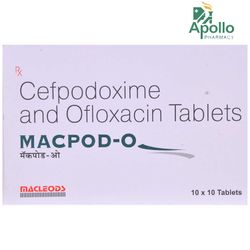


₹259
 ₹39.0Cashback (15%)
(Inclusive of all Taxes)
₹181 with coupons & bank offers*
 Offers & Discounts
Get Free delivery (₹99) with


Delivery Information
More about the Product
Composition :
Manufacturer/Marketer :
Consume Type :
Expires on or after :
Return Policy :
About Macpod-O Tablet
Macpod-O Tablet is a combination prescription antibiotic used to treat a wide variety of bacterial infections. It is commonly used to clear up respiratory infections, urinary tract issues, and certain types of infectious fevers. By targeting the bacteria causing the illness, this medicine helps your body overcome the infection quickly and completely.
For this medicine to work effectively, you must take it consistently at the exact times your doctor prescribes. It is generally best to take this tablet with food, as this helps your body absorb the medicine properly and prevents stomach upset. During your recovery, drinking plenty of water and getting extra rest will support your immune system as the medicine clears the infection.
While taking Macpod-O Tablet , some people may experience mild side effects like a temporary upset stomach or loose stools. However, if you develop severe watery diarrhoea, intense stomach cramps, or a sudden skin rash, you should stop taking the medicine and consult your doctor immediately. These symptoms can be signs of a more serious reaction that needs prompt medical attention.
Do not take Macpod-O Tablet if you have a history of severe allergic reactions to similar antibiotics. It is also important to talk to your doctor before starting this medicine if you have a history of tendon problems, nerve disorders, or kidney issues, as it contains ofloxacin, which may rarely cause serious tendon injury, nerve damage, or nervous system side effects. Your doctor will determine if this is the safest treatment option for your specific medical background.
Certain medications, such as antacids, can stop your body from absorbing this antibiotic, so you should space them out. It is also highly recommended to avoid alcohol and smoking while taking this medicine, as they can worsen dizziness and strain your immune system. If you are pregnant, breastfeeding, or managing health conditions as an older adult, talk to your doctor to ensure this medicine is safe for you.
Uses of Macpod-O Tablet
Macpod-O Tablet is used to treat a wide range of bacterial infections. The detailed uses of Macpod-O Tablet are as follows:
- Respiratory Tract Infections: It treats infections in the lungs, throat, sinuses, or airways by stopping the bacteria from multiplying.
- Urinary Tract Infections (UTIs): It eliminates harmful bacteria in the bladder and kidneys, resolving painful or frequent urination.
- Skin and Soft Tissue Infections: It targets bacteria causing painful skin swelling, redness, and localised infections.
- Otitis media: It may also be used to treat bacterial ear infections.
- Sexually transmitted infections (STIs): It helps treat gonorrhoea and other bacterial STIs.
- Typhoid Fever: It helps clear severe systemic bacterial infections that cause prolonged high fevers and digestive issues.
Key Benefits
Macpod-O Tablet helps treat bacterial infections and supports a faster return to everyday health and comfort. By helping eliminate infection-causing bacteria, it can reduce symptoms such as fever, pain, and discomfort.
Benefits may include:
- Helps eliminate bacteria responsible for a wide range of infections.
- Provides broad protection against susceptible bacteria through a combination of two antibiotics.
- Helps relieve fever, pain, swelling, and discomfort associated with bacterial infections.
- Helps reduce the risk of the infection spreading to nearby tissues or deeper parts of the body.
- Supports complete clearance of infection when the full treatment course is completed.
- Rash caused by allergies is due to irritants or allergens. Therefore, avoid contact with such irritants.
- Consult your doctor for proper medication and apply an anti-itch medication. Follow the schedule and use the medication whenever needed.
- Protect your skin from extreme heat and try to apply wet compresses.
- Soak in the cool bath, which gives a soothing impact to the affected area.
- Drink water or other clear fluids.
- To prevent worsening of pain, limit intake of tea, coffee, or alcohol.
- Include bland foods like rice, toast, crackers, and rice in your diet.
- Avoid lying down immediately after eating as it may cause indigestion or heartburn.
- Avoid acidic and spicy food as it may cause indigestion.
- Inform your doctor about dry mouth symptoms. They may adjust your medication regimen or prescribe additional medications to manage symptoms.
- Drink plenty of water throughout the day to help keep your mouth moist and alleviate dry mouth symptoms.
- Chew sugar-free gum or candies to increase saliva production and keep your mouth moisturized.
- Use saliva substitutes, such as mouthwashes or sprays, only if your doctor advises them to help moisturize your mouth and alleviate dry mouth symptoms.
- Avoid consuming smoking, alcohol, spicy or acidic foods, and other irritants that may aggravate dry mouth symptoms.
- Schedule regular dental check-ups to keep track of your oral health and handle any dry mouth issues as they arise.
- Wear cotton underwear and loose pants to facilitate better airflow.
- Try meditation and yoga to reduce stress and improve balance hormones.
- Eat foods like yogurt or kefir to support vaginal health.
- Gently clean the genital area with soap and lukewarm water.
- Avoid fragrant soap, bubble baths, and douches; these can also irritate.
- Tell your doctor about any medications or supplements you’re taking, as they may affect vaginal discharge treatments.
- Inform your doctor about your constipation symptoms. They may adjust your medication or advise alternative treatments.
- Stay hydrated by drinking sufficient of water (at least 8-10 glasses a day) to help soften stool and promote bowel movements.
- Increase fibre intake by eating foods high in fibre, such as fruits, whole grains, vegetables and legumes, to help bulk up the stool.
- Establish a bowel routine by trying to go to the bathroom at the same time each day to train your bowels.
- Engaging in regular exercise, like walking or yoga, can support in bowel movement stimulation.
- Consult your doctor if constipation persists, and discuss alternative treatments or adjustments to your medication.
- Inform Your Doctor: Notify your doctor immediately about your diarrhoea symptoms. This allows them to adjust your medication or provide guidance on managing side effects.
- Stay Hydrated: Drink plenty of fluids to replace lost water and electrolytes. Choose water, clear broth, and electrolyte-rich drinks. Avoid carbonated or caffeinated beverages to effectively rehydrate your body.
- Follow a Bland Diet: Eat easy-to-digest foods to help firm up your stool and settle your stomach. Try incorporating bananas, rice, applesauce, toast, plain crackers, and boiled vegetables into your diet.
- Avoid Trigger Foods: Steer clear of foods that can worsen diarrhoea, such as spicy, fatty, or greasy foods, high-fibre foods, and dairy products (especially if you're lactose intolerant).
- Practice Good Hygiene: Maintain good hygiene to prevent the spread of infection. To stay healthy, wash your hands frequently, clean and disinfect surfaces regularly, and avoid exchanging personal belongings with others.
- Take Anti-Diarrheal Medications: If your doctor advises, anti-diarrheal medications such as loperamide might help manage diarrhoea symptoms. Always follow your doctor's directions.
- Keep track of your diarrhoea symptoms. If they don't get better or worse or are accompanied by severe stomach pain, blood, or dehydration signs (like extreme thirst or dark urine), seek medical help.
Directions for Use
- Swallow the tablet whole with a full glass of water. Do not crush, chew, or break the tablet, as this can affect how the medicine is absorbed.
- Take the medicine with food to help your body absorb it better and to protect your stomach from irritation.
- Space your doses evenly throughout the day to keep a constant level of the medicine in your bloodstream.
- Always complete the entire course of treatment prescribed by your doctor, even if you feel completely better after a few days. Stopping early can allow the remaining bacteria to multiply and return stronger.
How Macpod-O Tablet Works

Alcohol
Unsafe
Avoid consuming alcohol while taking Macpod-O Tablet as it may cause increased dizziness.

Pregnancy
Caution
Please consult your doctor if you are pregnant, your doctor will prescribe Macpod-O Tablet only if the benefits outweigh the risks.

Breast Feeding
Caution
It is unknown if Macpod-O Tablet passes into breastmilk. Consult your doctor before taking Macpod-O Tablet if you are breastfeeding.

Driving
Caution
Macpod-O Tablet may cause dizziness and vision problems. So, drive only if you are alert.

Liver
Caution
Dose adjustment may be needed. Please consult your doctor before taking Macpod-O Tablet if you have liver impairment/liver disease.

Kidney
Caution
Dose adjustment may be needed. Please consult your doctor if you have any concerns regarding this or kidney impairment/kidney disease before taking Macpod-O Tablet .

Children
Unsafe
Macpod-O Tablet should not be given to children below 18 years.

Heart
Caution
Macpod-O Tablet should be taken with extreme caution in patients with heart disease. Please consult your physician.

Geriatrics
Caution
Macpod-O Tablet can be used in geriatric patients, but with caution due to increased sensitivity to side effects like muscle pain, liver enzyme changes, or drug interactions. Medical supervision is essential to ensure safe and effective cholesterol management in older adults.
What if I have taken an overdose of Macpod-O Tablet
Diet & Lifestyle Advise
- Avoid dairy near your dose: Do not consume milk, cheese, yoghurt, or calcium-fortified juices within 2 hours before or 2 hours after taking your medicine. Calcium can bind to the ofloxacin component and reduce how much of the antibiotic your body absorbs.
- Stay well hydrated: Drink plenty of water throughout the day to help your kidneys flush out the medication safely and to recover from fluid loss if you have a fever or mild diarrhoea.
- Protect your skin from the sun: This medicine can make your skin highly sensitive to sunlight. Wear protective clothing, sunglasses, and a broad-spectrum sunscreen when spending time outdoors.
- Support your gut: Consider eating probiotic-rich foods like kefir or taking a probiotic supplement to support your gut health. Make sure to space probiotics at least 2 hours apart from your antibiotic dose so the medicine doesn't destroy the beneficial bacteria.

Have a query?
How Soon It Starts Working
- The time required for Macpod-O Tablet to start to work: The time required for Macpod-O Tablet to show its action is unknown.
- The time for which the effects of Macpod-O Tablet last: The duration of action for Macpod-O Tablet is unknown.
What if you forget to take Macpod-O Tablet
Storage
- Store in a cool and dry place away from sunlight.
- Keep out of sight and reach of children.
- Non cold chain - To be stored in cool places at 10ºC to 25ºC or below 30ºC.
Drug Warnings
- Finish the course: Never stop taking Macpod-O Tablet early just because your symptoms disappear. Stopping too soon can cause the infection to return and make the bacteria resistant to future treatments.
- Space your antacids: Do not take antacids, multivitamins, or supplements containing iron, zinc, or magnesium within 2 hours before or after taking this medicine, as they will block its absorption.
- Avoid alcohol: Refrain from drinking alcohol during your treatment to minimise the risk of severe headaches, dizziness, and stomach discomfort.
- Report nerve changes: Alert your doctor immediately if you notice any unusual burning, tingling, or loss of sensation in your hands or feet.
- Important Safety Warning: The ofloxacin component of Macpod-O Tablet may rarely cause serious tendon injury, nerve damage, or central nervous system effects. Stop taking the medicine and seek immediate medical attention if you develop tendon pain, numbness, tingling, weakness, confusion, hallucinations, or seizures.
Drug-Drug Interactions


Drug-Drug Interaction Summary:
- Antacids and Minerals (e.g., calcium carbonate, magnesium hydroxide, iron, zinc): Taking these medicines alongside this antibiotic may reduce its absorption and make it less effective.
- Blood Thinners (e.g., warfarin): This combination may increase the blood-thinning effects, raising the risk of bleeding. Your doctor may need to monitor your blood clotting times.
- Pain Relievers (e.g., ibuprofen, naproxen): Taking certain pain medicines like ibuprofen alongside this antibiotic may increase the risk of central nervous system irritation or seizures.
Drug-Drug Interactions
Login/Sign Up
Coadministration of Ofloxacin with Saquinavir can increase the risk or severity of irregular heart rhythms.
How to manage the interaction:
Taking Ofloxacin with Saquinavir together is not recommended as it can result in an interaction, it can be taken if your doctor has advised it. However, if you experience sudden dizziness, lightheadedness, fainting, shortness of breath, chest pain or tightness, rapid heartbeat, contact a doctor immediately. Do not discontinue any medications without consulting a doctor.
The combination of Amiodarone and Ofloxacin may significantly increase the risk of an abnormal heart rhythm.
How to manage the interaction:
Taking Amiodarone and Ofloxacin is not recommended as it can lead to an interaction.It can be taken if prescribed by a doctor. If you get dizziness, lightheadedness, fainting, or fast or racing heartbeats, consult a doctor. Do not stop taking any medications without consulting a doctor.
Coadministration of Ofloxacin with Cisapride can increase the risk or severity of irregular heart rhythms.
How to manage the interaction:
Taking Ofloxacin with Cisapride together is not recommended as it can result in an interaction, it can be taken if your doctor has advised it. However, if you experience sudden dizziness, lightheadedness, fainting, shortness of breath, chest pain or tightness, rapid heartbeat, contact a doctor immediately. Do not discontinue any medications without consulting a doctor.
Coadministration of Ofloxacin with Pimozide can increase the risk or severity of irregular heart rhythms.
How to manage the interaction:
Taking Ofloxacin with Pimozide together is not recommended as it can result in an interaction, it can be taken if your doctor has advised it. However, if you experience sudden dizziness, lightheadedness, fainting, shortness of breath, chest pain or tightness, rapid heartbeat, or memory loss, contact a doctor immediately. Do not discontinue any medications without consulting a doctor.
Coadministration of Ofloxacin with Thioridazine can increase the risk or severity of irregular heart rhythms.
How to manage the interaction:
Taking Ofloxacin with Thioridazine together is not recommended as it can result in an interaction, it can be taken if your doctor has advised it. However, if you experience sudden dizziness, lightheadedness, fainting, shortness of breath, chest pain or tightness, rapid heartbeat, contact a doctor immediately. Do not discontinue any medications without consulting a doctor.
Coadministration of Ofloxacin with Quinidine can increase the risk or severity of irregular heart rhythms.
How to manage the interaction:
Taking Ofloxacin with Quinidine together is not recommended as it can result in an interaction, it can be taken if your doctor has advised it. However, if you experience sudden dizziness, lightheadedness, fainting, shortness of breath, chest pain or tightness, rapid heartbeat, or memory loss, contact a doctor immediately. Do not discontinue any medications without consulting a doctor.
Coadministration of Ofloxacin with Sotalol can increase the risk of irregular heart rhythms.
How to manage the interaction:
Taking Ofloxacin with Sotalol together is not recommended as it can result in an interaction, it can be taken if a doctor has advised it. If you experience sudden dizziness, lightheadedness, fainting, shortness of breath, chest pain or tightness, rapid heartbeat, contact a doctor. Do not discontinue any medications without consulting a doctor.
Using halofantrine together with ofloxacin can increase the risk of an irregular heart rhythm.
How to manage the interaction:
Taking Ofloxacin with Halofantrine together is not recommended as it can cause an interaction, please consult your doctor before taking it. You should seek immediate medical attention if you develop sudden dizziness, lightheadedness, fainting, shortness of breath, or heart palpitations. Do not stop using any medications without talking to a doctor.
Using Mesoridazine together with Ofloxacin can increase the risk of an irregular heart rhythm.
How to manage the interaction:
Taking Mesoridazine with Ofloxacin is not recommended, please consult your doctor before taking it. You should seek immediate medical attention if you develop sudden dizziness, lightheadedness, fainting, shortness of breath, or heart palpitations. Do not stop using any medications without talking to a doctor.
Coadministration of Ofloxacin with Disopyramide can increase the risk of irregular heart rhythms.
How to manage the interaction:
Taking Ofloxacin with Disopyramide together is not recommended as it can result in an interaction, it can be taken if your doctor has advised it. However, if you experience sudden dizziness, lightheadedness, fainting, shortness of breath, or rapid heartbeat, contact a doctor immediately. Do not discontinue any medications without consulting a doctor.
Drug-Food Interactions
Drug-Food Interaction Summary:
Calcium-Rich Foods: Dairy products and calcium-fortified drinks can bind with the medicine in your digestive tract, reducing how much of the dose gets into your system.
Drug-Food Interactions
Login/Sign Up

All Substitutes & Brand Comparisons


Customers Also Bought


FAQs
Disclaimer
Author Details


Reference
- WebMD Medical Reference Review Board. Details Drug and Treatment Monograph. Atlanta, GA: WebMD; 2026. [Accessed on 02 Jun. 2026]Check here
- Drugs.com Clinical Review Team. Ofloxacin Drug Interactions Reference. Auckland, NZ: Drugs.com; 2026. [Accessed on 02 Jun. 2026]Check here
- CEFPODOXIME PROXETIL tablet, film coated [Internet]. Dailymed.nlm.nih.gov. 2022 [Accessed on 24 May 2022]Check here
- CEFOPROX Tablets/DT/Powder for Oral Suspension [Internet]. CiplaMed. 2022 [Accessed on 24 May 2022]Check here
- Cefpodoxime (Oral Route) Before Using - Mayo Clinic [Internet]. Mayoclinic.org. 2022 [Accessed on 24 May 2022]Check here
- Ofloxacin 200 mg Tablets - Summary of Product Characteristics (SmPC) - (emc) [Internet]. Medicines.org.uk. 2022 [Accessed on 24 May 2022]Check here
- Ofloxacin 200 mg Tablets - Patient Information Leaflet (PIL) - (emc) [Internet]. Medicines.org.uk. 2022 [Accessed on 24 May 2022]Check here
Country of origin
Manufacturer/Marketer address
Therapeutic Class
Habit Forming

