
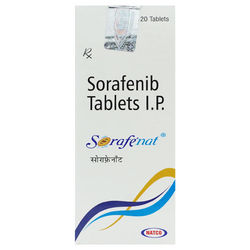
Sorafenat 200 mg Tablet 120's



₹8880
 ₹1332.0Cashback (15%)
(Inclusive of all Taxes)
₹6990 with coupons & bank offers*
 Offers & Discounts
Get Free delivery (₹99) with


Delivery Information
More about the Product
Composition :
Manufacturer/Marketer :
Consume Type :
Expires on or after :
Return Policy :
About Sorafenat 200 mg Tablet
Sorafenat 200 mg Tablet is a prescription medication used to treat certain types of advanced cancers, including liver cancer, kidney cancer, and thyroid cancer. It works by targeting specific proteins that help cancer cells grow and multiply, as well as blocking the growth of new blood vessels that feed tumours. This helps slow down or stop the spread of the disease.
To get the best results, you must take Sorafenat 200 mg Tablet regularly at the exact times prescribed by your doctor. It is typically taken twice a day on an empty stomach, either one hour before eating or two hours after a meal. Maintaining a balanced diet and staying well-hydrated can help your body manage the treatment better.
Some people may experience side effects like skin reactions on the hands and feet, diarrhoea, or feeling very tired. If you experience severe chest pain, unusual bleeding, or sudden swelling, contact your doctor immediately.
Do not take this medicine if you are pregnant, planning to become pregnant, or are allergic to any of its ingredients. Before starting, talk to your doctor if you have a history of high blood pressure, heart problems, bleeding issues, or liver disease.
Sorafenat 200 mg Tablet can interact with blood thinners and certain anti-seizure medications, which may increase your risk of severe side effects. It is also important to avoid smoking and limit alcohol, as these can put extra stress on your liver. If you are breastfeeding or are an older adult, consult your doctor to ensure this medication is safe for you.
Uses of Sorafenat 200 mg Tablet
Sorafenat 200 mg Tablet is prescribed to treat certain types of advanced cancers. Common uses include:
- Advanced Kidney Cancer: Sorafenat 200 mg Tablet helps treat advanced renal cell carcinoma by slowing down the growth of cancer cells in the kidneys when other treatments have not worked.
- Advanced Liver Cancer: It is prescribed for hepatocellular carcinoma that cannot be removed by surgery, helping to delay the progression of the disease.
- Differentiated Thyroid Cancer: It treats advanced thyroid cancer that has progressed and no longer responds to radioactive iodine therapy.
Key Benefits
Sorafenat 200 mg Tablet is a targeted anticancer medicine that helps slow the growth and spread of certain cancers by blocking signals that cancer cells need to grow and by reducing the formation of new blood vessels that supply tumours.
- Slows Cancer Growth: Helps block the signals that promote the growth and multiplication of cancer cells.
- Reduces Tumour Blood Supply: Prevents the formation of new blood vessels that nourish tumours, helping slow tumour growth.
- Helps Control Disease Progression: Regular treatment may help delay the progression of certain advanced cancers and improve disease control.
- Relieves Cancer-Related Symptoms: By slowing tumour growth, it may help reduce symptoms caused by tumour size or pressure, improving daily comfort.
- Supports Long-Term Cancer Management: When taken as prescribed, it helps improve treatment outcomes and may extend survival in eligible patients with advanced cancers.
- Inform Your Doctor: Notify your doctor immediately about your diarrhoea symptoms. This allows them to adjust your medication or provide guidance on managing side effects.
- Stay Hydrated: Drink plenty of fluids to replace lost water and electrolytes. Choose water, clear broth, and electrolyte-rich drinks. Avoid carbonated or caffeinated beverages to effectively rehydrate your body.
- Follow a Bland Diet: Eat easy-to-digest foods to help firm up your stool and settle your stomach. Try incorporating bananas, rice, applesauce, toast, plain crackers, and boiled vegetables into your diet.
- Avoid Trigger Foods: Steer clear of foods that can worsen diarrhoea, such as spicy, fatty, or greasy foods, high-fibre foods, and dairy products (especially if you're lactose intolerant).
- Practice Good Hygiene: Maintain good hygiene to prevent the spread of infection. To stay healthy, wash your hands frequently, clean and disinfect surfaces regularly, and avoid exchanging personal belongings with others.
- Take Anti-Diarrheal Medications: If your doctor advises, anti-diarrheal medications such as loperamide might help manage diarrhoea symptoms. Always follow your doctor's directions.
- Keep track of your diarrhoea symptoms. If they don't get better or worse or are accompanied by severe stomach pain, blood, or dehydration signs (like extreme thirst or dark urine), seek medical help.
- Inform your doctor about the nausea and discuss possible alternatives to the medication or adjustments to the dosage.
- Divide your daily food intake into smaller, more frequent meals to reduce nausea.
- Opt for bland, easily digestible foods like crackers, toast, plain rice, bananas, and applesauce.
- Avoid certain foods that can trigger nausea, such as fatty, greasy, spicy, and smelly foods.
- Drink plenty of fluids, such as water, clear broth, or electrolyte-rich beverages like coconut water or sports drinks.
- Use ginger (tea, ale, or candies) to help relieve nausea.
- Get adequate rest and also avoid strenuous activities that can worsen nausea.
- Talk to your doctor about taking anti-nausea medication if your nausea is severe.
- Record when your nausea occurs, what triggers it, and what provides relief to help you identify patterns and manage your symptoms more effectively.
- Preventing Vomiting (Before it Happens)
- Take medication exactly as prescribed by your doctor. This can help minimize side effects, including vomiting.
- Having a small meal before taking your medication can help reduce nausea and vomiting.
- Talk to your doctor about taking anti-nausea medication along with your prescribed medication.
- Managing Vomiting (If it Happens)
- Try taking ginger in the form of tea, ale, or candy to help alleviate nausea and vomiting.
- What to Do if Vomiting Persists
- Consult your doctor if vomiting continues or worsens, consult the doctor for guidance on adjusting your medication or additional treatment.
- Inform your doctor about your constipation symptoms. They may adjust your medication or advise alternative treatments.
- Stay hydrated by drinking sufficient of water (at least 8-10 glasses a day) to help soften stool and promote bowel movements.
- Increase fibre intake by eating foods high in fibre, such as fruits, whole grains, vegetables and legumes, to help bulk up the stool.
- Establish a bowel routine by trying to go to the bathroom at the same time each day to train your bowels.
- Engaging in regular exercise, like walking or yoga, can support in bowel movement stimulation.
- Consult your doctor if constipation persists, and discuss alternative treatments or adjustments to your medication.
- Drink water or other clear fluids.
- To prevent worsening of pain, limit intake of tea, coffee, or alcohol.
- Include bland foods like rice, toast, crackers, and rice in your diet.
- Avoid lying down immediately after eating as it may cause indigestion or heartburn.
- Avoid acidic and spicy food as it may cause indigestion.
- Report the itching to your doctor immediately; they may need to change your medication or dosage.
- Use a cool, damp cloth on the itchy area to help soothe and calm the skin, reducing itching and inflammation.
- Keep your skin hydrated and healthy with gentle, fragrance-free moisturizers.
- Try not to scratch, as this can worsen the itching and irritate your skin.
- If your doctor prescribes, you can take oral medications or apply topical creams or ointments to help relieve itching.
- Track your itching symptoms and follow your doctor's guidance to adjust your treatment plan if needed. If the itching persists, consult your doctor for further advice.
- Apply moisturizer immediately after showering or bathing.
- Use a moisturizer containing lanolin, petroleum jelly, glycerine, hyaluronic acid or jojoba oil.
- Do not use hot water for bathing. Instead use warm water and limit showers and bath to 5 to 10 minutes.
- Apply a sunscreen with SPF-30 or higher.
- Avoid harsh soaps, detergents and perfumes.
- Do not scratch or rub the skin.
- Drink adequate water to prevent dehydration.
- Wear pants, full sleeves and a wide-brimmed hat while going out in the sun.
Directions for Use
- Take Sorafenat 200 mg Tablet without food on an empty stomach, at least 1 to 2 hours before a meal.
- Follow your doctor’s recommendations on the dosage and timing of this medication to achieve optimal results.
- Swallow it as a whole with a glass of water.
- Do not crush, chew, or break it.
How Sorafenat 200 mg Tablet Works

Alcohol
Unsafe
You are recommended to avoid alcohol consumption with Sorafenat 200 mg Tablet as it may increase the risk of side effects such as dizziness, drowsiness, or difficulty in concentrating.

Pregnancy
Unsafe
Sorafenat 200 mg Tablet is restricted to use in pregnancy. A woman needs to have a negative pregnancy test before starting treatment with this medicine. It is better to use effective birth control methods to prevent pregnancy while taking this medicine or for at least 6 months after taking the last dose of Sorafenat 200 mg Tablet .

Breast Feeding
Unsafe
Sorafenat 200 mg Tablet should not be taken by breastfeeding mothers as it passes into breast milk and may cause a possible risk to the infant.

Driving
Caution
It is not known if Sorafenat 200 mg Tablet may affect your driving ability or not.

Liver
Safe if prescribed
Sorafenat 200 mg Tablet is safe to take by patients dealing with liver cancer as prescribed by their doctor. The dose may be adjusted by the doctor according to the medical condition of the patient.

Kidney
Safe if prescribed
Sorafenat 200 mg Tablet is safe to take by patients dealing with kidney cancer as prescribed by their doctor. The dose may be adjusted by the doctor according to the medical condition of the patient.

Children
Caution
Sorafenat 200 mg Tablet is not recommended for children below 18 years as the safety and effectiveness were not established.

Heart
Caution
Sorafenat 200 mg Tablet should be taken with caution in patients with heart problems. Please inform your doctor about any existing heart problems before using Sorafenat 200 mg Tablet .

Geriatrics
Caution
Sorafenat 200 mg Tablet can be given in elderly patients with extreme caution and only if prescribed by the doctor.
What if I have taken an overdose of Sorafenat 200 mg Tablet
Diet & Lifestyle Advise
- Protect your skin: To prevent or manage hand-foot skin reactions, use thick, alcohol-free moisturising creams regularly. Avoid hot water, tight-fitting shoes, and heavy friction on your hands and feet.
- Manage diarrhoea: Stay hydrated by drinking plenty of clear fluids like water, broth, or electrolyte solutions. Eat small, frequent meals consisting of low-fibre foods like bananas, rice, and toast if you experience bowel changes.
- Avoid high-fat meals: Take your medication on an empty stomach. High-fat meals can significantly lower the absorption of the medicine, making it less effective.
- Monitor blood pressure: This medicine can raise your blood pressure. Check your blood pressure regularly at home and keep a log for your doctor.

Have a query?
How Soon It Starts Working
The time required for Sorafenat 200 mg Tablet to start to work: The time required for Sorafenat 200 mg Tablet to show its action is unknown. The time for which the effects of Sorafenat 200 mg Tablet last: The duration of action for Sorafenat 200 mg Tablet is unknown.
What if you forget to take Sorafenat 200 mg Tablet
Storage
Drug Warnings
- Check your skin daily: Inspect your hands and feet every day for redness, peeling, or tenderness, and report any changes to your doctor immediately.
- Watch for bleeding: Be cautious when using sharp objects, brushing your teeth, or shaving, as this medicine can make you bleed more easily.
- Use effective birth control: Both men and women should use highly effective birth control during treatment and for at least 2 weeks after the final dose to prevent pregnancy.
- Check for wound healing issues: Inform your doctor if you have any upcoming surgeries or dental procedures. You may need to stop taking Sorafenat 200 mg Tablet temporarily, as it can interfere with how your body heals wounds.
Drug-Drug Interactions


Drug-Drug Interaction Summary:
Sorafenat 200 mg Tablet may interact with certain medicines. Inform your doctor if you are taking any of the following:
- Blood thinners: Taking this medicine with anticoagulants (like warfarin) can significantly increase your risk of serious bleeding.
- Certain anti-seizure medications: Drugs like phenytoin or carbamazepine can speed up how your body processes Sorafenat 200 mg Tablet , making it less effective.
- Chemotherapy drugs: Combining this medicine with certain other cancer treatments (like doxorubicin or docetaxel) may increase the levels of those drugs in your body, raising the risk of side effects.
Drug-Drug Interactions
Login/Sign Up
Using mesoridazine together with Sorafenat 200 mg Tablet can increase the risk of an irregular heart rhythm.
How to manage the interaction:
Taking Mesoridazine with Sorafenat 200 mg Tablet can cause an interaction, please consult a doctor before taking it. However, if you experience dizziness, lightheadedness, fainting, shortness of breath, or heart palpitations call a doctor. Do not stop using any medications without consulting a doctor.
Using Pimozide together with Sorafenat 200 mg Tablet can increase the risk of an irregular heart rhythm.
How to manage the interaction:
Taking Sorafenat 200 mg Tablet with Pimozide can cause an interaction, consult a doctor before taking it. You should seek immediate medical attention if you develop sudden dizziness, lightheadedness, fainting, shortness of breath, or heart palpitations. Do not stop using any medications without talking to a doctor.
Co-administration of Sorafenat 200 mg Tablet with Carboplatin can increase the risk or severity of serious side effects.
How to manage the interaction:
Taking Sorafenat 200 mg Tablet with Carboplatin together is not recommended as it can cause an interaction, consult a doctor before taking it. However if you experience any unusual symptoms, consult the doctor. Do not stop using any medications without consulting a doctor.
Coadministration of Sorafenat 200 mg Tablet with Sparfloxacin can prolong the QT interval (QT interval is a measurement made on an electrocardiogram used to assess some of the electrical properties of the heart) may result in additive effects and increased risk of ventricular arrhythmias (abnormal heart rhythm).
How to manage the interaction:
Co-administration of Sumatriptan with Sparfloxacin can result in an interaction, but it can be taken if a doctor has advised it. Do not stop using any medications without talking to a doctor.
Using thioridazine together with Sorafenat 200 mg Tablet can increase the risk of an irregular heart rhythm.
How to manage the interaction:
Taking Sorafenat 200 mg Tablet with Thioridazine together is not recommended as it can cause an interaction, consult a doctor before taking it. You should seek immediate medical attention if you develop sudden dizziness, lightheadedness, fainting, shortness of breath, or heart palpitations. Do not stop using any medications without talking to a doctor.
Using dronedarone together with Sorafenat 200 mg Tablet can increase the risk of an irregular heart rhythm. The risk increases in patients with a history of heart illness or electrolyte imbalance.
How to manage the interaction:
Taking Sorafenat 200 mg Tablet with Dronedarone is generally avoided as it can cause an interaction, consult a doctor before taking it. However, if you experience dizziness, lightheadedness, fainting, shortness of breath, or heart palpitations call a doctor. Do not stop using any medications without consulting a doctor.
Using saquinavir together with Sorafenat 200 mg Tablet can increase the risk of an irregular heart rhythm.
How to manage the interaction:
Although Sorafenat 200 mg Tablet and Saquinavir is not recommended as it leads to an interaction, contact a doctor before you take Sorafenat 200 mg Tablet. You should seek immediate medical attention if you develop sudden dizziness, lightheadedness, fainting, shortness of breath, or heart palpitations. Do not stop using any medications without talking to a doctor.
Co-administration of Sorafenat 200 mg Tablet with Ziprasidone can increase the risk of irregular heart rhythm.
How to manage the interaction:
Taking Sorafenat 200 mg Tablet with Ziprasidone together can result in an interaction, but it can be taken if a doctor has advised it. However, consult a doctor immediately if you experience any symptoms such as sudden dizziness, lightheadedness, fainting, shortness of breath, or heart palpitations. Do not discontinue any medications without consulting a doctor.
Taking Sorafenat 200 mg Tablet with Efavirenz can increase the risk or severity of irregular heart rhythms. The risk increases in patients with a history of heart illness or electrolyte imbalance.
How to manage the interaction:
Taking Sorafenat 200 mg Tablet with Efavirenz together can result in an interaction, it can be taken if your doctor has advised it. However, if you experience sudden dizziness, lightheadedness, fainting, shortness of breath, chest pain or tightness, rapid heartbeat, contact a doctor immediately. Do not discontinue any medications without consulting a doctor.
Sorafenat 200 mg Tablet may increase the blood levels of edoxaban and increase the risk of serious bleeding complications.
How to manage the interaction:
Taking Edoxaban with Sorafenat 200 mg Tablet together can result in an interaction, it can be taken if your doctor has advised it. However, if you experience unusual bleeding or bruising, dizziness, lightheadedness, red or black, tarry stools, coughing up or vomiting fresh or dried blood that looks like coffee grounds, severe headache, and weakness, contact a doctor immediately. Do not discontinue any medications without consulting a doctor.
Drug-Food Interactions
Drug-Food Interaction Summary:
Certain foods and beverages may affect how Sorafenat 200 mg Tablet works. Inform your doctor if you regularly consume any of the following:
- Grapefruit and grapefruit juice: Grapefruit can interfere with how your body breaks down this medication, leading to higher levels in your blood and increasing the risk of severe side effects.
- High-fat foods: Eating high-fat meals right before or after taking this medicine can decrease its absorption and reduce its effectiveness.
Drug-Food Interactions
Login/Sign Up
Frozen Meals, Cheese, Red Meat, Potato Chips, Hamburgers, Hot Dogs, Ice Cream
How to manage the interaction:
Food may reduce the oral absorption and bioavailability of Sorafenat 200 mg Tablet. Avoid taking Sorafenat 200 mg Tablet with high fat foods.

All Substitutes & Brand Comparisons


FAQs
Disclaimer
Author Details


Reference
- U.S. Food and Drug Administration (FDA). 021923S008S009Lbl [FDA Prescribing Information]. Silver Spring, MD: FDA; 2024. [Accessed on 02 Jun. 2026]Check here
- Drugs.com Clinical Review Team. Nexavar Clinical Drug Monograph. Auckland, NZ: Drugs.com; 2026. [Accessed on 02 Jun. 2026]Check here
- Sorafenib tosilate. 2006. [Accessed on 27 Mar. 2019]Check here
- Sorafenib. National Institute of Health. NLM. National Centre for Biotechnology Information. PubChem Compound Summary. 2004. [Accessed on 26th June 2022]Check here
- Ali Ben Mousa. Sorafenib in the Treatment of Advanced Hepatocellular Carcinoma. NIH. National Library of Medicine. National Center for Biotechnology Information. The Saudi Journal of Gastroenterology. January 2008. [Accessed on 26th July 2022]Check here
- Remedica Ltd. Sorafenib Tosylate. Electronic Medicines Compendium (EMC). [Revised in April 2022] [Accessed on 26th July 2022]Check here
- Bayer health care. Sorafenib Tosylate. U.S. Food & Drug Administration (FDA). [Revised in December 2018] [Accessed on 26th July 2022] docs/label/2018/021923s020lbl.pdfCheck here
Country of origin
Manufacturer/Marketer address
Therapeutic Class
Habit Forming

