As a parent, seeing your child in pain from a tummy ache, growing pains, or a minor sports injury is heartbreaking. You naturally want to offer immediate comfort and relief. We often turn to heat therapy for ourselves, but you might wonder, is a heating belt for kids actually safe?. The answer is yes, but with significant precautions and specific guidelines that differ from adult use. Children have thinner, more sensitive skin and may not always be able to communicate if something feels too hot. This guide acts as a supportive hand, walking you through exactly how to use a heating pad for children effectively and safely. We will explore the right timing, temperature settings, and comfort tips to ensure your little one feels better without any risk.
Using Heating Belts Safely for Children: Parent’s Guide
Is a heating belt for kids safe? Learn the essential rules for using a heating pad for children. Discover temperature guides, precautions, and the best brands for safe pain relief.
Apollo Pharmacy
Recognizing the Right Time (When to Use)
Heat therapy is not a cure-all for every childhood ailment, but it is excellent for specific types of discomfort. Knowing when to reach for a heating belt for kids ensures you are treating the right problem.
- Growing Pains: Many children aged 3 to 12 experience throbbing aches in their legs, usually in the evening or at night. Gentle warmth can soothe these muscles and help them sleep.
- Sports Injuries (After 48 Hours): For older active kids with muscle strains, heat is beneficial after the initial swelling has gone down (usually 48 hours post-injury). It helps relax the tight muscles and improve flexibility.
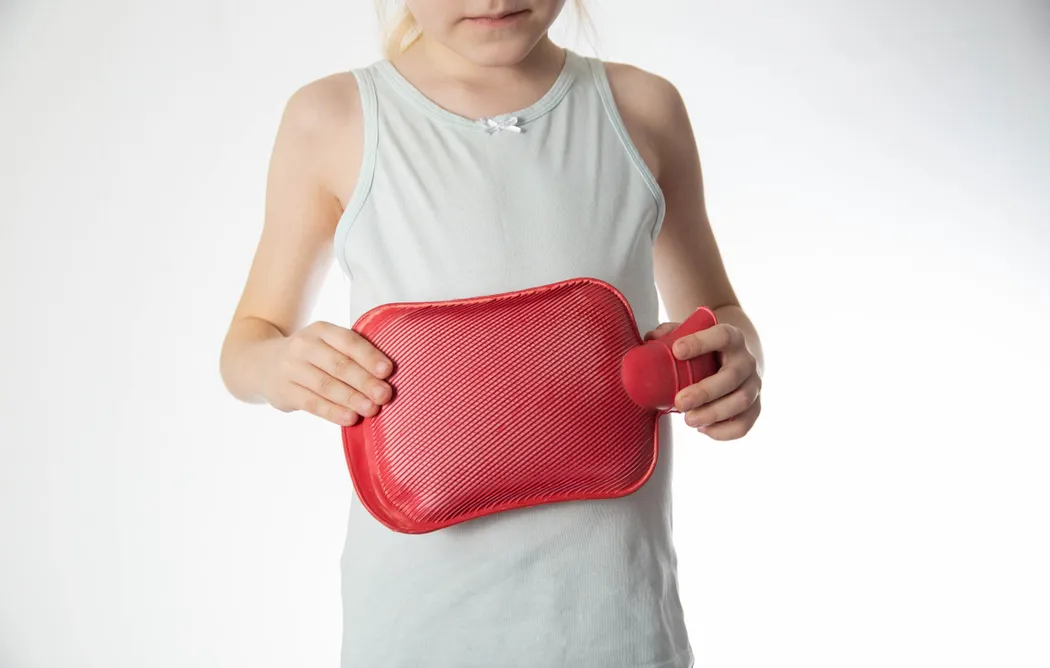
- Stomach Aches and Gas: A mild, warm heating pad for children can work wonders for non-serious tummy aches caused by gas or constipation. The warmth relaxes the cramping gut muscles.
- Menstrual Cramps: For teenagers just starting their cycle, a heating belt is often the most effective non-medicinal way to manage period pain.
- Stress and Anxiety: Sometimes, the gentle weight and warmth of a heating pad can simply be comforting for an anxious child, acting like a warm hug.
- Avoid Acute Injuries: Never use heat on a fresh bruise, actively swelling sprain, or open wound, as heat will increase bleeding and swelling.
Setting the Dial Correctly (Temperature Guide)
The most critical safety factor when using a heating belt for kids is temperature control. A setting that feels "warm" to you might feel "burning" to a child.
- Always Start on Low: Regardless of the device, always begin on the lowest possible setting. For many children, the "Low" setting provides ample therapeutic benefit without the risk.
- The "Inside of Wrist" Test: Before placing the device on your child, test the temperature against the sensitive skin on the inside of your own wrist or forearm. If it feels hot rather than just pleasantly warm, it is too hot for a heating pad for children.
- Limit the Time: Unlike adults who might soak up heat for an hour, limit your child's session to 10-15 minutes maximum at a time. Take a break of at least an hour before reapplying.
- Never Use "High": There is rarely a medical need to use the "High" setting on a child. The risk of accidental burns is simply too high with intense heat.
- Monitor Skin Changes: Lift the pad every few minutes to check the skin underneath. If the skin looks bright red or blotchy, remove the heat immediately.
Choosing the Right Product (Best Brands)
Not all heating devices are created equal, especially when safety is the priority for a heating belt for kids. Look for specific features that safeguard your child.
- Flamingo Orthopaedic Heat Belt (Mini): This brand is widely trusted in India for its safety features. The "Mini" size is often better suited for smaller bodies than the large lumbar belts.
- Vissco Heating Pad: Known for durable insulation and consistent heating. Their electronic controllers are generally reliable, which is crucial when using a heating pad for children.
- Beurer Heating Pads: While premium, these often come with an "Auto-Shutoff" feature that turns the device off after 90 minutes. This fail-safe is excellent for busy parents.
- Microwavable Gel Packs: As an alternative to electric belts, these minimize the risk of electric shock and naturally cool down over time, preventing prolonged overheating.
- Look for Layers: Choose a belt that comes with a thick, soft, washable fabric cover. This ensures there is never direct contact between the heating element and the skin.
Safety First, Always (Precautions)
Using a heating belt for kids requires a higher level of vigilance than adult use. These non-negotiable rules keep your child safe.
- Zero Sleeping Policy: Never, under any circumstances, let a child fall asleep with a heating belt turned on. If they are drowsy, remove the device immediately.
- The Barrier Rule: Always place a layer of clothing or a thin towel between the heating pad for children and their skin. Direct contact is the leading cause of burns.
- Constant Supervision: Do not leave a young child alone in a room with an active heating device. You need to be present to ensure they don't play with the cord or settings.
- Check for Defects: Before every use, inspect the wire for fraying, cracks, or exposed metal. Discard any device that shows signs of wear and tear immediately.
- Avoid on Infants: Do not use electric heating belts on infants or toddlers who cannot communicate "too hot" or move the device away themselves.
- Water Safety: Ensure the child is not wet, sweating excessively, or drinking liquids that could spill on the electric heating belt for kids. Electricity and water are a dangerous mix.
Making It a Positive Experience (Child Comfort Tips)
The goal of using a heating pad for children is comfort, so the experience should be relaxing, not scary or restrictive.
- Create a "Cozy Station": Set them up with pillows and their favorite blanket (away from the heat source) to make the treatment feel like a special rest time.
- Use Distraction: Read a book to them, tell a story, or let them watch a favorite show during the 15-minute session. Distraction keeps them still without feeling trapped.
- Stay Close and Cuddle: Sit right next to them or hold their hand. Your presence reduces anxiety and allows you to monitor the heating belt for kids continuously.
- Explain the "Why": Gently explain that the "magic warm belt" is going to help their tummy or leg feel better. Understanding the purpose helps them cooperate.
- Let Them Control (with Supervision): If the child is older, let them hold the controller (with you watching) so they feel in charge of their own body.
- Hydration: Offer a glass of water after the session, as heat can sometimes make kids feel a little thirsty or flushed.
Conclusion
A heating belt for kids can be a wonderful tool in your parenting first-aid kit when used responsibly. By prioritizing low temperatures, using protective barriers, and maintaining constant supervision, you can safely provide the soothing relief your child needs. Remember that a heating pad for children is for temporary symptom relief; if pain persists, always consult your pediatrician. Trust your instincts, follow the safety rules, and help your child feel better with the gentle power of warmth.


