apollo
0
  1. Home
  2. Medicine
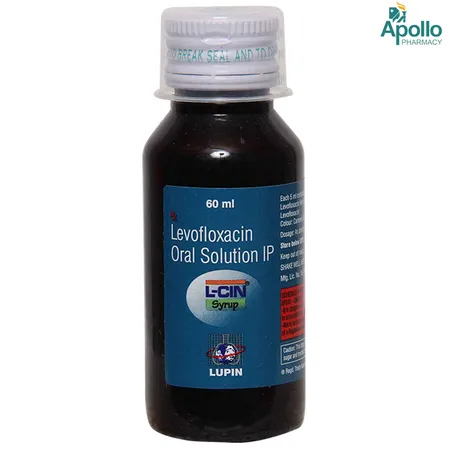
  3. L-Cin Syrup 60 ml

Prescription drug
 Trailing icon
Write a Review
coupon
coupon
coupon
Extra 15% Off with Bank Offers
Reviewed By Santoshini Reddy G , M Pharmacy

L-Cin Syrup is used to treat various bacterial infections in children. It contains levofloxacin, which stops the process of bacterial multiplication and thus kills bacteria. It may cause common side effects, such as nausea, vomiting, diarrhoea, and headache. Before taking this medicine, inform the doctor if the child is taking any other medication or has any pre-existing medical conditions.

Read more

Have a query?

Side effects of L-Cin Syrup 60 ml
Overcome Medication-Induced Nausea: A 9-Step Plan
  • Inform your doctor about the nausea and discuss possible alternatives to the medication or adjustments to the dosage.
  • Divide your daily food intake into smaller, more frequent meals to reduce nausea.
  • Opt for bland, easily digestible foods like crackers, toast, plain rice, bananas, and applesauce.
  • Avoid certain foods that can trigger nausea, such as fatty, greasy, spicy, and smelly foods.
  • Drink plenty of fluids, such as water, clear broth, or electrolyte-rich beverages like coconut water or sports drinks.
  • Use ginger (tea, ale, or candies) to help relieve nausea.
  • Get adequate rest and also avoid strenuous activities that can worsen nausea.
  • Talk to your doctor about taking anti-nausea medication if your nausea is severe.
  • Record when your nausea occurs, what triggers it, and what provides relief to help you identify patterns and manage your symptoms more effectively.
Dealing with Medication-Induced Headache:
  • Hydrate your body: Drink enough water to prevent dehydration and headaches.
  • Calm Your Mind: Deep breathing and meditation can help you relax and relieve stress.
  • Rest and Recharge: Sleep for 7-8 hours to reduce headache triggers.
  • Take rest: lie down in a quiet, dark environment.
  • Cold or warm compresses can help reduce tension.
  • Stay Upright: Maintain good posture to keep symptoms from getting worse.
  • To treat headaches naturally, try acupuncture or massage therapy.
  • Over-the-counter pain relievers include acetaminophen and ibuprofen.
  • Prescription Assistance: Speak with your doctor about more substantial drug alternatives.
  • Severe Headaches: Seek emergency medical assistance for sudden, severe headaches.
  • Frequent Headaches: If you get reoccurring headaches, consult your doctor.
  • Headaches with Symptoms: Seek medical attention if your headaches include fever, disorientation, or weakness.
Here are the 7 step-by-step strategies to manage the side effect of "inability to sleep" caused by medication usage:
  • Prepare for a restful night's sleep: Develop a calming pre-sleep routine, like reading or meditation, to help your body relax and prepare for sleep.
  • Create a sleep-conducive Environment: Make bedroom a sleep haven by ensuring it is quiet, dark and calm.
  • Follow a Sleep Schedule: Go to bed and get up at the same time every day to help regulate your body's internal clock and increase sleep quality.
  • Try relaxing techniques like deep breathing, mindfulness meditation and any others.
  • Limit stimulating activities before bedtime: Avoid stimulating activities before bedtime to improve sleep quality.
  • Monitor Progress: Keep track of your sleep patterns to identify areas for improvement.
  • Consult a doctor if needed: If these steps don't improve your sleep, consult a doctor for further guidance and therapy.
Here are the 7 steps to manage Dizziness caused by medication:
  • Inform your doctor about dizziness symptoms. They may adjust your medication regimen or prescribe additional medications to manage symptoms.
  • Follow your doctor's instructions for taking medication, and take it at the same time every day to minimize dizziness.
  • When standing up, do so slowly and carefully to avoid sudden dizziness.
  • Avoid making sudden movements, such as turning or bending quickly, which can exacerbate dizziness.
  • Drink plenty of water throughout the day to stay hydrated and help alleviate dizziness symptoms.
  • If you're feeling dizzy, sit or lie down and rest until the dizziness passes.
  • Track when dizziness occurs and any factors that may trigger it, and share this information with your doctor to help manage symptoms.
Here are the step-by-step strategies to manage the side effects of "indigestion" caused by medication usage:
  • Take medications with food (if recommended): It can help prevent stomach distress and indigestion.
  • Eat smaller, more frequent meals: Divide daily food intake into smaller, more frequent meals to ease digestion.
  • Avoid trigger foods: Identify and avoid foods that trigger indigestion, such as spicy, fatty, or acidic foods.
  • Stay upright after eating: Sit or stand upright for at least 1-2 hours after eating to prevent stomach acid from flowing into the oesophagus.
  • Avoid carbonated drinks: Avoid drinking carbonated beverages, such as soda or beer, which can worsen indigestion.
  • Manage stress: To alleviate indigestion, engage in stress-reducing activities like deep breathing exercises or meditation.
  • Consult a doctor if needed: If indigestion worsens or persists, consult a healthcare professional to adjust the medication regimen or explore alternative treatments.
  • Skin rash caused by allergies is due to irritants or allergens. Therefore, avoid contact with such irritants.
  • Consult your doctor for proper medication and apply an anti-itch medication. Follow the schedule and use the medication whenever needed.
  • Protect your skin from extreme heat and try to apply wet compresses.
  • Soak in the cool bath, which gives a soothing impact to the affected area.
  • Inflammation of Vagina needs immediate attention and cannot be ignored.
  • Get a physical examination and prevent wearing clothes that can hold heat and moisture.
  • Avoid using vaginal sprays or perfumed soaps that increase itching and irritation.
  • Follow your doctor's instructions, and rest well with proper medication.
  • Take a balanced diet and get regular screenings to reduce inflammation.

Drug-Drug Interactions

verifiedApollotooltip

Drug-Drug Interactions

Login/Sign Up

How does the drug interact with L-Cin Syrup 60 ml:
The combination of Amiodarone and L-Cin Syrup 60 ml may significantly raise the risk of an abnormal heart rhythm.

How to manage the interaction:
Despite the fact that Amiodarone and L-Cin Syrup 60 ml interact, it can be taken if prescribed by a doctor. If you get dizziness, lightheadedness, fainting, or fast or racing heartbeats, consult a doctor. Do not stop taking any medications without visiting a doctor.
How does the drug interact with L-Cin Syrup 60 ml:
Taking L-Cin Syrup 60 ml with Ziprasidone can increase the risk of abnormal heart rhythm.

How to manage the interaction:
Taking L-Cin Syrup 60 ml with Ziprasidone is not recommended, but it can be taken together if prescribed by a doctor. However, consult your doctor if you experience sudden dizziness, lightheadedness, fainting, shortness of breath. Do not discontinue any medications without consulting a doctor.
How does the drug interact with L-Cin Syrup 60 ml:
Combining L-Cin Syrup 60 ml with Disopyramide can increase the risk of irregular heart rhythm .

How to manage the interaction:
Taking L-Cin Syrup 60 ml with Disopyramide is not recommended, as it can result in an interaction, it can be taken if your doctor has advised it. However, if you experience any symptoms like sudden dizziness, lightheadedness, fainting, or fast or pounding heartbeats, contact your doctor immediately. Do not discontinue any medications without first consulting your doctor.
How does the drug interact with L-Cin Syrup 60 ml:
Using sotalol together with L-Cin Syrup 60 ml can increase the risk of an irregular heart rhythm that may be serious. The risk increases in patients with a history of heart illness or electrolyte imbalance.

How to manage the interaction:
Taking L-Cin Syrup 60 ml with Sotalol is generally avoided as it can result in an interaction, it can be taken if your doctor has advised it. If you experience sudden dizziness, lightheadedness, fainting, or fast or pounding heartbeats, contact a doctor immediately. Do not discontinue any medications without consulting a doctor.
LevofloxacinFerrous gluconate
Severe
How does the drug interact with L-Cin Syrup 60 ml:
Coadministration of L-Cin Syrup 60 ml and Ferrous gluconate may interfere with the absorption of L-Cin Syrup 60 ml into the bloodstream and reduce its effectiveness.

How to manage the interaction:
Taking Ferrous gluconate with L-Cin Syrup 60 ml together can result in an interaction, but it can be taken if a doctor has advised it. Do not stop using any medications without talking to a doctor.
LevofloxacinMipomersen
Severe
How does the drug interact with L-Cin Syrup 60 ml:
Coadministration of L-Cin Syrup 60 ml and Mipomersen may increase the risk of liver problems.

How to manage the interaction:
Taking L-Cin Syrup 60 ml with Mipomersen together can result in an interaction, but it can be taken if a doctor has advised it. If you have any of these symptoms - fever, chills, joint pain, swelling, bruising, skin rash, itching, loss of appetite, fatigue, nausea, vomiting, abdominal pain, bleeding or liver damage - make sure to contact a doctor right away. Do not discontinue any medications without consulting a doctor.
How does the drug interact with L-Cin Syrup 60 ml:
Taking L-Cin Syrup 60 ml with Glipizide may affect blood glucose levels. Both high blood sugar levels or and, less frequently, low blood glucose have been reported.

How to manage the interaction:
Although there is a possible interaction Glipizide can be taken with L-Cin Syrup 60 ml if prescribed by the doctor. Consult the prescriber if you experience dizziness, drowsiness, headache, nervousness, confusion, tremors, nausea, hunger, weakness, perspiration, palpitation, and rapid heartbeat, increased urination, increased thirst, or increased hunger. Monitoring of blood glucose levels is advised. Do not discontinue the medications without consulting a doctor.
How does the drug interact with L-Cin Syrup 60 ml:
Coadministration of L-Cin Syrup 60 ml with ivabradine increases the risk of an abnormal heart rhythm.

How to manage the interaction:
Although Concomitant administration of L-Cin Syrup 60 ml with ivabradine can result in an interaction, it can be taken if a doctor has advised it. However, if you experience abrupt dizziness, lightheadedness, fainting, shortness of breath, or rapid heartbeat, get medical help immediately. Do not discontinue any medications without consulting a doctor.
LevofloxacinVandetanib
Severe
How does the drug interact with L-Cin Syrup 60 ml:
Although it is a very rare adverse effect, taking L-Cin Syrup 60 ml with Vandetanib increases the risk of an abnormal heart rhythm. If you're dealing with other heart illnesses, electrolyte imbalances (for example, magnesium or potassium loss likely due to serious or prolonged diarrhea or vomiting), you may be at greater risk.

How to manage the interaction:
Although concomitant administration of L-Cin Syrup 60 ml with Vandetanib can possibly result in an interaction, it can be taken if your doctor has advised it. However, if you experience abrupt dizziness, lightheadedness, fainting, shortness of breath, or rapid heartbeat, get medical help immediately. Do not discontinue any medications without consulting a doctor.
How does the drug interact with L-Cin Syrup 60 ml:
Co-administration of Glimepiride with L-Cin Syrup 60 ml can affect blood glucose levels. Both hyperglycemia (high blood glucose) and, less frequently, hypoglycemia (low blood glucose) have been reported.

How to manage the interaction:
Co-administration of L-Cin Syrup 60 ml with Glimepiride can result in an interaction, it can be taken if a doctor has advised it. Consult the prescriber if you experience dizziness, drowsiness, headache, nervousness, confusion, tremors, nausea, hunger, weakness, perspiration, palpitation, and rapid heartbeat, increased urination, increased thirst, or increased hunger. Monitoring of blood glucose levels is advised. Do not discontinue the medications without consulting a doctor.
Drug-Food Interactions

verifiedApollotooltip
No Drug - Food interactions found in our database. Some may be unknown. Consult your doctor for what to avoid during medication.

Drug-Food Interactions

Login/Sign Up

All Substitutes & Brand Comparisons

FAQs

Disclaimer

While we strive to provide complete, accurate, and expert-reviewed content on our 'Platform', we make no warranties or representations and disclaim all responsibility and liability for the completeness, accuracy, or reliability of the aforementioned content. The content on our platform is for informative purposes only, and may not cover all clinical/non-clinical aspects. Reliance on any information and subsequent action or inaction is solely at the user's risk, and we do not assume any responsibility for the same. The content on the Platform should not be considered or used as a substitute for professional and qualified medical advice. Please consult your doctor for any query pertaining to medicines, tests and/or diseases, as we support, and do not replace the doctor-patient relationship.

Author Details

Doctor imageWe provide you with authentic, trustworthy and relevant information

whatsapp Floating Button
Buy Now
Add to Cart