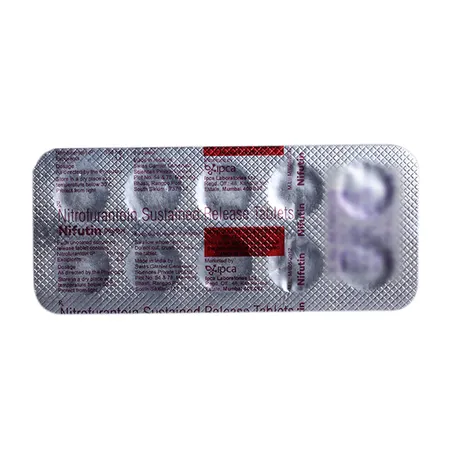
How does the drug interact with Nifutin Tablet:
Coadministration of Nifutin Tablet with Etidocaine may cause methemoglobinemia (a condition in which the iron in the hemoglobin molecule is defective, making it unable to carry oxygen effectively to the tissues).
How to manage the interaction:
Co-administration of Nifutin Tablet with Etidocaine can result in an interaction, but it can be taken if your doctor has advised it. If you have any of these symptoms, it's important to contact a doctor right away. These symptoms include a condition called methemoglobinemia, problems with your heart or lungs, your skin turning gray, feeling sick to your stomach, having a headache, feeling dizzy or lightheaded, being very tired, having trouble breathing, breathing quickly or not deeply enough, a fast heartbeat, feeling your heart pounding, feeling anxious or confused. Do not discontinue any medications without consulting a doctor.
How does the drug interact with Nifutin Tablet:
Combining Nifutin Tablet with Mepivacaine can increase the risk of methemoglobinemia (a condition in which the iron in the hemoglobin molecule is defective, making it unable to carry oxygen effectively to the tissues).
How to manage the interaction:
Although taking Nifutin Tablet and Mepivacaine together can cause an interaction, it can be taken if your doctor has suggested it. If you have any of these symptoms, it's important to contact a doctor right away: gray skin color, feeling sick, headache, feeling dizzy or lightheaded, tiredness, trouble breathing, fast or shallow breathing, a fast heartbeat, feeling your heart pounding, feeling anxious or confused. Do not discontinue any medications without consulting a doctor.
How does the drug interact with Nifutin Tablet:
Combining Nifutin Tablet with Sodium nitrite can increase the risk of methemoglobinemia (a condition in which the iron in the hemoglobin molecule is defective, making it unable to carry oxygen effectively to the tissues).
How to manage the interaction:
Taking Nifutin Tablet with Sodium nitrite together can result in an interaction, but it can be taken if your doctor has advised it. If you have any of these symptoms, it's important to contact a doctor right away if you experience gray skin color, nausea, a headache, feeling dizzy or lightheaded, being tired, having trouble breathing, having a fast or irregular heartbeat, and feeling anxious or confused. Do not discontinue any medications without consulting a doctor.
How does the drug interact with Nifutin Tablet:
Combining Nifutin Tablet with Chloroprocaine can increase the risk of methemoglobinemia (a condition in which the iron in the hemoglobin molecule is defective, making it unable to carry oxygen effectively to the tissues).
How to manage the interaction:
There may be a possibility of interaction between Nifutin Tablet and Chloroprocaine, but it can be taken if prescribed by a doctor. If you have any of these symptoms, it's important to contact a doctor right away: gray skin color, feeling sick, headache, feeling dizzy or lightheaded, tiredness, trouble breathing, fast or shallow breathing, a fast heartbeat, feeling your heart pounding, feeling anxious or confused. Do not stop using any medications without a doctor's advice.
How does the drug interact with Nifutin Tablet:
Coadministration of Nifutin Tablet with Teriflunomide can increase the risk or severity of liver damage.
How to manage the interaction:
Taking Nifutin Tablet with Teriflunomide together is generally avoided as it can result in an interaction, it can be taken if your doctor has advised it. However, if you notice any symptoms of fever, chills, joint pain or swelling, unusual bleeding or bruising, skin rash, itching, loss of appetite, fatigue, nausea, vomiting, abdominal pain, dark-colored urine, light-colored stools, and/or yellowing of the skin or eyes, you should contact a doctor immediately. Do not stop using any medications without talking to a doctor.
How does the drug interact with Nifutin Tablet:
Combining Nifutin Tablet with Procaine can increase the risk of methemoglobinemia (a condition in which the iron in the hemoglobin molecule (the red blood pigment) is defective, making it unable to carry oxygen effectively to the tissues).
How to manage the interaction:
Taking Nifutin Tablet with Procaine together can result in an interaction, but it can be taken if your doctor has advised it. If you have any of these symptoms, it's important to contact a doctor right away. These symptoms include gray skin color, feeling sick, having a headache, feeling dizzy or lightheaded, feeling tired, having trouble breathing, a fast or irregular heartbeat, and feeling anxious or confused. Do not discontinue any medications without consulting a doctor.
How does the drug interact with Nifutin Tablet:
Coadministration of Nifutin Tablet with leflunomide can increase the risk or severity of liver problems.
How to manage the interaction:
Although there is an interaction between Nifutin Tablet and leflunomide, they can be taken together if prescribed by a doctor. However, if you experience fever, chills, joint pain or swelling, unusual bleeding or bruising, skin rash, itching, less desire to eat, fatigue, nausea, vomiting, abdominal pain, or yellowing of the skin or eyes, contact a doctor immediately. Do not discontinue any medications without consulting a doctor.
How does the drug interact with Nifutin Tablet:
Taking Lidocaine with Nifutin Tablet may cause methemoglobinemia (blood disorder in which too little oxygen is delivered to your cells).
How to manage the interaction:
Taking Nifutin Tablet with Lidocaine together can result in an interaction, it can be taken if your doctor has advised it. However, if you notice any symptoms of gray discoloration of the skin, abnormal blood coloration, nausea, headache, dizziness, lightheadedness, weakness, shortness of breath, rapid or shallow breathing, a rapid heartbeat, palpitation, anxiety, or confusion, you should contact a doctor immediately. Do not stop using any medications without talking to a doctor.
How does the drug interact with Nifutin Tablet:
Combining Nifutin Tablet with Levobupivacaine can increase the risk of methemoglobinemia (a condition in which the iron in the hemoglobin molecule (the red blood pigment) is defective, making it unable to carry oxygen effectively to the tissues).
How to manage the interaction:
There may be a possibility of interaction between Nifutin Tablet and Levobupivacaine, but it can be taken if prescribed by a doctor. If you have any of these symptoms, it's important to contact a doctor right away. These symptoms include a condition called methemoglobinemia, problems with your heart or lungs, your skin turning gray, feeling sick to your stomach, having a headache, feeling dizzy or lightheaded, being very tired, having trouble breathing, breathing quickly or not deeply enough, a fast heartbeat, feeling your heart pounding, feeling anxious or confused. Do not stop using any medications without a doctor's advice.
How does the drug interact with Nifutin Tablet:
Combining Nifutin Tablet with Ropivacaine can increase the risk of methemoglobinemia (a condition in which the iron in the hemoglobin molecule (the red blood pigment) is defective, making it unable to carry oxygen effectively to the tissues).
How to manage the interaction:
Although there is a possible interaction between Nifutin Tablet and Ropivacaine, you can take these medicines together if prescribed by your doctor. If you have any of these symptoms, it's important to contact your doctor right away. These symptoms include gray discoloration of the skin, feeling sick, having a headache, feeling dizzy or lightheaded, feeling tired, having trouble breathing, a fast or irregular heartbeat, and feeling anxious or confused. Don't hesitate to reach out to a doctor if you experience any of these. Do not stop using any medications without a doctor's advice.