
0
Welcome User
Login/Sign Up

Login/Sign Up
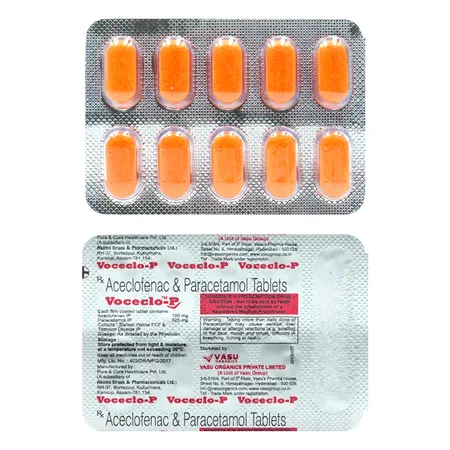
₹60
(Inclusive of all Taxes)
₹44 with coupons & bank offers*
Get Free delivery (₹99) with
असुरक्षित
आपको सलाह दी जाती है कि आप वोसेक्लो-पी टैबलेट 10's के साथ शराब न पिएँ, क्योंकि इसमें पैरासिटामोल (paracetamol) है। शराब और पैरासिटामोल का एक साथ सेवन आपके लिवर को गंभीर रूप से नुकसान पहुँचा सकता है।
कृपया अपने डॉक्टर से सलाह लें।
इस दवा का गर्भावस्था के दौरान उपयोग करना कितना सुरक्षित है, इस बारे में अभी पूरी जानकारी उपलब्ध नहीं है। इसलिए, गर्भावस्था में इसका उपयोग करने की सलाह नहीं दी जाती है, जब तक कि आपके डॉक्टर साहब इसे बहुत ज़रूरी न समझें।
कृपया अपने डॉक्टर से सलाह लें।
वोसेक्लो-पी टैबलेट 10's का उपयोग अपने डॉक्टर से सलाह लिए बिना नहीं करना चाहिए, यदि आप स्तनपान करा रही हैं। यह ज्ञात नहीं है कि यह दवा स्तन के दूध में जाती है या नहीं। स्तनपान के दौरान इसके उपयोग की सलाह नहीं दी जाती है, जब तक कि आपके डॉक्टर इसे आवश्यक न समझें।
असुरक्षित
वोसेक्लो-पी टैबलेट 10's के कारण आमतौर पर चक्कर आना, नींद आना और धुंधला दिखना जैसी समस्याएं हो सकती हैं, जिससे आपकी गाड़ी चलाने या मशीन चलाने की क्षमता प्रभावित हो सकती है। गाड़ी चलाने या मशीन चलाने से पहले, यह सुनिश्चित कर लें कि आपको ऐसी कोई परेशानी नहीं हो रही है।
सावधानी
वोसेक्लो-पी टैबलेट 10's को सावधानी से लेना चाहिए, खासकर यदि आपको लिवर की बीमारी का इतिहास रहा हो। आपके डॉक्टर (Doctor) को खुराक में बदलाव करना पड़ सकता है।
सावधानी
वोसेक्लो-पी टैबलेट 10's को सावधानी से लेना चाहिए, खासकर अगर आपको गुर्दे की बीमारी का इतिहास रहा हो। खुराक को आपके डॉक्टर द्वारा समायोजित करना पड़ सकता है।
असुरक्षित
वोसेक्लो-पी टैबलेट 10's की सुरक्षा और प्रभावकारिता बच्चों में अभी तक स्थापित नहीं हुई है। इसलिए, बच्चों के लिए वोसेक्लो-पी टैबलेट 10's की सलाह नहीं दी जाती है।
असुरक्षित
हृदय रोगियों को वोसेक्लो-पी टैबलेट 10's से बचना चाहिए, क्योंकि इससे गंभीर कार्डियोवैस्कुलर जोखिम हो सकते हैं।
सावधानी
बुजुर्ग मरीजों को वोसेक्लो-पी टैबलेट 10's का उपयोग सावधानी से करना चाहिए, क्योंकि इससे गंभीर दुष्प्रभाव हो सकते हैं।
Have a query?
Inform your doctor if you are taking any of the following medicines, as they may interact.
Login/Sign Up
No clinically significant food interactions are known with Voceclo-P Tablet when used as directed.
Login/Sign Up
₹35
MRP ₹70
50% off
₹39
MRP ₹52
25% off
Disclaimer


