apollo
logo
0
Select Delivery Location

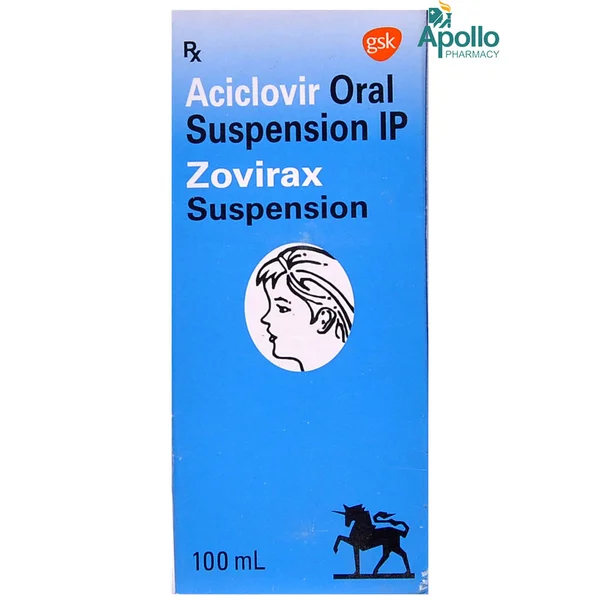
Zovirax Suspension is used to treat viral infections. It contains Aciclovir, which prevents the multiplication of viruses in human cells by acting on their DNA, resulting in decreased viral overload. In some cases, you may experience side effects such as headaches, feeling dizzy, nausea or vomiting, diarrhoea, rash, and skin sensitivity to sunlight. Use protection while having sexual intercourse to avoid the transfer of genital herpes (a sexually transmitted disease) to your partner.

Read more
Written By Bayyarapu Mahesh Kumar , M Pharmacy
Reviewed By Dr Aneela Siddabathuni , MPharma., PhD
OffersOffers & Discounts

Get Free delivery (₹99) with circle icon

Join Circle
coupon
Get 18% Off with Coupons
coupon
coupon
coupon
Extra 10% Off with Bank Offers

Have a query?

Side effects of Zovirax Suspension 100 ml
Here are the step-by-step strategies to manage the side effects of " Muscle Pain" caused by medication usage:
  • Report to Your Doctor: Inform your doctor about the muscle pain, as they may need to adjust your medication.
  • Stretch Regularly: Gentle stretching can help relieve muscle pain and stiffness.
  • Stay Hydrated: Adequate water intake supports muscle health by removing harmful substances and maintaining proper muscle function.
  • Warm or Cold Compresses: Apply cold or warm compresses to the affected area to reduce pain and inflammation.
  • Rest and Relaxation: Adequate rest helps alleviate muscle strain, while relaxation techniques like deep breathing and meditation can soothe muscle tightness, calm the mind, and promote relief from discomfort.
  • Gentle Exercise: Participate in low-impact activities, such as yoga or short walks, to improve flexibility, reduce muscle tension, and alleviate discomfort.
  • Consult a physician: If your symptoms don't improve or get worse, go to the doctor for help and guidance.
  • Increased creatinine levels must be corrected immediately with the help of a doctor.
  • Reduce strenuous activities that can lead to muscle breakdown and production of creatinine.
  • Sleep for 7-8 hours per night to assist your body in repairing and rebuilding tissue.
  • Manage your blood pressure by implementing changes in lifestyle like losing weight, reducing stress and exercising regularly.
  • Avoid smoking and drinking alcohol.
Overcome Medication-Induced Nausea: A 9-Step Plan
  • Inform your doctor about the nausea and discuss possible alternatives to the medication or adjustments to the dosage.
  • Divide your daily food intake into smaller, more frequent meals to reduce nausea.
  • Opt for bland, easily digestible foods like crackers, toast, plain rice, bananas, and applesauce.
  • Avoid certain foods that can trigger nausea, such as fatty, greasy, spicy, and smelly foods.
  • Drink plenty of fluids, such as water, clear broth, or electrolyte-rich beverages like coconut water or sports drinks.
  • Use ginger (tea, ale, or candies) to help relieve nausea.
  • Get adequate rest and also avoid strenuous activities that can worsen nausea.
  • Talk to your doctor about taking anti-nausea medication if your nausea is severe.
  • Record when your nausea occurs, what triggers it, and what provides relief to help you identify patterns and manage your symptoms more effectively.
Here are the precise steps to cope with diarrhoea caused by medication usage:
  • Inform Your Doctor: Notify your doctor immediately about your diarrhoea symptoms. This allows them to adjust your medication or provide guidance on managing side effects.
  • Stay Hydrated: Drink plenty of fluids to replace lost water and electrolytes. Choose water, clear broth, and electrolyte-rich drinks. Avoid carbonated or caffeinated beverages to effectively rehydrate your body.
  • Follow a Bland Diet: Eat easy-to-digest foods to help firm up your stool and settle your stomach. Try incorporating bananas, rice, applesauce, toast, plain crackers, and boiled vegetables into your diet.
  • Avoid Trigger Foods: Steer clear of foods that can worsen diarrhoea, such as spicy, fatty, or greasy foods, high-fibre foods, and dairy products (especially if you're lactose intolerant).
  • Practice Good Hygiene: Maintain good hygiene to prevent the spread of infection. To stay healthy, wash your hands frequently, clean and disinfect surfaces regularly, and avoid exchanging personal belongings with others.
  • Take Anti-Diarrheal Medications: If your doctor advises, anti-diarrheal medications such as loperamide might help manage diarrhoea symptoms. Always follow your doctor's directions.
  • Keep track of your diarrhoea symptoms. If they don't get better or worse or are accompanied by severe stomach pain, blood, or dehydration signs (like extreme thirst or dark urine), seek medical help.
Dealing with Medication-Induced Headache:
  • Hydrate your body: Drink enough water to prevent dehydration and headaches.
  • Calm Your Mind: Deep breathing and meditation can help you relax and relieve stress.
  • Rest and Recharge: Sleep for 7-8 hours to reduce headache triggers.
  • Take rest: lie down in a quiet, dark environment.
  • Cold or warm compresses can help reduce tension.
  • Stay Upright: Maintain good posture to keep symptoms from getting worse.
  • To treat headaches naturally, try acupuncture or massage therapy.
  • Over-the-counter pain relievers include acetaminophen and ibuprofen.
  • Prescription Assistance: Speak with your doctor about more substantial drug alternatives.
  • Severe Headaches: Seek emergency medical assistance for sudden, severe headaches.
  • Frequent Headaches: If you get reoccurring headaches, consult your doctor.
  • Headaches with Symptoms: Seek medical attention if your headaches include fever, disorientation, or weakness.
  • If you experience or encounter any severe allergic reaction, stop using medication and consult the doctor right away.
  • Tell your doctor about the allergic reaction, including the medication taken and any symptoms experienced.
  • Your doctor will evaluate the severity of the reaction and determine the best course of action.
  • To ensure a full recovery, follow your doctor's advice, attend scheduled follow-up appointments, and undergo recommended tests to monitor progress and adjust treatment as needed.
Here are the steps to manage angioedema (Swelling Under The Skin) as a side effect of medication:
  • If you experience angioedema, inform your doctor immediately. Treatment can help keep the swelling under control.
  • Seek medical attention if symptoms are severe, such as difficulty breathing or swallowing.
  • Follow your doctor's instructions to manage symptoms, which may include stopping or adjusting the medication that triggered angioedema.
  • Your doctor may also recommend antihistamines, steroids, or other treatments to reduce swelling and inflammation.
  • Make dietary and lifestyle changes as recommended, such as avoiding trigger foods or reducing stress.
  • Monitor your condition closely and track your symptoms to report them to your doctor.
  • Consult your doctor again if symptoms worsen or do not improve or if you experience any new or concerning symptoms.

Drug-Drug Interactions

verifiedApollotooltip
AciclovirIodamide
Severe

Drug-Drug Interactions

Login/Sign Up

How does the drug interact with Zovirax Suspension 100 ml:
Co-administration of Cidofovir with Acyclovir can increase the risk of kidney problems.

How to manage the interaction:
Taking Zovirax Suspension 100 ml with Cidofovir is not recommended, please consult your doctor before taking it. You should consult a doctor if you experience vomiting, irregular urination, sudden weight gain or loss, swelling, shortness of breath, muscle cramps, weakness, and palpitations. Do not stop using any medications without talking to a doctor.
AciclovirIodamide
Severe
How does the drug interact with Zovirax Suspension 100 ml:
Coadministration of Iodamide contrast with Zovirax Suspension 100 ml may increase the risk or severity of kidney injury.

How to manage the interaction:
Before undergoing any imaging procedure let your doctor know you are on Zovirax Suspension 100 ml treatment.
How does the drug interact with Zovirax Suspension 100 ml:
Co-administration of Zovirax Suspension 100 ml with tacrolimus may increase the risk or severity of kidney problems.

How to manage the interaction:
Coadministration of Zovirax Suspension 100 ml with Tacrolimus can result in an interaction, it can be taken if your doctor has advised it. Contact a doctor immediately if you experience signs such as decreased or increased urine output, sudden weight gain or loss, swelling, or shortness of breath. Do not discontinue any medications without first consulting a doctor.
How does the drug interact with Zovirax Suspension 100 ml:
Coadministration of Zovirax Suspension 100 ml with Sirolimus may increase the risk or severity of kidney injury.

How to manage the interaction:
Taking Zovirax Suspension 100 ml with Sirolimus can result in an interaction, it can be taken if your doctor has advised it. However, if you experience vomiting, a decrease in hunger, irregular urine, weight gain or loss, swelling, difficulty breathing, muscle pain, or weakness, consult a doctor.
How does the drug interact with Zovirax Suspension 100 ml:
Concomitant use of Zovirax Suspension 100 ml with Tizanidine can increase the risk of developing low blood pressure.

How to manage the interaction:
Coadministration of Zovirax Suspension 100 ml with Tizanidine can result in an interaction, but it can be taken if your doctor has advised it. Contact a doctor immediately if you experience signs such as dizziness, excessive sweating, or palpitations. Do not discontinue any medications without consulting a doctor.
How does the drug interact with Zovirax Suspension 100 ml:
Coadministration of Zovirax Suspension 100 ml with Amphotericin B can increase the risk or severity of kidney disorder.

How to manage the interaction:
Taking Zovirax Suspension 100 ml with Amphotericin b together can result in an interaction, it can be taken if a doctor has advised it. Consult a doctor if you experience irregular urination, muscle ache, shortness if breath, or palpitations. Do not discontinue any medications without consulting a doctor.
How does the drug interact with Zovirax Suspension 100 ml:
Coadministration of Zovirax Suspension 100 ml with Tenofovir Disoproxil may increase the risk or severity of kidney disorder.

How to manage the interaction:
Coadministration of Zovirax Suspension 100 ml with Tenofovir disoproxil can result in an interaction, it can be taken when your doctor has advised it. Contact a doctor immediately if you experience decreased or increased urine output, sudden weight gain or loss, swelling, or shortness of breath. Do not discontinue any medications without consulting a doctor.
AciclovirMetrizamide
Severe
How does the drug interact with Zovirax Suspension 100 ml:
Coadministration of Metrizamide in contrast with Zovirax Suspension 100 ml may increase the risk or severity of kidney disorder.

How to manage the interaction:
Before undergoing any imaging procedure, let your doctor know you are on Zovirax Suspension 100 ml treatment. Look out for signs such as vomiting, increased or decreased urination, sudden weight gain or loss, swelling, shortness of breath, muscle cramps, or weakness. Consult the doctor immediately.
How does the drug interact with Zovirax Suspension 100 ml:
Coadministration of Zovirax Suspension 100 ml with Tenofovir alafenamide may increase the risk or severity of kidney injury.

How to manage the interaction:
Taking Zovirax Suspension 100 ml with tenofovir alafenamide can result in an interaction. However, if the benefits outweigh the risks, your doctor will prescribe them. Contact a doctor immediately if you experience symptoms such as decreased or increased urine output, sudden weight gain or loss, swelling, or shortness of breath. Do not discontinue any medication without consulting your doctor.
How does the drug interact with Zovirax Suspension 100 ml:
Coadministration of Zovirax Suspension 100 ml with Everolimus may increase the risk or severity of kidney injury.

How to manage the interaction:
Taking Zovirax Suspension 100 ml with Everolimus together can result in an interaction, it can be taken if a doctor has advised it. Contact a doctor immediately if you experience vomiting, irregular urination, sudden weight gain or loss, swelling, breathing difficulty, muscle pains, dizziness, or palpitations. Do not discontinue any medications without consulting a doctor.

Drug-Food Interactions

verifiedApollotooltip
No Drug - Food interactions found in our database. Some may be unknown. Consult your doctor for what to avoid during medication.

Drug-Food Interactions

Login/Sign Up

Disclaimer

While we strive to provide complete, accurate, and expert-reviewed content on our 'Platform', we make no warranties or representations and disclaim all responsibility and liability for the completeness, accuracy, or reliability of the aforementioned content. The content on our platform is for informative purposes only, and may not cover all clinical/non-clinical aspects. Reliance on any information and subsequent action or inaction is solely at the user's risk, and we do not assume any responsibility for the same. The content on the Platform should not be considered or used as a substitute for professional and qualified medical advice. Please consult your doctor for any query pertaining to medicines, tests and/or diseases, as we support, and do not replace the doctor-patient relationship.
whatsapp Floating Button
Buy Now
Add to Cart