
Amaryl MV 1 Tablet 15's


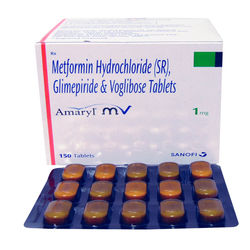


₹210
 ₹32.0Cashback (15%)
(Inclusive of all Taxes)
₹146 with coupons & bank offers*
 Offers & Discounts
Get Free delivery (₹99) with


Delivery Information
More about the Product
Composition :
Manufacturer/Marketer :
Consume Type :
Expires on or after :
Return Policy :


About Amaryl MV 1 Tablet
Amaryl MV 1 Tablet is a prescription tablet designed to help manage blood sugar levels in adults with type 2 diabetes. It is used when a single or double medication therapy, along with diet and exercise, is not enough to keep blood sugar within a safe range. By keeping glucose levels controlled, this medication helps prevent long-term health complications associated with diabetes. To get the best results, you must take Amaryl MV 1 Tablet consistently every day exactly as your doctor prescribes. It is typically taken shortly before or with your first main meal of the day to help control the rise in blood sugar that occurs after eating.
Combining this medication with a balanced, low-sugar diet and regular physical activity is essential for achieving optimal blood sugar control. While taking Amaryl MV 1 Tablet , some people may experience mild side effects like an upset stomach, mild diarrhea, or temporary low blood sugar. If you experience serious symptoms such as severe confusion, shakiness, extreme sleepiness, or yellowing of your skin or eyes, you must contact your doctor immediately. These symptoms can be signs of more serious complications that require medical attention.
Before starting Amaryl MV 1 Tablet , tell your doctor about your complete medical history, especially if you have heart problems or a history of low blood sugar. Do not take this if you have severe kidney disease, advanced liver damage, or if you are experiencing diabetic ketoacidosis.
Your doctor will evaluate your overall organ function to make sure this medicine is safe for you. This medication can interact with other substances, such as alcohol, which significantly increases your risk of dangerous blood sugar drops or a rare but severe metabolic condition. If you are pregnant, planning to become pregnant, breastfeeding, or are over the age of 65, talk to your doctor or pharmacist to determine if this is the right option for you.
Uses of Amaryl MV 1 Tablet
Amaryl MV 1 Tablet is used to treat Type 2 diabetes mellitus. The detailed uses of Amaryl MV 1 Tablet are as follows:
- Type 2 Diabetes Mellitus: Amaryl MV 1 Tablet is prescribed to help lower high blood sugar levels in adults whose diabetes cannot be controlled by diet, exercise, and single-agent medications alone.
Key Benefits
Amaryl MV 1 Tablet provides reliable, daily support to help you manage your health and avoid the physical toll of fluctuating blood sugar levels. By keeping your blood sugar stable, this medicine brings several key health benefits:
- Helps maintain healthy blood sugar control (glycemic control) throughout the day.
- Reduces blood sugar spikes after meals.
- Improves the body's ability to use insulin effectively.
- Helps lower excess glucose production by the liver.
- Reduces the risk of long-term diabetes-related complications, including nerve damage, kidney disease, vision problems, and cardiovascular complications when used as part of a comprehensive diabetes management plan.
- Inform your doctor about the nausea and discuss possible alternatives to the medication or adjustments to the dosage.
- Divide your daily food intake into smaller, more frequent meals to reduce nausea.
- Opt for bland, easily digestible foods like crackers, toast, plain rice, bananas, and applesauce.
- Avoid certain foods that can trigger nausea, such as fatty, greasy, spicy, and smelly foods.
- Drink plenty of fluids, such as water, clear broth, or electrolyte-rich beverages like coconut water or sports drinks.
- Use ginger (tea, ale, or candies) to help relieve nausea.
- Get adequate rest and also avoid strenuous activities that can worsen nausea.
- Talk to your doctor about taking anti-nausea medication if your nausea is severe.
- Record when your nausea occurs, what triggers it, and what provides relief to help you identify patterns and manage your symptoms more effectively.
- Preventing Vomiting (Before it Happens)
- Take medication exactly as prescribed by your doctor. This can help minimize side effects, including vomiting.
- Having a small meal before taking your medication can help reduce nausea and vomiting.
- Talk to your doctor about taking anti-nausea medication along with your prescribed medication.
- Managing Vomiting (If it Happens)
- Try taking ginger in the form of tea, ale, or candy to help alleviate nausea and vomiting.
- What to Do if Vomiting Persists
- Consult your doctor if vomiting continues or worsens, consult the doctor for guidance on adjusting your medication or additional treatment.
- Inform Your Doctor: Notify your doctor immediately about your diarrhoea symptoms. This allows them to adjust your medication or provide guidance on managing side effects.
- Stay Hydrated: Drink plenty of fluids to replace lost water and electrolytes. Choose water, clear broth, and electrolyte-rich drinks. Avoid carbonated or caffeinated beverages to effectively rehydrate your body.
- Follow a Bland Diet: Eat easy-to-digest foods to help firm up your stool and settle your stomach. Try incorporating bananas, rice, applesauce, toast, plain crackers, and boiled vegetables into your diet.
- Avoid Trigger Foods: Steer clear of foods that can worsen diarrhoea, such as spicy, fatty, or greasy foods, high-fibre foods, and dairy products (especially if you're lactose intolerant).
- Practice Good Hygiene: Maintain good hygiene to prevent the spread of infection. To stay healthy, wash your hands frequently, clean and disinfect surfaces regularly, and avoid exchanging personal belongings with others.
- Take Anti-Diarrheal Medications: If your doctor advises, anti-diarrheal medications such as loperamide might help manage diarrhoea symptoms. Always follow your doctor's directions.
- Keep track of your diarrhoea symptoms. If they don't get better or worse or are accompanied by severe stomach pain, blood, or dehydration signs (like extreme thirst or dark urine), seek medical help.
- Drink water or other clear fluids.
- To prevent worsening of pain, limit intake of tea, coffee, or alcohol.
- Include bland foods like rice, toast, crackers, and rice in your diet.
- Avoid lying down immediately after eating as it may cause indigestion or heartburn.
- Avoid acidic and spicy food as it may cause indigestion.
- Regularly brush and floss your teeth.
- Rinse your mouth with water and baking soda a solution to neutralize acid in the mouth. This makes your food taste as it should.
- Drink plenty of water or non-caffeinated drinks to prevent dry mouth which may lead to altered taste.
- Try ginger, peppermint, fruit or green teas, lemonade, ginger ale or fruit juice to help mask unpleasant tastes.
- Try sucking on sugar-free ice pops or ice cubes to prevent dry mouth.
- Inform Your Doctor: Notify your doctor immediately about your diarrhoea symptoms. This allows them to adjust your medication or provide guidance on managing side effects.
- Stay Hydrated: Drink plenty of fluids to replace lost water and electrolytes. Choose water, clear broth, and electrolyte-rich drinks. Avoid carbonated or caffeinated beverages to effectively rehydrate your body.
- Follow a Bland Diet: Eat easy-to-digest foods to help firm up your stool and settle your stomach. Try incorporating bananas, rice, applesauce, toast, plain crackers, and boiled vegetables into your diet.
- Avoid Trigger Foods: Steer clear of foods that can worsen diarrhoea, such as spicy, fatty, or greasy foods, high-fibre foods, and dairy products (especially if you're lactose intolerant).
- Practice Good Hygiene: Maintain good hygiene to prevent the spread of infection. To stay healthy, wash your hands frequently, clean and disinfect surfaces regularly, and avoid exchanging personal belongings with others.
- Take Anti-Diarrheal Medications: If your doctor advises, anti-diarrheal medications such as loperamide might help manage diarrhoea symptoms. Always follow your doctor's directions.
- Keep track of your diarrhoea symptoms. If they don't get better or worse or are accompanied by severe stomach pain, blood, or dehydration signs (like extreme thirst or dark urine), seek medical help.
Directions for Use
These are the following ways one can use Amaryl MV 1 Tablet :
- Swallow the tablet whole with a glass of water. Do not crush, chew, or break the tablet, as this can interfere with how the medication is released into your body.
- Take this medication exactly as prescribed by your doctor, usually right before or with your first main meal of the day.
- Never adjust your dose or stop taking this medication without consulting your doctor first, even if your blood sugar readings improve.
How Amaryl MV 1 Tablet Works

Alcohol
Unsafe
Taking Amaryl MV 1 Tablet with alcohol can cause hypoglycaemia and can also lead to a rare but life-threatening condition known as lactic acidosis. So, keep your doctor informed if you drink alcohol.

Pregnancy
Consult your doctor
As the data around the use of Amaryl MV 1 Tablet in pregnant women is limited, the use of Amaryl MV 1 Tablet in pregnancy is unknown. Please consult your doctor for advice before using Amaryl MV 1 Tablet .

Breast Feeding
Consult your doctor
The name is not recommended during breastfeeding. However, your doctor may prescribe it for you during breastfeeding if he/she feels that the benefit to you outweighs the risk. You should not take Amaryl MV 1 Tablet without a doctor's advice.

Driving
Unsafe
Drive only if you are physically stable and mentally focussed, If you experience drowsiness after taking these medications you should not drive or operate any machinery or vehicles.

Liver
Caution
Amaryl MV 1 Tablet to be taken with caution, especially if you have a history of liver disease.

Kidney
Caution
Amaryl MV 1 Tablet to be taken with caution, especially if you have a history of Kidney disease

Children
Unsafe
Amaryl MV 1 Tablet is not recommended for children below the age of 18 years as the safety and effectiveness of Amaryl MV 1 Tablet has not been established in children due to limited evidence.

Heart
Consult your doctor
Amaryl MV 1 Tablet should be used with caution if you have any cardiac problems. This medicine is contraindicated in patients with severe heart failure.

Geriatrics
Caution
Caution should be exercised in geriatric patients while taking Amaryl MV 1 Tablet .
What if I have taken an overdose of Amaryl MV 1 Tablet
Diet & Lifestyle Advise
- Count your carbohydrates: Learn to track your daily carbohydrate intake to maintain stable blood sugar levels and avoid sudden spikes or drops.
- Eat consistent meals: Do not skip meals while taking this medication, as missing a meal can cause your blood sugar to drop dangerously low.
- Carry fast-acting sugar: Always keep a source of fast-acting sugar with you, such as glucose tablets, fruit juice, or hard candy, to quickly treat sudden symptoms of low blood sugar.
- Exercise regularly: Engage in moderate physical activity, like walking or cycling, for at least 150 minutes per week, as exercise helps your body use insulin more effectively.
Health Queries


Have a query?
How Soon It Starts Working
The time required for Amaryl MV 1 Tablet to start to work: The time required for Amaryl MV 1 Tablet to show its action is not clinically established. The time for which the effects of Amaryl MV 1 Tablet last: The duration of action for Amaryl MV 1 Tablet is not clinically established.
What if you forget to take Amaryl MV 1 Tablet
Storage
Drug Warnings
- Monitor your blood sugar levels regularly as advised by your doctor to ensure the medication is working safely and effectively.
- Check your skin and feet daily for any cuts, sores, or infections, as diabetes can slow down your body's natural healing process.
- Inform any surgeon, dentist, or medical specialist that you are taking Amaryl MV 1 Tablet , especially if you need to undergo surgery or a medical scan involving contrast dye.
- Avoid drinking alcohol, as it can interfere with blood sugar control and significantly increase your risk of severe low blood sugar and lactic acidosis.
- Amaryl MV 1 Tablet is not intended for use in children and adolescents unless specifically prescribed by a specialist. Its safety and effectiveness in pediatric patients have not been well established.
- If you suspect an overdose, seek emergency medical attention immediately. Call or go to the nearest hospital emergency department. Symptoms may include severe low blood sugar, extreme weakness, confusion, loss of consciousness, or signs of lactic acidosis.
Drug-Drug Interactions


Drug-Drug Interaction Summary:
Inform your doctor if you are taking any of the following medicines, as they may interact.
- Beta-blockers: May mask the warning signs of low blood sugar, such as a rapid heart rate.
- Water pills (diuretics) and steroids: May raise your blood sugar levels, reducing the effectiveness of Amaryl MV 1 Tablet .
- Pain relievers (NSAIDs) and certain blood pressure medications (ACE inhibitors): May increase the risk of low blood sugar or affect kidney function when taken together.
Drug-Drug Interactions
Login/Sign Up
Co-administration of Iopromide with Metformin can increase the risk of lactic acidosis (a medical condition characterized by a build-up of lactate in the body).
How to manage the interaction:
Taking Iopromide with Metformin is not recommended, consult a doctor before taking it. Do not stop using any medications without talking to a doctor.
Co-administration of Iomeprol with Metformin can increase the risk of lactic acidosis (a medical condition characterized by a build-up of lactate in the body).
How to manage the interaction:
Taking Metformin with Iomeprol is not recommended, consult a doctor before taking it. Do not stop using any medications without talking to a doctor.
Taking Glimepiride with Gatifloxacin may affect both low blood glucose and, less frequently, high blood glucose have been reported.
How to manage the interaction:
Gatifloxacin is not recommended for patients with diabetes, however, it can be taken if advised by a doctor. Consult the prescriber if you experience symptoms such as nervousness, confusion, headache, dizziness, drowsiness, tremors, nausea, hunger, weakness, perspiration, palpitation, rapid heartbeat, increased urination, increased thirst, and increased hunger. Do not discontinue the medications without consulting a doctor.
Co-administration of Iopamidol with Metformin can increase the risk of lactic acidosis (a medical condition characterized by a build-up of lactate in the body).
How to manage the interaction:
Taking Metformin with Iopamidol is not recommended, consult a doctor before taking it. Do not stop using any medications without talking to a doctor.
Co-administration of Metformin and Iodamide can increase the risk of lactic acidosis (when the body produces too much lactic acid).
How to manage the interaction:
Taking Metformin with Iodamide is generally avoided as it can result in an interaction, consult a doctor before taking it. Do not stop using any medications without talking to a doctor.
Co-administration of Metformin and Metrizamide together can cause the risk of lactic acidosis (when the body produces too much lactic acid ).
How to manage the interaction:
Taking Metformin with Metrizamide is generally avoided as it can result in an interaction, it can be taken if a doctor has advised it. However, if you experience headaches, nausea, vomiting, diarrhea, muscle cramps or pain, body weakness, extreme fatigue, and visual disturbances, contact a doctor immediately. Do not discontinue any medications without consulting a doctor.
Co-administration of Iodixanol with Metformin can increase the risk of lactic acidosis (a medical condition characterized by a build-up of lactate in the body).
How to manage the interaction:
Taking Metformin with Iodixanol is not recommended, consult a doctor before taking it. Do not stop using any medications without talking to a doctor.
Taking ciprofloxacin with glimepiride can cause both hyperglycemia (high blood sugar) and, less frequently, hypoglycemia (low blood sugar).
How to manage the interaction:
Although taking ciprofloxacin and glimepiride together can result in an interaction, it can be taken if a doctor has prescribed it. However, consult the doctor if you experience such as headache, dizziness, drowsiness, nervousness, confusion, tremor, nausea, hunger, weakness, excessive sweating, and rapid heartbeat or increased thirst, increased hunger, and increased urination. Do not discontinue the medications without consulting a doctor.
The combined use of Metformin and Topiramate may increase the risk of Lactic acidosis (excessive lactic acid production in the blood).
How to manage the interaction:
Coadministration Metformin and Topiramate can lead to an interaction, it can be taken if prescribed by a doctor. However, if you experience symptoms such as weakness, muscle pain, respiratory distress, fatigue, loss of appetite, slow or irregular heartbeat, breathing difficulty, or chills consult the doctor immediately. Do not stop using any medication without a doctor's advice.
Coadministration of Aminolaevulinic acid and Glimepiride may increase the risk of a severe sunburn.
How to manage the interaction:
Taking Glimepiride with Aminolaevulinic acid together can result in an interaction, but it can be taken if a doctor has advised it. If you notice that your skin is very sensitive to sunlight or if you have a really bad sunburn, it's important to contact a doctor right away. Do not stop using any medications without talking to a doctor.
Drug-Food Interactions
Drug-Food Interaction Summary:
- Alcohol: Increases the risk of dangerous low blood sugar and a serious metabolic condition called lactic acidosis.
Drug-Food Interactions
Login/Sign Up

All Substitutes & Brand Comparisons
RX
Vogeab GM 1 Tablet 10'S
₹94.2
MRP ₹157
40% off
RX
Glimy M V1 Tablet 10's
₹151.5


Customers Also Bought



FAQs
Disclaimer
Author Details


Reference
- National Center for Biotechnology Information (NCBI). Pmc3919386 Scientific Research Publication. Bethesda, MD: NLM; 2025. [Accessed on 02 Jun. 2026]Check here
- Electronic Medicines Compendium (EMC). Pil.594 Patient Information Leaflet (PIL). Cheshire, UK: Datapharm; 2025. [Accessed on 02 Jun. 2026]Check here
- Electronic Medicines Compendium (EMC). Pil.6048 Patient Information Leaflet (PIL). Cheshire, UK: Datapharm; 2025. [Accessed on 02 Jun. 2026]Check here
- Metformin Hydrochloride (Prolonged Release), Voglibose & Glimepiride [Patient Information Sheet]. 2015. [Accessed on 28th Sept. 2023]Check here
- Central Drugs Standard Control Organisation [Internet]. Cdscoonline.gov.in. 2024 [Accessed on 17 July 2025]Check here
- Glimepiride+Metformin+Voglibose [Product Monograph]. 2018. [Accessed on 25 Oct. 2021]Check here
Country of origin
Manufacturer/Marketer address
Therapeutic Class
Habit Forming


Recommended for a 30-day course: 2 Strips