
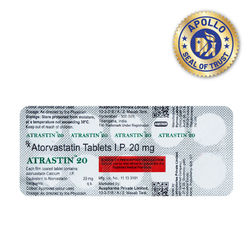


Atrastin 20 Tablet 10's
₹57.5
MRP ₹11550% off
 ₹6.0Cashback (10%)
(Inclusive of all Taxes)
₹39 with coupons & bank offers*
 Offers & Discounts
Get Free delivery (₹99) with


Delivery Information
More about the Product
Composition :
Manufacturer/Marketer :
Consume Type :
Expires on or after :
Return Policy :
About Atrastin 20 Tablet
Atrastin 20 Tablet is a prescription medication primarily used to lower high levels of cholesterol and triglycerides in the blood. By managing these lipid levels, this medicine plays a key role in reducing the risk of serious cardiovascular events like heart attacks and strokes. It is commonly prescribed to adults and, in certain cases, children aged 10 years and older with familial hypercholesterolaemia (an inherited condition that causes very high cholesterol levels). Paediatric treatment should always be supervised by a healthcare professional experienced in managing cholesterol disorders in children.
For this medication to work effectively, it must be taken consistently, typically once daily, at the same time each day. You can take this tablet with or without food, making it easy to fit into your daily routine. To achieve the best results, it is essential to combine this treatment with a low-fat diet, regular physical exercise, and other healthy lifestyle choices.
While taking Atrastin 20 Tablet , some people may experience mild side effects like a mild stomach upset, headache, or slight muscle aches. However, if you experience severe, unexplained muscle pain, weakness, or yellowing of the skin and eyes, you should contact your doctor immediately. These symptoms can be signs of rare but serious complications that require prompt medical attention.
Before you begin taking this medication, discuss your complete medical history with your healthcare provider, especially if you have liver disease, kidney issues, or thyroid problems. Do not take this if you have active liver damage or if you are pregnant or breastfeeding, as it can harm an unborn baby. Your doctor will help determine if this medication is safe for your specific health profile.
This medication can interact with other substances, including certain antibiotics, antifungal medicines, and alcohol, which can increase the risk of liver damage or muscle problems. Elderly individuals may be more sensitive to side effects and should be monitored closely. Always consult your doctor or pharmacist before starting or stopping any other medications, herbal supplements, or drinking alcohol heavily.
Uses of Atrastin 20 Tablet
Your doctor may prescribe Atrastin 20 Tablet for several conditions relating to heart health. These include:
- High cholesterol: Atrastin 20 Tablet helps by lowering 'bad' cholesterol (LDL) and triglycerides, while boosting 'good' cholesterol (HDL) in the blood.
- Cardiovascular disease prevention: It reduces the risk of heart attacks, strokes, and chest pain in individuals with heart disease or high risk factors.
Key Benefits
When taken regularly as prescribed, Atrastin 20 Tablet offers several important benefits for cholesterol management and long-term cardiovascular health, including:
- Supports Healthy Cholesterol Levels: Helps keep cholesterol levels within a healthy range, supporting better blood vessel health.
- Promotes Healthy Blood Flow: Helps prevent the gradual hardening and narrowing of the arteries, promoting healthy blood flow.
- Reduces Strain on the Heart: Allows the heart to pump blood more efficiently by reducing strain on the cardiovascular system.
- Supports Long-Term Heart Health: Supports long-term cardiovascular health and lowers the risk of cholesterol-related complications.
- Helps Stabilise Arterial Plaques: Helps stabilise existing fatty plaques in blood vessels, making them less likely to rupture.
- Lowers the Risk of Cardiac Events: Reduces the risk of sudden cardiac events caused by blocked arteries.
- Provides Ongoing Cardiovascular Protection: Provides long-term protection against heart-related complications when taken regularly as prescribed.
- Promotes an Active Lifestyle: Supports a longer, more active life by helping maintain healthy circulation and heart function.
- Inform Your Doctor: Notify your doctor immediately about your diarrhoea symptoms. This allows them to adjust your medication or provide guidance on managing side effects.
- Stay Hydrated: Drink plenty of fluids to replace lost water and electrolytes. Choose water, clear broth, and electrolyte-rich drinks. Avoid carbonated or caffeinated beverages to effectively rehydrate your body.
- Follow a Bland Diet: Eat easy-to-digest foods to help firm up your stool and settle your stomach. Try incorporating bananas, rice, applesauce, toast, plain crackers, and boiled vegetables into your diet.
- Avoid Trigger Foods: Steer clear of foods that can worsen diarrhoea, such as spicy, fatty, or greasy foods, high-fibre foods, and dairy products (especially if you're lactose intolerant).
- Practice Good Hygiene: Maintain good hygiene to prevent the spread of infection. To stay healthy, wash your hands frequently, clean and disinfect surfaces regularly, and avoid exchanging personal belongings with others.
- Take Anti-Diarrheal Medications: If your doctor advises, anti-diarrheal medications such as loperamide might help manage diarrhoea symptoms. Always follow your doctor's directions.
- Keep track of your diarrhoea symptoms. If they don't get better or worse or are accompanied by severe stomach pain, blood, or dehydration signs (like extreme thirst or dark urine), seek medical help.
- Please inform your doctor about joint pain symptoms, as they may adjust your medication regimen or prescribe additional medications to manage symptoms.
- Your doctor may prescribe common pain relievers if necessary to treat joint discomfort.
- Maintaining a healthy lifestyle is key to relieving joint discomfort. Regular exercise, such as low-impact sports like walking, cycling, or swimming, should be combined with a well-balanced diet. Aim for 7-8 hours of sleep per night to assist your body in repairing and rebuilding tissue.
- Applying heat or cold packs to the affected joint can help reduce pain and inflammation.
- Please track when joint pain occurs and any factors that may trigger it, and share this information with your doctor to help manage symptoms.
- If your joint pain is severe or prolonged, consult a doctor to rule out any underlying disorders that may require treatment.
- Inform your doctor about the common cold symptoms you're experiencing due to medication.
- Your doctor may adjust your treatment plan, which could include changing your medication, adding new medications, or offering advice on managing your symptoms.
- Practice good hygiene, including frequent handwashing, avoiding close contact with others, and avoiding sharing utensils or personal items.
- Drink plenty of fluids, such as warm water or soup, to help thin out mucus.
- Get plenty of rest and engage in stress-reducing activities to help your body recover. If your symptoms don't subside or worsen, consult your doctor for further guidance.
- Inform your doctor about the nausea and discuss possible alternatives to the medication or adjustments to the dosage.
- Divide your daily food intake into smaller, more frequent meals to reduce nausea.
- Opt for bland, easily digestible foods like crackers, toast, plain rice, bananas, and applesauce.
- Avoid certain foods that can trigger nausea, such as fatty, greasy, spicy, and smelly foods.
- Drink plenty of fluids, such as water, clear broth, or electrolyte-rich beverages like coconut water or sports drinks.
- Use ginger (tea, ale, or candies) to help relieve nausea.
- Get adequate rest and also avoid strenuous activities that can worsen nausea.
- Talk to your doctor about taking anti-nausea medication if your nausea is severe.
- Record when your nausea occurs, what triggers it, and what provides relief to help you identify patterns and manage your symptoms more effectively.
- Tell your doctor about your GAS symptoms. They may change your medication regimen or prescribe additional drugs to help you manage them.
- To manage GAS symptoms, eat a balanced diet of fibre, vegetables, and fruits.
- Drink enough water throughout the day to avoid constipation and treat GAS symptoms.
- Regular exercise like yoga and walking may help stimulate digestion and alleviate GAS symptoms.
- Take probiotics only if your doctor advises, as they may help alleviate GAS symptoms by promoting gut health.
- Take medication for GAS symptoms only if your doctor advises, as certain medications can interact with your existing prescriptions or worsen symptoms.
- If symptoms persist, worsen, or are accompanied by severe abdominal pain, vomiting, or bleeding, seek immediate medical attention.
- Inform your doctor about your constipation symptoms. They may adjust your medication or advise alternative treatments.
- Stay hydrated by drinking sufficient of water (at least 8-10 glasses a day) to help soften stool and promote bowel movements.
- Increase fibre intake by eating foods high in fibre, such as fruits, whole grains, vegetables and legumes, to help bulk up the stool.
- Establish a bowel routine by trying to go to the bathroom at the same time each day to train your bowels.
- Engaging in regular exercise, like walking or yoga, can support in bowel movement stimulation.
- Consult your doctor if constipation persists, and discuss alternative treatments or adjustments to your medication.
- Eat fatty fish rich in omega-3 fatty acids to reduce inflammation.
- Add whole grains such as brown rice, quinoa, and whole wheat bread to your diet for a nutritional boost.
- Add nuts and seeds like almonds, walnuts, chia seeds for anti-inflammatory benefits.
- Eat dark leafy greens like spinach, kale, collard greens for antioxidants.
- Include berries like blueberries, strawberries, raspberries for anti-inflammatory properties.
- Rest and take a break from usual activities.
- Apply ice for 15-20 minutes, 3 times a day to reduce pain and inflammation.
- Use compression with a stretchable bandage or wrap to lessen swelling and provide support.
- Avoid strenuous activities and rest the affected area.
- Try light stretching with gentle exercises to maintain flexibility.
- Consider OTC pain medications like ibuprofen or acetaminophen but consult a doctor before taking any medication.
Directions for Use
To get the most benefit from Atrastin 20 Tablet , follow these step-by-step instructions:
- Swallow the tablet whole with a full glass of water. Do not crush, chew, or break the tablet.
- Take the medicine at the same time every day to maintain a steady level in your body.
- You may take this medication with or without food. If you experience an upset stomach, taking it with a meal may help.
Always follow your doctor's exact instructions regarding how to take this medication. Do not adjust your dose or stop taking it without consulting your healthcare provider, even if you feel well.
How Atrastin 20 Tablet Works

Alcohol
Unsafe
Do not drink too much while taking this medicine. drinking a lot of alcohol you may more likely to get muscle and liver side effects.

Pregnancy
Consult your doctor
Atrastin 20 Tablet is not recommended during pregnancy. Contact your doctor before taking Atrastin 20 Tablet .

Breast Feeding
Consult your doctor
Breastfeeding is not recommended. Contact your doctor before taking Atrastin 20 Tablet .

Driving
Consult your doctor
Atrastin 20 Tablet has negligible influence on the ability to drive and use machines.

Liver
Caution
Atrastin 20 Tablet to be taken with caution, especially if you have a history of liver disease. The dose may have to be adjusted by your doctor.

Kidney
Caution
Atrastin 20 Tablet to be taken with caution, especially if you have a history of kidney disease. The dose may have to be adjusted by your doctor.

Children
Unsafe
Atrastin 20 Tablet is not recommended in the treatment of children below the age of 10 years.

Heart
Safe if prescribed
Atrastin 20 Tablet is often prescribed to patients with heart problems to manage high cholesterol and reduce cardiovascular risk. However, it must be taken strictly under medical supervision, as it can affect liver and kidney function and may interact with other heart medications.

Geriatrics
Safe if prescribed
Atrastin 20 Tablet is generally safe for use in elderly patients if recommended by the physician.
What if I have taken an overdose of Atrastin 20 Tablet
Diet & Lifestyle Advise
- Adopt a heart-healthy diet: Focus on meals low in saturated and trans fats. Incorporate more soluble fibre, such as oats, beans, and lentils, which naturally help lower cholesterol.
- Avoid grapefruit products: Do not drink grapefruit juice or eat grapefruit while taking this medicine, as it can dangerously increase the levels of the drug in your system.
- Stay physically active: Engage in moderate exercise, like brisk walking, for at least 30 minutes most days of the week to help boost your 'good' cholesterol.
- Limit alcohol consumption: Excessive alcohol can strain your liver and increase the risk of liver damage when combined with this medication.
- Avoid smoking: Smoking damages your blood vessels and accelerates plaque buildup. Quitting smoking enhances the cardiovascular benefits of your treatment.

Have a query?
How Soon It Starts Working
The time required for Atrastin 20 Tablet to start to work: Atrastin 20 Tablet ideally shows its action within 1 to 2 hours after administration. The time for which the effects of Atrastin 20 Tablet last: The effect of Atrastin 20 Tablet lasts for 20 to 30 hours.
What if you forget to take Atrastin 20 Tablet
Storage
Drug Warnings
- Check Your Medication Regularly: Check your medication packaging regularly to ensure your tablets are intact and dry.
- Inform Healthcare Providers: Inform your dentist or any surgeon that you are taking this medication before undergoing any surgical procedures.
- Be Aware of Diabetes Risk: Statins such as Atrastin 20 Tablet have been associated with a small increase in the risk of developing diabetes in some people, particularly those who already have risk factors for diabetes. Your doctor may recommend periodic blood sugar monitoring when appropriate.
- Pregnancy Planning: If you are planning to become pregnant, stop taking this medication and talk to your doctor immediately about alternative options.
- Attend Recommended Monitoring Tests: Your doctor may check your liver function before starting treatment and periodically during therapy. Additional tests, including creatine kinase (CK) levels, may be ordered if you develop unexplained muscle pain, tenderness, or weakness.
Drug-Drug Interactions


Drug-Drug Interaction Summary:
Inform your doctor if you are taking any of the following medicines, as they may interact.
- Certain antibiotics and antifungals: Medicines like erythromycin or ketoconazole can increase the amount of Atrastin 20 Tablet in your blood, raising the risk of severe muscle damage.
- Other cholesterol medicines: Combining this with other lipid-lowering drugs may increase the risk of muscle-related side effects.
- Immune-suppressing medications: Taking this with drugs like cyclosporine can significantly increase the risk of muscle weakness and kidney problems.
Drug-Drug Interactions
Login/Sign Up
Taking Atrastin 20 Tablet with Posaconazole can increase the blood levels of Atrastin 20 Tablet. This can increase the risk of side effects.
How to manage the interaction:
Although there is an interaction between posaconazole with Atrastin 20 Tablet, they can be taken together if advised by your doctor. However, contact the doctor if you experience unexplained muscle pain, weakness, fever, chills, joint pain or swelling, unusual bleeding, skin rash, itching, loss of appetite, fatigue, nausea, vomiting, dark coloured urine, or yellowing of the skin or eyes. Do not discontinue any medications without consulting a doctor.
When Atrastin 20 Tablet and Fluconazole are taken together, the blood levels of Atrastin 20 Tablet may be significantly elevated.
How to manage the interaction:
Taking Atrastin 20 Tablet in conjunction with Fluconazole can result in an interaction, it can be taken if a doctor has advised it. However, if you experience muscle pain, tenderness, or weakness, accompanied by fever or dark-colored urine, chills, joint pain or swelling, unusual bleeding or bruising, skin rash, itching, loss of appetite, fatigue, nausea, vomiting, dark-colored urine, light-colored stools, and/or yellowing of the skin or eyes, you should consult the doctor. Do not stop using any medications without talking to a doctor.
Taking Atrastin 20 Tablet with saquinavir may significantly enhance Atrastin 20 Tablet levels in the blood. This can raise the chance of side effects (liver injury and rhabdomyolysis - an uncommon but serious illness that causes the breakdown of skeletal muscle tissue. Rhabdomyolysis occasionally results in kidney injury0.
How to manage the interaction:
Co- administration of Atrastin 20 Tablet with saquinavir can result in an interaction, it can be taken if a doctor has advised it. However, if you experience muscle pain, tenderness, or weakness especially accompanied by fever or dark colored urine, chills, joint pain or swelling, unusual bleeding or bruising, skin rash, itching, loss of appetite, fatigue, nausea, vomiting, dark colored urine, light colored stools, and/or yellowing of the skin or eyes, you should consult the doctor. Do not stop using any medications without talking to a doctor.
Coadministration of Erlotinib with Atrastin 20 Tablet can raise the chance of side effects (liver injury and rhabdomyolysis, an uncommon but serious illness that causes the breakdown of skeletal muscle tissue. Rhabdomyolysis occasionally results in kidney injury).
How to manage the interaction:
Taking Erlotinib with Atrastin 20 Tablet together can result in an interaction, it can be taken if a doctor has advised it. However, if you notice any unexplained muscle pain, muscle stiffness or tenderness, fever, dark-colored urine, or weakness, you should contact a doctor immediately. Do not stop using any medications without talking to a doctor.
coadministration of Atrastin 20 Tablet with colchicine can increase the risk of kidney problems.
How to manage the interaction:
Co-administration of Atrastin 20 Tablet with colchicine can result in an interaction, but it can be taken if a doctor has advised it. However, if you experience abdominal pain, nausea, vomiting, diarrhea, muscle pain, weakness, fatigue, and/or numbness or tingling in your hands and feet, consult the doctor. Do not stop using any medications without talking to a doctor.
Using conivaptan together with Atrastin 20 Tablet may significantly increase the blood levels of Atrastin 20 Tablet.
How to manage the interaction:
Taking Atrastin 20 Tablet with Conivaptan together can result in an interaction, but it can be taken if a doctor has advised it. You should also seek immediate medical attention if you develop fever, chills, joint pain or swelling, unusual bleeding or bruising, skin rash, itching, loss of appetite, fatigue, nausea, vomiting, dark colored urine, and/or yellowing of the skin or eyes. Do not stop using any medications without a doctor's advice.
Using Atrastin 20 Tablet together with simeprevir may significantly increase the blood levels of Atrastin 20 Tablet.
How to manage the interaction:
Although taking Atrastin 20 Tablet and Simeprevir together can cause an interaction, it can be taken if a doctor has suggested it. You should seek immediate medical attention if you develop fever, chills, joint pain or swelling, unusual bleeding or bruising, skin rash, itching, loss of appetite, fatigue, nausea, vomiting, dark colored urine, and/or yellowing of the skin or eyes. Do not stop using any medications without a doctor's advice.
Taking Atrastin 20 Tablet with indinavir may considerably raise Atrastin 20 Tablet levels in the blood.
How to manage the interaction:
Taking Atrastin 20 Tablet and indinavir together can result in an interaction, it can be taken if a doctor has advised it. However, if you experience muscle pain, tenderness, or weakness especially accompanied by fever or dark colored urine, chills, joint pain or swelling, unusual bleeding or bruising, skin rash, itching, loss of appetite, fatigue, nausea, vomiting, dark colored urine, light colored stools, and/or yellowing of the skin or eyes, you should consult the doctor. Do not stop using any medications without talking to a doctor.
Using Atrastin 20 Tablet together with telithromycin may significantly increase the blood levels of Atrastin 20 Tablet.
How to manage the interaction:
Taking Telithromycin with Atrastin 20 Tablet together can result in an interaction, but it can be taken if a doctor has advised it. You should seek immediate medical attention if you develop fever, chills, joint pain or swelling, unusual bleeding or bruising, skin rash, itching, loss of appetite, fatigue, nausea, vomiting, dark colored urine, and/or yellowing of the skin or eyes. Do not stop using any medications without talking to a doctor.
The combination of Atrastin 20 Tablet and letermovir may substantially elevate the blood levels of Atrastin 20 Tablet. This can raise the chance of side effects (liver injury and rhabdomyolysis, an uncommon but serious illness that causes the breakdown of skeletal muscle tissue. Rhabdomyolysis occasionally results in kidney injury).
How to manage the interaction:
Taking Atrastin 20 Tablet with letermovir can result in an interaction, it can be taken if a doctor has advised it. However, if you experience muscle pain, tenderness, or weakness especially accompanied by fever or dark colored urine, chills, joint pain or swelling, unusual bleeding or bruising, skin rash, itching, loss of appetite, fatigue, nausea, vomiting, dark colored urine, light colored stools, and/or yellowing of the skin or eyes, you should consult the doctor. Do not stop using any medications without talking to a doctor.
Drug-Food Interactions
Drug-Food Interaction Summary:
- Grapefruit and grapefruit juice: Grapefruit interferes with how your body processes this medicine, which can lead to dangerously high levels of the drug in your bloodstream and increase the likelihood of muscle injury.
Drug-Food Interactions
Login/Sign Up

Customers Also Bought


FAQs
Disclaimer
Author Details


Reference
- Electronic Medicines Compendium (EMC). Product Summary of Product Characteristics (SmPC). Cheshire, UK: Datapharm; 2025. [Accessed on 02 Jun. 2026]Check here
- Electronic Medicines Compendium (EMC). Pil.5275 Patient Information Leaflet (PIL). Cheshire, UK: Datapharm; 2025. [Accessed on 02 Jun. 2026]Check here
- National Health Service (NHS). Atorvastatin - NHS Medicines Reference Guide. London, UK: NHS; 2025. [Accessed on 02 Jun. 2026]Check here
- Drugs.com Clinical Review Team. Atorvastatin Patient Clinical Drug Monograph. Auckland, NZ: Drugs.com; 2026. [Accessed on 02 Jun. 2026]Check here
- Atorvastatin calcium [Prescribing Information]. 2009. [Accessed on 14 Mar. 2019]Check here
- Atorvastatin 10 mg Film Coated Tablets - Summary of Product Characteristics (SmPC) - (emc) [Internet]. Medicines.org.uk. 2021 [Accessed on 17 Sep 2025]Check here
- Atorvastatin 10 mg Film Coated Tablets - Patient Information Leaflet (PIL) - (emc) [Internet]. Medicines.org.uk. 2021 [Accessed on 17 Sep 2025]Check here
Country of origin
Manufacturer/Marketer address
Therapeutic Class
Habit Forming


Recommended for a 30-day course: 3 Strips