Apollo
logo
0
Select Delivery Location
prescription
Prescription Medicine
info
Best Price

₹46 with coupons & bank offers*

View

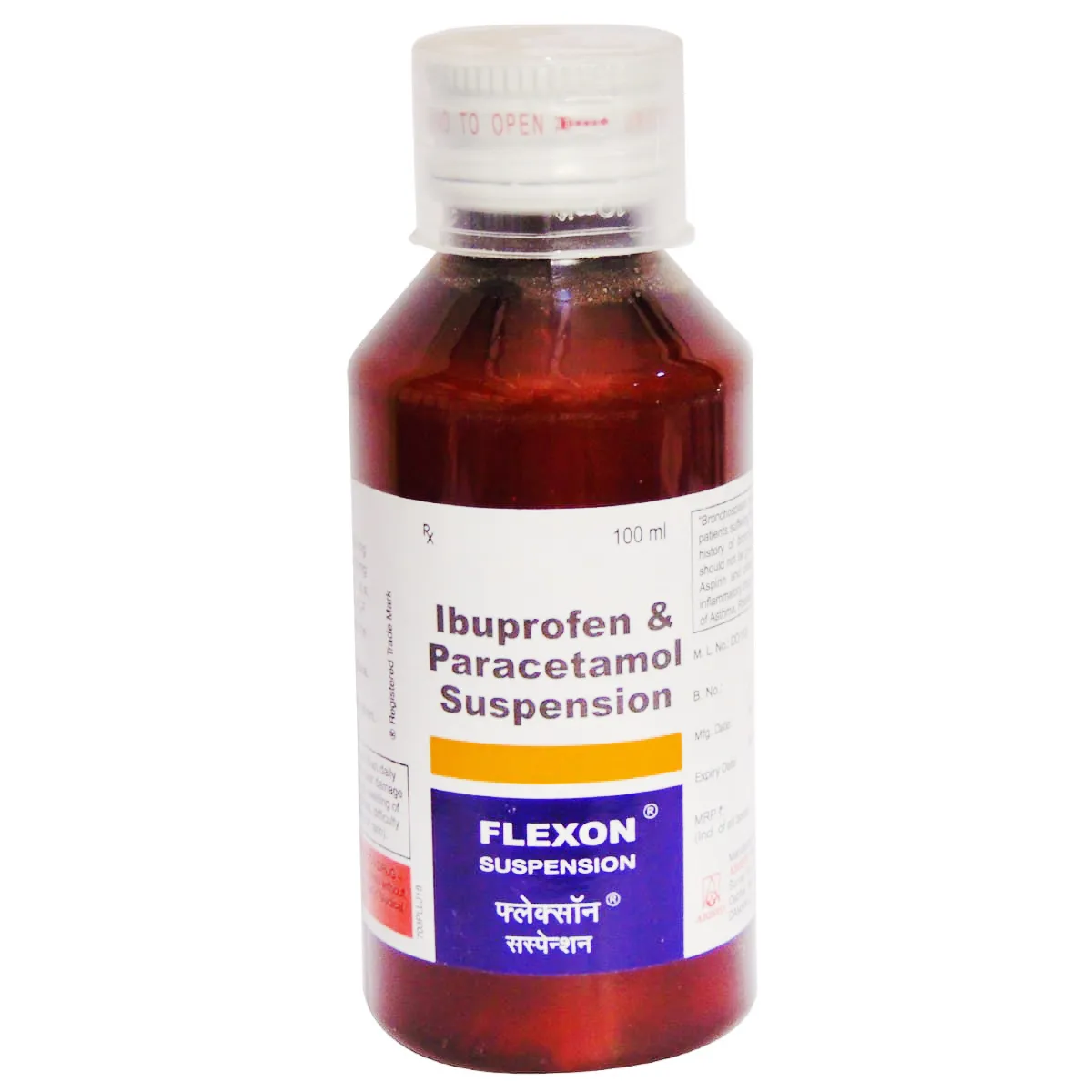
Flexon Suspension is used to treat Pain and Fever in children. It contains Ibuprofen and Paracetamol. Ibuprofen works by blocking the effect of a chemical known as prostaglandin, which is responsible for inducing pain and inflammation in the body. Paracetamol lowers the elevated body temperature and mild pain by inhibiting the synthesis of a chemical messenger (prostaglandin) and promoting heat loss (through sweating) that helps reset the hypothalamic thermostat.

Read more
Written By Dr. Lakshmithulasi Yarragunta , PharmD (PB)
Reviewed By Veda Maddala , M Pharmacy
OffersOffers & Discounts

Get Free delivery (₹99) with circle icon

Join Circle
coupon
Get 18% Off with Coupons
coupon
Extra 10% Off with Bank Offers
bank offer
bank offer
bank offer

More about the Product

Manufacturer/Marketer :

Aristo Pharmaceuticals Pvt Ltd

Consume Type :

Oral

Expires on or after :

Jan-27

Return Policy :

Not Returnable

About Flexon Suspension

Flexon Suspension is a suspension specially formulated for paediatric patients to provide temporary relief from mild to moderate pain and to reduce fever. It is commonly prescribed to treat discomfort from teething, toothaches, sore throats, earaches, and minor injuries, as well as to lower a high body temperature associated with colds, flu, or childhood immunisations. This medicine acts quickly to target the root causes of pain and fever, helping your child feel more comfortable during recovery.

You should use this medicine only when your child has symptoms, and it is important to keep doses spaced out consistently as directed by your healthcare provider. For short-term relief, do not use this medicine for more than a few consecutive days without medical supervision. Always try to take this medicine with food or a glass of milk, as this helps prevent mild stomach irritation. Keeping your child well-hydrated with small, frequent sips of water or clear fluids while they are unwell also supports their recovery and general well-being.

While this medicine is highly effective, some children may experience mild side effects, such as a temporary upset stomach or mild nausea. These mild symptoms usually go away on their own as the medicine processes through the body. However, you must stop using the medicine and consult a doctor immediately if you notice serious signs such as a severe skin rash, swelling of the face or mouth, difficulty breathing, or severe abdominal discomfort.

Talk to your doctor or pharmacist before starting this medicine if your child has pre-existing health conditions, such as asthma, kidney impairment, liver disorders, or if they are suffering from severe dehydration. Do not take this if your child has a known history of severe allergic reactions to similar pain relievers, active stomach ulcers, or severe heart, liver, or kidney failure.

This medicine can interact with other treatments, so it is vital not to give it alongside other medications containing similar pain-relieving ingredients, as this can lead to accidental double-dosing and serious liver damage. Additionally, it may interact with blood-thinning medications or certain medications used to treat infections. If you have questions about how this medicine behaves with other paediatric treatments, talk to your doctor or pharmacist.

Uses of Flexon Suspension

Flexon Suspension helps reduce fever and relieve mild to moderate pain in children. Your doctor may recommend it for the following conditions:

  • Fever reduction: Helps quickly lower high body temperatures associated with common childhood infections, colds, flu, and post-vaccination reactions.
  • Mild to moderate pain relief: Eases physical discomfort caused by paediatric teething, toothaches, sore throats, headache, earaches, and minor muscle strains or sprains.

Key Benefits

Using Flexon Suspension as prescribed helps reduce fever and relieve pain, making your child feel more comfortable. Here are the key benefits you can expect:

  • Provides fast relief from fever and pain: Helps lower high body temperature and relieve mild to moderate pain caused by common childhood illnesses, teething, headaches, sore throat, earache, and minor injuries.
  • Supports a quicker recovery: By reducing discomfort and fever, Flexon Suspension helps your child rest better, stay hydrated, and return to normal eating, drinking, and daily activities.
  • Easy for children to take: The oral suspension is easy to swallow and provides accurate dosing, making it suitable for infants and young children who cannot swallow tablets.
Side effects of Flexon Suspension 100 ml
  • You can try over-the-counter antacid medications for quick relief from heartburn, but ask your doctor before using them.
  • Keep a healthy weight and do not wear tight clothes to avoid putting extra pressure on your stomach, which can cause acid reflux and worsen heartburn.
  • Avoid consuming food or drinks that can trigger heartburn, like citrus, tomatoes, garlic, alcohol, coffee, peppermint, and spicy or fatty foods.
  • Do not lie down for at least 2-3 hours after meals.
  • Quit smoking and avoid eating late at night.
  • Try having smaller meals more often instead of large ones.
  • Drink water or other clear fluids.
  • To prevent worsening of pain, limit intake of tea, coffee, or alcohol.
  • Include bland foods like rice, toast, crackers, and rice in your diet.
  • Avoid lying down immediately after eating as it may cause indigestion or heartburn.
  • Avoid acidic and spicy food as it may cause indigestion.
Here are the step-by-step strategies to manage the side effects of "indigestion" caused by medication usage:
  • Take medications with food (if recommended): It can help prevent stomach distress and indigestion.
  • Eat smaller, more frequent meals: Divide daily food intake into smaller, more frequent meals to ease digestion.
  • Avoid trigger foods: Identify and avoid foods that trigger indigestion, such as spicy, fatty, or acidic foods.
  • Stay upright after eating: Sit or stand upright for at least 1-2 hours after eating to prevent stomach acid from flowing into the oesophagus.
  • Avoid carbonated drinks: Avoid drinking carbonated beverages, such as soda or beer, which can worsen indigestion.
  • Manage stress: To alleviate indigestion, engage in stress-reducing activities like deep breathing exercises or meditation.
  • Consult a doctor if needed: If indigestion worsens or persists, consult a healthcare professional to adjust the medication regimen or explore alternative treatments.
Here are the steps to manage Gastrointestinal Air and Swelling (GAS) caused by medication:
  • Tell your doctor about your GAS symptoms. They may change your medication regimen or prescribe additional drugs to help you manage them.
  • To manage GAS symptoms, eat a balanced diet of fibre, vegetables, and fruits.
  • Drink enough water throughout the day to avoid constipation and treat GAS symptoms.
  • Regular exercise like yoga and walking may help stimulate digestion and alleviate GAS symptoms.
  • Take probiotics only if your doctor advises, as they may help alleviate GAS symptoms by promoting gut health.
  • Take medication for GAS symptoms only if your doctor advises, as certain medications can interact with your existing prescriptions or worsen symptoms.
  • If symptoms persist, worsen, or are accompanied by severe abdominal pain, vomiting, or bleeding, seek immediate medical attention.
Here are the precise steps to cope with diarrhoea caused by medication usage:
  • Inform Your Doctor: Notify your doctor immediately about your diarrhoea symptoms. This allows them to adjust your medication or provide guidance on managing side effects.
  • Stay Hydrated: Drink plenty of fluids to replace lost water and electrolytes. Choose water, clear broth, and electrolyte-rich drinks. Avoid carbonated or caffeinated beverages to effectively rehydrate your body.
  • Follow a Bland Diet: Eat easy-to-digest foods to help firm up your stool and settle your stomach. Try incorporating bananas, rice, applesauce, toast, plain crackers, and boiled vegetables into your diet.
  • Avoid Trigger Foods: Steer clear of foods that can worsen diarrhoea, such as spicy, fatty, or greasy foods, high-fibre foods, and dairy products (especially if you're lactose intolerant).
  • Practice Good Hygiene: Maintain good hygiene to prevent the spread of infection. To stay healthy, wash your hands frequently, clean and disinfect surfaces regularly, and avoid exchanging personal belongings with others.
  • Take Anti-Diarrheal Medications: If your doctor advises, anti-diarrheal medications such as loperamide might help manage diarrhoea symptoms. Always follow your doctor's directions.
  • Keep track of your diarrhoea symptoms. If they don't get better or worse or are accompanied by severe stomach pain, blood, or dehydration signs (like extreme thirst or dark urine), seek medical help.
Here are the steps to cope with constipation as a side effect of medication:
  • Inform your doctor about your constipation symptoms. They may adjust your medication or advise alternative treatments.
  • Stay hydrated by drinking sufficient of water (at least 8-10 glasses a day) to help soften stool and promote bowel movements.
  • Increase fibre intake by eating foods high in fibre, such as fruits, whole grains, vegetables and legumes, to help bulk up the stool.
  • Establish a bowel routine by trying to go to the bathroom at the same time each day to train your bowels.
  • Engaging in regular exercise, like walking or yoga, can support in bowel movement stimulation.
  • Consult your doctor if constipation persists, and discuss alternative treatments or adjustments to your medication.

Directions for Use

  • Flexon Suspension can be administered with or without food, or as directed by the doctor.
  • Follow your doctor's instructions on the dosage and timing of this medication to ensure safety.
  • Administer the prescribed dose to the child using the measuring cup/dosing syringe.
  • Shake well before use.

How Flexon Suspension Works

Flexon Suspension contains Ibuprofen and Paracetamol, which work together to relieve pain and reduce fever through different mechanisms. Paracetamol acts mainly in the brain to reduce pain signals and lower body temperature. Ibuprofen is a non-steroidal anti-inflammatory drug (NSAID) that blocks the production of prostaglandins, the chemicals responsible for pain, inflammation, and fever. Together, these medicines provide effective relief from pain and fever while helping your child feel more comfortable during recovery.
bannner image

Alcohol

Not applicable

-

bannner image

Pregnancy

Not applicable

-

bannner image

Breast Feeding

Not applicable

-

bannner image

Driving

Not applicable

-

bannner image

Liver

Consult your doctor

Please consult your doctor if your child has a liver impairment or if you have any concerns regarding this before using Flexon Suspension .

bannner image

Kidney

Consult your doctor

Please consult your doctor if your child has a kidney impairment or if you have any concerns regarding this before using Flexon Suspension .

bannner image

Children

Safe if prescribed

Flexon Suspension is safe for children above 3 months of age if prescribed by the doctor. The dose of the medicine will be decided by your pediatrician. Do not give more than the recommended dose to your child.

bannner image

Heart

Caution

Flexon Suspension should be used with caution in children who have heart problems. Therefore, please consult your doctor before using Flexon Suspension .

bannner image

Geriatrics

Not applicable

Flexon Suspension is for paediatric patients only.

What if I have taken an overdose of Flexon Suspension

If your child takes more than the prescribed dose of Flexon Suspension , seek immediate medical attention, even if they appear well. An overdose of ibuprofen and paracetamol can cause serious liver damage, stomach irritation, kidney problems, or other severe complications that may not be immediately noticeable. Prompt medical treatment is essential.

Diet & Lifestyle Advise

  • Keep your child hydrated: Encourage your child to drink plenty of water, diluted clear juices, or oral rehydration solution to help prevent dehydration, especially during a fever.
  • Offer light, bland foods: If the medicine causes mild stomach upset, give foods such as crackers, toast, rice, or bananas before administering the dose.
  • Ensure adequate rest: Encourage your child to rest in a cool, quiet, and comfortable environment to support recovery.
  • Dress appropriately during fever: Dress your child in light, breathable clothing and avoid heavy blankets, as these can trap body heat and make the fever more uncomfortable.
health query

Have a query?

How Soon It Starts Working

The time required for Flexon Suspension to start to work: Flexon Suspension ideally shows its action within 30 minutes after administration. 

The time for which the effects of Flexon Suspension last: The effect of Flexon Suspension lasts for 6 hours.

What if you forget to take Flexon Suspension

If you miss a dose, give it as soon as you remember, provided there is a safe time gap before the next scheduled dose. If it is almost time for the next scheduled dose, skip the missed one and resume your normal routine. Do not give a double dose to make up for a missed one.

Storage

•Store Flexon Suspension oral suspension at room temperature between 15°C and 30°C.

Drug Warnings

  • Shake well before use: Shake the bottle vigorously for at least 10 seconds before measuring each dose to ensure the medicine is evenly mixed.
  • Avoid duplicate medicines: Do not give your child other over-the-counter cough, cold, or pain medicines without checking the labels or consulting your doctor or pharmacist, as they may contain the same active ingredients.
  • Monitor your child's symptoms: Contact your doctor if your child's fever lasts for more than 3 days or if their pain does not improve after 5 days of treatment.
  • Use caution in dehydration: Do not give Flexon Suspension to a child who is severely dehydrated due to vomiting or diarrhoea without first consulting a doctor, as it may increase the risk of kidney problems.

Drug-Drug Interactions

verifiedApollotooltip
  • Other pain relievers or fever reducers: Risk of accidental overdose and severe liver damage if taken with other products containing similar active ingredients.
  • Oral steroids or NSAIDs: May increase the risk of severe stomach irritation or bleeding in the digestive tract.
  • Blood thinners: Can interact with blood-thinning medications, increasing the risk of unexpected bruising or bleeding.

Drug-Drug Interactions

Login/Sign Up

How does the drug interact with Flexon Suspension 100 ml:
Coadministration of meloxicam and ibuprofen can increase the risk of side effects such as inflammation, bleeding, and ulceration.

How to manage the interaction:
Although there is an interaction between meloxicam and ibuprofen, it can be taken if advised by a doctor. However, if you experience dizziness, lightheadedness, red or black, dark stools, coughing or vomiting fresh or dried blood that looks like coffee grounds, severe headache, and weakness, consult the doctor immediately. Do not stop using any medications without a doctor's advice.
How does the drug interact with Flexon Suspension 100 ml:
Taking ketorolac with ibuprofen can increase the risk of side effects in inflammation, bleeding, and ulceration.

How to manage the interaction:
Although there is an interaction between ketorolac and ibuprofen, it can be taken if advised by a doctor. However, if you experience dizziness, lightheadedness, red or black, dark stools, coughing or vomiting fresh or dried blood that looks like coffee grounds, severe headache, and weakness, consult the doctor immediately. Do not discontinue any medications without consulting a doctor.
How does the drug interact with Flexon Suspension 100 ml:
Taking tacrolimus and ibuprofen can cause kidney problems.

How to manage the interaction:
Although there is an interaction between tacrolimus and ibuprofen, it can be taken if advised by a doctor. However, if you experience nausea, vomiting, loss of hunger, increased or decreased urination, sudden weight gain or weight loss, swelling, shortness of breath, muscle cramps, tiredness, weakness, dizziness, confusion, consult the doctor immediately. Do not stop using any medications without a doctor's advice.
How does the drug interact with Flexon Suspension 100 ml:
Co-administration of ibuprofen and Leflunomide may increase the risk of liver problems.

How to manage the interaction:
Although there is an interaction between ibuprofen and leflunomide, they can be taken together if prescribed by a doctor. However, if you experience fever, chills, joint pain or swelling, unusual bleeding, skin rash, itching, less desire to eat, fatigue, nausea, vomiting, abdominal pain, or yellowing of the skin or eyes, contact a doctor immediately. Do not discontinue any medications without consulting a doctor.
How does the drug interact with Flexon Suspension 100 ml:
Coadministration of dasatinib and ibuprofen can increase the risk of bleeding.

How to manage the interaction:
Although there is an interaction between dasatinib and ibuprofen, it can be taken if advised by your doctor. However, if you experience dizziness, lightheadedness, red or black, tarry stools, coughing up or vomiting fresh or dried blood that looks like coffee grounds, severe headache, and weakness, consult the doctor immediately. Do not discontinue any medications without consulting a doctor.
How does the drug interact with Flexon Suspension 100 ml:
Coadministration of celecoxib and ibuprofen can increase the risk of bleeding and ulcers.

How to manage the interaction:
Although there is a interaction between ibuprofen and celecoxib, they can be taken together if prescribed by a doctor. However, if you experience any unusual symptoms contact a doctor immediately. Do not discontinue any medications without consulting a doctor.
How does the drug interact with Flexon Suspension 100 ml:
Coadministration of naproxen and ibuprofen may increase the risk of bleeding, ulceration, and inflammation.

How to manage the interaction:
Although there is an interaction between naproxen and ibuprofen, it can be taken if advised by a doctor. However, if you experience unusual bleeding or bruising, dizziness, lightheadedness, red or black, tarry stools, coughing up or vomiting fresh or dried blood that looks like coffee grounds, severe headache, and weakness, consult the doctor immediately. Do not stop using any medications without a doctor's advice.
How does the drug interact with Flexon Suspension 100 ml:
Coadministration of flurbiprofen and ibuprofen can increase the risk of ulcers, inflammation and bleeding complications.

How to manage the interaction:
Although there is an interaction between flurbiprofen and ibuprofen, it can be taken if advised by a doctor. However, if you experience unusual bleeding or bruising, dizziness, lightheadedness, red or black, tarry stools, coughing or vomiting fresh or dried blood that looks like coffee grounds, severe headache, and weakness, consult a doctor immediately. Do not discontinue any medications without consulting a doctor.
How does the drug interact with Flexon Suspension 100 ml:
Coadministration of etodolac and ibuprofen can increase the risk of inflammation, bleeding, and stomach ulcers.

How to manage the interaction:
Although there is an interaction between etodolac and ibuprofen, it can be taken if advised by a doctor. However, if you experience unusual bleeding or bruising, dizziness, lightheadedness, red or black, tarry stools, coughing up or vomiting fresh or dried blood that looks like coffee grounds, severe headache, and weakness, consult the doctor immediately. Do not discontinue any medications without consulting a doctor.
How does the drug interact with Flexon Suspension 100 ml:
Coadministration of Flexon Suspension 100 ml and apixaban can increase the risk of bleeding.

How to manage the interaction:
Although there is an interaction between Flexon Suspension 100 ml and apixaban, they can be taken together if prescribed by a doctor. However, consult a doctor if you experience dizziness, lightheadedness, red or black, tarry stools, coughing up or vomiting fresh or dried blood that looks like coffee grounds, severe headache, and weakness. Do not discontinue any medications without consulting a doctor.

Drug-Food Interactions

verifiedApollotooltip
  • Food or milk: Taking this medicine with food or milk may slightly delay how fast it starts to work, but it is highly recommended to protect your child’s stomach lining from irritation.
     
No Drug - Food interactions found in our database. Some may be unknown. Consult your doctor for what to avoid during medication.

Drug-Food Interactions

Login/Sign Up

Habit Forming

No

Therapeutic Class

[ANALGESIC AND ANTIPYRETIC AGENT]

FAQs

Flexon Suspension is used to relieve pain.
Ibuprofen works by blocking the effect of a chemical known as prostaglandin, responsible for inducing pain and inflammation in our body. Paracetamol lowers elevated body temperature and mild pain by inhibiting the synthesis of a chemical messenger (prostaglandin) and promoting heat loss (through sweating).
Ibuprofen and paracetamol are not considered addictive in the same way as substances like opioids. While they can lead to dependence and withdrawal symptoms if used excessively or for prolonged periods, their potential for addiction is lower.
Yes, excessive use of Flexon Suspension can lead to liver damage.
Flexon Suspension is a common pain reliever, but using them safely is essential. Always follow the recommended dosage and be aware of potential side effects like stomach problems or liver damage. If you have any concerns or are taking other medications, talk to your doctor before using ibuprofen or paracetamol.
Pain relievers, particularly nonsteroidal anti-inflammatory drugs (NSAIDs) like ibuprofen and naproxen, can cause gastrointestinal bleeding. This is because they reduce the production of prostaglandins, substances that protect the lining of the stomach and intestines. When prostaglandin levels decrease, the stomach lining becomes more vulnerable to damage from stomach acid and other irritants.
To manage your child's fever, keep them hydrated by encouraging fluid intake. Dress them in light, comfortable clothes. Create a calm, cool environment. If symptoms worsen or you notice concerning signs like severe pain, difficulty breathing, or confusion, seek medical help immediately.
The time it takes for your child to feel better after using Flexon Suspension can vary depending on several factors, such as the severity of the illness, the dosage given, and the Individual's response.
If the condition is persistent, please consult the doctor. Your doctor may give appropriate treatment based on the condition.
No, you should not adjust your child's dosage of Flexon Suspension without consulting a healthcare professional. The appropriate dosage depends on several factors, including your child's age and weight, the severity of the illness, and other medications your child is taking.
Store in a cool and dry place away from sunlight. Keep Flexon Suspension out of the sight and reach of children.
The appropriate dosage depends on several factors, including your child's age and weight, the severity of the illness, and other medications your child is taking.
No, you should not give Flexon Suspension routinely when your child is taking a vaccine. While these medications can help manage fever and pain associated with vaccinations, they should only be used as needed.
While Flexon Suspension is generally safe when used correctly, there is a risk of serious side effects if not administered properly. Some potential side effects are gastrointestinal bleeding, Liver damage, Kidney problems, and Allergic reactions. It's important to follow the recommended dosage and administration instructions carefully to minimize the risk of side effects. If you notice any concerning symptoms, such as severe pain, difficulty breathing, or unusual bleeding, seek immediate medical attention.
Flexon Suspension may cause certain side effects in your child, such as abdominal pain, headache, cold-like nose symptoms (in children), or diarrhea (in children). These side effects do not require medical attention and gradually resolve over time. However, if the side effects persist or worsen, please consult your pediatrician.
Flexon Suspension is a combination medicine containing two drugs: Ibuprofen (anti-inflammatory effect) and Paracetamol (analgesic and antipyretic).
It is highly recommended to give Flexon Suspension with food or a cup of milk. This simple step helps protect your child's stomach lining and prevents mild stomach upset. Talk to your doctor or pharmacist if your child is unable to keep food down.
If your child vomits within 15 to 30 minutes of taking the medicine, do not give another dose right away, as this could lead to an accidental overdose. Talk to your doctor or pharmacist to find out when it is safe to give another dose.
You must read the labels of all other medicines very carefully. Many common cold and cough syrups contain the same active ingredients, and giving them together can lead to a dangerous overdose and liver damage. Talk to your doctor or pharmacist before combining any medications.
While it is not very common, some children may experience mild drowsiness or sleepiness after taking this medicine. If your child becomes extremely drowsy, sluggish, or hard to wake up, stop giving the medicine and talk to your doctor immediately.
Some children with asthma can experience worsened breathing or asthma attacks when taking certain pain relievers. If your child has a history of asthma, talk to your doctor or pharmacist before giving them this medicine.
Always use the oral dosing syringe, cup, or spoon that comes in the product package. Avoid using standard kitchen teaspoons, as they are not accurate and can cause you to give too much or too little medicine. Talk to your pharmacist if you need help measuring the dose.

Disclaimer

While we strive to provide complete, accurate, and expert-reviewed content on our 'Platform', we make no warranties or representations and disclaim all responsibility and liability for the completeness, accuracy, or reliability of the aforementioned content. The content on our platform is for informative purposes only, and may not cover all clinical/non-clinical aspects. Reliance on any information and subsequent action or inaction is solely at the user's risk, and we do not assume any responsibility for the same. The content on the Platform should not be considered or used as a substitute for professional and qualified medical advice. Please consult your doctor for any query pertaining to medicines, tests and/or diseases, as we support, and do not replace the doctor-patient relationship.

Country of origin

India

Manufacturer/Marketer address

Mercantile Chamber, 3rd Floor, 12, J.N. Heredia Marg, Ballard Estate, Mumbai – 400 001, India.
Other Info - FLE0277
whatsapp Floating Button
Buy Now