apollo
logo
0
Select Delivery Location
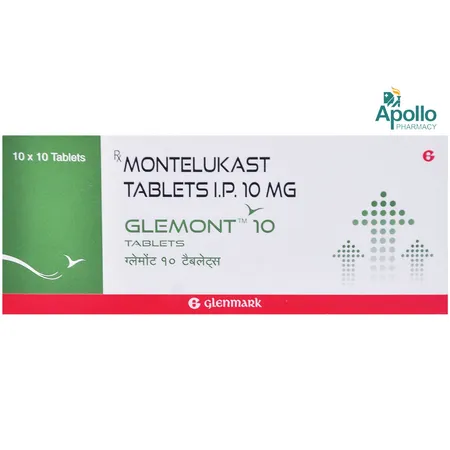
compositionComposition:MONTELUKAST-10MG
prescription
Prescription Medicine
info

Glemont 10mg Tablet is used to treat seasonal allergies and asthma. It contains Montelukast, which reduces inflammation and swelling of the airways in the lungs. This makes breathing easier and prevents asthma attacks. In some cases, it may cause common side effects, such as diarrhoea, headache, abdominal cramps, flu-like symptoms, nausea, dizziness, and vomiting. Before taking this medicine, you should tell your doctor if you are allergic to any of its components or if you are pregnant/breastfeeding, and about all the medications you are taking and pre-existing medical conditions.

Read more
Written By Veda Maddala , M Pharmacy
Reviewed By Dr Aneela Siddabathuni , MPharma., PhD
OffersOffers & Discounts

Get Free delivery (₹99) with circle icon

Join Circle
Get Extra 18% Off with Coupons
Extra 10% Off with Bank Offers
bank offer
bank offer
bank offer

More about the Product

Composition :

MONTELUKAST-10MG

Manufacturer/Marketer :

Glenmark Pharmaceuticals Ltd

Consume Type :

Oral

Expires on or after :

Jan-27

Return Policy :

Not Returnable

NPPA :

Regulated

About Glemont 10mg Tablet

Glemont 10mg Tablet is a medicine used to prevent and manage asthma symptoms over the long term. It also helps relieve seasonal and year-round allergy symptoms, such as sneezing, a stuffy nose, and itchy eyes. Additionally, doctors prescribe this medication to prevent breathing difficulties that occur during exercise.

To get the best results, you must take Glemont 10mg Tablet consistently every single day, even when you do not have any active symptoms. You can take this tablet with or without food, usually in the evening for asthma or allergy control. Making lifestyle changes, such as keeping indoor air clean and avoiding environmental triggers, can also help maximise the benefits of this medication.

While Glemont 10mg Tablet is generally well-tolerated, some people may experience mild side effects like headaches or an upset stomach. However, you should contact your doctor immediately if you notice any severe changes in mood, behaviour, or sleep patterns.

Talk to your doctor before taking Glemont 10mg Tablet if you have liver damage or a history of severe allergies. Do not take this if you are allergic to any of its ingredients, and remember that this medication should not be used to treat a sudden, acute asthma attack.

Let your healthcare provider know about all other medications you take, especially certain seizure treatments or antibiotics, as they can affect how this medicine works. If you are pregnant, breastfeeding, or caring for an elderly individual, consult your doctor or pharmacist before starting Glemont 10mg Tablet .

Uses of Glemont 10mg Tablet

Glemont 10mg Tablet is a leukotriene receptor antagonist used to help control asthma and relieve allergy symptoms by reducing inflammation and narrowing of the airways. It is commonly prescribed for the following conditions:

  • Asthma control and prevention: Glemont 10mg Tablet helps manage daily asthma symptoms and reduces the frequency of asthma flare-ups over time.
  • Seasonal and year-round allergy relief: Glemont 10mg Tablet relieves persistent symptoms of allergic reactions, including sneezing, a runny nose, and nasal congestion.
  • Exercise-induced breathing difficulties: Glemont 10mg Tablet helps prevent the sudden narrowing of airways that occurs during physical exertion or exercise.

Key Benefits

Glemont 10mg Tablet provides long-term control of asthma and allergy symptoms by reducing airway inflammation and preventing the substances that trigger allergic and asthmatic reactions. The following benefits help improve your daily quality of life:

  • Helps Keep Airways Open: It reduces inflammation and airway narrowing, making breathing easier throughout the day and night.
  • Reduces Asthma Flare-Ups: Regular use helps decrease the frequency and severity of asthma attacks, including nighttime coughing and wheezing.
  • Relieves Allergy Symptoms: It helps reduce sneezing, runny nose, nasal congestion, and other allergy symptoms, improving overall comfort during allergy seasons and year-round.
  • Prevents Exercise-Induced Bronchospasm: It helps protect against breathing difficulties triggered by physical activity, allowing you to exercise with greater confidence.
  • Improves Daily Comfort and Sleep Quality: By providing better control of asthma and allergy symptoms, Glemont 10mg Tablet helps reduce nighttime awakenings, supports restful sleep, and enables you to stay active during your daily routine.
Side effects of Glemont 10mg Tablet
Dealing with Medication-Induced Headache:
  • Hydrate your body: Drink enough water to prevent dehydration and headaches.
  • Calm Your Mind: Deep breathing and meditation can help you relax and relieve stress.
  • Rest and Recharge: Sleep for 7-8 hours to reduce headache triggers.
  • Take rest: lie down in a quiet, dark environment.
  • Cold or warm compresses can help reduce tension.
  • Stay Upright: Maintain good posture to keep symptoms from getting worse.
  • To treat headaches naturally, try acupuncture or massage therapy.
  • Over-the-counter pain relievers include acetaminophen and ibuprofen.
  • Prescription Assistance: Speak with your doctor about more substantial drug alternatives.
  • Severe Headaches: Seek emergency medical assistance for sudden, severe headaches.
  • Frequent Headaches: If you get reoccurring headaches, consult your doctor.
  • Headaches with Symptoms: Seek medical attention if your headaches include fever, disorientation, or weakness.
Here are the steps to manage the medication-triggered Upper respiratory tract infection:
  • Inform your doctor about the symptoms you're experiencing due to medication.
  • Your doctor may adjust your treatment plan, which could include changing your medication, adding new medications, or offering advice on managing your symptoms.
  • Practice good hygiene, including frequent handwashing, avoiding close contact with others, and avoiding sharing utensils or personal items.
  • Stay hydrated by drinking plenty of fluids to help loosen and clear mucus from your nose, throat, and airways.
  • Get plenty of rest and engage in stress-reducing activities to help your body recover. If your symptoms don't subside or worsen, consult your doctor for further guidance.
Here's a comprehensive approach to managing medication-triggered fever:
  • Inform your doctor immediately if you experience a fever after starting a new medication.
  • Your doctor may adjust your medication regimen or dosage as needed to minimize fever symptoms.
  • Monitor your body temperature to monitor fever progression.
  • Drink plenty of fluids, such as water or electrolyte-rich beverages, to help your body regulate temperature.
  • Get plenty of rest and engage in relaxation techniques, such as deep breathing or meditation, to help manage fever symptoms.
  • Under the guidance of your doctor, consider taking medication, such as acetaminophen or ibuprofen, to help reduce fever.
  • If your fever is extremely high (over 103°F), or if you experience severe symptoms such as confusion, seizures, or difficulty breathing, seek immediate medical attention.
  • Drink warm fluids such as warm water with honey, broth, soup or herbal tea to soothe sore throat.
  • Gargle with warm salt water.
  • Suck on lozenges to increase the production of saliva and soothe your throat.
  • Use a humidifier to soothe sore throat as it adds moisture to the air and makes breathing easier.
Here are the steps to manage the medication-triggered Cough:
  • Tell your doctor about the cough symptoms you're experiencing, which may be triggered by your medication.
  • Your doctor may adjust your treatment plan by changing your medication, adding new medications, or providing guidance on managing your cough symptoms.
  • Practice good hygiene, including frequent handwashing, avoiding close contact with others, and avoiding sharing utensils or personal items.
  • Stay hydrated by drinking plenty of fluids, such as water, tea, or soup, to help thin out mucus and soothe your throat.
  • Get plenty of rest and engage in stress-reducing activities to help your body recover. If your cough persists or worsens, consult your doctor for further guidance.
  • Drink water or other clear fluids.
  • To prevent worsening of pain, limit intake of tea, coffee, or alcohol.
  • Include bland foods like rice, toast, crackers, and rice in your diet.
  • Avoid lying down immediately after eating as it may cause indigestion or heartburn.
  • Avoid acidic and spicy food as it may cause indigestion.
Here are the precise steps to cope with diarrhoea caused by medication usage:
  • Inform Your Doctor: Notify your doctor immediately about your diarrhoea symptoms. This allows them to adjust your medication or provide guidance on managing side effects.
  • Stay Hydrated: Drink plenty of fluids to replace lost water and electrolytes. Choose water, clear broth, and electrolyte-rich drinks. Avoid carbonated or caffeinated beverages to effectively rehydrate your body.
  • Follow a Bland Diet: Eat easy-to-digest foods to help firm up your stool and settle your stomach. Try incorporating bananas, rice, applesauce, toast, plain crackers, and boiled vegetables into your diet.
  • Avoid Trigger Foods: Steer clear of foods that can worsen diarrhoea, such as spicy, fatty, or greasy foods, high-fibre foods, and dairy products (especially if you're lactose intolerant).
  • Practice Good Hygiene: Maintain good hygiene to prevent the spread of infection. To stay healthy, wash your hands frequently, clean and disinfect surfaces regularly, and avoid exchanging personal belongings with others.
  • Take Anti-Diarrheal Medications: If your doctor advises, anti-diarrheal medications such as loperamide might help manage diarrhoea symptoms. Always follow your doctor's directions.
  • Keep track of your diarrhoea symptoms. If they don't get better or worse or are accompanied by severe stomach pain, blood, or dehydration signs (like extreme thirst or dark urine), seek medical help.

Directions for Use

  • Glemont 10mg Tablet can be taken with or without food, or as advised by a doctor.
  • Follow your doctor's instructions on the dosage and timing of this medication, to ensure the safety.

How Glemont 10mg Tablet Works

Glemont 10mg Tablet contains montelukast, a leukotriene receptor antagonist that helps prevent and control asthma symptoms and relieve allergic rhinitis. Glemont 10mg Tablet works by blocking the action of leukotrienes, natural inflammatory chemicals released by the body in response to allergens and other triggers. Leukotrienes cause the airways to become swollen, tighten, and produce excess mucus, making breathing difficult. By preventing these chemicals from attaching to their receptors, Glemont 10mg Tablet helps reduce airway inflammation, keeps the breathing passages open, and decreases the body's allergic response. Together, these actions help prevent asthma symptoms, improve breathing, and relieve allergy symptoms such as sneezing, a runny nose, and nasal congestion.
bannner image

Alcohol

Unsafe

Avoid drinking alcohol while taking Glemont 10mg Tablet as it can worsen your side effects, such as drowsiness.

bannner image

Pregnancy

Consult your doctor

There is limited data on how Glemont 10mg Tablet affects pregnancy. Please consult your doctor if you are planning to conceive or are already pregnant before starting Glemont 10mg Tablet .

bannner image

Breast Feeding

Consult your doctor

There is limited data on how Glemont 10mg Tablet affects breastfeeding. However, Montelukast may pass into breast milk. Please consult your doctor before starting Glemont 10mg Tablet .

bannner image

Driving

Caution

Do not drive or operate machinery if you experience drowsiness or difficulty in concentrating while using Glemont 10mg Tablet . Glemont 10mg Tablet may affect your ability to drive. Seek medical attention if the symptoms persist longer.

bannner image

Liver

Consult your doctor

Inform your doctor if you have a history of liver disease.

bannner image

Kidney

Consult your doctor

Inform your doctor if you have a history of kidney disease.

bannner image

Children

Caution

Glemont 10mg Tablet is not recommended for use in children under two years of age. The dose may need to be adjusted by your doctor depending on the child's disease condition and age.

bannner image

Heart

Safe if prescribed

Glemont 10mg Tablet is safe for use in heart patients due to its cardioprotective effects.

bannner image

Geriatrics

Safe if prescribed

Glemont 10mg Tablet can be safely given in elderly patients if recommended by the physician.

What if I have taken an overdose of Glemont 10mg Tablet

If you suspect an overdose or experience severe symptoms like severe stomach pain, sleepiness, thirst, or vomiting after taking too much, seek immediate medical attention or contact a poison control centre right away.

Diet & Lifestyle Advise

  • Avoid Known Triggers: Identify and avoid your specific asthma and allergy triggers, such as dust mites, pollen, pet dander, and tobacco smoke.
  • Monitor Air Quality: Check daily pollen and air quality forecasts before planning outdoor exercise or prolonged outdoor activities.
  • Maintain a Clean Indoor Environment: Keep your home's indoor air clean by using air purifiers, washing bedding weekly in hot water, and keeping windows closed during high-pollen seasons.
  • Stay Well Hydrated: Stay well-hydrated throughout the day, as drinking water helps keep the mucus membranes in your airways moist.
  • Track Your Symptoms: Keep a simple daily symptom diary to track how well your breathing is managed, which you can share with your doctor during checkups.
health query

Have a query?

How Soon It Starts Working

  • The time required for Glemont 10mg Tablet to start to work: Glemont 10mg Tablet ideally shows its action within 2 hours after administration.
  • The time for which the effects of Glemont 10mg Tablet last: The effect of Glemont 10mg Tablet lasts for 24 hours.

What if you forget to take Glemont 10mg Tablet

If you miss a dose, take it as soon as you remember. If it is almost time for your next scheduled dose, skip the missed one and return to your regular schedule. Do not take two doses at the same time to make up for a missed one.

Storage

•Store Glemont 10mg Tablet at room temperature, ideally between 15°C and 30°C (59°F and 86°F). •Keep the medicine in its original packaging to protect it from light, moisture, and excessive heat.

Drug Warnings

  • Keep Your Rescue Inhaler Available: Always keep a fast-acting rescue inhaler with you, as Glemont 10mg Tablet will not stop a sudden asthma attack that has already started.
  • Watch for Mood or Behaviour Changes: Be highly alert to any changes in mood, sleep patterns, or behaviour, and contact your doctor immediately if you or your family notice any unusual emotional shifts.
  • Take It Regularly: Take this medication every single day without interruption, even if your symptoms have completely cleared up.
  • Continue Avoiding Aspirin if Advised: If you have asthma that gets worse with aspirin, continue to avoid aspirin and other nonsteroidal anti-inflammatory drugs (NSAIDs) while taking Glemont 10mg Tablet .
  • Inspect the Packaging Before Use: Check the tablet packaging before each use to ensure it is not damaged or exposed to moisture.

Drug-Drug Interactions

verifiedApollotooltip

Glemont 10mg Tablet may interact with certain medicines, which can affect how well it works or alter its effectiveness. Inform your doctor about all prescription medicines, over-the-counter products, vitamins, and herbal supplements you are taking, including:

  • Phenobarbital and Phenytoin: These seizure medicines can speed up how your body breaks down Glemont 10mg Tablet , potentially making it less effective.
  • Rifampin: This antibiotic may lower the levels of Glemont 10mg Tablet in your blood, reducing its ability to control your symptoms.
MontelukastRifapentine
Severe

Drug-Drug Interactions

Login/Sign Up

MontelukastRifapentine
Severe
How does the drug interact with Glemont 10mg Tablet:
Coadministration of Rifapentine with Glemont 10mg Tablet may reduce the blood levels and effects of Glemont 10mg Tablet. This can lead to low treatment outcomes.

How to manage the interaction:
Taking Rifapentine with Glemont 10mg Tablet together can possibly result in an interaction, it can be taken if your doctor has advised it. If you experience increased side effects such as headache, fever, sore throat, cough, abdominal pain, diarrhea, earaches, runny nose, or behavior and mood changes consult a doctor. Do not discontinue any medications without consulting a doctor.
How does the drug interact with Glemont 10mg Tablet:
Coadministration of Miconazole with Glemont 10mg Tablet may increase the blood levels and effects of Glemont 10mg Tablet. This increases the risk or severity of side effects.

How to manage the interaction:
Although there is a possible interaction between miconazole and Glemont 10mg Tablet, you can take these medicines together if prescribed by your doctor. However, if you experience any symptoms such as fever, sore throat, cough, stomach pain, diarrhea, earache, runny nose, or uncommon, depression, confusion, difficulty concentrating, anxiety, hallucinations, irritability. memory impairment, restlessness, sleep walking, Consult a doctor immediately. Do not stop using medications without a doctor's advice.
How does the drug interact with Glemont 10mg Tablet:
Coadministration of Glemont 10mg Tablet and Phenytoin may reduce the blood levels and effects of Glemont 10mg Tablet. This can lead to low treatment outcomes.

How to manage the interaction:
Taking Glemont 10mg Tablet and Phenytoin may interact with one another, but they can be taken together if your doctor has prescribed them. However, if you experience signs such as headache, fever, sore throat, cough, abdominal pain, diarrhoea, earache, runny nose, or behaviour and mood changes, consult a doctor immediately. Do not discontinue any medications without consulting a doctor.
How does the drug interact with Glemont 10mg Tablet:
Coadministration of Glemont 10mg Tablet and primidone can reduce the levels and effects of Glemont 10mg Tablet.

How to manage the interaction:
Taking Glemont 10mg Tablet and Primidone together can possibly result in an interaction, it can be taken if prescribed by a doctor. However, if you experience any unusual symptoms, contact a doctor immediately. Do not discontinue any medications without consulting a doctor.
How does the drug interact with Glemont 10mg Tablet:
Coadministration of Glemont 10mg Tablet and rifabutin can reduce the levels and effects of Rifabutin. This can lead to low treatment outcomes.

How to manage the interaction:
Taking Glemont 10mg Tablet and rifabutin together can possibly result in an interaction, it can be taken if your doctor has advised it. However, if you experience increased side effects such as headache, fever, sore throat, cough, abdominal pain, diarrhea, earache, runny nose, or behavior and mood changes consult a doctor. Do not discontinue any medications without consulting a doctor.

Drug-Food Interactions

verifiedApollotooltip

No clinically significant food interactions are known with Glemont 10mg Tablet when used as directed.

No Drug - Food interactions found in our database. Some may be unknown. Consult your doctor for what to avoid during medication.

Drug-Food Interactions

Login/Sign Up

Habit Forming

No

Therapeutic Class

[RESPIRATORY STIMULANTS]

FAQs

Glemont 10mg Tablet is commonly used to treat asthma and seasonal allergies by reducing inflammation and allergic responses. It helps prevent breathing difficulties and relieves symptoms like sneezing, nasal congestion, and watery eyes.
Glemont 10mg Tablet contains a leukotriene antagonist, Montelukast. It works by blocking a chemical messenger (leukotriene) and reduces inflammation and swelling in the airways of the lungs. This makes breathing easier and prevents asthma attacks.
Although it is very uncommon, Glemont 10mg Tablet can cause mood changes (symptoms include anxiety, aggressive behaviour, irritability, and restlessness). Sometimes, you might feel depressed. Inform your doctor if you experience any of these symptoms.
Therapy with leukotriene receptor antagonists like Montelukast may worsen the symptoms of psychotic events in patients with a history of mental illness. Careful administration and monitoring are essential before taking Glemont 10mg Tablet in patients with neuropsychiatric disorders. Please consult your doctor before taking Glemont 10mg Tablet if you have been diagnosed or have a history of mental illness like depression, seizures (fits), etc.
Glemont 10mg Tablet is not a steroid. It belongs to a group of medicines called leukotriene receptor antagonists. It works by blocking certain chemicals in the body (leukotrienes) that cause swelling and allergy symptoms, helping to relieve them without using steroids.
Do not use Glemont 10mg Tablet to treat an asthma attack. Always use your reliever inhaler. Seek medical attention if you have any concerns.
Glemont 10mg Tablet controls the symptoms of allergic rhinitis but does not cure these conditions. Continue to take montelukast even if you feel well. Do not stop taking montelukast without talking to your doctor.
Avoid drinking alcohol while taking Glemont 10mg Tablet as it can worsen your side effects like drowsiness.
While specific dosing instructions will vary depending on your needs and medical history. Always follow your doctor's prescribed dosage and timing for taking these medications.
Individual needs may vary from person to person, so it should be used as directed by the physician. Your doctor may adjust the dose depending on the child's disease and age.
Glemont 10mg Tablet may cause changes in vision, so it is advisable to avoid driving or operating any machine that requires mental alertness.
Glemont 10mg Tablet contains Montelukast, a leukotriene receptor antagonist that blocks the action of leukotrienes, chemicals released in the body during allergic reactions and asthma. This helps reduce inflammation and swelling, relieving symptoms such as wheezing, shortness of breath, sneezing, and nasal congestion or a runny nose.
Yes, you can take Glemont 10mg Tablet with or without food. Taking it at the same time every day is what matters most for its effectiveness. Talk to your doctor or pharmacist if you experience any stomach upset.
No, you should not stop taking Glemont 10mg Tablet without consulting your healthcare provider first. Stopping the medication suddenly can cause your asthma or allergy symptoms to return or worsen. Talk to your doctor before making any changes.
Drowsiness is not a highly common side effect of Glemont 10mg Tablet , but some individuals may feel sleepy or dizzy. Pay attention to how this medicine affects you before driving or operating machinery. Talk to your doctor if drowsiness becomes a persistent problem.
If you have aspirin-sensitive asthma, you must continue to avoid aspirin and other nonsteroidal anti-inflammatory drugs (NSAIDs) while taking Glemont 10mg Tablet , as this medicine does not prevent attacks triggered by these pain relievers. Talk to your doctor or pharmacist about safe pain relief options.
While there is no strong evidence of harm, Glemont 10mg Tablet should only be used during pregnancy if your healthcare provider determines that the benefit outweighs the risk. Talk to your doctor if you are pregnant, planning to become pregnant, or breastfeeding.
The common side effects of Glemont 10mg Tablet may include diarrhoea, headache, abdominal cramps, flu-like symptoms, nausea, dizziness, and vomiting. Most of these side effects do not require medical attention and will resolve gradually over time. However, you are advised to talk to your doctor if you experience these side effects persistently.

Disclaimer

While we strive to provide complete, accurate, and expert-reviewed content on our 'Platform', we make no warranties or representations and disclaim all responsibility and liability for the completeness, accuracy, or reliability of the aforementioned content. The content on our platform is for informative purposes only, and may not cover all clinical/non-clinical aspects. Reliance on any information and subsequent action or inaction is solely at the user's risk, and we do not assume any responsibility for the same. The content on the Platform should not be considered or used as a substitute for professional and qualified medical advice. Please consult your doctor for any query pertaining to medicines, tests and/or diseases, as we support, and do not replace the doctor-patient relationship.

Country of origin

India

Manufacturer/Marketer address

Glenmark Pharmaceuticals Limited, B/2, Mahalaxmi Chambers, 22, Bhulabhai Desai Road, Mumbai – 400 026.
Other Info - GLE0042
whatsapp Floating Button
Buy Now
Add to Cart