apollo
0
  1. Home
  2. Medicine
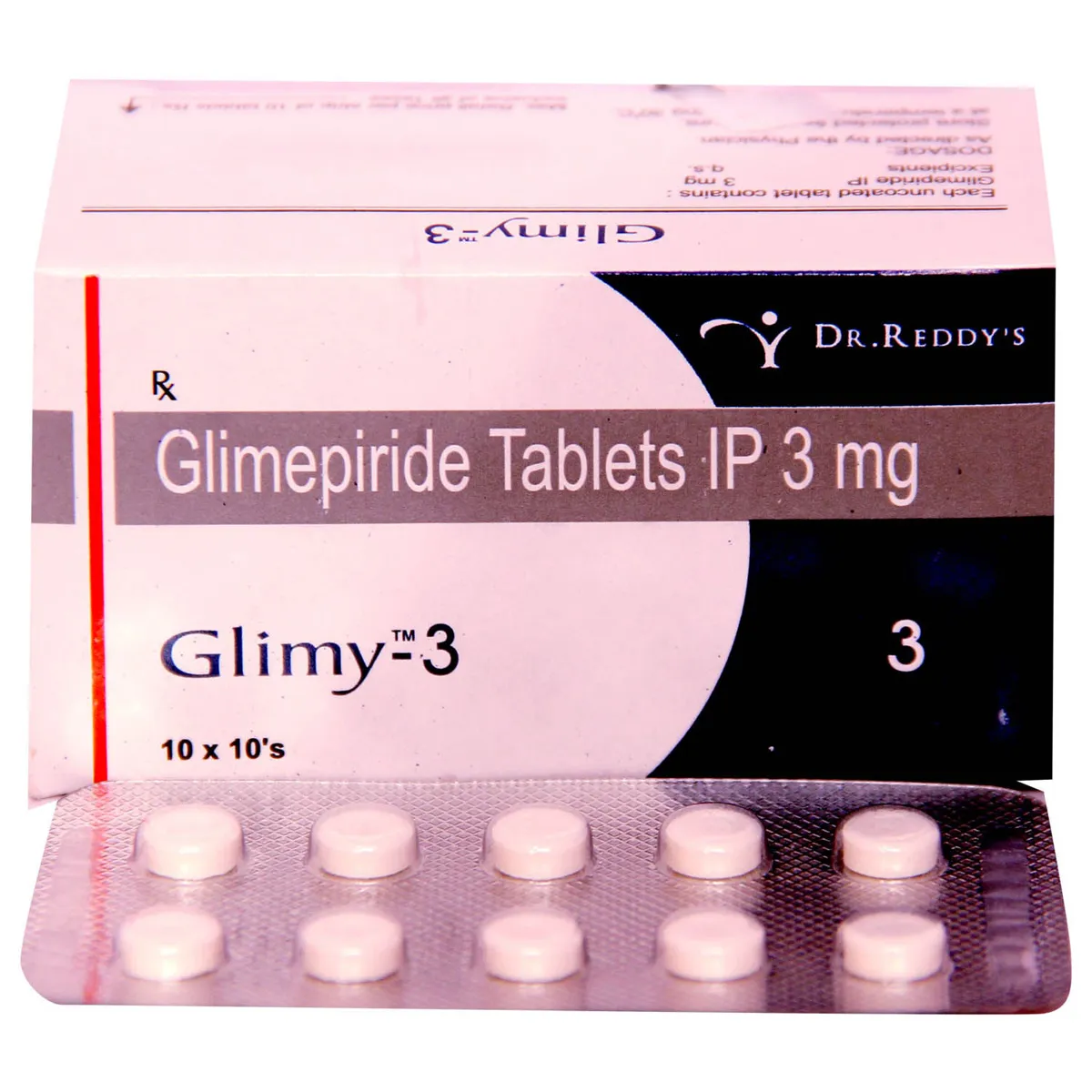
  3. Glimy-3 Tablet 10's

Prescription drug
 Trailing icon
coupon
coupon
coupon
Extra 15% Off with Bank Offers
Written By Santoshini Reddy G , M Pharmacy
Reviewed By Dr Aneela Siddabathuni , MPharma., PhD

Glimy-3 Tablet is used to lower raised blood sugar levels in Type 2 diabetes mellitus (non-insulin-dependent diabetes mellitus - NIDDM). It contains Glimepiride which acts on insulin-secreting cells called beta cells inside the pancreas and activates calcium channels on cells which lets insulin pass out of the cell. This insulin then makes each cell in the body take up glucose and utilize it, thus lowering raised blood glucose. It may cause side effects such as allergic reaction (skin rash, hives, sensitivity to sun rays), liver dysfunction (jaundice, bile duct blockage, and hepatitis), seizures, or low glucose levels. Before taking this medicine, you should tell your doctor if you are allergic to any of its components or if you are pregnant/breastfeeding, and about all the medications you are taking and pre-existing medical conditions.

Read more

Composition :

GLIMEPIRIDE-3MG

Manufacturer/Marketer :

Dr Reddy's Laboratories Ltd

Consume Type :

ORAL

Return Policy :

Not Returnable

Expires on or after :

About Glimy-3 Tablet

Glimy-3 Tablet is used to lower raised blood sugar levels in Type 2 diabetes mellitus. Type 2 diabetes develops if the body does not produce enough insulin or when the body's insulin does not work as well as it should.

Glimy-3 Tablet contains glimepiride, which helps the pancreas release more insulin, thereby lowering blood sugar levels. Therefore, it prevents symptoms of type 2 diabetes.

Some people may experience an allergic reaction (skin rash, hives & sensitivity to sun rays), low glucose levels, nausea, headache, and shock. Most of these side effects of Glimy-3 Tablet do not require medical attention and gradually resolve over time. However, if the side effects persist or worsen, please consult your doctor.

Inform your doctor if you are allergic to Glimy-3 Tablet . Glimy-3 Tablet should not be stopped even if you feel better without consulting your doctor as the sugar level keeps changing. Glimy-3 Tablet should not be taken if you have type 1 diabetes mellitus or severe kidney or liver disease. Please inform your doctor if you have any heart disease or plan to get pregnant or breastfeed.

Uses of Glimy-3 Tablet

Glimy-3 Tablet is used in the treatment of type 2 diabetes mellitus. The detailed uses of Glimy-3 Tablet are as follows:

  • Management of Type 2 Diabetes: Glimy-3 Tablet helps lower blood sugar levels in individuals diagnosed with type 2 diabetes.
  • Improvement of Insulin Sensitivity: Glimy-3 Tablet enhances the action of insulin, making the body's tissues more responsive to it.
  • Reduction of Cardiovascular Risks: Regular use of Glimy-3 Tablet can help reduce the risk of cardiovascular diseases in diabetic patients.
  • Control of Blood Sugar Levels Post Meals: Glimy-3 Tablet assists in lowering postprandial blood sugar spikes, which is beneficial for overall diabetes management.

Have a query?

Directions for Use

  • Glimy-3 Tablet should be taken with food.
  • Follow your doctor's instructions on the dosage and timing of this medication.
  • Swallow Glimy-3 Tablet as a whole with a glass of water.
  • Do not crush, break, or chew it.

Medicinal Benefits

  • Glimy-3 Tablet is indicated as an adjunct to diet and exercise to improve glycaemic control in patients with type 2 diabetes.
  • It helps manage blood glucose levels in patients with diabetes and prevents diabetes-related complications like kidney damage, eye problems, and nerve issues.
  • Glimepiride stimulates cells in the pancreas that produce insulin, which helps remove sugar from the blood.

How Glimy-3 Tablet Works

The Glimy-3 Tablet contains Glimepiride, which acts on insulin-secreting cells called beta cells inside the pancreas and activates calcium channels on cells, allowing insulin to exit the cell. This insulin then makes each cell in the body take up glucose and utilise it, thus lowering the blood glucose. Therefore, it prevents symptoms of type 2 diabetes.

Storage

• Store in a cool and dry place away from sunlight. • Keep out of sight and reach of children. • Non cold chain - To be stored in cool places at 10ºC to 25ºC or below 30ºC.

What if I have taken an overdose of Glimy-3 Tablet

Do not take more than the prescribed dose of Glimy-3 Tablet as it may cause an overdose, leading to low blood sugar. Early signs of low blood sugar include sweating, feeling hungry, trembling or shaking, feeling confused, or having problems concentrating. If you suspect you have low blood sugar, eat or drink something that quickly increases blood sugar levels, such as fruit juice or sugar cubes. However, if your condition does not improve, please consult a doctor immediately.

Drug Warnings

  • Do not take Glimy-3 Tablet if you are allergic to any of its components, if you have type 1 diabetes mellitus, diabetic ketoacidosis or diabetic coma.
  • Inform the doctor if you have liver or kidney problems, low blood sugar, or circulation problems.
  • Glimy-3 Tablet is not recommended for pregnant women as it may harm the unborn baby. Please consult a doctor if you are pregnant or planning to become pregnant. This medicine may pass into breast milk; therefore, it should be avoided in nursing mothers.
  • Glimy-3 Tablet may decrease alertness in some people. Therefore, drive only if you are alert after taking Glimy-3 Tablet .
  • Avoid alcohol consumption with Glimy-3 Tablet as it may increase the risk of lactic acidosis (accumulation of lactic acid in the body).
  • Beware of symptoms of hypoglycemia (low blood sugar), which include sweating, dizziness, palpitations, shivering, intense thirst, dry mouth, dry skin, frequent urination, etc. Whenever you experience any of these symptoms, immediately consume candies, glucose biscuits, or honey/sugar. Make sure to carry these with you at all times, especially during long travels

Drug-Drug Interactions

verifiedApollotooltip

Drug-Drug Interactions

Login/Sign Up

How does the drug interact with Glimy-3 Tablet:
When Glimy-3 Tablet is taken with Thioridazine may interfere with blood glucose control and reduce the effectiveness of Glimy-3 Tablet.

How to manage the interaction:
Taking Glimy-3 Tablet with Thioridazine together can possibly result in an interaction, but it can be taken if a doctor has advised it. If you notice any of these signs - really high or low blood sugar levels - make sure to contact a doctor right away. Do not stop using any medications without a doctor's advice.
How does the drug interact with Glimy-3 Tablet:
Taking Glimy-3 Tablet with Sulfadiazine may increase the risk of low blood sugar.

How to manage the interaction:
Although there is a possible interaction, Glimy-3 Tablet can be taken with sulfadiazine if prescribed by the doctor. Consult the prescriber if you experience symptoms of low blood sugar such as headache, dizziness, drowsiness, nervousness, confusion, tremor, nausea, hunger, weakness, perspiration, palpitation, and rapid heartbeat. Do not discontinue the medications without consulting a doctor. Do not discontinue the medications without consulting a doctor.
How does the drug interact with Glimy-3 Tablet:
Co-administration of Moxifloxacin can affect blood glucose levels. Both high blood glucose and low blood glucose.

How to manage the interaction:
Although there is a possible interaction, Glimy-3 Tablet can be taken with Moxifloxacin if prescribed by the doctor. Consult the doctor if you experience headache, dizziness, rapid heartbeat, increased thirst, and increased urination. Do not discontinue the medications without consulting a doctor.
How does the drug interact with Glimy-3 Tablet:
Co-administration of Glimy-3 Tablet with Isoniazid may interfere with blood glucose control and reduce the effectiveness of Glimy-3 Tablet.

How to manage the interaction:
Although there is a possible interaction, Glimy-3 Tablet can be taken with Isoniazid if prescribed by the doctor. Regular monitoring of blood glucose levels is advised. Do not discontinue the medications without consulting a doctor.
GlimepirideCinoxacin
Severe
How does the drug interact with Glimy-3 Tablet:
Co-administration of Glimy-3 Tablet with Cinoxacin can sometimes affect blood glucose levels. Both hyperglycemia (high blood glucose) and, less frequently, hypoglycemia (low blood glucose) have been reported.

How to manage the interaction:
Although there is an interaction between Glimy-3 Tablet and Cinoxacin can lead to an interaction. However, consult a doctor immediately if you experience any symptoms of hyperglycemia such as increased thirst, increased hunger, and increased urination of hypoglycemia include headache, dizziness, drowsiness, nervousness, confusion, tremor, nausea, hunger, weakness, perspiration, palpitation, and rapid heartbeat, symptoms of hyperglycemia may include increased thirst, increased hunger, and increased urination. Do not discontinue the medications without consulting a doctor.
GlimepirideTrovafloxacin
Severe
How does the drug interact with Glimy-3 Tablet:
When Glimy-3 Tablet is taken with Trovafloxacin, it can affect blood glucose levels either hypoglycemia or hyperglycemia.

How to manage the interaction:
Taking Glimy-3 Tablet with Trovafloxacin together can possibly result in an interaction, but it can be taken if a doctor has advised it. It's important to be aware of symptoms like increased urination and thirst, and to contact your doctor if you experience any concerning symptoms. Your doctor may be able to suggest alternative medications that don't interact with your diabetes treatment. Do not stop using any medications without a doctor's advice.
How does the drug interact with Glimy-3 Tablet:
Co-administration of Ofloxacin and Glimy-3 Tablet can sometimes have an effect on blood glucose levels.

How to manage the interaction:
Although combining Ofloxacin and Glimy-3 Tablet can lead to an interaction, they can be taken on a doctor's advice. If you experience any symptoms of hypoglycemia (headache, dizziness, sleepiness, nervousness, confusion, shaking, nausea, hunger, weakness, sweat, palpitation, and rapid heartbeat) or hyperglycemia (increased thirst, hunger, and urination), consult a doctor. Keep an eye on your blood glucose level. Do not discontinue any medications without consulting a doctor.
How does the drug interact with Glimy-3 Tablet:
Taking indomethacin with Glimy-3 Tablet may increase the risk of low blood sugar.

How to manage the interaction:
Although there is a possible interaction, Glimy-3 Tablet can be taken with indomethacin if prescribed by the doctor. Consult the doctor if you experience symptoms of low blood sugar such as headache, dizziness, drowsiness, nervousness, confusion, tremor, nausea, hunger, weakness, perspiration, palpitation, and rapid heartbeat.
GlimepirideGrepafloxacin
Severe
How does the drug interact with Glimy-3 Tablet:
Co-administration of Glimy-3 Tablet with Grepafloxacin can sometimes affect blood glucose levels. Both hyperglycemia (high blood glucose) and, less frequently, hypoglycemia (low blood glucose) have been reported.

How to manage the interaction:
Although there is a possible interaction between Glimy-3 Tablet and Grepafloxacin, you can take these medicines together if prescribed by a doctor. If you experience any of these symptoms - low blood sugar, headache, dizziness, sleepiness, confusion, shaking, feeling hungry, weak, heart racing, high blood sugar, low blood sugar, serious infections, bleeding, feeling anxious, feeling sick or very thirsty - make sure to call a doctor right away. Do not stop using any medications without talking to a doctor.
How does the drug interact with Glimy-3 Tablet:
When Glimy-3 Tablet is taken with Nalidixic acid, can sometimes affect blood glucose levels. Both hyperglycemia (high blood glucose) and, less frequently, hypoglycemia (low blood glucose) have been reported.

How to manage the interaction:
There may be a possibility of interaction between Glimy-3 Tablet and Nalidixic acid, but it can be taken if prescribed by a doctor. It's important to monitor your blood sugar levels closely. If you experience symptoms like kidney problems, low or high blood sugar, or other concerning symptoms, contact a doctor right away. They may be able to suggest alternative medications that won't interact with a diabetes treatment. Do not discontinue any medications without consulting a doctor.

Drug-Food Interactions

verifiedApollotooltip
No Drug - Food interactions found in our database. Some may be unknown. Consult your doctor for what to avoid during medication.

Drug-Food Interactions

Login/Sign Up

Diet & Lifestyle Advise

  • Do regular exercise such as cycling, walking, jogging, dancing or swimming for a minimum of 30 minutes per day. Invest at least 150 minutes of your week in exercise.
  • Maintain healthy body weight as obesity is also related to the onset of diabetes.
  • Maintain a low fat and a low sugar diet. Replace carbohydrates-containing foods with whole grains, fruits and vegetables, as carbohydrates turn to sugars, leading to high blood sugar.
  • Avoid consumption of alcohol and quit smoking.

Habit Forming

No

Therapeutic Class

ANTIDIABETICS AND ANTIHYPERGLYCEMICS

All Substitutes & Brand Comparisons

bannner image

Alcohol

Caution

Not recommended to take Glimy-3 Tablet with alcohol. Alcohol intake may increase or decrease the blood sugar lowering action of Glimy-3 Tablet in an unpredictable way resulting in a harmful event.

bannner image

Pregnancy

Caution

Glimy-3 Tablet is a pregnancy Category C medicine which means that there are no well-controlled studies that have been done in pregnant women. However, if you are taking Glimy-3 Tablet during pregnancy, stop taking it at least 2 weeks before your due date or as prescribed by your doctor.

bannner image

Breast Feeding

Caution

Not recommended to be taken by breastfeeding mothers. Glimy-3 Tablet may pass into breast milk and may cause the risk of low blood sugar in the infant. Consult your doctor for further advice.

bannner image

Driving

Caution

Not recommended in patients with fluctuating glucose levels. Glimy-3 Tablet can reduce the ability to concentrate or react, if your blood sugar is lowered (hypoglycemia) or raised (hyperglycemia) or if you develop visual problems as a result of such conditions. Thus not recommended as the patient can endanger himself or others (e.g. when driving a car or using machines).

bannner image

Liver

Consult your doctor

Take Glimy-3 Tablet with caution, especially if you have a history of liver disease. The dose may be adjusted by your doctor as required.

bannner image

Kidney

Consult your doctor

Take Glimy-3 Tablet with caution, especially if you have a history of kidney disease. The dose may be adjusted by your doctor as required.

bannner image

Children

Unsafe

Glimy-3 Tablet is not approved for use by a person less than 18 years old.

bannner image

Heart

Please consult your doctor before using Glimy-3 Tablet if you have pre-existing heart problems. Your doctor will prescribe Glimy-3 Tablet if the benefits outweigh the risks.

bannner image

Geriatrics

Consult your doctor

Please consult a doctor before administering Glimy-3 Tablet to geriatric patients. Your doctor will prescribe Glimy-3 Tablet if the benefits outweigh the risks.

FAQs

Glimy-3 Tablet is used to lower raised blood sugar levels in Type 2 diabetes mellitus (non-insulin-dependent diabetes mellitus - NIDDM).

The Glimy-3 Tablet contains Glimepiride which acts on insulin-secreting cells called beta cells inside the pancreas and activates calcium channels on cells which lets insulin pass out of the cell. This insulin then makes each cell in the body take up glucose and utilize it, thus lowering raised blood glucose. Therefore, it prevents symptoms of type 2 diabetes.

A patient is advised to take the missed dose as soon as possible or skip to the next dose if it's been too late. A patient should never attempt to take a double dose to compensate for the missed dose as it may prove harmful.

Glimy-3 Tablet is not recommended with warfarin as these two drugs are contraindicated with each other and hence may result in any harmful symptom when taken together in heart patients.

Avoid intake of Glimy-3 Tablet and consult a doctor if you have an allergy to sulfa drugs, diabetic ketoacidosis, heart disease, liver or kidney disease, an enzyme deficiency called glucose-6-phosphate dehydrogenase deficiency (G6PD).

Country of origin

India

Manufacturer/Marketer address

Dr. Reddy's Laboratories Ltd., 8-2-337, Road No. 3, Banjara Hills, Hyderabad, Telangana 500034, INDIA
Other Info - GLI0033

Disclaimer

While we strive to provide complete, accurate, and expert-reviewed content on our 'Platform', we make no warranties or representations and disclaim all responsibility and liability for the completeness, accuracy, or reliability of the aforementioned content. The content on our platform is for informative purposes only, and may not cover all clinical/non-clinical aspects. Reliance on any information and subsequent action or inaction is solely at the user's risk, and we do not assume any responsibility for the same. The content on the Platform should not be considered or used as a substitute for professional and qualified medical advice. Please consult your doctor for any query pertaining to medicines, tests and/or diseases, as we support, and do not replace the doctor-patient relationship.
whatsapp Floating Button

Recommended for a 30-day course: 3 Strips

Buy Now
Add 3 Strips