apollo
logo
0
Select Delivery Location
prescription
Prescription Medicine
info
Written By Veda Maddala , M Pharmacy
Reviewed By Dr Aneela Siddabathuni , MPharma., PhD
OffersOffers & Discounts

Get Free delivery (₹99) with circle icon

Join Circle
Get Extra 18% Off with Coupons
Extra 10% Off with Bank Offers
bank offer
bank offer
bank offer

More about the Product

Manufacturer/Marketer :

Eris Life Sciences Ltd

Consume Type :

Oral

Expires on or after :

Jan-27

Return Policy :

Not Returnable

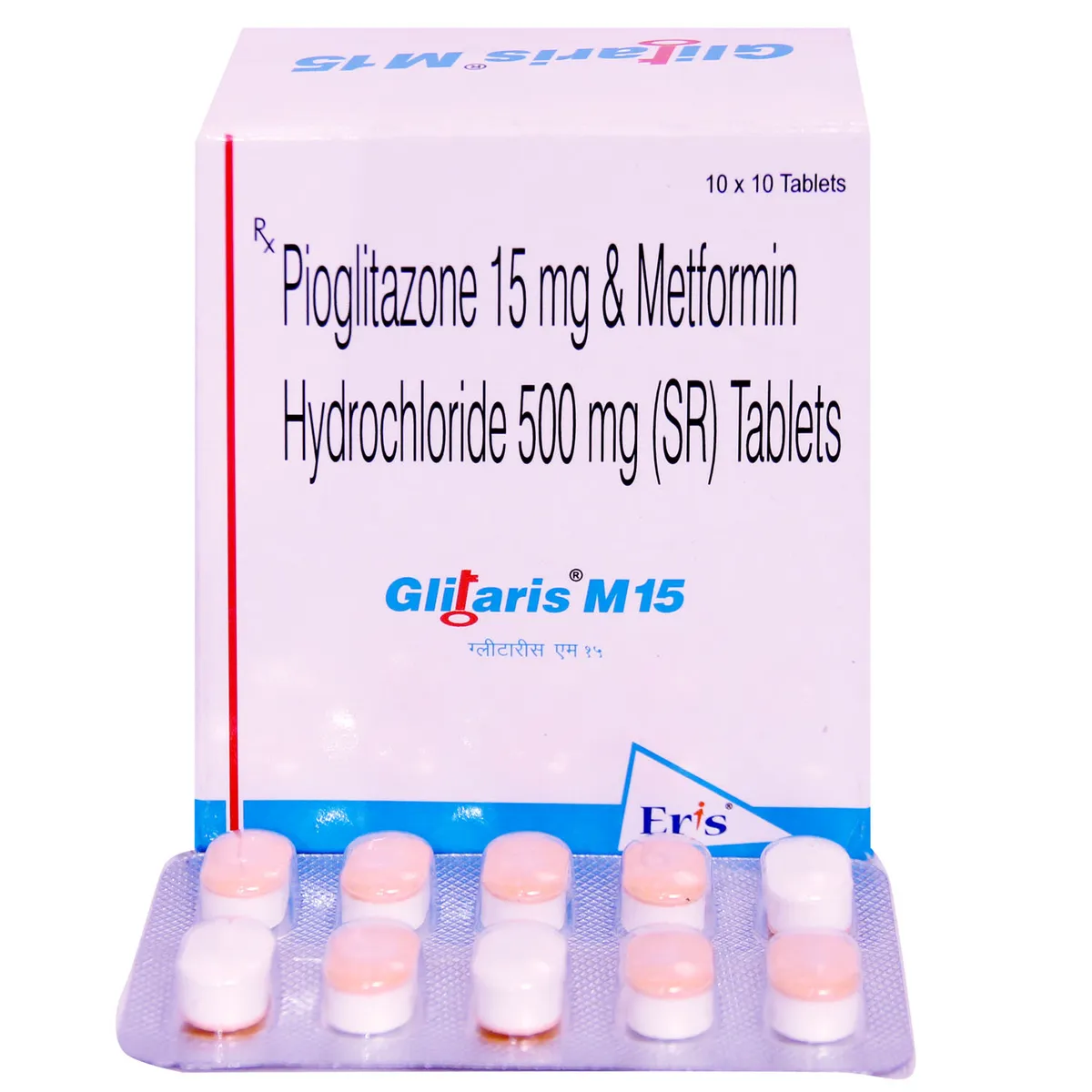
About Glitaris M 15 Tablet

Glitaris M 15 Tablet is a combination prescription medicine used to control high blood sugar in adults with type 2 diabetes. It is prescribed when a single medication, along with diet and exercise, is not enough to keep blood sugar levels in a healthy range. By helping your body use insulin better, this medicine plays an important role in daily diabetes management.

You should take this medicine consistently every day exactly as prescribed by your doctor. It is usually taken with meals to reduce the chance of experiencing an upset stomach. To get the best results, you must combine this medication with a healthy diet, regular physical activity, and routine blood sugar monitoring as advised by your healthcare team.

While taking Glitaris M 15 Tablet , some people may experience mild side effects like a temporary upset stomach, cold-like symptoms, or gradual weight gain. However, you must contact your doctor immediately if you notice serious symptoms, such as sudden shortness of breath, severe swelling in your legs, or signs of liver damage like yellowing of your skin or eyes.

Before starting Glitaris M 15 Tablet , tell your doctor about your complete medical history. Do not take this medicine if you have severe kidney disease, active liver disease, diabetic ketoacidosis, or severe congestive heart failure. Your doctor will evaluate your health to make sure this combination is safe and appropriate for your specific condition.

This medicine can interact with other substances, including alcohol, which significantly increases the risk of a rare but serious condition called lactic acidosis. You should also consult your doctor before using this medicine if you are pregnant, planning to become pregnant, breastfeeding, or if you are an older adult, as special precautions or monitoring may be required.

Uses of Glitaris M 15 Tablet

Glitaris M 15 Tablet is used in the treatment of type 2 diabetes. The detailed uses of Glitaris M 15 Tablet are as follows:

  • Type 2 diabetes mellitus: Glitaris M 15 Tablet is used to improve blood sugar control in adults whose blood sugar levels are not adequately managed by diet, exercise, or other single diabetes medications alone.

Key Benefits

Glitaris M 15 Tablet helps improve blood sugar control by maintaining steady daily glucose levels and preventing sharp spikes. It also supports long-term health by reducing the risk of serious diabetes complications and protecting vital organs.

Benefits may include:

  • Helps maintain steady daily blood sugar levels and prevents sharp spikes that cause fatigue or sluggishness.
  • Reduces the long-term risk of serious diabetes complications, including nerve damage, kidney problems, and vision loss.
  • Simplifies your daily treatment routine by combining two different therapeutic actions into a single, easy-to-take tablet.
  • Helps your body use existing insulin more effectively, reducing sugar absorbed from food and produced by the liver.
  • Lowers the risk of sudden, unexpected drops in blood sugar (hypoglycemia).
  • Helps you manage your health with greater confidence and peace of mind.
Side effects of Glitaris M 15 Tablet
Here are the precise steps to cope with diarrhoea caused by medication usage:
  • Inform Your Doctor: Notify your doctor immediately about your diarrhoea symptoms. This allows them to adjust your medication or provide guidance on managing side effects.
  • Stay Hydrated: Drink plenty of fluids to replace lost water and electrolytes. Choose water, clear broth, and electrolyte-rich drinks. Avoid carbonated or caffeinated beverages to effectively rehydrate your body.
  • Follow a Bland Diet: Eat easy-to-digest foods to help firm up your stool and settle your stomach. Try incorporating bananas, rice, applesauce, toast, plain crackers, and boiled vegetables into your diet.
  • Avoid Trigger Foods: Steer clear of foods that can worsen diarrhoea, such as spicy, fatty, or greasy foods, high-fibre foods, and dairy products (especially if you're lactose intolerant).
  • Practice Good Hygiene: Maintain good hygiene to prevent the spread of infection. To stay healthy, wash your hands frequently, clean and disinfect surfaces regularly, and avoid exchanging personal belongings with others.
  • Take Anti-Diarrheal Medications: If your doctor advises, anti-diarrheal medications such as loperamide might help manage diarrhoea symptoms. Always follow your doctor's directions.
  • Keep track of your diarrhoea symptoms. If they don't get better or worse or are accompanied by severe stomach pain, blood, or dehydration signs (like extreme thirst or dark urine), seek medical help.
Overcome Medication-Induced Nausea: A 9-Step Plan
  • Inform your doctor about the nausea and discuss possible alternatives to the medication or adjustments to the dosage.
  • Divide your daily food intake into smaller, more frequent meals to reduce nausea.
  • Opt for bland, easily digestible foods like crackers, toast, plain rice, bananas, and applesauce.
  • Avoid certain foods that can trigger nausea, such as fatty, greasy, spicy, and smelly foods.
  • Drink plenty of fluids, such as water, clear broth, or electrolyte-rich beverages like coconut water or sports drinks.
  • Use ginger (tea, ale, or candies) to help relieve nausea.
  • Get adequate rest and also avoid strenuous activities that can worsen nausea.
  • Talk to your doctor about taking anti-nausea medication if your nausea is severe.
  • Record when your nausea occurs, what triggers it, and what provides relief to help you identify patterns and manage your symptoms more effectively.
To prevent, manage, and treat Constipation caused by medication usage, follow these steps:
  • Preventing Vomiting (Before it Happens)
  • Take medication exactly as prescribed by your doctor. This can help minimize side effects, including vomiting.
  • Having a small meal before taking your medication can help reduce nausea and vomiting.
  • Talk to your doctor about taking anti-nausea medication along with your prescribed medication.
  • Managing Vomiting (If it Happens)
  • Try taking ginger in the form of tea, ale, or candy to help alleviate nausea and vomiting.
  • What to Do if Vomiting Persists
  • Consult your doctor if vomiting continues or worsens, consult the doctor for guidance on adjusting your medication or additional treatment.
Here are the steps to manage Gastrointestinal Air and Swelling (GAS) caused by medication:
  • Tell your doctor about your GAS symptoms. They may change your medication regimen or prescribe additional drugs to help you manage them.
  • To manage GAS symptoms, eat a balanced diet of fibre, vegetables, and fruits.
  • Drink enough water throughout the day to avoid constipation and treat GAS symptoms.
  • Regular exercise like yoga and walking may help stimulate digestion and alleviate GAS symptoms.
  • Take probiotics only if your doctor advises, as they may help alleviate GAS symptoms by promoting gut health.
  • Take medication for GAS symptoms only if your doctor advises, as certain medications can interact with your existing prescriptions or worsen symptoms.
  • If symptoms persist, worsen, or are accompanied by severe abdominal pain, vomiting, or bleeding, seek immediate medical attention.
  • If you experience low blood sugar levels, inform your doctor. They will assess the severity and make recommendations for the next actions.
  • Your doctor will assess your symptoms, blood sugar levels, and overall health before recommending the best course of action, which may include treatment, lifestyle modifications, or prescription adjustments.
  • Follow your doctor's instructions carefully to manage the episode and adjust your treatment plan.
  • Make medication adjustments as recommended by your doctor to prevent future episodes.
  • Implement diet and lifestyle modifications as your doctor advises to manage low blood sugar levels.
  • Monitor your blood sugar levels closely for patterns and changes.
  • Track your progress by recording your blood sugar levels, food intake, and physical activity.
  • Seek further guidance from your doctor if symptoms persist or worsen so that your treatment plan can be revised.
Here are the step-by-step strategies to manage the side effects of "indigestion" caused by medication usage:
  • Take medications with food (if recommended): It can help prevent stomach distress and indigestion.
  • Eat smaller, more frequent meals: Divide daily food intake into smaller, more frequent meals to ease digestion.
  • Avoid trigger foods: Identify and avoid foods that trigger indigestion, such as spicy, fatty, or acidic foods.
  • Stay upright after eating: Sit or stand upright for at least 1-2 hours after eating to prevent stomach acid from flowing into the oesophagus.
  • Avoid carbonated drinks: Avoid drinking carbonated beverages, such as soda or beer, which can worsen indigestion.
  • Manage stress: To alleviate indigestion, engage in stress-reducing activities like deep breathing exercises or meditation.
  • Consult a doctor if needed: If indigestion worsens or persists, consult a healthcare professional to adjust the medication regimen or explore alternative treatments.
  • Rest well; get enough sleep.
  • Eat a balanced diet and drink enough water.
  • Manage stress with yoga and meditation.
  • Limit alcohol and caffeine.
  • Physical activities like walking or jogging might help boost energy and make you feel less tired.

Directions for Use

  • Swallow the tablet whole with a full glass of water. Do not crush, chew, or break the tablet, as this can interfere with how the medicine is released into your body.
  • Take the tablet with meals. This helps lower the risk of experiencing stomach upset, nausea, or diarrhoea.
  • Try to take your dose at the same time every day to establish a consistent routine and keep a steady amount of medicine in your body.
  • Always follow your doctor's exact instructions regarding how often to take your medicine and when to have your regular blood tests.

How Glitaris M 15 Tablet Works

Glitaris M 15 Tablet contains Pioglitazone (thiazolidinedione) and Metformin (biguanide). • Metformin works primarily in your liver. It significantly reduces the amount of sugar your liver produces and releases into your blood. It also decreases the amount of sugar your intestines absorb from food. • Pioglitazone works directly in your body's muscle and fat tissues. It acts as an insulin sensitiser, which helps your cells respond much better to your body's own insulin. This allows your muscles to absorb sugar from your blood more effectively and use it for daily energy.
bannner image

Alcohol

Unsafe

Not recommended with alcohol as it may result in a harmful decrease or increase in levels of blood sugar depending on how much alcohol a patient has consumed.

bannner image

Pregnancy

Caution

Not recommended in pregnancy. Glitaris M 15 Tablet treatment should be stopped and replaced with any other alternative drug from other blood sugar-lowering agents on the recommendation of a doctor. You must tell your doctor if you are pregnant, think you may be pregnant or are planning to have a baby.

bannner image

Breast Feeding

Caution

Not recommended for breastfeeding mothers. Do not use Glitaris M 15 Tablet if you are breastfeeding or are planning to breastfeed, as a doctor's consultation is required.

bannner image

Driving

Safe if prescribed

It is safe to use while driving or operating heavy machinery. This medicine will not affect your ability to drive or use machines, but care should be taken if you experience abnormal vision or anything that affects your ability to drive.

bannner image

Liver

Caution

Glitaris M 15 Tablet should be used with caution in patients with liver disease, as Glitaris M 15 Tablet has been found to cause harmful interactions in them. A doctor's recommendation is required before taking this drug.

bannner image

Kidney

Caution

Glitaris M 15 Tablet should be taken with caution in patients with kidney disease. In rare cases, serious interactions have been found in kidney patients, called lactic acidosis; thus, a doctor's consultation is required before taking this drug.

bannner image

Children

Unsafe

Glitaris M 15 Tablet is not recommended for use in children and adolescents under 18 years. Talk to your doctor for better alternative blood sugar-lowering agents in diabetic children.

bannner image

Heart

Consult your doctor

Glitaris M 15 Tablet is not contraindicated in heart patients. It is often prescribed to reduce the risk of cardiovascular death and hospitalisation for heart failure in adults with type 2 diabetes and established cardiovascular disease.

bannner image

Geriatrics

Consult your doctor

While Glitaris M 15 Tablet is safe to be taken by older patients, it is critical to exercise caution and monitor for potential adverse effects, such as dehydration, low blood pressure, and urinary tract infections, which are more common in older adults.

What if I have taken an overdose of Glitaris M 15 Tablet

If you suspect an overdose or if you experience severe symptoms like extreme weakness, hyperventilation, shivering, or confusion, seek immediate emergency medical attention or call your local poison control centre right away.

Diet & Lifestyle Advise

  • Keep carbs consistent: Eat regular, balanced meals with a consistent amount of complex carbohydrates to help prevent sudden rises or drops in your blood sugar levels.
  • Stay active: Engage in regular moderate physical activity, like walking or swimming, which naturally helps your body use insulin more efficiently. Always check with your doctor before starting a new exercise routine.
  • Monitor your weight: Because this medicine can cause your body to hold onto extra fluid, weigh yourself regularly and report any sudden weight gain to your healthcare provider.
  • Limit alcohol: Avoid heavy alcohol consumption, as it significantly increases the risk of low blood sugar and a serious condition called lactic acidosis.

Have a query?

How Soon It Starts Working

  • The time required for Glitaris M 15 Tablet to start to work: The time required for Glitaris M 15 Tablet to start to work is 1 to 3 hours after administration.
  • The time for which the effects of Glitaris M 15 Tablet last: The duration of action for Glitaris M 15 Tablet is not clinically established.

What if you forget to take Glitaris M 15 Tablet

If you miss a dose, take it with food as soon as you remember. If it is almost time for your next scheduled dose, skip the missed dose and resume your regular schedule. Do not take two doses at the same time to make up for a missed one.

Storage

• Store in a cool and dry place away from sunlight. • Keep out of sight and reach of children. • Non cold chain - To be stored in cool places at 10ºC to 25ºC or below 30ºC.

Drug Warnings

  • Watch for swelling: Check your ankles, feet, and legs daily for any unusual swelling, and tell your doctor immediately if you notice fluid retention or rapid weight gain.
  • Keep your medical appointments: Attend all scheduled appointments for blood tests, as your doctor needs to monitor your liver function, kidney function, and long-term blood sugar levels (HbA1c).
  • Know your blood sugar levels: Learn the symptoms of low blood sugar (such as sweating, shaking, and dizziness) and high blood sugar (such as extreme thirst and frequent urination) so you can take appropriate action.
  • Prepare for stressful events: During times of physical stress, such as fever, infection, injury, or surgery, your blood sugar levels may change, and your doctor may need to adjust your treatment plan temporarily.

Drug-Drug Interactions

verifiedApollotooltip

Drug-Drug Interaction:

  • Contrast dyes: If you need an X-ray or scan that uses an injected dye, you may need to stop taking Glitaris M 15 Tablet temporarily to protect your kidneys. Talk to your doctor before any medical imaging procedure.
  • Water pills (diuretics) and steroids: Medicines like furosemide or prednisone can raise your blood sugar levels, which may reduce the effectiveness of Glitaris M 15 Tablet .
  • Other diabetes medicines: Taking Glitaris M 15 Tablet alongside insulin or certain other blood-sugar-lowering drugs can increase your risk of low blood sugar (hypoglycemia).

Drug-Food Interaction:

  • Alcohol: Drinking alcohol while taking Glitaris M 15 Tablet increases the risk of a dangerous buildup of lactic acid in the blood and can cause unpredictable changes in your blood sugar.

Drug-Disease Interaction:

  • Kidney disease: Do not take Glitaris M 15 Tablet if you have severe kidney impairment, as it can cause the medication to build up to dangerous levels in your body.
  • Heart failure: Glitaris M 15 Tablet can cause fluid retention, which can worsen active or severe congestive heart failure.
  • Active liver disease: Do not take Glitaris M 15 Tablet if you have active liver problems, as it requires healthy liver function to be processed safely.
Critical
Critical

Drug-Drug Interactions

Login/Sign Up

Critical
How does the drug interact with Glitaris M 15 Tablet:
Co-administration of Iopamidol with Pioglitazone and Metformin can increase the risk of side effects.

How to manage the interaction:
Taking Metformin and Pioglitazone with Iopamidol is not recommended, please consult a doctor before taking it. Do not discontinue any medication without consulting a doctor.
Critical
How does the drug interact with Glitaris M 15 Tablet:
Co-administration of Metformin and Pioglitazone with Iodixanol may decrease the kidney function.

How to manage the interaction:
Taking Metformin and Pioglitazone with Iodixanol is not recommended, but it can be taken if prescribed by the doctor. Do not discontinue any medication without consulting a doctor.
Critical
How does the drug interact with Glitaris M 15 Tablet:
Co-administration of Iopromide with Metformin and Pioglitazone can increase the risk of side effects.

How to manage the interaction:
Taking Iopromide with Metformin and Pioglitazone is not recommended, please consult a doctor before taking it. Do not discontinue any medication without consulting a doctor.
Critical
How does the drug interact with Glitaris M 15 Tablet:
Co-administration of Metformin and Pioglitazone with Iodamide may decrease the kidney function.

How to manage the interaction:
Taking Metformin and Pioglitazone with Iodamide is not recommended, but it can be taken if prescribed by the doctor. Do not discontinue any medication without consulting a doctor.
Critical
How does the drug interact with Glitaris M 15 Tablet:
Co-administration of Iomeprol with Pioglitazone and Metformin can increase the risk of side effects.

How to manage the interaction:
Taking Metformin and Pioglitazone with Iomeprol is not recommended, please consult a doctor before taking it. Do not discontinue any medication without consulting a doctor.
Critical
How does the drug interact with Glitaris M 15 Tablet:
Co-administration of Metformin and Pioglitazone with Metrizamide together can cause the risk of side effects.

How to manage the interaction:
Taking Metformin and Pioglitazone with Metrizamide is generally avoided as it can possibly result in an interaction, it can be taken if a doctor has advised it. Do not discontinue any medications without consulting a doctor.
How does the drug interact with Glitaris M 15 Tablet:
Co-administration of Metformin and Pioglitazone with Gatifloxacin can cause both hypoglycaemia (low blood glucose) and, less frequently, hyperglycaemia (high blood glucose).

How to manage the interaction:
There is a possibility of interaction between Metformin and Pioglitazone with Gatifloxacin but they can be taken together if a doctor has prescribed them. Consult a doctor immediately if you experience any symptoms like tremor, hunger, weakness, sweating. Do not discontinue without consulting a doctor.
How does the drug interact with Glitaris M 15 Tablet:
When Metformin and Pioglitazone is taken with Gemfibrozil, the level of Pioglitazone in the blood can go up. This can increase the risk or severity of side effects.

How to manage the interaction:
Taking Metformin and Pioglitazone with Gemfibrozil together can possibly result in an interaction, but it can be taken if a doctor has advised it. However, if you experience quick weight gain, swelling in the ankles or legs, trouble breathing, dark coloured urine, light coloured stools, or yellowing of the skin or eyes, seek medical attention immediately. Do not discontinue any medications without consulting a doctor.
How does the drug interact with Glitaris M 15 Tablet:
The combined use of Pioglitazone and Metformin with Topiramate may increase the risk of Lactic acidosis (excessive lactic acid production in the blood).

How to manage the interaction:
Coadministration Pioglitazone and Metformin with Topiramate can lead to an interaction, it can be taken if prescribed by a doctor. However, if you experience symptoms such as fatigue, loss of appetite, slow or irregular heartbeat, breathing difficulty, consult the doctor immediately. Do not stop using any medication without a doctor's advice.
How does the drug interact with Glitaris M 15 Tablet:
Co-administration of Metformin and Pioglitazone and Leflunomide may increase the risk of liver damage.

How to manage the interaction:
Although taking Metformin and Pioglitazone with Leflunomide together can possibly result in an interaction, it can be taken if a doctor has prescribed it. However, if you have any of the following symptoms itching, fatigue, lack of appetite, dark urine, light stools, and/or yellowing of the skin or eyes, consult a doctor immediately. Do not discontinue any medications without a doctor's advice.

Drug-Food Interactions

verifiedApollotooltip
No Drug - Food interactions found in our database. Some may be unknown. Consult your doctor for what to avoid during medication.

Drug-Food Interactions

Login/Sign Up

All Substitutes & Brand Comparisons

Habit Forming

No

Therapeutic Class

[ANTIDIABETICS AND ANTIHYPERGLYCEMICS]

FAQs

Glitaris M 15 Tablet is used to treat Type II diabetes (non-insulin-dependent diabetes). It lowers blood sugar by activating cell switches (PPAR) to take up free glucose from the blood and use it for energy production. It also decreases the production of glucose in the liver.

Glitaris M 15 Tablet can cause fluid retention, which can cause heart failure. The doctor usually recommends starting from a lower dose and increasing the dose slowly while treating patients who are at risk of heart failure. Heart failure is reported mainly in patients taking insulin Glitaris M 15 Tablet simultaneously.

There have been rare cases of liver damage in patients taking Glitaris M 15 Tablet . The doctor usually screens the patient continuously during the course of treatment with Glitaris M 15 Tablet . A patient is advised to visit a doctor strictly as per the doctor's advice.

Glitaris M 15 Tablet is contradictory when used in patients with high blood pressure. A doctor's consultation is required before taking this drug in a patient with high blood pressure.

Glitaris M 15 Tablet is safe to take before driving a vehicle or operating machinery, provided blood sugar levels are stable. However, a patient is advised to take proper precautions and make sure that Glitaris M 15 Tablet is not taken with another blood sugar-lowering agent.

Not recommended to be taken with contraceptives. Glitaris M 15 Tablet decreases the activity of oral contraceptives like Ethinyl estradiol by almost 30% and leads to failure of contraception.

Type 2 diabetes is a condition where the body is unable to produce sufficient insulin, or the insulin it produces doesn't work correctly or is not utilised by the body. This can cause high blood sugar levels (hyperglycemia). Symptoms of type 2 diabetes include increased thirst, frequent urination, slow, increased hunger, fatigue, and blurred vision.

Glitaris M 15 Tablet should be swallowed as a whole with a glass of water. Avoid crushing, chewing, or breaking it.

Don't stop taking Glitaris M 15 Tablet without consulting your doctor, even if your blood sugar levels return to normal. Stopping the medication suddenly can cause your blood sugar levels to fluctuate, leading to potential complications. Your doctor prescribed Glitaris M 15 Tablet to help manage your type 2 diabetes, and they need to assess your condition before making any changes to your treatment plan. Consult your doctor before stopping or adjusting your medication, as they will provide personalised guidance to ensure your blood sugar levels remain stable and under control.

Avoid or limit alcohol consumption while taking Glitaris M 15 Tablet , as it can interact with the medication and increase the risk of low or high blood sugar levels, as well as a rare but serious condition called lactic acidosis. Additionally, alcohol can worsen certain health conditions, such as nerve damage or liver disease. If you do choose to drink alcohol, do so in moderation and closely monitor your blood sugar levels.

Common side effects of Glitaris M 15 Tablet may include stomach aches, feeling sick (nausea), vomiting, diarrhoea, loss of appetite, localised swelling (oedema), weight gain, headache, respiratory infection, numbness, taste disturbance, etc. Most of these side effects of Glitaris M 15 Tablet do not require medical attention and typically resolve on their own over time. However, if the side effects persist or worsen, please consult your doctor.

To make an informed decision, consult your healthcare professional, who can assess your individual situation and provide personalised guidance on using Glitaris M 15 Tablet while breastfeeding.

Glitaris M 15 Tablet should be taken with caution in patients with kidney disease. In rare cases, serious interactions have been found in kidney patients, called lactic acidosis; thus, a doctor's consultation is required before taking Glitaris M 15 Tablet .

Glitaris M 15 Tablet is recommended not to be used in children. Glitaris M 15 Tablet is a medication typically prescribed for adults over 18 years with type 2 diabetes.

Glitaris M 15 Tablet is not recommended during pregnancy as there is not much information about its safety during pregnancy. If you are pregnant or thinking of getting pregnant, talk to your doctor, as they will need to review your treatment. They can suggest a different medicine that is safer for you to take during pregnancy.

Store in a cool and dry place away from sunlight. Keep Glitaris M 15 Tablet out of reach and out of sight to children.

No, Glitaris M 15 Tablet is not indicated for treating type 1 diabetes. Glitaris M 15 Tablet is a medication specifically designed to treat type 2 diabetes, and it's not suitable for managing type 1 diabetes.

Glitaris M 15 Tablet can interact with various other drugs, including those used to manage diabetes, blood pressure, heart conditions, and thyroid disorders, as well as steroids and blood thinners. Always let your healthcare professional know about all the medications you are currently taking to reduce risks. They will help you navigate potential interactions and ensure safe treatment. Consulting your healthcare professional before combining Glitaris M 15 Tablet with any other medications is key.

Glitaris M 15 Tablet contains Pioglitazone (thiazolidinedione) & Metformin (biguanide).

Yes, some people experience gradual weight gain while taking this medicine. This can be due to your body using sugar more efficiently or because of fluid retention. If you notice rapid, sudden weight gain, especially with swelling in your legs or feet, contact your doctor immediately, as this can be a sign of a more serious condition.

You should contact your healthcare provider right away if you notice new or worsening swelling in your ankles, feet, or legs. Fluid retention can sometimes be a sign of heart strain, and your doctor will need to evaluate your heart health to decide if you should continue taking this medicine.

It is highly recommended to avoid or severely limit alcohol while taking this medicine. Alcohol increases the risk of a rare but life-threatening condition called lactic acidosis, and it can also make your blood sugar levels drop dangerously low. Talk to your doctor about what is safe for you.

You may begin to see an improvement in your daily blood sugar readings within a couple of weeks, but it can take several weeks to a few months to see the full therapeutic effect on your HbA1c levels. Keep taking the medication consistently as prescribed, and talk to your doctor if you have concerns about your progress.

Yes, you should always take this medicine with a meal. Taking it with food helps minimize common digestive side effects, such as nausea, stomach upset, and diarrhoea, which are common when starting this medication.

When taken on its own, this medicine is less likely to cause low blood sugar than some other diabetes medications. However, the risk of low blood sugar increases if you skip meals, drink alcohol, exercise intensely, or take it with other diabetes medicines like insulin. Talk to your doctor about how to recognize and treat low blood sugar.

Lactic acidosis is a rare but extremely serious medical emergency where lactic acid builds up in the blood. It is a recognized risk associated with Metformin, particularly in patients with kidney problems. If you experience unusual muscle pain, trouble breathing, deep tiredness, or cold limbs, seek immediate emergency care.

Disclaimer

While we strive to provide complete, accurate, and expert-reviewed content on our 'Platform', we make no warranties or representations and disclaim all responsibility and liability for the completeness, accuracy, or reliability of the aforementioned content. The content on our platform is for informative purposes only, and may not cover all clinical/non-clinical aspects. Reliance on any information and subsequent action or inaction is solely at the user's risk, and we do not assume any responsibility for the same. The content on the Platform should not be considered or used as a substitute for professional and qualified medical advice. Please consult your doctor for any query pertaining to medicines, tests and/or diseases, as we support, and do not replace the doctor-patient relationship.

Country of origin

India

Manufacturer/Marketer address

8th Floor, Commerce House IV, Prahladnagar, Ahmedabad – 380015 Gujarat, India
Other Info - GLI0152
whatsapp Floating Button
Buy Now
Add to Cart