apollo
logo
0
Select Delivery Location
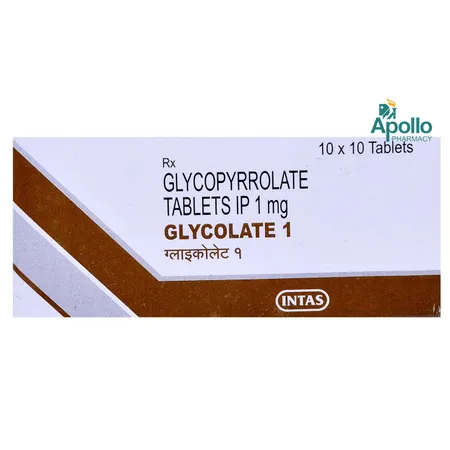
compositionComposition:GLYCOPYRROLATE-1MG
prescription
Prescription Medicine
info

Glycolate 1 Tablet is used to treat peptic ulcers in adults and children above 12 years. It is also used to treat severe drooling caused by certain neurologic disorders (cerebral palsy) in children 3 to 16 years of age. It contains Glycopyrrolate, which decreases stomach acid and saliva production. In some cases, it may cause dry mouth, vomiting, flushing, headache, and nasal congestion. Before taking this medicine, you should tell your doctor if you are allergic to any of its components or if you are pregnant/breastfeeding, and about all the medications you are taking and pre-existing medical conditions.

Read more
Written By Bayyarapu Mahesh Kumar , M Pharmacy
Reviewed By Dr Aneela Siddabathuni , MPharma., PhD
OffersOffers & Discounts

Get Free delivery (₹99) with circle icon

Join Circle
Get Extra 18% Off with Coupons
Extra 10% Off with Bank Offers
bank offer
bank offer
bank offer

More about the Product

Composition :

GLYCOPYRROLATE-1MG

Manufacturer/Marketer :

Intas Pharmaceuticals Ltd

Consume Type :

Oral

Expires on or after :

Jan-27

Return Policy :

Not Returnable

About Glycolate 1 Tablet

Glycolate 1 Tablet is an oral prescription medication used to treat peptic ulcers by reducing stomach acid production. It is also commonly prescribed to help manage excessive drooling in patients with certain neurological conditions. This medicine helps dry up bodily secretions to relieve discomfort and protect delicate tissues.

To get the most benefit, you must take Glycolate 1 Tablet consistently at the exact times prescribed by your doctor. It is typically taken two to three times a day, always on an empty stomach at least one hour before or two hours after eating. Making dietary adjustments, such as avoiding spicy foods and caffeine, can also help support your digestive health while using this medicine.

While taking this medication, you may experience mild side effects like a dry mouth, slightly blurred vision, or mild constipation. These are common reactions as your body adjusts, but you must consult your doctor immediately if you experience severe symptoms like difficulty urinating, a very fast heartbeat, or extreme dizziness.

Before starting Glycolate 1 Tablet , you should talk to your doctor about your complete medical history, especially if you have high blood pressure, heart disease, or thyroid problems. Do not take this if you have narrow-angle glaucoma, severe bowel blockages, myasthenia gravis, or urinary retention.

This medicine can interact with alcohol, which may increase drowsiness, and with certain other medications that also cause dryness or sleepiness. It is important to discuss these risks with your healthcare provider, particularly if you are pregnant, breastfeeding, or an older adult, as some individuals may require a lower or gradually increasing dose.

Uses of Glycolate 1 Tablet

Glycolate 1 Tablet is used to reduce the activity of certain glands and secretions in the body. It may be prescribed for conditions involving excess stomach acid, saliva production, or sweating, including:

  • Peptic ulcers: Glycolate 1 Tablet helps reduce stomach acid levels to assist in healing painful sores in the stomach lining.
  • Excessive drooling: Glycolate 1 Tablet helps decrease saliva production in individuals with neurological conditions that cause swallowing difficulties.
  • Excessive sweating: Glycolate 1 Tablet helps control severe, generalised sweating by blocking the sweat glands' chemical triggers.
     

Key Benefits

By reducing excessive secretions in different parts of the body, Glycolate 1 Tablet provides several important benefits, including:

  • Targeted acid reduction: By lowering stomach acid, this medicine provides relief from burning pain, allowing your digestive tract to heal comfortably.
  • Effective drooling control: It significantly reduces excess saliva, which prevents skin irritation around the mouth and improves daily social comfort.
  • Reduced excessive sweating: It helps manage severe sweating, making daily physical tasks easier and reducing skin dampness and discomfort.
     
Side effects of Glycolate 1 Tablet
  • A blocked nose can be relieved by drinking more water, which helps clear fluids.
  • Use saline nasal spray available over the counter to relieve blockage or blow harder to remove the mucus.
  • Use nasal strips that can be placed on the nose to widen nostrils and increase airflow.
  • Keep a humidifier around to moisten air at home/workplace.
Managing Medication-Triggered Flushing (Reddening of the skin): A Step-by-Step Guide:
  • Consult your doctor if you experience skin redness, itching, or irritation after taking medication.
  • Your doctor may adjust your treatment plan by changing your medication or providing guidance on managing your erythema symptoms.
  • Your doctor may recommend or prescribe certain medications to help alleviate symptoms.
  • Apply cool compresses or calamine lotion to the affected skin area to reduce redness and itching.
  • Stay hydrated by drinking plenty of water to help alleviate symptoms and keep your skin hydrated.
  • Monitor your skin condition closely and promptly report any changes, worsening symptoms, or concerns to your healthcare provider.
  • Manage stress by practising deep breathing, yoga or meditation.
  • Get enough sleep. Maintain a regular sleep cycle.
  • Exercise regularly. Try physical activities like walking, running, or dancing.
  • Limit stimulants like tea, coffee and alcohol.
  • Identify triggers and try managing them.
  • Take a break by scheduling time for yourself.
  • Try creative activities like writing, dancing or painting as it helps release tension.
Here are the steps to cope with constipation as a side effect of medication:
  • Inform your doctor about your constipation symptoms. They may adjust your medication or advise alternative treatments.
  • Stay hydrated by drinking sufficient of water (at least 8-10 glasses a day) to help soften stool and promote bowel movements.
  • Increase fibre intake by eating foods high in fibre, such as fruits, whole grains, vegetables and legumes, to help bulk up the stool.
  • Establish a bowel routine by trying to go to the bathroom at the same time each day to train your bowels.
  • Engaging in regular exercise, like walking or yoga, can support in bowel movement stimulation.
  • Consult your doctor if constipation persists, and discuss alternative treatments or adjustments to your medication.
Here are the steps to Dry Mouth (xerostomia) caused by medication:
  • Inform your doctor about dry mouth symptoms. They may adjust your medication regimen or prescribe additional medications to manage symptoms.
  • Drink plenty of water throughout the day to help keep your mouth moist and alleviate dry mouth symptoms.
  • Chew sugar-free gum or candies to increase saliva production and keep your mouth moisturized.
  • Use saliva substitutes, such as mouthwashes or sprays, only if your doctor advises them to help moisturize your mouth and alleviate dry mouth symptoms.
  • Avoid consuming smoking, alcohol, spicy or acidic foods, and other irritants that may aggravate dry mouth symptoms.
  • Schedule regular dental check-ups to keep track of your oral health and handle any dry mouth issues as they arise.
Here are the precise steps to cope with diarrhoea caused by medication usage:
  • Inform Your Doctor: Notify your doctor immediately about your diarrhoea symptoms. This allows them to adjust your medication or provide guidance on managing side effects.
  • Stay Hydrated: Drink plenty of fluids to replace lost water and electrolytes. Choose water, clear broth, and electrolyte-rich drinks. Avoid carbonated or caffeinated beverages to effectively rehydrate your body.
  • Follow a Bland Diet: Eat easy-to-digest foods to help firm up your stool and settle your stomach. Try incorporating bananas, rice, applesauce, toast, plain crackers, and boiled vegetables into your diet.
  • Avoid Trigger Foods: Steer clear of foods that can worsen diarrhoea, such as spicy, fatty, or greasy foods, high-fibre foods, and dairy products (especially if you're lactose intolerant).
  • Practice Good Hygiene: Maintain good hygiene to prevent the spread of infection. To stay healthy, wash your hands frequently, clean and disinfect surfaces regularly, and avoid exchanging personal belongings with others.
  • Take Anti-Diarrheal Medications: If your doctor advises, anti-diarrheal medications such as loperamide might help manage diarrhoea symptoms. Always follow your doctor's directions.
  • Keep track of your diarrhoea symptoms. If they don't get better or worse or are accompanied by severe stomach pain, blood, or dehydration signs (like extreme thirst or dark urine), seek medical help.

Directions for Use

  • Glycolate 1 Tablet can be taken on an empty stomach, at least 1 hour before and 2 hours after food, as advised by the doctor.
  • Follow your doctor's instructions on the dosage and timing of this medication to ensure safety.
  • Swallow Glycolate 1 Tablet as a whole with a glass of water.
  • Do not chew, crush, or break it.

How Glycolate 1 Tablet Works

Glycolate 1 Tablet contains glycopyrrolate, an anticholinergic medicine that helps reduce the production of certain body secretions and relaxes smooth muscles in the digestive system. Glycolate 1 Tablet works by blocking the action of acetylcholine, a natural chemical messenger in the body. Acetylcholine normally signals the glands to produce secretions such as saliva, sweat, and stomach acid. By blocking these signals, Glycolate 1 Tablet helps reduce the production of these fluids. It also relaxes the smooth muscles of the digestive tract, which can help relieve symptoms associated with certain gastrointestinal conditions. Together, these actions help reduce excessive saliva production, decrease stomach acid secretion, and improve symptoms related to digestive system disorders.
bannner image

Alcohol

Caution

It is not known if alcohol interacts with Glycolate 1 Tablet . Please consult your doctor.

bannner image

Pregnancy

Caution

Consult your doctor before taking Glycolate 1 Tablet if you are pregnant; your doctor will prescribe only if the benefits outweigh the risks.

bannner image

Breast Feeding

Caution

Consult your doctor before taking Glycolate 1 Tablet if you are breastfeeding; your doctor will decide whether Glycolate 1 Tablet can be taken by breastfeeding mothers or not.

bannner image

Driving

Caution

Glycolate 1 Tablet may cause sleepiness and blurred vision. Do not drive or operate machinery unless you are alert.

bannner image

Liver

Caution

If you have liver problems, please inform your doctor before taking this medicine.

bannner image

Kidney

Caution

If you have kidney problems, please inform your doctor before taking this medicine.

bannner image

Children

Safe if prescribed

It should be given only if prescribed by the doctor, and the dose and duration must be followed exactly as directed.

bannner image

Heart

Caution

Exercise caution while taking Glycolate 1 Tablet if you any cardiac problems.

bannner image

Geriatrics

Caution

Glycolate 1 Tablet should be used with caution in elderly patients due to the risk of other adverse effects.

What if I have taken an overdose of Glycolate 1 Tablet

If you suspect an overdose, seek immediate medical attention or contact a poison control centre. Symptoms of an overdose may include severe dry mouth, extreme thirst, blurred vision, fast heart rate, or hot, dry skin.

Diet & Lifestyle Advise

  • Stay hydrated: Drink plenty of water throughout the day to help manage dry mouth, but take small sips rather than gulping.
  • Prevent overheating: Since this medicine decreases sweating, avoid hot baths, saunas, and intense exercise in hot weather to prevent heat stroke.
  • Eat fibre-rich foods: To prevent constipation, gradually increase your intake of high-fibre foods like vegetables, fruits, and whole grains, if permitted by your doctor.
  • Care for your mouth: Use sugarless candy, gum, or ice chips to relieve dry mouth, and maintain good oral hygiene to prevent cavities.
     

Have a query?

How Soon It Starts Working

  • The time required for Glycolate 1 Tablet to start to work: The time required for Glycolate 1 Tablet to start to work is 30 to 60 minutes after administration.
  • The time for which the effects of Glycolate 1 Tablet last: The effect of Glycolate 1 Tablet lasts for 6 to 8 hours.

What if you forget to take Glycolate 1 Tablet

Take the missed dose as soon as you remember. If it is almost time for your next scheduled dose, skip the missed dose and resume your regular schedule. Do not take a double dose to make up for a missed one.

Storage

Store Glycolate 1 Tablet at controlled room temperature, ideally between 20°C and 25°C (68°F to 77°F). • Keep the bottle tightly closed to protect the tablets from moisture and direct light.

Drug Warnings

  • Use Caution When Driving or Operating Machinery: Avoid driving or operating machinery until you know how this medicine affects your vision and alertness.
  • Avoid Excessive Heat Exposure: Limit your time in direct hot sun, as you may sweat less and be more prone to heat exhaustion.
  • Monitor Your Heart Rate: Check your pulse regularly and let your doctor know if you notice an unusually fast or irregular heartbeat.
  • Maintain Good Dental Care: Inform your dentist that you are taking this medicine, as chronic dry mouth can increase the risk of tooth decay and gum disease.
     

Drug-Drug Interactions

verifiedApollotooltip

Glycolate 1 Tablet can interact with medicines that have anticholinergic effects or medicines that depend on normal stomach function for absorption, including:

  • Anticholinergic Medicines: Combining Glycolate 1 Tablet with other anticholinergic drugs may increase side effects such as severe dry mouth, constipation, blurred vision, and difficulty urinating.
  • Certain Antidepressants: Some antidepressants can enhance the anticholinergic effects of Glycolate 1 Tablet , increasing the risk of unwanted side effects.
  • Cold and Allergy Medicines: Certain over-the-counter cold medicines may contain ingredients that increase anticholinergic effects when taken together.
  • Other Oral Medications: Glycolate 1 Tablet may reduce the absorption of medicines that require rapid dissolution in the stomach, potentially affecting their effectiveness.
     
Severe

Drug-Drug Interactions

Login/Sign Up

Severe
How does the drug interact with Glycolate 1 Tablet:
Taking Pramlintide with Glycolate 1 Tablet can cause slow stomach emptying or slow the intestinal absorption of nutrients.

How to manage the interaction:
Although using Pramlintide and Glycolate 1 Tablet together can lead to an interaction, it can be taken if advised by your doctor.
How does the drug interact with Glycolate 1 Tablet:
The combined use of secretin and Glycolate 1 Tablet can inhibit gastric acid secretion.

How to manage the interaction:
Although using secretin and Glycolate 1 Tablet together can lead to an interaction, it can be taken if advised by your doctor.
How does the drug interact with Glycolate 1 Tablet:
Co-administration of Digoxin and Glycolate 1 Tablet may increase the serum concentration of Digoxin and increase the risk or severity of adverse effects.

How to manage the interaction:
Although there is a possible interaction between Digoxin and Glycolate 1 Tablet, you can take these medicines together if prescribed by a doctor. However, if you experience sudden dizziness, lightheadedness, fainting, shortness of breath, confusion, loss of appetite, nausea, vomiting, diarrhea, change in vision such as blurry or yellow vision, fatigue, and fast or irregular heartbeat, contact your doctor immediately. Do not discontinue any medications without first consulting your doctor.
How does the drug interact with Glycolate 1 Tablet:
The use of Potassium chloride and Glycolate 1 Tablet can increase the irritant effects of potassium on your stomach and upper intestine.

How to manage the interaction:
Using Potassium chloride and Glycolate 1 Tablet together can lead to an interaction, however, it can be taken if advised by a doctor. However, if you experience severe stomach pain, bloating, sudden lightheadedness or dizziness, nausea, vomiting (especially with blood), decreased hunger, or dark, tarry stools, consult the doctor immediately. Do not discontinue any medications without a doctor's advice.
How does the drug interact with Glycolate 1 Tablet:
Coadministration of levodopa with Glycolate 1 Tablet can significantly decrease the blood levels of levodopa.

How to manage the interaction:
Although using Glycolate 1 Tablet and levodopa together can lead to an interaction, it can be taken if advised by your doctor. However, if you experience any unusual symptoms contact the doctor immediately. Do not stop using any medications without a doctor's advice.

Drug-Food Interactions

verifiedApollotooltip

Food can interfere with the absorption of Glycolate 1 Tablet and may reduce how well the medicine works, including:

  • Food: Taking Glycolate 1 Tablet with food can significantly reduce its absorption and effectiveness. It should be taken on an empty stomach as directed by your doctor.
     
No Drug - Food interactions found in our database. Some may be unknown. Consult your doctor for what to avoid during medication.

Drug-Food Interactions

Login/Sign Up

All Substitutes & Brand Comparisons

Habit Forming

No

Therapeutic Class

[ANTICHOLINERGICS]

FAQs

Glycolate 1 Tablet is used for the treatment of Peptic ulcers, Drooling (excessive salivation).
Dry mouth could be a side effect of Glycolate 1 Tablet . Limiting caffeine intake, avoiding smoking, and drinking water regularly, chewing sugar-free gum/candy might stimulate saliva, thereby preventing drying of the mouth.
Do not stop taking Glycolate 1 Tablet on your own. You are advised to take Glycolate 1 Tablet for as long as your doctor has prescribed it for you, depending on your medical condition. Do not be hesitant to speak with your doctor if you experience any difficulty while taking Glycolate 1 Tablet .
Glycolate 1 Tablet may cause sweating less, especially in children, leading to overheating and heat stroke. Avoid doing things that may cause you to overheat, such as exercising. Consult your doctor if you notice hot, red skin, fast, weak pulse, fast, shallow breathing, fever, or decreased alertness.
Glycolate 1 Tablet decreases stomach acid and saliva production by blocking the activity of a certain natural substance in the body.
No, you should take Glycolate 1 Tablet on an empty stomach, usually at least one hour before or two hours after meals, to ensure the medicine works effectively. Talk to your doctor or pharmacist if you have questions about your dosing schedule.
Some people may experience drowsiness, dizziness, or blurred vision while taking Glycolate 1 Tablet . Avoid driving or performing tasks that require clear vision and alertness until you know how the medicine affects you. Talk to your doctor if these symptoms persist.
Glycolate 1 Tablet works by blocking the chemical signals that stimulate your sweat glands, which can help reduce excessive sweating. Talk to your doctor or pharmacist to see if this is appropriate for your condition.
Dry mouth is a common effect of Glycolate 1 Tablet . You can manage it by chewing sugar-free gum, sucking on ice chips, or drinking water frequently. Talk to your doctor or pharmacist if the dryness becomes severe or painful.
It is best to avoid alcohol while taking Glycolate 1 Tablet . Alcohol can worsen side effects like drowsiness, dizziness, and blurred vision. Talk to your doctor for personalised advice.
The safety of Glycolate 1 Tablet during pregnancy is not fully established. If you are pregnant, planning to become pregnant, or breastfeeding, talk to your doctor or pharmacist before starting this medicine to weigh the risks and benefits.
For oral tablets, Glycolate 1 Tablet typically begins to work within one hour of taking it, and its effects can last for several hours. Talk to your doctor or pharmacist to understand what to expect based on your specific treatment plan.

Disclaimer

While we strive to provide complete, accurate, and expert-reviewed content on our 'Platform', we make no warranties or representations and disclaim all responsibility and liability for the completeness, accuracy, or reliability of the aforementioned content. The content on our platform is for informative purposes only, and may not cover all clinical/non-clinical aspects. Reliance on any information and subsequent action or inaction is solely at the user's risk, and we do not assume any responsibility for the same. The content on the Platform should not be considered or used as a substitute for professional and qualified medical advice. Please consult your doctor for any query pertaining to medicines, tests and/or diseases, as we support, and do not replace the doctor-patient relationship.

Country of origin

India

Manufacturer/Marketer address

Chinubhai Centre, Off. Nehru Bridge, Ashram Road, Ahmedabad - 380009. Gujarat. India.
Other Info - GLY0326
whatsapp Floating Button

Recommended for a 30-day course: 2 Strips

Buy Now
Add 2 Strips