apollo
logo
0
Select Delivery Location
prescription
Prescription Medicine
info

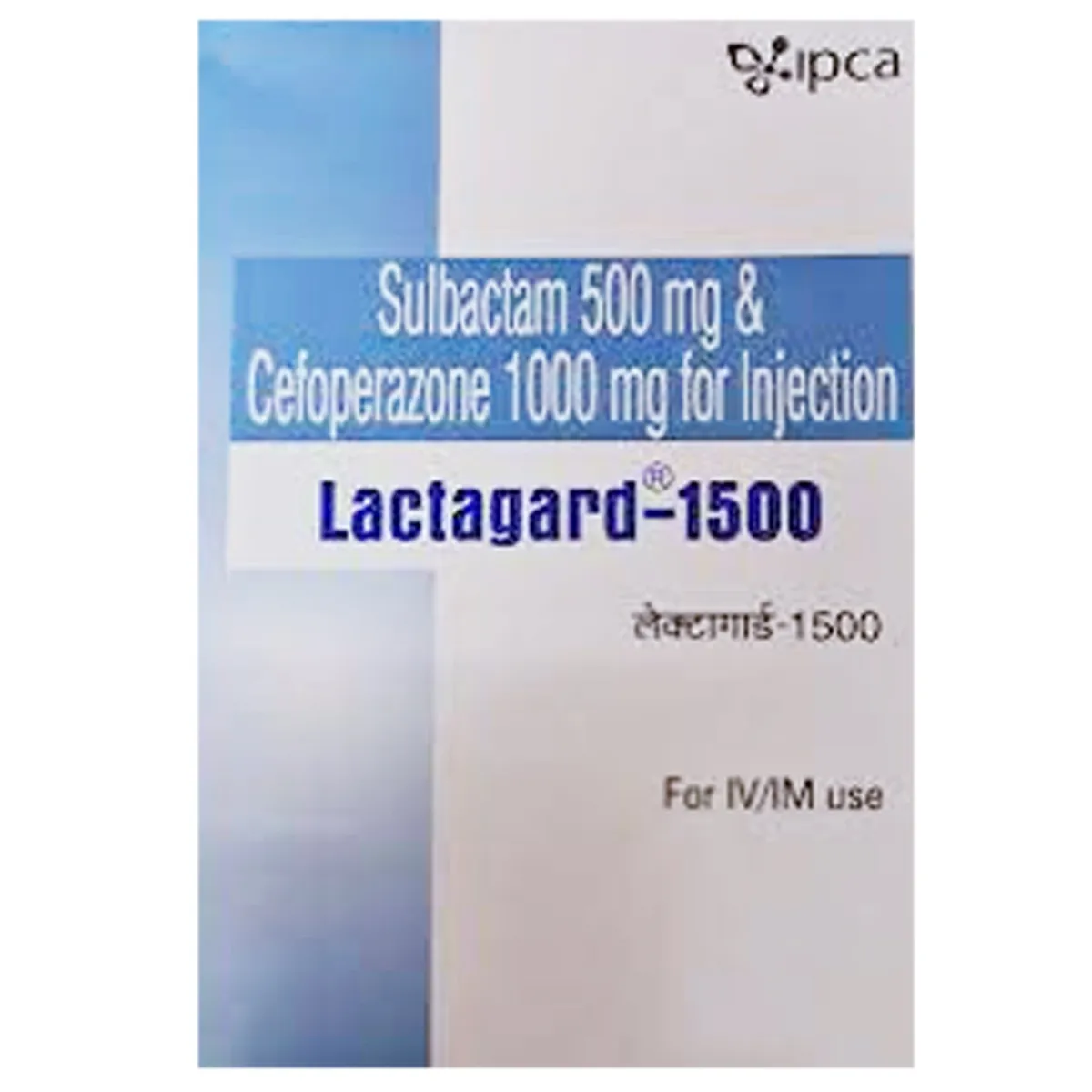
Lactagard 1500 Injection is used to treat various bacterial infections of the lungs, urinary tract, blood, brain and spinal cord (meningitis), skin, abdomen, bones, joints, and certain sexually transmitted infections like gonorrhoea. It works by inhibiting the growth of pathogenic bacteria, thereby reducing fever, pain, and inflammation and clearing the infection.

Read more
Written By Bayyarapu Mahesh Kumar , M Pharmacy
Reviewed By Dr Aneela Siddabathuni , MPharma., PhD
OffersOffers & Discounts

Get Free delivery (₹99) with circle icon

Join Circle
Get Extra 18% Off with Coupons
Extra 10% Off with Bank Offers
bank offer
bank offer
bank offer

More about the Product

Manufacturer/Marketer :

Ipca Laboratories Ltd

Consume Type :

Parenteral

Expires on or after :

Jan-27

Return Policy :

Not Returnable

About Lactagard 1500 Injection

Lactagard 1500 Injection is a highly effective injectable antibiotic prescribed to treat a wide range of severe bacterial infections in the body. It is commonly used for serious infections of the lungs, urinary tract, skin, and abdomen. By targeting and eliminating the bacteria causing the illness, this medication helps your body recover from severe infections.

Because Lactagard 1500 Injection is given as an injection, it is typically administered at regular intervals by a healthcare professional in a hospital or clinic setting. Since it is injected directly into your system, its absorption does not depend on when you eat, but staying well-hydrated is highly recommended during your treatment. Making simple lifestyle adjustments, such as getting plenty of rest and eating a balanced diet, can also help support your body's immune system as it heals.

While taking Lactagard 1500 Injection, some people may experience mild side effects like nausea, loose stools, or irritation at the injection site. However, you should contact your doctor immediately if you experience severe symptoms, such as watery or bloody diarrhoea, intense stomach cramps, or signs of a serious allergic reaction.

Before starting treatment, it is vital to tell your doctor if you have any pre-existing health conditions, especially kidney problems, liver damage, or a history of bleeding disorders. Do not take this if you have had a severe allergic reaction to penicillin or similar antibiotic medications in the past.

Lactagard 1500 Injection can interact with certain substances, such as alcohol, which can cause severe vomiting, sweating, and a rapid heartbeat. Be sure to inform your healthcare team about all other medicines you are taking, including blood thinners, and consult your doctor if you are pregnant, breastfeeding, or caring for an elderly patient who needs this medicine.

Uses of Lactagard 1500 Injection

Lactagard 1500 Injection is used in the treatment of bacterial infections. The detailed uses of Lactagard 1500 Injection are as follows:

  • Severe respiratory tract infections: Lactagard 1500 Injection helps clear deep-seated lung infections like severe pneumonia by destroying the bacteria responsible for the inflammation.
  • Intra-abdominal infections: It treats complex infections inside the stomach and abdomen, such as peritonitis, helping to prevent the spread of bacteria.
  • Urinary tract infections (UTIs): Lactagard 1500 Injection is used to treat complicated infections of the kidneys and bladder when standard oral antibiotics may not be strong enough.
  • Skin and soft tissue infections: It helps heal severe, deep, or spreading skin infections, including those that occur after surgery or major wounds.
  • Bloodstream infections (sepsis): It targets dangerous bacterial infections that have entered the blood, helping to control the infection quickly and prevent life-threatening complications.

Key Benefits

Lactagard 1500 Injection helps treat a wide range of serious bacterial infections by stopping the spread of infection and supporting your body's recovery. As the infection comes under control, symptoms such as fever, pain, swelling, and discomfort gradually improve, helping you feel better and regain your strength.

Benefits may include:

  • Helps treat a wide range of serious bacterial infections.
  • Reduces symptoms such as fever, pain, swelling, and discomfort caused by infection.
  • Supports faster recovery by effectively controlling bacterial growth.
  • Helps treat infections caused by bacteria that may be resistant to certain antibiotics.
  • Improves overall health by preventing the infection from spreading or worsening.
  • Provides reliable treatment for severe infections when used under medical supervision.
Side effects of Lactagard 1500 Injection 20 ml
  • Talk to your doctor about medicines to manage neutropenia based on the underlying cause.
  • Avoid contact with people who are sick.
  • Wash your hands regularly with soap and water.
  • Avoid unpasteurized dairy products.
  • Boost your immunity by including immune rich foods in your diet and always remember to stay hydrated.
  • Get sufficient sleep and manage stress which helps in improving white blood cell count.
  • Consult your doctor for an effective treatment to improve the blood cell count and get regular body check up to monitor changes in the count.
  • Try to prevent the factors that cause a decrease in the white blood cells that may lead to impaired immunity.
  • Stay hydrated by taking fluids like water, juices and soups etc.
  • Eat fruits and vegetables which contain vitamins.
  • Take iron rich food like dry fruits, green leafy vegetables and sea food etc.
  • Reduce intake of milk, cheese, yogurt, soy, chocolate, ice cream, Grapes, Popcorn, canned salmon, pomegranate.
  • Regular exercise like walking, jogging is helpful.
  • Inform your doctor if you experience low hematocrit symptoms such as exhaustion, weakness, or pale complexion. Your doctor will diagnose the problem and recommend appropriate treatment.
  • Increase iron intake with iron-rich foods like red meat, poultry, fish, beans, and fortified cereals.
  • Consume vitamin C-rich foods such as citrus fruits, bell peppers, and tomatoes to improve iron absorption.
  • Avoid tea and coffee since they can interfere with iron absorption.
  • Don't smoke because it lowers the creation of red blood cells.
  • Consume beetroot juice, as it is rich in iron and supports red blood cell production.
  • Managing a low platelet count (thrombocytopenia) caused by medication usage requires a multi-step approach. Here are some steps to help manage the condition:
  • Inform your doctor about your low platelet count and medication usage. They will assess the situation and guide the best course of action.
  • Your doctor may recommend adjusting or stopping the medication that is causing a low platelet count. This could involve switching to alternative medication or reducing the dosage.
  • Monitor your platelet count regularly through blood tests to track any changes. This will help the doctor determine the effectiveness of the treatment plan.
  • If an underlying condition, such as infection or inflammation, contributes to the low platelet count, your doctor will treat it.
  • In some cases, alternative treatments like platelet transfusions or medications that stimulate platelet production may be necessary.
  • Avoid risky activities and certain medications; eat a balanced diet with plenty of water to reduce bleeding risk and boost overall health.
  • If you experience severe bleeding or bruising, seek emergency medical attention immediately.

Directions for Use

  • Lactagard 1500 Injection must be injected either into a vein (intravenously) or deep into a muscle (intramuscularly).
  • A trained healthcare provider, such as a doctor or nurse, will typically prepare and inject this medication for you in a medical setting.
  • Always receive this medicine exactly at the times scheduled by your doctor to keep a steady level of the drug in your body.
  • If you are cleared to inject this medication at home, make sure you receive thorough training from a healthcare professional on how to prepare and inject it safely.
  • Never use the medicine if the liquid looks cloudy, discoloured, or contains visible particles.

How Lactagard 1500 Injection Works

Lactagard 1500 Injection contains Cefoperazone and Sulbactam, which work together to fight bacterial infections. • Cefoperazone: It is a strong antibiotic that works by interfering with the way bacteria build their protective outer cell walls. Without this protective wall, the bacteria cannot survive, causing them to rupture and die. • Sulbactam: It is a helper ingredient called a beta-lactamase inhibitor. Some clever bacteria produce special chemicals (enzymes) that can destroy antibiotics before they can work. This second component blocks these bacterial enzymes, protecting the antibiotic and allowing it to do its job effectively.
bannner image

Alcohol

Caution

Avoid the intake of alcohol while on treatment with Lactagard 1500 Injection, as it may increase side effects.

bannner image

Pregnancy

Caution

Please consult your doctor if you are pregnant, your doctor will prescribe Lactagard 1500 Injection only if the benefits outweigh the risks.

bannner image

Breast Feeding

Caution

Lactagard 1500 Injection should be used with caution and only under a doctor's advice if you are a lactating mother. Please seek medical advice for more information.

bannner image

Driving

Caution

Lactagard 1500 Injection may cause dizziness in some people, so it may affect your ability to drive.

bannner image

Liver

Caution

Dose adjustment may be needed. Please consult your doctor before taking Lactagard 1500 Injection if you have liver impairment/liver disease.

bannner image

Kidney

Caution

Dose adjustment may be needed. Please consult your doctor if you have any concerns regarding this or if you have kidney impairment/kidney disease before taking Lactagard 1500 Injection.

bannner image

Children

Safe if prescribed

Lactagard 1500 Injection should be given to children only when prescribed by a doctor. The doctor decides the right dose for a child based on his/her age and weight.

bannner image

Heart

Consult your doctor

Please inform your doctor if you have any pre-existing heart problems.

bannner image

Geriatrics

Consult your doctor

Limited information available for use of Lactagard 1500 Injection in elderly patients. Please consult your doctor.

What if I have taken an overdose of Lactagard 1500 Injection

Since this medicine is usually given by a healthcare professional, an overdose is highly unlikely. However, if you suspect an overdose or experience severe side effects after an injection, seek emergency medical help immediately.

Diet & Lifestyle Advise

  • Stay hydrated: Drink plenty of water throughout the day to help your kidneys flush out the medication safely.
  • Support your gut: Antibiotics can temporarily upset your gut bacteria. Talk to your doctor about eating probiotic-rich foods, like yoghurt, or taking a probiotic supplement after finishing your treatment.
  • Avoid alcohol completely: Do not drink alcohol while receiving this medication and for at least three days after your final dose to avoid severe, unpleasant physical reactions.
  • Get adequate rest: Give your body plenty of time to sleep and recover so your immune system can work efficiently.

Have a query?

How Soon It Starts Working

  • The time required for Lactagard 1500 Injection to start to work: Lactagard 1500 Injection ideally shows its action within 15 minutes to 2 hours after administration.
  • The time for which the effects of Lactagard 1500 Injection last: The duration of action for Lactagard 1500 Injection is not clinically established.

What if you forget to take Lactagard 1500 Injection

If you miss a scheduled injection, contact your doctor or healthcare provider immediately to reschedule. Do not double the dose to make up for a missed one.

Storage

• Store in a cool and dry place away from sunlight. • Keep out of sight and reach of children. • Non cold chain - To be stored in cool places at 10ºC to 25ºC or below 30ºC.

Drug Warnings

  • Check the medicine before use: Make sure the solution is clear and free of floating particles before it is given. Do not use it if it looks cloudy, discoloured, or contains particles.
  • Complete the full course: Continue your treatment for the full time prescribed, even if you start feeling better. Stopping early may allow the infection to return or become harder to treat.
  • Avoid alcohol: Do not drink alcohol during treatment and for 72 hours after your last injection. Drinking alcohol can cause flushing, nausea, vomiting, and a fast heartbeat.
  • Tell your doctor about bleeding problems: Inform your doctor if you have a bleeding disorder or take blood-thinning medicines before starting treatment. This medicine may affect how your blood clots.
  • Watch for severe diarrhoea: Contact your doctor immediately if you develop severe, watery, or bloody diarrhoea during or after treatment. This may be a sign of a serious bowel infection (Clostridium difficile infection) that needs prompt medical attention.
  • Use with extra care in children and older adults: Children and older adults may need different doses or closer monitoring while receiving this medicine. Always use it exactly as prescribed by your doctor.
  • Dispose of needles safely: Place used needles and syringes in a puncture-resistant sharps container. Never reuse or throw them into regular household waste.
  • Attend recommended tests: Your doctor may recommend regular liver and kidney function tests and blood clotting tests (such as PT/IR) during treatment, especially if you need this medicine for several days or have underlying medical conditions.

Drug-Drug Interactions

verifiedApollotooltip

Drug-Drug Interaction:

  • Blood thinners (e.g., warfarin, apixaban): Combining these medicines with Lactagard 1500 Injection can increase your risk of bleeding, requiring close monitoring of your clotting times.
  • Water pills/loop diuretics (e.g., furosemide, bumetanide): Taking these medicines alongside this antibiotic may increase the risk of strain or damage to your kidneys.
  • Other antibiotics (e.g., gentamicin, amikacin): Certain other antibiotics can interact with this medicine or increase the risk of side effects.

Drug-Food Interactions: 

  • Alcohol: Drinking alcohol while using this medicine causes a severe chemical reaction, leading to flushing, headache, nausea, vomiting, and a racing pulse.

Drug-Disease Interactions:

  • Kidney disease: Your doctor may need to adjust your dose if your kidneys are not clearing medicines from your body efficiently.
  • Liver damage: Severe liver issues can affect how your body processes this medicine, requiring extra caution.
  • Colitis or stomach disorders: If you have a history of severe bowel inflammation, this medicine should be used with extreme care as it can trigger severe diarrhoea.
Critical

Drug-Drug Interactions

Login/Sign Up

Critical
How does the drug interact with Lactagard 1500 Injection 20 ml:
When BCG vaccine is used with Cefoperazone, its effectiveness may be reduced.

How to manage the interaction:
Taking cefoperazone with BCG vaccine is not recommended, but can be taken together if prescribed by a doctor. However, consult your doctor if you experience any unusual symptoms. To ensure an adequate response to your cancer treatment, you should not receive BCG until after you complete your antibiotic therapy. Do not discontinue any medications without consulting a doctor
How does the drug interact with Lactagard 1500 Injection 20 ml:
Taking Cefoperazone and Rifampicin together may increase the risk of bleeding.

How to manage the interaction:
Although there is an interaction between cefoperazone and rifampicin, they can be taken together if prescribed by a doctor. However, if you experience vomiting, blood in your urine or stools, headache, dizziness, or weakness, contact a doctor immediately. Do not discontinue any medications without consulting a doctor.

Drug-Food Interactions

verifiedApollotooltip
No Drug - Food interactions found in our database. Some may be unknown. Consult your doctor for what to avoid during medication.

Drug-Food Interactions

Login/Sign Up

All Substitutes & Brand Comparisons

Habit Forming

No

Therapeutic Class

[ANTI- BACTERIALS]

FAQs

Lactagard 1500 Injection is used to treat various bacterial infections such as respiratory tract (lungs) infection, urine infection, blood infection, meningitis (inflammation of the brain and spinal cord), gonorrhoea (sexually transmitted disease), skin, abdominal, bone, and joint infections.
No, do not stop receiving Lactagard 1500 Injection before completing the full course of treatment. You may begin to feel better before the infection is fully resolved. But, it is important to take this medicine for the full duration advised by your doctor.
Inform your doctor if you do not feel better even after finishing the full course of treatment. You must also inform your physician if the symptoms worsen while using this medication.
Usually, Lactagard 1500 Injection starts working soon after taking it. Though it may take a few days to kill all the dangerous bacteria and make you feel better.
Lactagard 1500 Injection may cause Clostridium difficile-associated diarrhoea (CDAD). Treatment with antibiotics alters the normal flora, leading to overgrowth of Clostridium difficile; this causes diarrhoea. Drink lots of fluids and eat food rich in fibre if you experience diarrhoea. If you find blood in stools (tarry stools) or if you experience prolonged diarrhoea with abdominal pain, consult your doctor. Do not take anti-diarrheal medicine on your own.
Yes, Lactagard 1500 Injection is known to cause stomach upset. To avoid these side effects, please take Lactagard 1500 Injection with a meal. Additionally, Lactagard 1500 Injection should be administered at evenly spaced intervals to minimise adverse effects and optimise outcomes.
It's generally not recommended to consume alcohol while taking Lactagard 1500 Injection, as it can increase gastrointestinal issues, enhance sedative effects, and interfere with the antibiotic's effectiveness. Consult your doctor for personalised advice.
Lactagard 1500 Injection is a combination antibiotic medication used to treat various bacterial infections.
Lactagard 1500 Injection typically begins to work within 1-2 hours after administration, but it may take 2-5 days to notice a significant improvement in symptoms. The full effect of the treatment may be observed after completion of the full course of antibiotics, typically 7-14 days.
Be patient, as it may take time for the infection to clear. If your symptoms don't improve or worsen over time, consult your doctor for further guidance.
Common side effects of Lactagard 1500 Injection include nausea, vomiting, diarrhoea and rash. Most of these side effects are transient and resolve spontaneously. However, if they persist, it's essential to consult your doctor for proper evaluation and guidance.
Lactagard 1500 Injection is given as an injection either directly into a vein or deep into a muscle. It is typically injected by a nurse or doctor in a hospital or clinic. Talk to your doctor if you need instructions for home care.
Lactagard 1500 Injection should only be used during pregnancy if your doctor decides that the benefits outweigh the potential risks to the baby. Always tell your doctor if you are pregnant or planning to become pregnant before starting this medication.
No, Lactagard 1500 Injection is an antibiotic and only works against bacterial infections. It will not treat viral infections like the common cold, flu, or seasonal coughs. Talk to your doctor or pharmacist if you are unsure about the cause of your illness.
You must tell your doctor if you have ever had an allergic reaction to penicillin or other antibiotics. Some people with penicillin allergies may also react to Lactagard 1500 Injection, so your doctor will need to evaluate your safety carefully.
Completing the full course of Lactagard 1500 Injection is essential to ensure all the bacteria are completely destroyed. If you stop the treatment early, some bacteria might survive, mutate, and become resistant to antibiotics in the future. Talk to your doctor if you feel you need to stop early.
Depending on how long you receive this medicine and your overall health, your doctor may order blood tests to monitor your liver function, kidney function, and blood clotting, especially if you are taking blood thinners or have liver or kidney disease. These tests help ensure the treatment remains safe and effective.

Disclaimer

While we strive to provide complete, accurate, and expert-reviewed content on our 'Platform', we make no warranties or representations and disclaim all responsibility and liability for the completeness, accuracy, or reliability of the aforementioned content. The content on our platform is for informative purposes only, and may not cover all clinical/non-clinical aspects. Reliance on any information and subsequent action or inaction is solely at the user's risk, and we do not assume any responsibility for the same. The content on the Platform should not be considered or used as a substitute for professional and qualified medical advice. Please consult your doctor for any query pertaining to medicines, tests and/or diseases, as we support, and do not replace the doctor-patient relationship.

Country of origin

India

Manufacturer/Marketer address

142 AB, Kandivli Industrial Estate, Kandivli (West), Mumbai - 400 067, Maharashtra
Other Info - LAC0053
whatsapp Floating Button
Buy Now
Add to Cart