
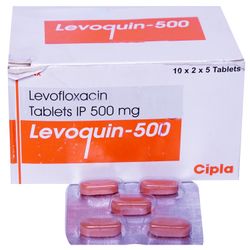


Levoquin 500 mg Tablet 5's
₹35.5
MRP ₹4826% off
 ₹4.0Cashback (10%)
(Inclusive of all Taxes)
₹26 with coupons & bank offers*
 Offers & Discounts
Get Free delivery (₹99) with


Delivery Information
More about the Product
Composition :
Manufacturer/Marketer :
Consume Type :
Expires on or after :
Return Policy :
NPPA :
About Levoquin 500 mg Tablet
Levoquin 500 mg Tablet is a prescription oral antibiotic containing Levoquin 500 mg Tablet, used to treat a wide variety of bacterial infections. It is prescribed for bacterial infections affecting the lungs, sinuses, skin, kidneys, and urinary tract. This medication is designed to treat bacterial illnesses specifically and will not work for viral infections such as the common cold or flu.
To ensure the medication works effectively, you must take Levoquin 500 mg Tablet consistently at the same time every day as prescribed by your doctor. You can take this medication with or without food, but it is important to drink plenty of water throughout the day. Getting adequate rest and eating a balanced diet can help support your body’s natural immune response while recovering.
While taking Levoquin 500 mg Tablet, some people may experience mild side effects, such as a mild upset stomach, headache, or difficulty sleeping. However, you should contact your doctor immediately if you experience serious side effects, such as severe joint pain, numbness or tingling in your hands and feet, or sudden changes in your mood or heartbeat.
Before taking this medicine, you must talk to your doctor if you have a history of kidney disease, nerve problems, seizures, or a heart condition known as a prolonged QT interval. Do not take this if you have a history of tendon swelling, tearing, or tendonitis, or if you have had a severe allergic reaction to similar antibiotics in the past.
This medicine can interact with certain other treatments, such as antacids, iron supplements, and blood thinners, which can reduce its effectiveness or increase the risk of side effects. Avoid drinking alcohol while taking this medicine as it can increase dizziness and affect your recovery. If you are pregnant, breastfeeding, or are an elderly individual, consult your doctor to discuss whether this medication is safe for you.
Uses of Levoquin 500 mg Tablet
Levoquin 500 mg Tablet is used to treat Bacterial infections. The detailed uses of Levoquin 500 mg Tablet are as follows:
- Pneumonia and lung infections: Levoquin 500 mg Tablet helps clear bacterial infections deep in the lungs, making it easier to breathe and reducing coughing and fever.
- Acute sinus infections: It targets and eliminates bacteria in the nasal passages, relieving sinus pressure, headache, and congestion.
- Urinary tract infections (UTIs): It treats bacterial infections in the bladder and kidneys, resolving painful urination and burning sensations.
- Skin and soft tissue infections: It helps cure bacterial infections of the skin and reduces redness, swelling, and localised pain.
- Chronic bronchitis flare-ups: It clears up sudden bacterial complications in the airways of patients with long-term lung conditions.
Key Benefits
- Levoquin 500 mg Tablet provides reliable, broad-spectrum defense against many types of harmful bacteria. By stopping the bacteria from growing and spreading, it helps your body resolve the infection quickly. This leads to a faster recovery and a quicker return to your normal energy levels and daily activities.
- Because it is highly absorbed when taken by mouth, this oral medication offers a convenient alternative to intravenous antibiotics for many moderate-to-severe infections. This allows you to complete your full antibiotic treatment safely and comfortably at home.
- Prepare for a restful night's sleep: Develop a calming pre-sleep routine, like reading or meditation, to help your body relax and prepare for sleep.
- Create a sleep-conducive Environment: Make bedroom a sleep haven by ensuring it is quiet, dark and calm.
- Follow a Sleep Schedule: Go to bed and get up at the same time every day to help regulate your body's internal clock and increase sleep quality.
- Try relaxing techniques like deep breathing, mindfulness meditation and any others.
- Limit stimulating activities before bedtime: Avoid stimulating activities before bedtime to improve sleep quality.
- Monitor Progress: Keep track of your sleep patterns to identify areas for improvement.
- Consult a doctor if needed: If these steps don't improve your sleep, consult a doctor for further guidance and therapy.
- Hydrate your body: Drink enough water to prevent dehydration and headaches.
- Calm Your Mind: Deep breathing and meditation can help you relax and relieve stress.
- Rest and Recharge: Sleep for 7-8 hours to reduce headache triggers.
- Take rest: lie down in a quiet, dark environment.
- Cold or warm compresses can help reduce tension.
- Stay Upright: Maintain good posture to keep symptoms from getting worse.
- To treat headaches naturally, try acupuncture or massage therapy.
- Over-the-counter pain relievers include acetaminophen and ibuprofen.
- Prescription Assistance: Speak with your doctor about more substantial drug alternatives.
- Severe Headaches: Seek emergency medical assistance for sudden, severe headaches.
- Frequent Headaches: If you get reoccurring headaches, consult your doctor.
- Headaches with Symptoms: Seek medical attention if your headaches include fever, disorientation, or weakness.
- Inform your doctor about dizziness symptoms. They may adjust your medication regimen or prescribe additional medications to manage symptoms.
- Follow your doctor's instructions for taking medication, and take it at the same time every day to minimize dizziness.
- When standing up, do so slowly and carefully to avoid sudden dizziness.
- Avoid making sudden movements, such as turning or bending quickly, which can exacerbate dizziness.
- Drink plenty of water throughout the day to stay hydrated and help alleviate dizziness symptoms.
- If you're feeling dizzy, sit or lie down and rest until the dizziness passes.
- Track when dizziness occurs and any factors that may trigger it, and share this information with your doctor to help manage symptoms.
- Tell your doctor immediately if you experience shortness of breath after taking medication.
- Your doctor may adjust the medication regimen or dosage or give alternative medical procedures to minimize the symptoms of shortness of breath.
- Monitor your oxygen levels and breathing rate regularly to track changes and potential side effects.
- For controlling stress and anxiety, try relaxation techniques like deep breathing exercises, meditation, or yoga.
- Make lifestyle changes, such as quitting smoking, exercising regularly, and maintaining a healthy weight.
- Seek emergency medical attention if you experience severe shortness of breath, chest pain, or difficulty speaking.
- Follow up regularly with your doctor to monitor progress, adjust treatment plans, and address any concerns or questions.
- Inform your doctor about the nausea and discuss possible alternatives to the medication or adjustments to the dosage.
- Divide your daily food intake into smaller, more frequent meals to reduce nausea.
- Opt for bland, easily digestible foods like crackers, toast, plain rice, bananas, and applesauce.
- Avoid certain foods that can trigger nausea, such as fatty, greasy, spicy, and smelly foods.
- Drink plenty of fluids, such as water, clear broth, or electrolyte-rich beverages like coconut water or sports drinks.
- Use ginger (tea, ale, or candies) to help relieve nausea.
- Get adequate rest and also avoid strenuous activities that can worsen nausea.
- Talk to your doctor about taking anti-nausea medication if your nausea is severe.
- Record when your nausea occurs, what triggers it, and what provides relief to help you identify patterns and manage your symptoms more effectively.
- Inform Your Doctor: Notify your doctor immediately about your diarrhoea symptoms. This allows them to adjust your medication or provide guidance on managing side effects.
- Stay Hydrated: Drink plenty of fluids to replace lost water and electrolytes. Choose water, clear broth, and electrolyte-rich drinks. Avoid carbonated or caffeinated beverages to effectively rehydrate your body.
- Follow a Bland Diet: Eat easy-to-digest foods to help firm up your stool and settle your stomach. Try incorporating bananas, rice, applesauce, toast, plain crackers, and boiled vegetables into your diet.
- Avoid Trigger Foods: Steer clear of foods that can worsen diarrhoea, such as spicy, fatty, or greasy foods, high-fibre foods, and dairy products (especially if you're lactose intolerant).
- Practice Good Hygiene: Maintain good hygiene to prevent the spread of infection. To stay healthy, wash your hands frequently, clean and disinfect surfaces regularly, and avoid exchanging personal belongings with others.
- Take Anti-Diarrheal Medications: If your doctor advises, anti-diarrheal medications such as loperamide might help manage diarrhoea symptoms. Always follow your doctor's directions.
- Keep track of your diarrhoea symptoms. If they don't get better or worse or are accompanied by severe stomach pain, blood, or dehydration signs (like extreme thirst or dark urine), seek medical help.
- Inform your doctor about your constipation symptoms. They may adjust your medication or advise alternative treatments.
- Stay hydrated by drinking sufficient of water (at least 8-10 glasses a day) to help soften stool and promote bowel movements.
- Increase fibre intake by eating foods high in fibre, such as fruits, whole grains, vegetables and legumes, to help bulk up the stool.
- Establish a bowel routine by trying to go to the bathroom at the same time each day to train your bowels.
- Engaging in regular exercise, like walking or yoga, can support in bowel movement stimulation.
- Consult your doctor if constipation persists, and discuss alternative treatments or adjustments to your medication.
Directions for Use
Always take Levoquin 500 mg Tablet exactly as your doctor has instructed. Follow these essential steps for proper use:
- Swallow the tablet whole with a full glass of water. Do not crush, chew, or split the tablet.
- You can take this medicine with or without food. If it causes an upset stomach, taking it with a meal may help.
- Take the medication at the same time each day to maintain a consistent level in your body.
- Take this medicine at least 2 hours before or 2 hours after taking antacids, multivitamins, iron, or zinc supplements, as these can block your body from absorbing the antibiotic.
- Complete the entire course of treatment prescribed by your doctor, even if you feel better after a few days. Stopping too early can cause the infection to return and may make the bacteria resistant to future treatments.
How Levoquin 500 mg Tablet Works

Alcohol
Caution
Alcohol is not known to cause any unpleasant side effects if taken along with Levoquin 500 mg Tablet. But intake of alcohol with Levoquin 500 mg Tablet may damage your liver. So intake of Levoquin 500 mg Tablet should be avoided with Levoquin 500 mg Tablet.

Pregnancy
Consult your doctor
It is not known whether Levoquin 500 mg Tablet will affect pregnant women or the fetus or not. Hence, the intake of Levoquin 500 mg Tablet should be avoided if you are pregnant or planning to become pregnant unless your doctor recommends otherwise.

Breast Feeding
Consult your doctor
Before taking this drug doctor's consultation is mandatory. Levoquin 500 mg Tablet is excreted in human milk. But the amount of Levoquin 500 mg Tablet absorbed by the nursing infant is unknown.

Driving
Unsafe
After taking this drug, you can experience side effects like feeling dizzy, tired, and a spinning sensation (vertigo) or alterations in your vision. If this occurs, do not drive or perform any work that requires a high level of concentration.

Liver
Caution
Levoquin 500 mg Tablet to be taken with caution, especially if you have a history of liver diseases/conditions. The dose may have to be adjusted by your doctor.

Kidney
Caution
Levoquin 500 mg Tablet to be taken with caution, especially if you have a history of kidney diseases/conditions. The dose may have to be adjusted by your doctor.

Children
Caution
Levoquin 500 mg Tablet can be given to children, but under medical supervision. Levoquin 500 mg Tablet is prescribed to the children to treat complicated urinary tract infections, anthrax infection or plague infection.

Heart
Caution
Levoquin 500 mg Tablet should be used with caution in patients with heart disease, as it may increase the risk of heart rhythm disturbances, such as QT prolongation. Always consult your doctor to assess risks and explore safer alternatives if needed.

Geriatrics
Caution
Levoquin 500 mg Tablet can be used in geriatric patients, but older adults are more prone to side effects like tendon rupture, nerve damage, or heart rhythm changes. Doctors usually prescribe it with caution and monitor closely for any adverse reactions.
What if I have taken an overdose of Levoquin 500 mg Tablet
Diet & Lifestyle Advise
- Stay well-hydrated: Drink plenty of water throughout the day while taking this medication. This helps prevent crystals from forming in your urine and protects your kidneys.
- Avoid direct sunlight: This medicine can make your skin highly sensitive to the sun. Wear protective clothing, apply high-SPF sunscreen, and avoid tanning beds while taking this medication.
- Stagger calcium-rich foods: Avoid eating large amounts of dairy products (like milk, yoghurt, or cheese) or calcium-fortified juices at the exact same time you take your medication, as calcium can reduce how well the medicine is absorbed.
- Limit strenuous exercise: Because this class of medicine is associated with a risk of tendon injury, avoid heavy lifting or high-impact athletic activities during treatment.
Health Queries


Have a query?
How Soon It Starts Working
- The time required for Levoquin 500 mg Tablet to start to work: Levoquin 500 mg Tablet ideally shows its action within 1 to 2 hours after administration.
- The time for which the effects of Levoquin 500 mg Tablet last: The effect of Levoquin 500 mg Tablet lasts for 24 to 48 hours.
What if you forget to take Levoquin 500 mg Tablet
Storage
- Store in a cool and dry place away from sunlight.
- Keep out of sight and reach of children.
- Non cold chain - To be stored in cool places at 10ºC to 25ºC or below 30ºC.
Drug Warnings
- Stop taking Levoquin 500 mg Tablet and contact your doctor immediately at the first sign of tendon pain, swelling, or inflammation.
- Avoid driving or operating heavy machinery until you know how this medication affects you, as it can cause dizziness or lightheadedness.
- If you have diabetes, monitor your blood sugar closely. This antibiotic can cause fluctuations in blood glucose levels, especially when taken with certain diabetes medications.
- Stop the medication and seek medical help right away if you experience unusual mood changes, severe confusion, anxiety, or hallucinations.
- Do not share this antibiotic with anyone else, even if they have similar symptoms to yours.
Drug-Drug Interactions


Drug-Drug Interaction Summary:
- Antacids and Mineral Supplements: Antacids containing magnesium or aluminum, as well as iron or zinc supplements, can bind to the medicine in your stomach, greatly reducing its absorption and effectiveness.
- Warfarin: Taking this antibiotic with blood thinners like warfarin can increase the risk of bleeding. Your doctor may need to monitor your blood clotting times more closely.
- NSAIDs (Pain Relievers): Taking nonsteroidal anti-inflammatory drugs (such as ibuprofen or naproxen) alongside this medication can increase the risk of central nervous system stimulation and seizures.
- Diabetes Medications: When combined with insulin or oral diabetes drugs (like sulfonylureas), there is an increased risk of severe low blood sugar (hypoglycemia).
Drug-Drug Interactions
Login/Sign Up
The combination of Amiodarone and Levoquin 500 mg Tablet may significantly raise the risk of an abnormal heart rhythm.
How to manage the interaction:
Despite the fact that Amiodarone and Levoquin 500 mg Tablet interact, it can be taken if prescribed by a doctor. If you get dizziness, lightheadedness, fainting, or fast or racing heartbeats, consult a doctor. Do not stop taking any medications without visiting a doctor.
Combining Levoquin 500 mg Tablet with Disopyramide can increase the risk of irregular heart rhythm .
How to manage the interaction:
Taking Levoquin 500 mg Tablet with Disopyramide is not recommended, as it can result in an interaction, it can be taken if your doctor has advised it. However, if you experience any symptoms like sudden dizziness, lightheadedness, fainting, or fast or pounding heartbeats, contact your doctor immediately. Do not discontinue any medications without first consulting your doctor.
Taking Levoquin 500 mg Tablet with Ziprasidone can increase the risk of abnormal heart rhythm.
How to manage the interaction:
Taking Levoquin 500 mg Tablet with Ziprasidone is not recommended, but it can be taken together if prescribed by a doctor. However, consult your doctor if you experience sudden dizziness, lightheadedness, fainting, shortness of breath. Do not discontinue any medications without consulting a doctor.
Using sotalol together with Levoquin 500 mg Tablet can increase the risk of an irregular heart rhythm that may be serious. The risk increases in patients with a history of heart illness or electrolyte imbalance.
How to manage the interaction:
Taking Levoquin 500 mg Tablet with Sotalol is generally avoided as it can result in an interaction, it can be taken if your doctor has advised it. If you experience sudden dizziness, lightheadedness, fainting, or fast or pounding heartbeats, contact a doctor immediately. Do not discontinue any medications without consulting a doctor.
Co-administration of Levoquin 500 mg Tablet and Bempedoic acid can increase the risk of tissue injury near muscles and joints.
How to manage the interaction:
Although there is an interaction, Bempedoic acid can be taken with Levoquin 500 mg Tablet if prescribed by the doctor. However, if you experience pain, swelling, or inflammation of joints, consult a doctor. Exercise and using the impacted area should both be avoided. Do not discontinue any medications without a doctor's advice.
Co-administration of Levoquin 500 mg Tablet with mifepristone can increase the risk of irregular heart rhythms.
How to manage the interaction:
Taking Levoquin 500 mg Tablet with mifepristone together can result in an interaction, it can be taken if a doctor has advised it. However, contact a doctor immediately if you experience any symptoms such as dizziness, lightheadedness, fainting, shortness of breath, or irregular heartbeat. Do not discontinue any medications without consulting a doctor.
Taking Levoquin 500 mg Tablet with panobinostat increases the risk of an abnormal heart rhythm.
How to manage the interaction:
Although concomitant administration of Levoquin 500 mg Tablet with panobinostat can result in an interaction, it can be taken if a doctor has advised it. However, if you experience abrupt dizziness, lightheadedness, fainting, shortness of breath, or rapid heartbeat, get medical help immediately. Do not discontinue any medications without consulting a doctor.
Coadministration of Levoquin 500 mg Tablet and Mipomersen may increase the risk of liver problems.
How to manage the interaction:
Taking Levoquin 500 mg Tablet with Mipomersen together can result in an interaction, but it can be taken if a doctor has advised it. If you have any of these symptoms - fever, chills, joint pain, swelling, bruising, skin rash, itching, loss of appetite, fatigue, nausea, vomiting, abdominal pain, bleeding or liver damage - make sure to contact a doctor right away. Do not discontinue any medications without consulting a doctor.
Coadministration of Levoquin 500 mg Tablet and Bupropion can increase the risk of seizure (a sudden, violent, uncontrollable contraction of a group of muscles).
How to manage the interaction:
Co-administration of Levoquin 500 mg Tablet along with bupropion can lead to an interaction, it can be taken if recommended by a doctor. While taking these medications, you should avoid tasks that need mental attention, such as driving or operating dangerous machinery, until you have a better understanding of how the medications impact you. Do not discontinue any medications without consulting a doctor.
Blood glucose levels can be affected by Levoquin 500 mg Tablet when taken in conjunction with tolbutamide. They may cause hyperglycemia (high blood glucose) and, less commonly, hypoglycemia (low blood glucose).
How to manage the interaction:
Although concomitant administration of Levoquin 500 mg Tablet with tolbutamide can result in an interaction, they can be taken if a doctor has advised it. Inform doctor if you experience hypoglycemia (low blood glucose) or hyperglycemia (high blood glucose), or if you have a lack of blood glucose control. Headache, dizziness, sleepiness, anxiety, confusion, a shaking sensation, nausea, hunger, weakness, sweat, palpitation, and fast pulse are all symptoms of hypoglycemia. Hyperglycemia symptoms may include increased thirst, increased appetite, and increased urine. Do not stop using any medications without talking to a doctor.
Drug-Food Interactions
Drug-Food Interaction Summary:
- Calcium-rich foods: Large amounts of dairy products or calcium-fortified juices can interfere with the absorption of the medicine if consumed at the same time.
- Caffeine: This medicine can slow down how quickly your body processes caffeine, leading to increased jitteriness, headache, or a rapid heart rate.
Drug-Food Interactions
Login/Sign Up

Customers Also Bought


FAQs
Disclaimer
Author Details


Reference
- National Center for Biotechnology Information (NCBI). Pmc7149789 Scientific Research Publication. Bethesda, MD: NLM; 2025. [Accessed on 02 Jun. 2026]Check here
- National Center for Biotechnology Information (NCBI). Nbk545180 Scientific Research Publication. Bethesda, MD: NLM; 2025. [Accessed on 02 Jun. 2026]Check here
- Electronic Medicines Compendium (EMC). Pil.6129 Patient Information Leaflet (PIL). Cheshire, UK: Datapharm; 2025. [Accessed on 02 Jun. 2026]Check here
- Drugs.com Clinical Review Team. Levofloxacin Clinical Drug Monograph. Auckland, NZ: Drugs.com; 2026. [Accessed on 02 Jun. 2026]Check here
- MIMS Drug Reference Compendium. Levofloxacin Monograph. Singapore: MIMS; 2025. [Accessed on 02 Jun. 2026]Check here
- Levofloxacin Levofloxacin. 1996. [Accessed on 01 Apr. 2019]Check here
- Levofloxacin Levofloxacin. 2025. [Accessed on 04 Jan. 2026]Check here
Country of origin
Manufacturer/Marketer address
Therapeutic Class
Habit Forming

