apollo
logo
0
Select Delivery Location
OffersOffers & Discounts

Get Free delivery (₹99) with circle icon

Join Circle
Get Extra 12% Off with Coupons
Extra 10% Off with Bank Offers
bank offer
bank offer
bank offer

More about the Product

Composition :

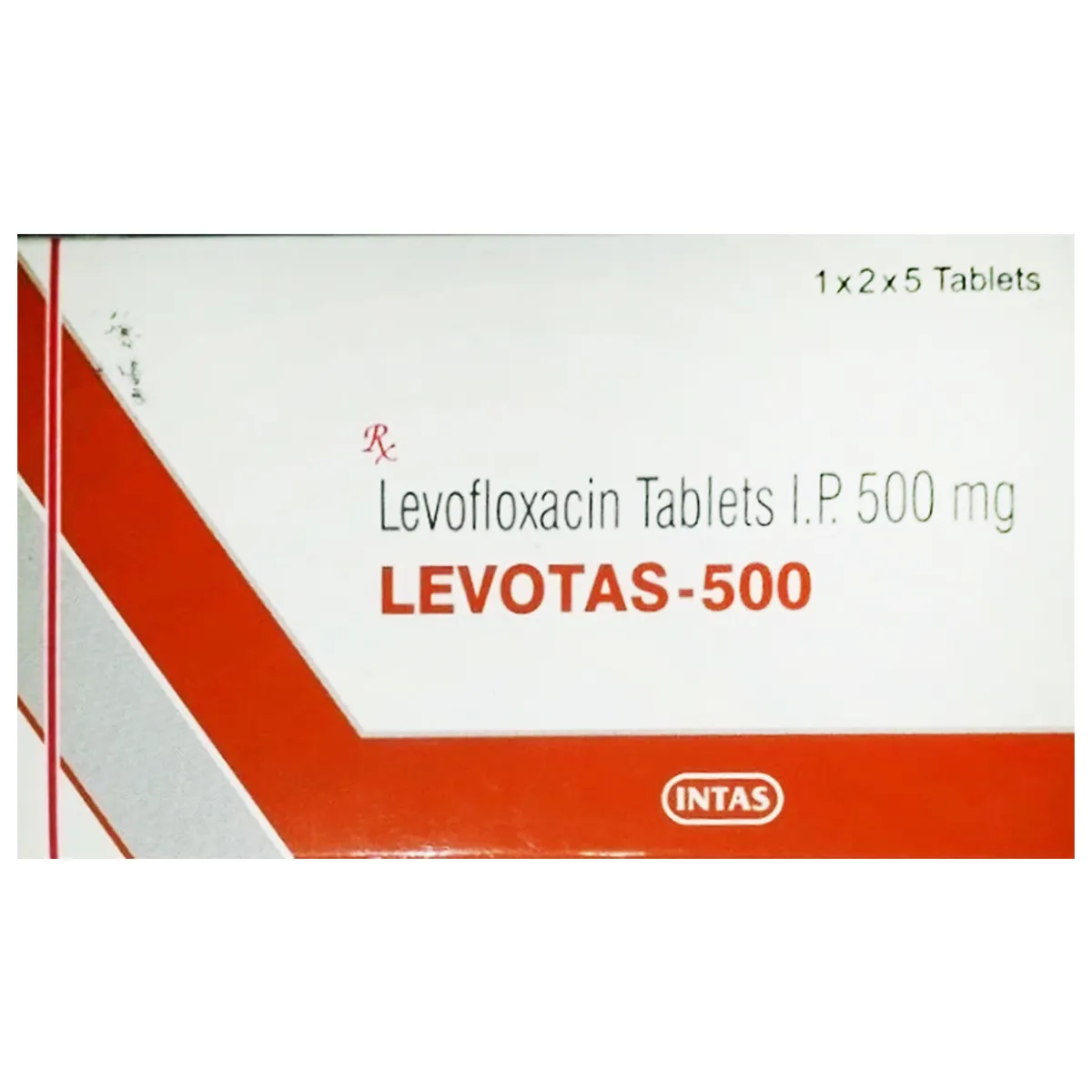
LEVOFLOXACIN-500MG

Manufacturer/Marketer :

Intas Pharmaceuticals Ltd

Consume Type :

Oral

Expires on or after :

Jan-27

Return Policy :

Not Returnable

NPPA :

Regulated

About Levotas 500 mg Tablet

Levotas 500 mg Tablet is a prescription oral antibiotic containing Levotas 500 mg Tablet, used to treat a wide variety of bacterial infections. It is prescribed for bacterial infections affecting the lungs, sinuses, skin, kidneys, and urinary tract. This medication is designed to treat bacterial illnesses specifically and will not work for viral infections such as the common cold or flu.

To ensure the medication works effectively, you must take Levotas 500 mg Tablet consistently at the same time every day as prescribed by your doctor. You can take this medication with or without food, but it is important to drink plenty of water throughout the day. Getting adequate rest and eating a balanced diet can help support your body’s natural immune response while recovering.

While taking Levotas 500 mg Tablet, some people may experience mild side effects, such as a mild upset stomach, headache, or difficulty sleeping. However, you should contact your doctor immediately if you experience serious side effects, such as severe joint pain, numbness or tingling in your hands and feet, or sudden changes in your mood or heartbeat.

Before taking this medicine, you must talk to your doctor if you have a history of kidney disease, nerve problems, seizures, or a heart condition known as a prolonged QT interval. Do not take this if you have a history of tendon swelling, tearing, or tendonitis, or if you have had a severe allergic reaction to similar antibiotics in the past.

This medicine can interact with certain other treatments, such as antacids, iron supplements, and blood thinners, which can reduce its effectiveness or increase the risk of side effects. Avoid drinking alcohol while taking this medicine as it can increase dizziness and affect your recovery. If you are pregnant, breastfeeding, or are an elderly individual, consult your doctor to discuss whether this medication is safe for you.

Uses of Levotas 500 mg Tablet

Levotas 500 mg Tablet is used to treat Bacterial infections. The detailed uses of Levotas 500 mg Tablet are as follows:

  • Pneumonia and lung infections: Levotas 500 mg Tablet helps clear bacterial infections deep in the lungs, making it easier to breathe and reducing coughing and fever.
  • Acute sinus infections: It targets and eliminates bacteria in the nasal passages, relieving sinus pressure, headache, and congestion.
  • Urinary tract infections (UTIs): It treats bacterial infections in the bladder and kidneys, resolving painful urination and burning sensations.
  • Skin and soft tissue infections: It helps cure bacterial infections of the skin and reduces redness, swelling, and localised pain.
  • Chronic bronchitis flare-ups: It clears up sudden bacterial complications in the airways of patients with long-term lung conditions.

Key Benefits

  • Levotas 500 mg Tablet provides reliable, broad-spectrum defense against many types of harmful bacteria. By stopping the bacteria from growing and spreading, it helps your body resolve the infection quickly. This leads to a faster recovery and a quicker return to your normal energy levels and daily activities.
  • Because it is highly absorbed when taken by mouth, this oral medication offers a convenient alternative to intravenous antibiotics for many moderate-to-severe infections. This allows you to complete your full antibiotic treatment safely and comfortably at home.
Side effects of Levotas 500 mg Tablet
Here are the 7 step-by-step strategies to manage the side effect of "inability to sleep" caused by medication usage:
  • Prepare for a restful night's sleep: Develop a calming pre-sleep routine, like reading or meditation, to help your body relax and prepare for sleep.
  • Create a sleep-conducive Environment: Make bedroom a sleep haven by ensuring it is quiet, dark and calm.
  • Follow a Sleep Schedule: Go to bed and get up at the same time every day to help regulate your body's internal clock and increase sleep quality.
  • Try relaxing techniques like deep breathing, mindfulness meditation and any others.
  • Limit stimulating activities before bedtime: Avoid stimulating activities before bedtime to improve sleep quality.
  • Monitor Progress: Keep track of your sleep patterns to identify areas for improvement.
  • Consult a doctor if needed: If these steps don't improve your sleep, consult a doctor for further guidance and therapy.
Dealing with Medication-Induced Headache:
  • Hydrate your body: Drink enough water to prevent dehydration and headaches.
  • Calm Your Mind: Deep breathing and meditation can help you relax and relieve stress.
  • Rest and Recharge: Sleep for 7-8 hours to reduce headache triggers.
  • Take rest: lie down in a quiet, dark environment.
  • Cold or warm compresses can help reduce tension.
  • Stay Upright: Maintain good posture to keep symptoms from getting worse.
  • To treat headaches naturally, try acupuncture or massage therapy.
  • Over-the-counter pain relievers include acetaminophen and ibuprofen.
  • Prescription Assistance: Speak with your doctor about more substantial drug alternatives.
  • Severe Headaches: Seek emergency medical assistance for sudden, severe headaches.
  • Frequent Headaches: If you get reoccurring headaches, consult your doctor.
  • Headaches with Symptoms: Seek medical attention if your headaches include fever, disorientation, or weakness.
Here are the 7 steps to manage Dizziness caused by medication:
  • Inform your doctor about dizziness symptoms. They may adjust your medication regimen or prescribe additional medications to manage symptoms.
  • Follow your doctor's instructions for taking medication, and take it at the same time every day to minimize dizziness.
  • When standing up, do so slowly and carefully to avoid sudden dizziness.
  • Avoid making sudden movements, such as turning or bending quickly, which can exacerbate dizziness.
  • Drink plenty of water throughout the day to stay hydrated and help alleviate dizziness symptoms.
  • If you're feeling dizzy, sit or lie down and rest until the dizziness passes.
  • Track when dizziness occurs and any factors that may trigger it, and share this information with your doctor to help manage symptoms.
Here are the seven steps to manage medication-triggered Dyspnea (Difficulty Breathing or Shortness of Breath):
  • Tell your doctor immediately if you experience shortness of breath after taking medication.
  • Your doctor may adjust the medication regimen or dosage or give alternative medical procedures to minimize the symptoms of shortness of breath.
  • Monitor your oxygen levels and breathing rate regularly to track changes and potential side effects.
  • For controlling stress and anxiety, try relaxation techniques like deep breathing exercises, meditation, or yoga.
  • Make lifestyle changes, such as quitting smoking, exercising regularly, and maintaining a healthy weight.
  • Seek emergency medical attention if you experience severe shortness of breath, chest pain, or difficulty speaking.
  • Follow up regularly with your doctor to monitor progress, adjust treatment plans, and address any concerns or questions.
Overcome Medication-Induced Nausea: A 9-Step Plan
  • Inform your doctor about the nausea and discuss possible alternatives to the medication or adjustments to the dosage.
  • Divide your daily food intake into smaller, more frequent meals to reduce nausea.
  • Opt for bland, easily digestible foods like crackers, toast, plain rice, bananas, and applesauce.
  • Avoid certain foods that can trigger nausea, such as fatty, greasy, spicy, and smelly foods.
  • Drink plenty of fluids, such as water, clear broth, or electrolyte-rich beverages like coconut water or sports drinks.
  • Use ginger (tea, ale, or candies) to help relieve nausea.
  • Get adequate rest and also avoid strenuous activities that can worsen nausea.
  • Talk to your doctor about taking anti-nausea medication if your nausea is severe.
  • Record when your nausea occurs, what triggers it, and what provides relief to help you identify patterns and manage your symptoms more effectively.
Here are the precise steps to cope with diarrhoea caused by medication usage:
  • Inform Your Doctor: Notify your doctor immediately about your diarrhoea symptoms. This allows them to adjust your medication or provide guidance on managing side effects.
  • Stay Hydrated: Drink plenty of fluids to replace lost water and electrolytes. Choose water, clear broth, and electrolyte-rich drinks. Avoid carbonated or caffeinated beverages to effectively rehydrate your body.
  • Follow a Bland Diet: Eat easy-to-digest foods to help firm up your stool and settle your stomach. Try incorporating bananas, rice, applesauce, toast, plain crackers, and boiled vegetables into your diet.
  • Avoid Trigger Foods: Steer clear of foods that can worsen diarrhoea, such as spicy, fatty, or greasy foods, high-fibre foods, and dairy products (especially if you're lactose intolerant).
  • Practice Good Hygiene: Maintain good hygiene to prevent the spread of infection. To stay healthy, wash your hands frequently, clean and disinfect surfaces regularly, and avoid exchanging personal belongings with others.
  • Take Anti-Diarrheal Medications: If your doctor advises, anti-diarrheal medications such as loperamide might help manage diarrhoea symptoms. Always follow your doctor's directions.
  • Keep track of your diarrhoea symptoms. If they don't get better or worse or are accompanied by severe stomach pain, blood, or dehydration signs (like extreme thirst or dark urine), seek medical help.
Here are the steps to cope with constipation as a side effect of medication:
  • Inform your doctor about your constipation symptoms. They may adjust your medication or advise alternative treatments.
  • Stay hydrated by drinking sufficient of water (at least 8-10 glasses a day) to help soften stool and promote bowel movements.
  • Increase fibre intake by eating foods high in fibre, such as fruits, whole grains, vegetables and legumes, to help bulk up the stool.
  • Establish a bowel routine by trying to go to the bathroom at the same time each day to train your bowels.
  • Engaging in regular exercise, like walking or yoga, can support in bowel movement stimulation.
  • Consult your doctor if constipation persists, and discuss alternative treatments or adjustments to your medication.

Directions for Use

Always take Levotas 500 mg Tablet exactly as your doctor has instructed. Follow these essential steps for proper use:

  • Swallow the tablet whole with a full glass of water. Do not crush, chew, or split the tablet.
  • You can take this medicine with or without food. If it causes an upset stomach, taking it with a meal may help.
  • Take the medication at the same time each day to maintain a consistent level in your body.
  • Take this medicine at least 2 hours before or 2 hours after taking antacids, multivitamins, iron, or zinc supplements, as these can block your body from absorbing the antibiotic.
  • Complete the entire course of treatment prescribed by your doctor, even if you feel better after a few days. Stopping too early can cause the infection to return and may make the bacteria resistant to future treatments.

How Levotas 500 mg Tablet Works

It contains the active medicine Levofloxacin, which belongs to a group of antibiotics called fluoroquinolones. It works by blocking two essential bacterial proteins, DNA gyrase and topoisomerase IV. Bacteria require these proteins to repair, copy, and replicate their genetic material (DNA). By interfering with this vital process, the medicine prevents the bacteria from multiplying, ultimately killing them and allowing your body's immune system to clear the remaining infection.
bannner image

Alcohol

Caution

Alcohol is not known to cause any unpleasant side effects if taken along with Levotas 500 mg Tablet. But intake of alcohol with Levotas 500 mg Tablet may damage your liver. So intake of Levotas 500 mg Tablet should be avoided with Levotas 500 mg Tablet.

bannner image

Pregnancy

Consult your doctor

It is not known whether Levotas 500 mg Tablet will affect pregnant women or the fetus or not. Hence, the intake of Levotas 500 mg Tablet should be avoided if you are pregnant or planning to become pregnant unless your doctor recommends otherwise.

bannner image

Breast Feeding

Consult your doctor

Before taking this drug doctor's consultation is mandatory. Levotas 500 mg Tablet is excreted in human milk. But the amount of Levotas 500 mg Tablet absorbed by the nursing infant is unknown.

bannner image

Driving

Unsafe

After taking this drug, you can experience side effects like feeling dizzy, tired, and a spinning sensation (vertigo) or alterations in your vision. If this occurs, do not drive or perform any work that requires a high level of concentration.

bannner image

Liver

Caution

Levotas 500 mg Tablet to be taken with caution, especially if you have a history of liver diseases/conditions. The dose may have to be adjusted by your doctor.

bannner image

Kidney

Caution

Levotas 500 mg Tablet to be taken with caution, especially if you have a history of kidney diseases/conditions. The dose may have to be adjusted by your doctor.

bannner image

Children

Caution

Levotas 500 mg Tablet can be given to children, but under medical supervision. Levotas 500 mg Tablet is prescribed to the children to treat complicated urinary tract infections, anthrax infection or plague infection.

bannner image

Heart

Caution

Levotas 500 mg Tablet should be used with caution in patients with heart disease, as it may increase the risk of heart rhythm disturbances, such as QT prolongation. Always consult your doctor to assess risks and explore safer alternatives if needed.

bannner image

Geriatrics

Caution

Levotas 500 mg Tablet can be used in geriatric patients, but older adults are more prone to side effects like tendon rupture, nerve damage, or heart rhythm changes. Doctors usually prescribe it with caution and monitor closely for any adverse reactions.

What if I have taken an overdose of Levotas 500 mg Tablet

In case of an accidental overdose, seek emergency medical attention or contact a poison control centre immediately. Symptoms of an overdose may include severe dizziness, confusion, tremors, or seizures.

Diet & Lifestyle Advise

  • Stay well-hydrated: Drink plenty of water throughout the day while taking this medication. This helps prevent crystals from forming in your urine and protects your kidneys.
  • Avoid direct sunlight: This medicine can make your skin highly sensitive to the sun. Wear protective clothing, apply high-SPF sunscreen, and avoid tanning beds while taking this medication.
  • Stagger calcium-rich foods: Avoid eating large amounts of dairy products (like milk, yoghurt, or cheese) or calcium-fortified juices at the exact same time you take your medication, as calcium can reduce how well the medicine is absorbed.
  • Limit strenuous exercise: Because this class of medicine is associated with a risk of tendon injury, avoid heavy lifting or high-impact athletic activities during treatment.
     

Have a query?

How Soon It Starts Working

  • The time required for Levotas 500 mg Tablet to start to work: Levotas 500 mg Tablet ideally shows its action within 1 to 2 hours after administration.
  • The time for which the effects of Levotas 500 mg Tablet last: The effect of Levotas 500 mg Tablet lasts for 24 to 48 hours.

What if you forget to take Levotas 500 mg Tablet

If you miss a dose, take it as soon as you remember. However, if your next scheduled dose is less than 12 hours away, skip the missed dose and resume your regular schedule. Do not take a double dose to make up for a missed one.

Storage

• Store in a cool and dry place away from sunlight. • Keep out of sight and reach of children. • Non cold chain - To be stored in cool places at 10ºC to 25ºC or below 30ºC.

Drug Warnings

  • Stop taking Levotas 500 mg Tablet and contact your doctor immediately at the first sign of tendon pain, swelling, or inflammation.
  • Avoid driving or operating heavy machinery until you know how this medication affects you, as it can cause dizziness or lightheadedness.
  • If you have diabetes, monitor your blood sugar closely. This antibiotic can cause fluctuations in blood glucose levels, especially when taken with certain diabetes medications.
  • Stop the medication and seek medical help right away if you experience unusual mood changes, severe confusion, anxiety, or hallucinations.
  • Do not share this antibiotic with anyone else, even if they have similar symptoms to yours.

Drug-Drug Interactions

verifiedApollotooltip

Drug-Drug Interactions

  • Antacids and Mineral Supplements: Antacids containing magnesium or aluminum, as well as iron or zinc supplements, can bind to the medicine in your stomach, greatly reducing its absorption and effectiveness.
  • Warfarin: Taking this antibiotic with blood thinners like warfarin can increase the risk of bleeding. Your doctor may need to monitor your blood clotting times more closely.
  • NSAIDs (Pain Relievers): Taking nonsteroidal anti-inflammatory drugs (such as ibuprofen or naproxen) alongside this medication can increase the risk of central nervous system stimulation and seizures.
  • Diabetes Medications: When combined with insulin or oral diabetes drugs (like sulfonylureas), there is an increased risk of severe low blood sugar (hypoglycemia).

Drug-Food Interactions

  • Calcium-rich foods: Large amounts of dairy products or calcium-fortified juices can interfere with the absorption of the medicine if consumed at the same time.
  • Caffeine: This medicine can slow down how quickly your body processes caffeine, leading to increased jitteriness, headache, or a rapid heart rate.

Drug-Disease Interactions

  • Myasthenia Gravis: This medication may worsen muscle weakness in people with myasthenia gravis and should be avoided.
  • Kidney Disease: Patients with decreased kidney function may need a lower dose, as the medicine is cleared from the body through the kidneys.
  • Seizure Disorders: This medicine can lower the seizure threshold, meaning it should be used with extreme caution if you have a history of epilepsy or brain injury.

Drug-Drug Interactions

Login/Sign Up

How does the drug interact with Levotas 500 mg Tablet:
Taking Levotas 500 mg Tablet with Ziprasidone can increase the risk of abnormal heart rhythm.

How to manage the interaction:
Taking Levotas 500 mg Tablet with Ziprasidone is not recommended, but it can be taken together if prescribed by a doctor. However, consult your doctor if you experience sudden dizziness, lightheadedness, fainting, shortness of breath. Do not discontinue any medications without consulting a doctor.
How does the drug interact with Levotas 500 mg Tablet:
The combination of Amiodarone and Levotas 500 mg Tablet may significantly raise the risk of an abnormal heart rhythm.

How to manage the interaction:
Despite the fact that Amiodarone and Levotas 500 mg Tablet interact, it can be taken if prescribed by a doctor. If you get dizziness, lightheadedness, fainting, or fast or racing heartbeats, consult a doctor. Do not stop taking any medications without visiting a doctor.
How does the drug interact with Levotas 500 mg Tablet:
Combining Levotas 500 mg Tablet with Disopyramide can increase the risk of irregular heart rhythm .

How to manage the interaction:
Taking Levotas 500 mg Tablet with Disopyramide is not recommended, as it can result in an interaction, it can be taken if your doctor has advised it. However, if you experience any symptoms like sudden dizziness, lightheadedness, fainting, or fast or pounding heartbeats, contact your doctor immediately. Do not discontinue any medications without first consulting your doctor.
How does the drug interact with Levotas 500 mg Tablet:
Using sotalol together with Levotas 500 mg Tablet can increase the risk of an irregular heart rhythm that may be serious. The risk increases in patients with a history of heart illness or electrolyte imbalance.

How to manage the interaction:
Taking Levotas 500 mg Tablet with Sotalol is generally avoided as it can result in an interaction, it can be taken if your doctor has advised it. If you experience sudden dizziness, lightheadedness, fainting, or fast or pounding heartbeats, contact a doctor immediately. Do not discontinue any medications without consulting a doctor.
How does the drug interact with Levotas 500 mg Tablet:
Taking Levotas 500 mg Tablet with triamcinolone may increase the risk of tendinitis(inflammation of the thick fibrous cords that attach muscle to bone)

How to manage the interaction:
Although there is an interaction between Levotas 500 mg Tablet and triamcinolone, they can be taken together if prescribed by a doctor. However, consult a doctor if you experience pain, swelling, or inflammation in a tendon such as the back of the ankle, shoulder, biceps, hand, or thumb. Do not stop taking any medications without consulting your doctor.
LevofloxacinLomitapide
Severe
How does the drug interact with Levotas 500 mg Tablet:
Coadministration of Levotas 500 mg Tablet and Lomitapide can increase the risk of liver issues.

How to manage the interaction:
Concomitant administration of Levotas 500 mg Tablet alongside lomitapide can result in an interaction, they can be taken if a doctor has advised it. However, if you have a fever, chills, joint pain or swelling, unusual bleeding or bruising, skin rash, itching, loss of appetite, fatigue, nausea, vomiting, abdominal pain, dark-colored urine, light-colored stools, and/or yellowing of the skin or eyes, contact a doctor right away. Do not discontinue any medications without consulting a doctor.
LevofloxacinMetrizamide
Severe
How does the drug interact with Levotas 500 mg Tablet:
Coadministration of Levotas 500 mg Tablet and metrizamide can cause seizure (a sudden, violent, uncontrollable contraction of a group of muscles).

How to manage the interaction:
Taking Levotas 500 mg Tablet with Metrizamide together can result in an interaction, but it can be taken if a doctor has advised it. If you have seizures or a head injury, it's important to contact a doctor right away. Don't hesitate to reach out if you experience any of these symptoms. Do not stop using any medications without talking to a doctor.
How does the drug interact with Levotas 500 mg Tablet:
Taking Levotas 500 mg Tablet with ceritinib increases the risk of an abnormal heart rhythm.

How to manage the interaction:
Although there is an interaction between Levotas 500 mg Tablet with ceritinib, it can be taken if a doctor has advised it. However, if you experience sudden dizziness, lightheadedness, fainting, shortness of breath, or rapid heartbeat, get medical help immediately. Do not discontinue any medications without consulting a doctor.
How does the drug interact with Levotas 500 mg Tablet:
Using chloroquine together with Levotas 500 mg Tablet can increase the risk of an irregular heart rhythm.

How to manage the interaction:
Taking Levotas 500 mg Tablet and chloroquine together can result in an interaction, it can be taken if a doctor has advised it. However, contact the doctor immediately if you experience sudden dizziness, lightheadedness, fainting, shortness of breath, or rapid heartbeat. Do not discontinue any medications without consulting a doctor.
How does the drug interact with Levotas 500 mg Tablet:
Co-administration of Levotas 500 mg Tablet and Bempedoic acid can increase the risk of tissue injury near muscles and joints.

How to manage the interaction:
Although there is an interaction, Bempedoic acid can be taken with Levotas 500 mg Tablet if prescribed by the doctor. However, if you experience pain, swelling, or inflammation of joints, consult a doctor. Exercise and using the impacted area should both be avoided. Do not discontinue any medications without a doctor's advice.

Drug-Food Interactions

verifiedApollotooltip
No Drug - Food interactions found in our database. Some may be unknown. Consult your doctor for what to avoid during medication.

Drug-Food Interactions

Login/Sign Up

Habit Forming

No

Therapeutic Class

[ANTIBIOTICS/ANTIMICROBIALS]

FAQs

Levotas 500 mg Tablet is used to treat bacterial infections, including acute pneumonia (lung infection)‚ bronchitis (inflammation of lung passages), skin infections, as well as urinary tract infections.

Levotas 500 mg Tablet inhibits the growth of bacteria, which are then destroyed by our immune cells. Levotas 500 mg Tablet also kills bacteria by disrupting their inner cellular contents, thus helping fight infection.

Diarrhoea may be caused by Levotas 500 mg Tablet. It is an antibiotic that destroys dangerous bacteria by killing them. Nonetheless, it also affects the beneficial bacteria in your stomach or gut and causes diarrhoea. Talk to your doctor about it if you have serious diarrhoea.

It is recommended not to stop taking this drug without completing the course as prescribed by a doctor. If a patient stops taking this drug by himself/herself, it may be difficult to treat future infections with Levotas 500 mg Tablet due to resistance that microbes develop on non-completion of the drug course.

It is safe to use Levotas 500 mg Tablet alongside contraceptives; no harmful/negative interaction has been reported between them.

Before starting Levotas 500 mg Tablet, discuss your medical history, allergies, current medications, and any concerns with your physician.

To ensure safe usage of Levotas 500 mg Tablet, follow these simple steps. Take the recommended dose, never take an overdose, and inform your doctor if you become pregnant while using this medication. Monitor your body's response and report any side effects. Also, avoid consuming alcohol while taking this medication. By following these guidelines, you'll maximize the benefits of Levotas 500 mg Tablet and protect your health.

Levotas 500 mg Tablet is generally considered safe when taken as directed by your doctor. However, like all medications, it may cause side effects, and its safety depends on individual factors, such as your medical history, current health, and other medications you're taking. Always follow your doctor's instructions and advice.

Take the missed dose as soon as you remember unless it's almost time for your next dose. In this case, skip the missed dose and take your next dose at the regular time. Never take a double dose to make up for a missed one.

Although Levotas 500 mg Tablet is generally safe, it's essential to be aware that it may carry a small risk of muscle damage. However, this risk can be minimised with proper use and medical supervision.

No, Levotas 500 mg Tablet is ineffective against viral infections such as the common cold or flu. It is specifically designed to target and treat bacterial infections.

It's best to consult your doctor before taking painkillers with Levotas 500 mg Tablet. Some painkillers may interact with Levotas 500 mg Tablet, so your doctor can advise on safe options.

It's recommended to avoid or limit alcohol consumption while taking Levotas 500 mg Tablet, as alcohol may interact with the medication and increase the risk of side effects. Consult your doctor for personalized advice.

Levotas 500 mg Tablet is generally well-tolerated, but some people may experience side effects like nausea, vomiting, and digestive issues. These effects are usually mild and temporary. If you experience any side effects, it's always best to consult your doctor.

It is best to avoid taking this medication at the exact same time as dairy products like milk or yogurt. The calcium in these foods can bind to the medicine, preventing your body from absorbing it properly. You can consume dairy products a few hours before or after your dose. Talk to your doctor or pharmacist if you have questions about timing your meals.

This medication is generally not recommended during pregnancy or while breastfeeding due to potential risks to the developing baby’s joints and tissues. If you are pregnant, planning to become pregnant, or are breastfeeding, talk to your doctor to discuss safer alternative treatments.

This medicine can make your skin significantly more sensitive to ultraviolet (UV) light. Spending time in the sun or using tanning beds can lead to severe sunburns, skin rashes, or blistering. Wear protective clothing, use sunscreen, and limit sun exposure during treatment. If you experience a sunburn-like reaction, talk to your doctor.

The medicine begins working against the bacteria shortly after your first dose. You may start to feel better within a few days of starting treatment. However, it is vital to complete the entire course of medicine prescribed by your doctor to ensure the infection is completely cleared.

If you have diabetes, you should monitor your blood sugar levels more frequently while taking this medicine. This antibiotic can cause sudden changes in blood glucose, leading to low blood sugar (hypoglycemia), especially if you take insulin or oral diabetes pills. Talk to your doctor if you notice any unusual symptoms like shaking, sweating, or confusion.

Disclaimer

While we strive to provide complete, accurate, and expert-reviewed content on our 'Platform', we make no warranties or representations and disclaim all responsibility and liability for the completeness, accuracy, or reliability of the aforementioned content. The content on our platform is for informative purposes only, and may not cover all clinical/non-clinical aspects. Reliance on any information and subsequent action or inaction is solely at the user's risk, and we do not assume any responsibility for the same. The content on the Platform should not be considered or used as a substitute for professional and qualified medical advice. Please consult your doctor for any query pertaining to medicines, tests and/or diseases, as we support, and do not replace the doctor-patient relationship.

Country of origin

India

Manufacturer/Marketer address

Chinubhai Centre, Off. Nehru Bridge, Ashram Road, Ahmedabad - 380009. Gujarat. India.
Other Info - LEV0180
whatsapp Floating Button
Buy Now
Add to Cart