apollo
0
  1. Home
  2. Medicine
  3. Nazoris Nasal Spray 10 ml

Prescription drug
 Trailing icon
coupon
coupon
coupon
Extra 15% Off with Bank Offers
Written By Bayyarapu Mahesh Kumar , M Pharmacy
Reviewed By Dr Aneela Siddabathuni , MPharma., PhD

Nazoris Nasal Spray is used in the treatment of seasonal allergies, perennial allergies, and perennial nonallergic rhinitis. It helps relieve symptoms such as a blocked or runny nose, sneezing, nasal itching, watery eyes, and irritation of the nose, thereby improving breathing comfort and overall quality of life during allergic conditions.

Read more

Manufacturer/Marketer :

Ocuris Pharmaceuticals Pvt Ltd

Consume Type :

NASAL

Return Policy :

Not Returnable

Expires on or after :

About Nazoris Nasal Spray

Nazoris Nasal Spray is indicated for managing seasonal allergic symptoms, and perennial allergic and non-allergic rhinitis in adult and paediatric patients aged four years and older.

Nazoris Nasal Spray contains fluticasone propionate, which works by inhibiting the release of certain chemicals in the body that cause inflammatory reactions. It thereby provides relief from a blocked or runny nose, sneezing, itching, and watery eyes.

Use Nazoris Nasal Spray as directed by your doctor. Nazoris Nasal Spray may cause headaches, nausea, vomiting, sore throat, nose bleeds, trouble breathing, cough, burning, or itching. If the side effects persist or worsen, please consult your doctor.

Avoid using Nazoris Nasal Spray if you are allergic to any of its components. Consult your doctor if you are pregnant or breastfeeding. Do not use Nazoris Nasal Spray if you have a recent nasal ulcer, surgery, or trauma.

Uses of Nazoris Nasal Spray

Nazoris Nasal Spray is a corticosteroid medicine used to relieve inflammation and allergy-related nasal symptoms. The detailed uses of Nazoris Nasal Spray are as follows:

  • Seasonal allergic rhinitis: Nazoris Nasal Spray reduces sneezing, nasal congestion, and a runny nose caused by seasonal allergens like pollen.
  • Perennial allergic rhinitis: Nazoris Nasal Spray is used to treat allergy symptoms that occur due to dust, mould, animal allergies, or other indoor triggers.
  • Perennial nonallergic rhinitis: Nazoris Nasal Spray reduces nasal inflammation and symptoms unrelated to allergens, such as those induced by environmental irritants.

Have a query?

Directions for Use

  • It is usually used once daily; however, follow your doctor’s instructions on the dosage and timing of this medication for effective results.
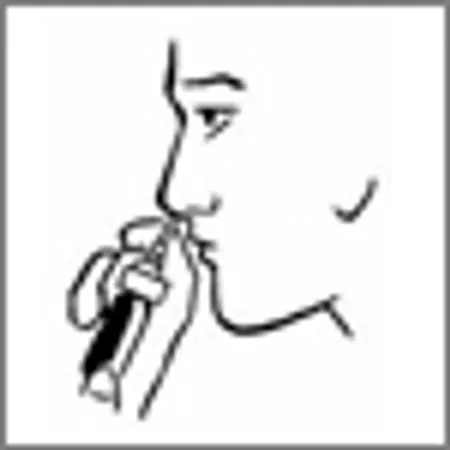
  • Insert the tip of the bottle into a nostril while closing the other nostril and spray towards the sides of the nostril. Keep your head straight and breathe gently. Repeat the same process for another nostril if needed.
  • Before using the nasal spray, clean your nose by gently blowing over a handkerchief or tissue.

Medicinal Benefits

  • Helps relieve nasal congestion and improves ease of breathing.
  • Reduces sneezing, itching, and irritation of the nose.
  • Provides relief from a runny nose and watery eyes.
  • Improves overall comfort in allergic and nonallergic rhinitis.

How Nazoris Nasal Spray Works

Nazoris Nasal Spray contains fluticasone propionate, which belongs to the class of corticosteroids. It works by inhibiting the release of certain chemicals in the body that cause inflammatory reactions. Thereby, it provides relief from a blocked or runny nose, sneezing, itching, watery eyes and an itchy nose.

Storage

• Store in a cool and dry place away from sunlight.• Keep out of sight and reach of children.• Non cold chain - To be stored in cool places at 10ºC to 25ºC or below 30ºC.
Side effects of Nazoris Nasal Spray 10 ml
Here are the steps to manage the medication-triggered Upper respiratory tract infection:
  • Inform your doctor about the symptoms you're experiencing due to medication.
  • Your doctor may adjust your treatment plan, which could include changing your medication, adding new medications, or offering advice on managing your symptoms.
  • Practice good hygiene, including frequent handwashing, avoiding close contact with others, and avoiding sharing utensils or personal items.
  • Stay hydrated by drinking plenty of fluids to help loosen and clear mucus from your nose, throat, and airways.
  • Get plenty of rest and engage in stress-reducing activities to help your body recover. If your symptoms don't subside or worsen, consult your doctor for further guidance.
  • A blocked nose can be relieved by drinking more water, which helps clear fluids.
  • Use saline nasal spray available over the counter to relieve blockage or blow harder to remove the mucus.
  • Use nasal strips that can be placed on the nose to widen nostrils and increase airflow.
  • Keep a humidifier around to moisten air at home/workplace.
  • Throat pain can worsen if there is no proper rest for your throat.
  • Drink plenty of warm fluids and frequently gargle with salt water.
  • Humidify the surrounding air using a humidifier, as dry air may increase dryness and throat pain.
  • Consider taking lozenges or hard candy throat pain relievers, which give a soothing effect.
  • Take enough rest and stay in warm places to reduce pain quickly.
Here are the steps to manage the medication-triggered Cough:
  • Tell your doctor about the cough symptoms you're experiencing, which may be triggered by your medication.
  • Your doctor may adjust your treatment plan by changing your medication, adding new medications, or providing guidance on managing your cough symptoms.
  • Practice good hygiene, including frequent handwashing, avoiding close contact with others, and avoiding sharing utensils or personal items.
  • Stay hydrated by drinking plenty of fluids, such as water, tea, or soup, to help thin out mucus and soothe your throat.
  • Get plenty of rest and engage in stress-reducing activities to help your body recover. If your cough persists or worsens, consult your doctor for further guidance.
  • Get plenty of rest and avoid activities that tire you out to allow your body fight the infection.
  • Drink lots of fluids to help loosen mucus in the lungs.
  • Use over-the-counter medications like paracetamol or ibuprofen to manage fever.
  • Use a humidifier as it helps soothe irritated airways.
  • Do not make changes to your medication schedule or take over-the-counter medicines without consulting your doctor.
  • To keep your vocal cords lubricated and hydrated, drink lots of water.
  • Suck on ice chips, popsicles, or lozenges to clear your throat and reduce hoarseness.
  • Your voice cords may be soothed and healed by honey's antibacterial and anti-inflammatory properties.
  • Gargle with salt water.
  • Using a steam humidifier or inhaling steam might help minimize hoarseness and release mucus.
Managing Medication-Triggered Bronchitis (Inflammation of the bronchial tubes): A Step-by-Step Guide:
  • If you experience symptoms like coughing, wheezing, chest tightness, or difficulty breathing after taking medication, seek medical attention immediately.
  • Your healthcare provider will work with you to stop the medication causing the reaction, start alternative treatments, and provide supportive therapy.
  • To manage symptoms and prevent complications, follow your doctor's advice to use inhalers or nebulizers as prescribed, practice good hygiene, avoid irritants, stay hydrated, and get plenty of rest.
  • Regularly track your symptoms and report any changes or concerns to your healthcare provider.

What if I have taken an overdose of Nazoris Nasal Spray

An overdose of Nazoris Nasal Spray may cause chest pain or tightness, confusion, decreased urine output, faintness, or lightheadedness when getting up suddenly from a lying or sitting position, general feeling of discomfort or illness, high blood pressure, mood changes, and numbness or tingling in the hands, feet, or lips. Seek medical help immediately if an overdose is suspected.

Drug Warnings

  • Do not use Nazoris Nasal Spray if you are allergic to any of its components.
  • Consult your doctor if you are pregnant or breastfeeding.
  • Patients with recent nasal ulcers, surgery, or trauma should avoid using this product.
  • The development of eye conditions such as cataracts and glaucoma has been reported with the use of fluticasone nasal sprays. You should have a yearly eye exam to check for these conditions.
  • Before using Nazoris Nasal Spray, please tell your doctor if you have or have ever been treated for fungal, bacterial, viral or parasitic infections.
  • Tell your doctor if you have tuberculosis (a type of lung infection).
  • The safety and effectiveness in children under the age of four have not been satisfactorily proven.

Drug-Drug Interactions

verifiedApollotooltip
FluticasoneTelithromycin
Severe

Drug-Drug Interactions

Login/Sign Up

How does the drug interact with Nazoris Nasal Spray 10 ml:
Co-administration of Nazoris Nasal Spray 10 ml with Mifepristone may make Nazoris Nasal Spray 10 ml less effective as a therapy.

How to manage the interaction:
Taking Nazoris Nasal Spray 10 ml with Mifepristone is not recommended, consult a doctor before taking it. Do not stop using any medications without talking to a doctor.
FluticasoneTelithromycin
Severe
How does the drug interact with Nazoris Nasal Spray 10 ml:
When Nazoris Nasal Spray 10 ml is taken with Telithromycin, it can lower the rate at which Telithromycin is broken down in the body.

How to manage the interaction:
Although there is a possible interaction between Nazoris Nasal Spray 10 ml and Telithromycin, you can take these medicines together if prescribed by a doctor. If you notice any of these symptoms - swelling, weight gain, high blood pressure, high blood sugar, weak muscles, feeling down, acne, thinning skin, easy bruising, irregular periods, too much facial or body hair, strange fat distribution, bruising, infection, or a bad asthma attack - make sure to call a doctor right away. Do not stop using any medications without talking to a doctor.
How does the drug interact with Nazoris Nasal Spray 10 ml:
Taking Ceritinib together with Nazoris Nasal Spray 10 ml may increase the blood levels of Nazoris Nasal Spray 10 ml.

How to manage the interaction:
If you are supposed to take Nazoris Nasal Spray 10 ml and Ceritinib together, your doctor may adjust the dose or monitor you more frequently to use both medications safely. However, if you experience side effects such as high blood pressure, swelling, muscle weakness, acne, depression, thinning skin, easy bruising, stretch marks, menstrual irregularities, excessive growth of facial or body hair, and abnormal distribution of body fat, especially in the face, neck, back, and waist, contact a doctor. Do not discontinue the medication without consulting a doctor.
FluticasoneBoceprevir
Severe
How does the drug interact with Nazoris Nasal Spray 10 ml:
Co-administration of Boceprevir with Nazoris Nasal Spray 10 ml may significantly increase the absorption of Nazoris Nasal Spray 10 ml into the bloodstream.

How to manage the interaction:
Co-administration of Boceprevir and Nazoris Nasal Spray 10 ml can lead to an interaction, it can be taken if advised by a doctor. However, if you experience any symptoms like swelling, weight gain, high blood pressure, muscle weakness, depression, acne, thinning skin, stretch marks, easy bruising, bone density loss, menstrual irregularities, excessive growth of facial or body hair, and abnormal distribution of body fat, especially in the face, neck, back, and waist, consult a doctor immediately. Do not stop using any medications without a doctor's advice.
How does the drug interact with Nazoris Nasal Spray 10 ml:
Co-administration of Nazoris Nasal Spray 10 ml with Clarithromycin may significantly increase the absorption of Nazoris Nasal Spray 10 ml into the blood stream.

How to manage the interaction:
Co-administration of Clarithromycin and Nazoris Nasal Spray 10 ml can lead to an interaction, it can be taken if advised by a doctor. However, if you experience any symptoms like swelling, weight gain, high blood pressure, muscle weakness, depression, acne, thinning skin, stretch marks, easy bruising, bone density loss, menstrual irregularities, excessive growth of facial or body hair, and abnormal distribution of body fat, especially in the face, neck, back, and waist, consult a doctor immediately. Do not stop using any medications without a doctor's advice.
How does the drug interact with Nazoris Nasal Spray 10 ml:
Co-administration of Nazoris Nasal Spray 10 ml with Voriconazole may increase the absorption of Nazoris Nasal Spray 10 ml into the bloodstream and increase the risk of side effects.

How to manage the interaction:
Although Nazoris Nasal Spray 10 ml and Voriconazole can cause an interaction, they can be taken if prescribed by a doctor. However, if you experience swelling, muscle weakness, excessive growth of facial or body hair contact a doctor. Do not discontinue the medication without consulting a doctor.
FluticasoneMibefradil
Severe
How does the drug interact with Nazoris Nasal Spray 10 ml:
Co-administration of Mibefradil may significantly increase the absorption of Nazoris Nasal Spray 10 ml into the bloodstream.

How to manage the interaction:
Taking Nazoris Nasal Spray 10 ml with Mibefradil together can possibly result in an interaction, but it can be taken if a doctor has advised it. If you notice any of these symptoms - swelling, weight gain, high blood pressure, high blood sugar, weak muscles, feeling down, acne, thinning skin, easy bruising, irregular periods, too much facial or body hair, unusual fat distribution, infection, injury, or a bad asthma attack - make sure to call a doctor right away. Do not stop using any medications without talking to a doctor.
FluticasoneAmprenavir
Severe
How does the drug interact with Nazoris Nasal Spray 10 ml:
Co-administration of Amprenavir and Nazoris Nasal Spray 10 ml may significantly increase the absorption of Nazoris Nasal Spray 10 ml into the blood stream.

How to manage the interaction:
Co-administration of Amprenavir and Nazoris Nasal Spray 10 ml can lead to an interaction, it can be taken if advised by a doctor. However, if you experience any symptoms like swelling, weight gain, high blood pressure, muscle weakness, depression, acne, thinning skin, stretch marks, easy bruising, bone density loss, menstrual irregularities, excessive growth of facial or body hair, and abnormal distribution of body fat, especially in the face, neck, back, and waist, consult a doctor immediately. Do not stop using any medications without a doctor's advice.
FluticasoneDelavirdine
Severe
How does the drug interact with Nazoris Nasal Spray 10 ml:
Co-administration of Delavirdine and Nazoris Nasal Spray 10 ml may significantly increase the absorption of Nazoris Nasal Spray 10 ml into the bloodstream.

How to manage the interaction:
Co-administration of Delavirdine and Nazoris Nasal Spray 10 ml can lead to an interaction, it can be taken if advised by a doctor. However, if you experience any symptoms like swelling, weight gain, high blood pressure, muscle weakness, depression, acne, thinning skin, stretch marks, easy bruising, bone density loss, menstrual irregularities, excessive growth of facial or body hair, and abnormal distribution of body fat, especially in the face, neck, back, and waist, consult a doctor immediately. Do not stop using any medications without a doctor's advice.
How does the drug interact with Nazoris Nasal Spray 10 ml:
Indinavir may increase the absorption of Nazoris Nasal Spray 10 ml into the bloodstream and increase the risk of side effects.

How to manage the interaction:
If you are supposed to take Nazoris Nasal Spray 10 ml and Indinavir together, your doctor may adjust the dose or monitor you more frequently to use both medications safely. However, if you experience side effects such as weight gain, high blood pressure, swelling, muscle weakness, acne, depression, thinning skin, easy bruising, stretch marks, bone density loss, cataracts, menstrual irregularities, excessive growth of facial or body hair, and abnormal distribution of body fat, especially in the face, neck, back, and waist, contact your doctor.

Drug-Food Interactions

verifiedApollotooltip
No Drug - Food interactions found in our database. Some may be unknown. Consult your doctor for what to avoid during medication.

Drug-Food Interactions

Login/Sign Up

Diet & Lifestyle Advise

Personal Hygiene and Environment:

  • Maintain good personal hygiene and keep your surroundings clean.
  • Avoid contact with dust as it may worsen symptoms.
  • Avoid exposure to pollen in the air to prevent symptom flare-ups.

Dietary Measures:

  • Include ginger in your daily intake to support airway relaxation.
  • Avoid foods that are known to trigger allergies in you.
  • Limit processed foods and foods high in sugar and fat to reduce inflammation.
  • Reduce daily salt intake and replace it with herbs or spices like garlic, ginger, and turmeric.

Hydration:

  • Stay well hydrated to help relieve coughing, sneezing, and a runny nose.
  • Prefer beverages at room temperature for better symptom relief.

Lifestyle and Stress Management:

  • Exercise regularly to strengthen immunity and reduce stress.
  • Practise meditation, deep breathing, or progressive muscle relaxation to manage stress.
  • Aim for 7 to 9 hours of sleep each night to maintain overall health.

Avoidance of Triggers:

  • Avoid contact with known allergens such as pollen and dust.
  • Stop smoking to reduce the severity and frequency of symptoms.

Habit Forming

No

Therapeutic Class

CORTICOSTEROIDS - NASAL

All Substitutes & Brand Comparisons

bannner image

Alcohol

Caution

No interaction is found with Nazoris Nasal Spray. But as a precautionary measure, do not consume in excessive amounts.

bannner image

Pregnancy

Caution

The safety of Nazoris Nasal Spray in pregnant women is unknown. If you are pregnant, consult your doctor before using Nazoris Nasal Spray. Your doctor may prescribe this medicine only if the benefits outweigh the risks.

bannner image

Breast Feeding

Caution

The safety of Nazoris Nasal Spray in breastfeeding is unknown. If you are a breastfeeding mother, consult your doctor before using Nazoris Nasal Spray. Your doctor may prescribe this medicine only if the benefits outweigh the risks.

bannner image

Driving

Safe if prescribed

Nazoris Nasal Spray usually does not affect your ability to drive or operate machinery.

bannner image

Liver

Caution

Nazoris Nasal Spray to be used with caution for patients with hepatic disease. Patients should be closely monitored.

bannner image

Kidney

Consult your doctor

Limited information was available for the use of Nazoris Nasal Spray in patients suffering from kidney impairment. Please consult your doctor if you have any concerns regarding using Nazoris Nasal Spray in case of kidney impairment. Your doctor will prescribe only if the benefits outweigh the risks.

bannner image

Children

Caution

The safety and effectiveness of Nazoris Nasal Spray in children under the age of four have not been established. Children aged four years and older can use Nazoris Nasal Spray under the supervision of a healthcare professional.

bannner image

Heart

Consult your doctor

Inform your doctor if you have heart disease before using Nazoris Nasal Spray. Your doctor will prescribe only if the benefits outweigh the risks.

bannner image

Geriatrics

Caution

Nazoris Nasal Spray should be used with caution in elderly patients due to an increased risk of side effects. It is important to inform a healthcare professional before use.

FAQs

Nazoris Nasal Spray is indicated for managing seasonal allergic symptoms and perennial allergic and non-allergic rhinitis.

Nazoris Nasal Spray prevents the release of specific molecules in the body that trigger inflammatory responses. As a result, it relieves symptoms such as a blocked or runny nose, sneezing, itching, watery eyes, and an itchy nose.

Avoid use in patients with recent nasal ulcers, surgery, or trauma. Please check with the doctor if you have concerns regarding this.

It may take several days of regular use to improve your condition. If your symptoms do not improve or get worse, consult your healthcare provider.

Do not stop using the Nazoris Nasal Spray unless your healthcare provider tells you to do so. Suddenly stopping treatment with Nazoris Nasal Spray can make you feel unwell and may recur your symptoms.

It is not advised to be used in persons with glaucoma or cataracts. The use of nasal corticosteroid medications may aggravate glaucoma and/or cataracts.

Nazoris Nasal Spray may cause headaches in a few cases. Rest and drinking plenty of fluids are recommended. Don't consume too much alcohol. Consult your doctor if the headache persists or becomes severe.

Nazoris Nasal Spray may cause headaches, nausea, vomiting, sore throat, nose bleeds, trouble breathing, cough, burning, or itching. If the side effects persist or worsen, please consult your doctor.

Country of origin

INDIA

Manufacturer/Marketer address

Shop No. 4, Ashok Vihar Phase-Ii Palam Vihar Road Gurgaon Gurgaon Hr 122001 In
Other Info - NAZ0044

Disclaimer

While we strive to provide complete, accurate, and expert-reviewed content on our 'Platform', we make no warranties or representations and disclaim all responsibility and liability for the completeness, accuracy, or reliability of the aforementioned content. The content on our platform is for informative purposes only, and may not cover all clinical/non-clinical aspects. Reliance on any information and subsequent action or inaction is solely at the user's risk, and we do not assume any responsibility for the same. The content on the Platform should not be considered or used as a substitute for professional and qualified medical advice. Please consult your doctor for any query pertaining to medicines, tests and/or diseases, as we support, and do not replace the doctor-patient relationship.
whatsapp Floating Button
Buy Now
Add to Cart