
Pcoxib Capsule 10's


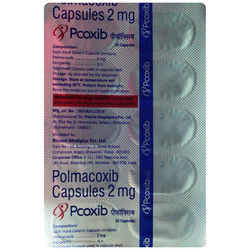

₹173
 ₹26.0Cashback (15%)
(Inclusive of all Taxes)
₹121 with coupons & bank offers*
 Offers & Discounts
Get Free delivery (₹99) with


Delivery Information
More about the Product
Composition :
Manufacturer/Marketer :
Consume Type :
Expires on or after :
Return Policy :
About Pcoxib Capsule
Pcoxib Capsule is a prescription medication primarily used to manage the symptoms of osteoarthritis. It is designed to target and relieve joint pain, stiffness, and swelling in adults. By reducing these symptoms, Pcoxib Capsule helps you regain comfortable movement in your everyday life.
For the best results, Pcoxib Capsule is typically taken consistently once a day, exactly as prescribed by your healthcare provider. You can take this oral capsule with or without food, but taking it at the same time each day helps maintain steady pain relief. Incorporating gentle, low-impact exercise and keeping a healthy weight can also significantly support the benefits of this treatment.
While taking Pcoxib Capsule , some people may experience mild side effects like indigestion, nausea, or slight ankle swelling. Although serious side effects are uncommon, it is important to contact your doctor promptly if you develop severe stomach pain, black stools, chest pain, or difficulty breathing so you can receive appropriate medical care.
Before starting Pcoxib Capsule , tell your doctor if you have a history of stomach ulcers, high blood pressure, heart disease, asthma, or kidney issues. Do not take Pcoxib Capsule if you have had an allergic reaction to aspirin or other NSAID pain-relieving medicines, as some people can react to similar medicines in this group. Also, do not use it if you have active bleeding in your stomach or intestines.
Pcoxib Capsule can interact with other drugs like blood thinners, which can increase your risk of bleeding, or certain blood pressure medications, making them less effective. If you are pregnant, breastfeeding, or an older adult, consult your doctor before using Pcoxib Capsule to ensure it is appropriate for you. Older adults may have a higher risk of stomach bleeding, kidney problems, and heart-related side effects with NSAIDs. Your doctor may prescribe the lowest effective dose for the shortest possible duration and monitor your kidney function, blood pressure, and overall response during treatment.
Uses of Pcoxib Capsule
Pcoxib Capsule is used in the treatment of osteoarthritis. The detailed uses of Pcoxib Capsule are as follows:
- Osteoarthritis: Helps reduce pain, stiffness, and swelling in the hip and knee joints, improving mobility and making daily activities easier.
- Joint Pain: Helps relieve pain and discomfort caused by wear and tear of the joints.
- Joint Inflammation: Helps reduce localized swelling and inflammation in affected joints.
- Improves Joint Function: Helps improve joint flexibility and physical function, supporting better mobility.
Key Benefits
Pcoxib Capsule helps relieve pain and inflammation associated with joint and musculoskeletal conditions. By reducing swelling and stiffness, it improves movement and helps you carry out daily activities more comfortably.
Benefits may include:
- Helps relieve joint pain and inflammation effectively.
- Reduces stiffness and swelling, improving joint mobility and flexibility.
- Makes everyday activities such as walking, climbing stairs, and bending easier.
- Provides long-lasting pain relief to support daily comfort and physical function.
- May have a lower risk of stomach irritation compared with some traditional NSAIDs when used as prescribed.
- Improves overall comfort and quality of life by helping manage pain and inflammation.
- Wear compression garments like stockings, sleeves, or gloves to apply pressure and help stop fluid from building up, especially after the swelling goes down.
- Move around and do exercises to help the fluid circulate, especially in swollen limbs. Ask your doctor for specific exercises.
- Raise the swollen area above your heart level several times a day, even while sleeping, to help reduce swelling.
- Gently massage the swollen area with firm but not painful pressure.
- Keep the swollen area clean and moisturized to prevent injury and infection.
- Reduce salt intake to help prevent fluid from building up and worsening the swelling, as advised by a doctor.
- If the swelling does not get better after a few days of home treatment or worsens, consult your doctor right away.
- Reduce salt intake to minimize fluid buildup.
- Use compression stockings, sleeves, or gloves.
- Gently massage the affected area towards the heart.
- Protect the swollen area from injury and keep it clean.
- Use lotion or cream to keep the skin moisturized.
- Drink water or other clear fluids.
- To prevent worsening of pain, limit intake of tea, coffee, or alcohol.
- Include bland foods like rice, toast, crackers, and rice in your diet.
- Avoid lying down immediately after eating as it may cause indigestion or heartburn.
- Avoid acidic and spicy food as it may cause indigestion.
Directions for Use
- Take Pcoxib Capsule after a meal or as advised by your doctor.
- Follow your doctor’s instructions on the dosage and timing of this medication, usually taken at regular intervals to ensure safety and effectiveness.
- Swallow it as a whole with a glass of water.
- Do not crush, break, or chew it.
How Pcoxib Capsule Works

Alcohol
Unsafe
Avoid alcohol consumption while taking Pcoxib Capsule as it may increase the risk of gastrointestinal bleeding or ulcers.

Pregnancy
Unsafe
Pcoxib Capsule is not recommended for pregnant women. However, if you have any concerns, please consult a doctor.

Breast Feeding
Unsafe
Pcoxib Capsule is not recommended for nursing mothers. However, if you have any concerns, please consult a doctor.

Driving
Caution
Avoid driving or operating heavy machinery if you feel dizzy or drowsy after taking Pcoxib Capsule .

Liver
Caution
Pcoxib Capsule is not recommended for liver failure patients. Therefore, inform your doctor if you have any liver problems before taking Pcoxib Capsule .

Kidney
Caution
Pcoxib Capsule is not recommended for patients with kidney impairment. Therefore, inform your doctor if you have any kidney problems before taking Pcoxib Capsule .

Children
Consult your doctor
Please consult a doctor before giving Pcoxib Capsule to children.

Heart
Consult your doctor
Pcoxib Capsule should be avoided in individuals with heart problems, as it may increase the risk of cardiovascular events like heart attack or stroke. Always consult your doctor before use to ensure it's safe for your condition.

Geriatrics
Caution
Pcoxib Capsule should be avoided in geriatric individuals due to increased risks of cardiovascular events, kidney issues, and gastrointestinal bleeding. Always consult your doctor before use to ensure it's safe for your age and health condition.
What if I have taken an overdose of Pcoxib Capsule
Diet & Lifestyle Advise
- Stay physically active: Engage in low-impact activities such as swimming, water aerobics, or stationary cycling to help keep your joints flexible and strengthen the muscles that support them.
- Maintain a healthy weight: Aim for a healthy body weight to help reduce pressure on weight-bearing joints such as the knees and hips.
- Stay well hydrated: Drink plenty of water throughout the day to help support healthy kidney function while taking Pcoxib Capsule .
- Avoid alcohol and smoking: Limit alcohol intake and avoid smoking, as both can increase the risk of stomach ulcers and gastrointestinal bleeding while using pain-relief medicines.
- Include anti-inflammatory foods: Add foods such as leafy green vegetables, olive oil, walnuts, and omega-3-rich foods to your daily meals to help support joint health.
Health Queries


Have a query?
How Soon It Starts Working
The time required for Pcoxib Capsule to start to work: Pcoxib Capsule ideally shows its action within few minutes after administration.
The time for which the effects of Pcoxib Capsule last: The effect of Pcoxib Capsule lasts for 24 hours.
What if you forget to take Pcoxib Capsule
Storage
Drug Warnings
- Inspect Pcoxib Capsule before use: Check the blister foil before taking each capsule. Do not use Pcoxib Capsule if the packaging is broken, torn, or damaged.
- Avoid taking other NSAIDs without medical advice: Do not take other non-steroidal anti-inflammatory drugs (NSAIDs), such as ibuprofen, naproxen, or high-dose aspirin, while using Pcoxib Capsule unless directed by your doctor, as this may increase the risk of serious stomach problems.
- Inform healthcare providers before procedures: Tell your doctor, dentist, or surgeon that you are taking Pcoxib Capsule before any medical, surgical, or dental procedure, as your treatment may need to be adjusted temporarily.
- Monitor your blood pressure: Check your blood pressure regularly during treatment, as Pcoxib Capsule may cause blood pressure to increase in some people.
- Monitor for breathing problems: If you have a history of asthma, watch for wheezing, shortness of breath, or other breathing difficulties, especially when starting treatment, and seek medical advice if these symptoms occur.
- Use with caution in certain patients: Inform your doctor before taking Pcoxib Capsule if you have heart disease, have previously had a heart attack or stroke, or have recently undergone coronary artery bypass graft (CABG) surgery. Pcoxib Capsule may not be suitable for some people with these conditions, and your healthcare provider will determine whether it is appropriate for you.
Drug-Drug Interactions


Drug-Drug Interaction Summary:
- Blood thinners (e.g., warfarin): Taking these medicines alongside Pcoxib Capsule may increase the risk of serious bleeding.
- NSAIDs (e.g., ibuprofen, aspirin): Using these medicines with Pcoxib Capsule may increase the risk of stomach ulcers and gastrointestinal bleeding.
- Blood pressure medicines (e.g., ACE inhibitors such as enalapril, diuretics such as furosemide): Pcoxib Capsule may reduce the effectiveness of these medicines and increase the risk of kidney problems.
- Antimanic agents (e.g., Lithium): Pcoxib Capsule may increase lithium levels in the blood and raise the risk of lithium toxicity.
- Selective serotonin reuptake inhibitors (SSRIs) (e.g., sertraline, fluoxetine): Taking these medicines with Pcoxib Capsule may increase the risk of stomach bleeding, especially with long-term use.
- Corticosteroids (e.g., prednisolone, dexamethasone): Using these medicines alongside Pcoxib Capsule may further increase the risk of stomach ulcers and gastrointestinal bleeding.
- Anti cancer (e.g., Methotrexate): Pcoxib Capsule may increase methotrexate levels in the body and raise the risk of bone marrow suppression, liver problems, and kidney toxicity. Your doctor may monitor you more closely if both medicines are used together.
Drug-Drug Interactions
Login/Sign Up
Drug-Food Interactions
Drug-Food Interaction Summary:
- Alcohol: Although no major food interactions are known, avoid excessive alcohol while taking Pcoxib Capsule , as it may increase the risk of stomach irritation, ulcers, and bleeding.
Drug-Food Interactions
Login/Sign Up

All Substitutes & Brand Comparisons


FAQs
Disclaimer
Author Details


Reference
- DrugBank Online. Db12399 Clinical & Chemical Summary. Edmonton, AB: DrugBank; 2026. [Accessed on 02 Jun. 2026]Check here
- Easwaran R, Mistry UK, Bhole M, Peethambaran K, Easwaran R, Mistry UK, et al. Polmacoxib: A Review of the Newer Non-steroidal Anti-inflammatory Drug in Osteoarthritis. Cureus [Internet]. 2024 Apr 17;16(4). [Accessed on 20 March 2025]Check here
- Clinical Reference Document. [Accessed on 02 Jun. 2026]Check here
- Intra Life Private Limited Intra Life Private Limited. [Accessed on 27 Jul. 2023]Check here
- La Renon La Renon. [Accessed on 27 Jul. 2023]Check here
- CrystalGenomics CrystalGenomics. [Accessed on 27 Jul. 2023]Check here
Country of origin
Manufacturer/Marketer address
Therapeutic Class
Habit Forming


Recommended for a 30-day course: 2 Strips