Apollo
logo
0
Select Delivery Location
compositionComposition:TACROLIMUS-0.5MG
prescription
Prescription Medicine
info
Best Price

₹171 with coupons & bank offers*

View

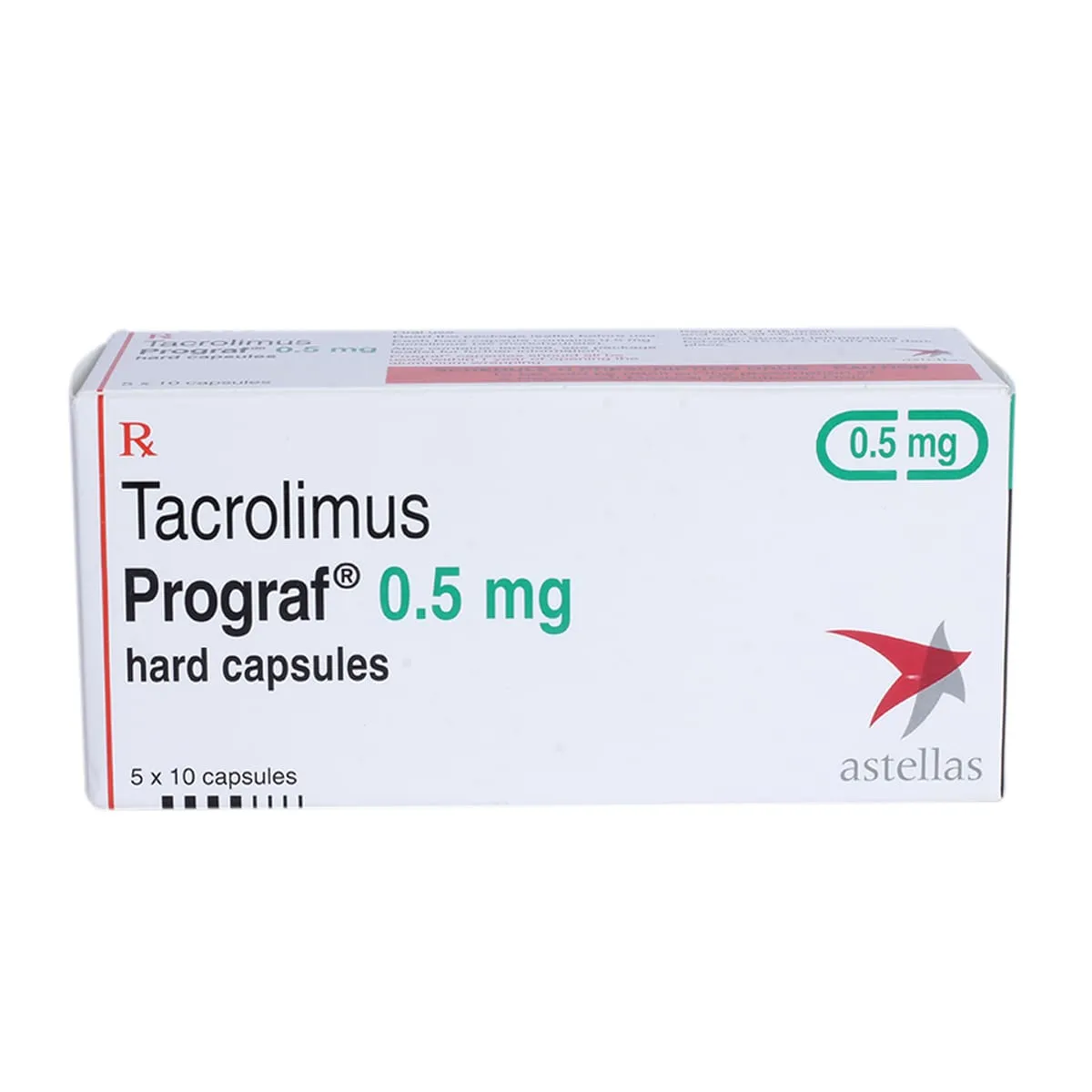
Prograf 0.5 mg Capsule is used to prevent rejection of a transplanted organ, such as a liver, kidney, or heart. It contains Tacrolimus, which works by suppressing the activity of T and B lymphocytes (cells in the immune system) that usually attack foreign invaders and defend the body against foreign cells and infection. Thus, it prevents organ rejection in transplanted patients and helps the body to accept the new organ.

Read more
Written By Veda Maddala , M Pharmacy
Reviewed By Bayyarapu Mahesh Kumar , M Pharmacy
OffersOffers & Discounts

Get Free delivery (₹99) with circle icon

Join Circle
coupon
Get 12% Off with Coupons
coupon
Extra 10% Off with Bank Offers
bank offer
bank offer
bank offer

More about the Product

Composition :

TACROLIMUS-0.5MG

Manufacturer/Marketer :

Astellas Pharma India Pvt Ltd

Consume Type :

Oral

Expires on or after :

Jan-27

Return Policy :

Not Returnable

NPPA :

Regulated

About Prograf 0.5 mg Capsule

Prograf 0.5 mg Capsule is a prescription medicine used to keep your immune system from attacking a newly transplanted kidney, liver, or heart. By calming your body's natural defenses, it helps your body accept the new organ so it can function properly.

You will typically take Prograf 0.5 mg Capsule twice a day, exactly 12 hours apart, to keep a steady level in your blood. It is highly important to take it consistently either always with food or always without food, as changes in your diet can alter how much medicine your body absorbs. Alongside taking Prograf 0.5 mg Capsule , eating a heart-healthy diet, staying hydrated, and avoiding raw or undercooked foods can support your recovery.

While taking Prograf 0.5 mg Capsule , you may experience some common side effects like mild hand shaking, headaches, or nausea. However, you must contact your doctor immediately if you experience serious symptoms such as signs of an infection, changes in how much you urinate, or severe stomach pain.

Do not take Prograf 0.5 mg Capsule if you have had a severe allergic reaction to it or any of its inactive ingredients in the past. Talk to your doctor before starting if you have pre-existing kidney disease, liver damage, high blood pressure, or a history of heart rhythm issues.

Prograf 0.5 mg Capsule can interact with alcohol, smoking, and many other prescriptions by changing how your body processes the drug, which can lead to kidney damage or make Prograf 0.5 mg Capsule less effective. Pregnant women, breastfeeding mothers, and elderly individuals should consult their healthcare team before starting this treatment to ensure it is safe for their specific needs.

Uses of Prograf 0.5 mg Capsule

Prograf 0.5 mg Capsule is used to treat various medical conditions. The detailed uses are as follows:

  • Kidney transplant rejection: Helps prevent your body's immune system from identifying a new kidney as foreign and attacking it.
  • Liver transplant rejection: Controls your immune response to ensure your new liver can safely perform its vital functions.
  • Heart transplant rejection: Works to protect a donor heart by calming the body's natural defense mechanisms.

Key Benefits

Prograf 0.5 mg Capsule helps prevent organ rejection after transplantation by controlling the body's immune response. It plays an important role in protecting transplanted organs and supporting long-term health after transplant surgery.

Benefits may include:

  • Helps prevent rejection of transplanted organs such as the kidney, liver, or heart.
  • Supports the long-term function and survival of the transplanted organ.
  • Helps improve quality of life by allowing patients to return to many of their normal daily activities.
  • Provides ongoing immune system control to help protect the transplanted organ.
  • Supports successful recovery and long-term health following organ transplantation.
  • Plays a vital role in comprehensive post-transplant care when taken regularly as prescribed.
Side effects of Prograf 0.5 mg Capsule
  • Wear compression garments like stockings, sleeves, or gloves to apply pressure and help stop fluid from building up, especially after the swelling goes down.
  • Move around and do exercises to help the fluid circulate, especially in swollen limbs. Ask your doctor for specific exercises.
  • Raise the swollen area above your heart level several times a day, even while sleeping, to help reduce swelling.
  • Gently massage the swollen area with firm but not painful pressure.
  • Keep the swollen area clean and moisturized to prevent injury and infection.
  • Reduce salt intake to help prevent fluid from building up and worsening the swelling, as advised by a doctor.
  • If the swelling does not get better after a few days of home treatment or worsens, consult your doctor right away.
  • Chest pain may last for a while and needs immediate medical attention as it is a significant health issue to be attended to.
  • Take rest and refrain from doing physical activity for a while, and restart after a few days.
  • Try applying an ice pack to the strained area for at least 20 minutes thrice a day. Ice pack thus helps reduce inflammation.
  • Sit upright and maintain proper posture if there is persistent chest pain. • Use extra pillows to elevate your position and prop your chest up while sleeping.
Here are the precise steps to cope with diarrhoea caused by medication usage:
  • Inform Your Doctor: Notify your doctor immediately about your diarrhoea symptoms. This allows them to adjust your medication or provide guidance on managing side effects.
  • Stay Hydrated: Drink plenty of fluids to replace lost water and electrolytes. Choose water, clear broth, and electrolyte-rich drinks. Avoid carbonated or caffeinated beverages to effectively rehydrate your body.
  • Follow a Bland Diet: Eat easy-to-digest foods to help firm up your stool and settle your stomach. Try incorporating bananas, rice, applesauce, toast, plain crackers, and boiled vegetables into your diet.
  • Avoid Trigger Foods: Steer clear of foods that can worsen diarrhoea, such as spicy, fatty, or greasy foods, high-fibre foods, and dairy products (especially if you're lactose intolerant).
  • Practice Good Hygiene: Maintain good hygiene to prevent the spread of infection. To stay healthy, wash your hands frequently, clean and disinfect surfaces regularly, and avoid exchanging personal belongings with others.
  • Take Anti-Diarrheal Medications: If your doctor advises, anti-diarrheal medications such as loperamide might help manage diarrhoea symptoms. Always follow your doctor's directions.
  • Keep track of your diarrhoea symptoms. If they don't get better or worse or are accompanied by severe stomach pain, blood, or dehydration signs (like extreme thirst or dark urine), seek medical help.
Overcome Medication-Induced Nausea: A 9-Step Plan
  • Inform your doctor about the nausea and discuss possible alternatives to the medication or adjustments to the dosage.
  • Divide your daily food intake into smaller, more frequent meals to reduce nausea.
  • Opt for bland, easily digestible foods like crackers, toast, plain rice, bananas, and applesauce.
  • Avoid certain foods that can trigger nausea, such as fatty, greasy, spicy, and smelly foods.
  • Drink plenty of fluids, such as water, clear broth, or electrolyte-rich beverages like coconut water or sports drinks.
  • Use ginger (tea, ale, or candies) to help relieve nausea.
  • Get adequate rest and also avoid strenuous activities that can worsen nausea.
  • Talk to your doctor about taking anti-nausea medication if your nausea is severe.
  • Record when your nausea occurs, what triggers it, and what provides relief to help you identify patterns and manage your symptoms more effectively.
Here are the steps to cope with constipation as a side effect of medication:
  • Inform your doctor about your constipation symptoms. They may adjust your medication or advise alternative treatments.
  • Stay hydrated by drinking sufficient of water (at least 8-10 glasses a day) to help soften stool and promote bowel movements.
  • Increase fibre intake by eating foods high in fibre, such as fruits, whole grains, vegetables and legumes, to help bulk up the stool.
  • Establish a bowel routine by trying to go to the bathroom at the same time each day to train your bowels.
  • Engaging in regular exercise, like walking or yoga, can support in bowel movement stimulation.
  • Consult your doctor if constipation persists, and discuss alternative treatments or adjustments to your medication.
To prevent, manage, and treat Constipation caused by medication usage, follow these steps:
  • Preventing Vomiting (Before it Happens)
  • Take medication exactly as prescribed by your doctor. This can help minimize side effects, including vomiting.
  • Having a small meal before taking your medication can help reduce nausea and vomiting.
  • Talk to your doctor about taking anti-nausea medication along with your prescribed medication.
  • Managing Vomiting (If it Happens)
  • Try taking ginger in the form of tea, ale, or candy to help alleviate nausea and vomiting.
  • What to Do if Vomiting Persists
  • Consult your doctor if vomiting continues or worsens, consult the doctor for guidance on adjusting your medication or additional treatment.
Here are the step-by-step strategies to manage the side effects of "indigestion" caused by medication usage:
  • Take medications with food (if recommended): It can help prevent stomach distress and indigestion.
  • Eat smaller, more frequent meals: Divide daily food intake into smaller, more frequent meals to ease digestion.
  • Avoid trigger foods: Identify and avoid foods that trigger indigestion, such as spicy, fatty, or acidic foods.
  • Stay upright after eating: Sit or stand upright for at least 1-2 hours after eating to prevent stomach acid from flowing into the oesophagus.
  • Avoid carbonated drinks: Avoid drinking carbonated beverages, such as soda or beer, which can worsen indigestion.
  • Manage stress: To alleviate indigestion, engage in stress-reducing activities like deep breathing exercises or meditation.
  • Consult a doctor if needed: If indigestion worsens or persists, consult a healthcare professional to adjust the medication regimen or explore alternative treatments.

Directions for Use

  • Take Prograf 0.5 mg Capsule at least 1 hour before or 2 to 3 hours after a meal or as advised by your doctor.
  • Strictly follow your doctor's recommendation regarding the dosage and duration.
  • Swallow it as a whole with water.
  • Do not crush, break or chew it.

How Prograf 0.5 mg Capsule Works

Prograf 0.5 mg Capsule belongs to a group of medicines known as immunosuppressants. It works by blocking a specific protein in your body called calcineurin, which is responsible for activating white blood cells called T-lymphocytes (T-cells). T-cells are the primary defense cells your immune system uses to attack foreign invaders. By temporarily blocking these cells, Prograf 0.5 mg Capsule prevents your immune system from recognizing your new organ as a threat, stopping it from launching an attack. This protective effect is essential for keeping your transplanted organ safe and functional.
bannner image

Alcohol

Unsafe

Avoid alcohol consumption with Prograf 0.5 mg Capsule as it may increase the risk of adverse effects. Please consult a doctor before consuming alcohol with Prograf 0.5 mg Capsule .

bannner image

Pregnancy

Caution

Using Tacrolimus during pregnancy may cause kidney dysfunction or neonatal hyperkalemia (high potassium levels in the blood). Therefore, please consult a doctor if you are pregnant before taking Prograf 0.5 mg Capsule and if you are a woman of childbearing age, use effective contraceptive methods while using Prograf 0.5 mg Capsule .

bannner image

Breast Feeding

Consult your doctor

Prograf 0.5 mg Capsule may be excreted in breast milk. Therefore, please inform your doctor if you are a breastfeeding mother before taking Prograf 0.5 mg Capsule . You should avoid taking Prograf 0.5 mg Capsule during breastfeeding or avoid breastfeeding while on treatment with Prograf 0.5 mg Capsule .

bannner image

Driving

Caution

Prograf 0.5 mg Capsule may cause vision problems or nervous disturbances in a few people. Therefore, avoid driving if you experience any of these symptoms after taking Prograf 0.5 mg Capsule .

bannner image

Liver

Consult your doctor

Please consult a doctor if you have liver diseases/conditions before taking Prograf 0.5 mg Capsule .

bannner image

Kidney

Consult your doctor

Please consult a doctor if you have Kidney diseases/conditions before taking Prograf 0.5 mg Capsule .

bannner image

Children

Safe if prescribed

Prograf 0.5 mg Capsule should be used in children in doses as advised by a doctor only.

bannner image

Heart

Consult your doctor

Prograf 0.5 mg Capsule can be used in heart patients, especially post-transplant, but it require close monitoring due to risks like arrhythmias, hypertension, and kidney strain. Always consult your cardiologist before starting, as dose adjustments and regular ECG and blood tests may be necessary.

bannner image

Geriatrics

Caution

Prograf 0.5 mg Capsule can be taken by geriatric patients, but they require careful monitoring due to increased sensitivity to side effects like kidney dysfunction and high blood pressure. Dose adjustments and regular blood tests are essential to ensure safety and effectiveness.

What if I have taken an overdose of Prograf 0.5 mg Capsule

If you take too much of Prograf 0.5 mg Capsule , seek immediate medical attention or contact your local poison control center right away. An overdose can lead to serious kidney issues and other health complications.

Diet & Lifestyle Advise

  • Avoid grapefruit products: Do not eat grapefruit or drink grapefruit juice, as they can significantly increase the levels of Prograf 0.5 mg Capsule in your blood.
  • Protect yourself from infections: Wash your hands frequently, avoid close contact with people who are unwell, and stay away from large crowds whenever possible.
  • Protect your skin from sunlight: Use a high-SPF sunscreen and wear wide-brimmed hats and protective clothing when outdoors, as Prograf 0.5 mg Capsule can increase sensitivity to sunlight and raise the risk of skin cancer.
  • Avoid raw or undercooked foods: Do not consume raw or undercooked meats, seafood, or eggs, as a weakened immune system can increase the risk of serious foodborne illnesses.
  • Stay well hydrated: Drink plenty of water throughout the day to help support kidney health and overall wellbeing.
health query

Have a query?

How Soon It Starts Working

The time required for Prograf 0.5 mg Capsule to start to work: The peak effect of Prograf 0.5 mg Capsule can be observed in 6 hours. The time for which the effects of Prograf 0.5 mg Capsule last: Prograf 0.5 mg Capsule effect lasts for about 2 to 4 days in immediate release, and 3 to 5 days in extended release.

What if you forget to take Prograf 0.5 mg Capsule

If you miss a dose of Prograf 0.5 mg Capsule , take it as soon as you remember if it is within a few hours of your scheduled time. However, if your next scheduled dose is less than 4 hours away, skip the missed dose and return to your regular schedule. Do not take a double dose to make up for a missed one. Talk to your doctor or pharmacist if you are unsure.

Storage

• Store Prograf 0.5 mg Capsule oral capsules at controlled room temperature between 20°C and 25°C (68°F to 77°F).

Drug Warnings

  • Avoid live vaccines during treatment: Do not receive live vaccines, such as yellow fever or oral polio vaccines, while taking Prograf 0.5 mg Capsule , as they may increase the risk of serious infections.
  • Attend regular monitoring appointments: Keep all scheduled blood tests so your doctor can monitor medicine levels, kidney function, blood sugar, and your overall response to treatment.
  • Handle capsules carefully: If you are pregnant or planning to become pregnant, avoid handling open or broken capsules, as the contents may be harmful if inhaled or absorbed through the skin.
  • Monitor your blood pressure: Check your blood pressure regularly at home and inform your healthcare provider if you consistently record elevated readings.
  • Inform healthcare providers before procedures: Tell all healthcare professionals, including your doctor, dentist, and surgeon, that you are taking this immunosuppressive medicine before any medical, surgical, or dental procedure.

Drug-Drug Interactions

verifiedApollotooltip
  • Blood pressure medicines (e.g., diltiazem, verapamil): These medicines may increase Prograf 0.5 mg Capsule levels in the body and raise the risk of side effects.
  • Certain antibiotics (e.g., erythromycin, clarithromycin): These antibiotics can increase Prograf 0.5 mg Capsule levels and may increase the risk of toxicity. Your doctor may monitor Prograf 0.5 mg Capsule blood levels more closely.
  • Medicines that may affect kidney function (e.g., NSAIDs such as ibuprofen): Taking these medicines alongside Prograf 0.5 mg Capsule may increase the risk of kidney damage.
  • Anti-seizure medicines (e.g., carbamazepine, phenytoin): These medicines may reduce Prograf 0.5 mg Capsule levels and decrease its effectiveness in preventing organ rejection.

Drug-Drug Interactions

Login/Sign Up

How does the drug interact with Prograf 0.5 mg Capsule:
Taking Prograf 0.5 mg Capsule with Mifepristone may significantly increase the blood levels of Prograf 0.5 mg Capsule, which may increase the risk and/or severity of side effects.

How to manage the interaction:
Taking Prograf 0.5 mg Capsule with Mifepristone is not recommended, but it can be taken together if prescribed by a doctor. However, consult your doctor if you experience unusual symptoms. Do not discontinue any medications without consulting a doctor.
How does the drug interact with Prograf 0.5 mg Capsule:
Combining Prograf 0.5 mg Capsule with Thioridazine can increase the risk of irregular heart rhythm.

How to manage the interaction:
Taking Prograf 0.5 mg Capsule with Thioridazine is not recommended, but it can be taken together if prescribed by a doctor. However, consult your doctor if you experience sudden dizziness, lightheadedness, fainting, shortness of breath. Do not discontinue any medications without consulting a doctor.
How does the drug interact with Prograf 0.5 mg Capsule:
Taking Prograf 0.5 mg Capsule with dronedarone can increase the risk of irregular heart rhythm.

How to manage the interaction:
Taking Prograf 0.5 mg Capsule with Dronedarone is not recommended, but can be taken together if prescribed by a doctor. However, consult your doctor if you experience sudden dizziness, lightheadedness, fainting, shortness of breath. Do not discontinue any medications without consulting a doctor.
TacrolimusSaquinavir
Critical
How does the drug interact with Prograf 0.5 mg Capsule:
Taking Prograf 0.5 mg Capsule with saquinavir can increase the risk of irregular heart rhythm.

How to manage the interaction:
Taking Prograf 0.5 mg Capsule with Saquinavir is not recommended, but it can be taken together if prescribed by a doctor. However, consult your doctor if you experience sudden dizziness, lightheadedness, fainting, shortness of breath. Do not discontinue any medications without consulting a doctor.
How does the drug interact with Prograf 0.5 mg Capsule:
Taking Prograf 0.5 mg Capsule with Ziprasidone can increase the risk of irregular heart rhythm.

How to manage the interaction:
Taking Prograf 0.5 mg Capsule with Ziprasidone together can possibly result in an interaction, but it can be taken if a doctor has advised it. However, consult a doctor immediately if you experience any symptoms such as sudden dizziness, lightheadedness, fainting, shortness of breath, or heart palpitations. Do not discontinue any medications without consulting a doctor.
How does the drug interact with Prograf 0.5 mg Capsule:
Taking cidofovir with Prograf 0.5 mg Capsule can increase the risk of kidney problems.

How to manage the interaction:
Taking Prograf 0.5 mg Capsule with Cidofovir is not recommended, but it can be taken together if prescribed by a doctor. However, consult your doctor immediately if you experience nausea, vomiting, loss of hunger, increased or decreased urination, sudden weight gain swelling, shortness of breath, bone pain, muscle cramps, tiredness, weakness, dizziness, confusion, and irregular heart rhythm. Do not stop using any medications without first talking to your doctor.
How does the drug interact with Prograf 0.5 mg Capsule:
Taking Prograf 0.5 mg Capsule with tobramycin may increase risk of kidney problems.

How to manage the interaction:
Although taking Prograf 0.5 mg Capsule and tobramycin together can possibly result in an interaction, it can be taken if your doctor has prescribed it. However, consult the doctor immediately if you experience symptoms such as nausea, vomiting, loss of hunger, increased or decreased urination, sudden weight gain or weight loss, fluid retention, swelling, shortness of breath, muscle cramps, tiredness, weakness, dizziness, confusion, and irregular heart rhythm. Do not discontinue any medications without consulting a doctor.
How does the drug interact with Prograf 0.5 mg Capsule:
Taking spironolactone with Prograf 0.5 mg Capsule may increase potassium levels in the blood and even kidney and heart problems.

How to manage the interaction:
Although taking spironolactone and Prograf 0.5 mg Capsule together can possibly result in an interaction, it can be taken if your doctor has prescribed it. However, consult the doctor immediately if you experience nausea, vomiting, weakness, confusion, tingling of the hands and feet, feelings of heaviness in the legs, a weak pulse, or a slow or irregular heartbeat. Do not stop using any medications without consulting doctor.
How does the drug interact with Prograf 0.5 mg Capsule:
Taking Prograf 0.5 mg Capsule with esomeprazole may significantly increase the blood levels of Prograf 0.5 mg Capsule, which can lead to an increased risk of side effects.

How to manage the interaction:
Although taking Esomeprazole with Prograf 0.5 mg Capsule can result in an interaction, they can be taken together if prescribed by your doctor. However, contact a doctor immediately if you experience irregular heartbeat, blurring of vision, fever, chills, or muscle spasms. Do not discontinue any medications without consulting a doctor.
TacrolimusOlsalazine
Severe
How does the drug interact with Prograf 0.5 mg Capsule:
Taking Prograf 0.5 mg Capsule with olsalazine may increase the risk of kidney problems.

How to manage the interaction:
Although taking Prograf 0.5 mg Capsule and olsalazine together can possibly result in an interaction, it can be taken if your doctor has prescribed it. However, consult the doctor immediately if you experience symptoms such as nausea, vomiting, loss of appetite, increased or decreased urination, sudden weight gain or weight loss, fluid retention, swelling, shortness of breath, muscle cramps, tiredness, weakness, dizziness, confusion, and irregular heart rhythm. Do not discontinue any medications without consulting a doctor.

Drug-Food Interactions

verifiedApollotooltip
  • Grapefruit and grapefruit juice: Avoid consuming grapefruit products while taking Prograf 0.5 mg Capsule , as they may increase the amount of Prograf 0.5 mg Capsule in your bloodstream and lead to toxic levels.
  • Potassium-rich foods and potassium-containing salt substitutes: Consuming large amounts of foods such as bananas and spinach or using potassium-containing salt substitutes may increase the risk of high potassium levels in the blood.
TACROLIMUS-0.5MGGrapefruit and Grapefruit Juice
Moderate

Drug-Food Interactions

Login/Sign Up

TACROLIMUS-0.5MGGrapefruit and Grapefruit Juice
Moderate
Common Foods to Avoid:
Grapefruit Juice, Grapefruit

How to manage the interaction:
Taking of grapefruit or grapefruit juice while on Prograf 0.5 mg Capsule treatment may lead to increased Prograf 0.5 mg Capsule levels in blood. Avoid or limit grapefruit or grapefruit juice intake during treatment with Prograf 0.5 mg Capsule.

All Substitutes & Brand Comparisons

Habit Forming

No

Therapeutic Class

[IMMUNOSUPPRESSANTS]

FAQs

Prograf 0.5 mg Capsule is used to prevent rejection of a transplanted organ, such as a liver, kidney, or heart.
Prograf 0.5 mg Capsule contains Tacrolimus, an immunosuppressant that works by inhibiting the activity of T and B lymphocytes (cells in the immune system) that usually attack foreign invaders and defend the body against foreign cells and infection. As a result, it helps the body accept the new organ and prevents organ rejection in patients who have had organ transplants.
Prograf 0.5 mg Capsule may increase the risk of infections as it may weaken the immune system. Therefore, consult a doctor immediately if you have any signs of infection, such as a sore throat or fever.
Prograf 0.5 mg Capsule may increase the risk of skin cancer. Therefore, avoid or limit exposure to the sun for extended periods or artificial light such as tanning beds. Wear protective clothing and use sunscreen before going out in the sun.
If you are about to receive any vaccinations, especially live vaccines such as measles, mumps, rubella (MMR), oral polio, varicella, yellow fever, intranasal influenza, BCG and TY21a typhoid vaccines, inform your doctor that you are taking Prograf 0.5 mg Capsule because it may reduce the effectiveness of the vaccine and increase your risk of contracting the infection that the vaccine is meant to protect against.
Using Prograf 0.5 mg Capsule with Sirolimus is not recommended in patients who have had heart or liver transplants. It is unknown if kidney transplant recipients can use it safely. Hence, please seek medical advice before combining Prograf 0.5 mg Capsule with other medications.
Prograf 0.5 mg Capsule may cause tremors, trembling and shaking of hands. Consult the doctor if this becomes bothersome.
Prograf 0.5 mg Capsule is usually taken on an empty stomach or 2 to 3 hours after a meal. Wait at least 1 hour until the next meal.
Prograf 0.5 mg Capsule is a macrolide antibiotic with immunosuppressant properties.
Prograf 0.5 mg Capsule should not be taken by people who are allergic to any of its components, allergic to sirolimus or any macrolide-antibiotic, during breastfeeding, and receiving live vaccines.
Let the doctor know if you have long QT syndrome, low or high levels of potassium, low levels of calcium or magnesium, an irregular heartbeat, high blood pressure, high cholesterol levels, cystic fibrosis (an inborn disease), heart, kidney, or liver disease. Inform the doctor if you have a weak immune system or if you are due to undergo any vaccination.
Prograf 0.5 mg Capsule decreases the activity of your immune system, increasing the risk of serious infection and cancer (lymphoma cancer). Consult the doctor if you experience symptoms of infection (sore throat, extreme tiredness, cough, flu-like symptoms, fever,) or cancer (weight loss, swollen lymph nodes in the neck, armpits, or groin, fever, excessive tiredness or weakness, night sweats, cough, chest pain, trouble breathing, or pain, swelling, or fullness in the stomach area).
No, Prograf 0.5 mg Capsule does not have an abuse potential as it is not a controlled substance.
Side effects of Prograf 0.5 mg Capsule include nausea, diarrhoea, headache, kidney problems, infection, fever, constipation or high blood pressure. If the side effects persist or worsen, please consult your doctor.
It is best to avoid alcohol while taking Prograf 0.5 mg Capsule . Alcohol can increase the risk of side effects like dizziness and can interact unpredictably with your medication. Talk to your doctor for personalized advice.
If you vomit shortly after taking your dose, do not take another dose. Contact your doctor or transplant coordinator immediately for instructions on what to do.
Your doctor needs to measure the exact amount of Prograf 0.5 mg Capsule in your blood because the safe and effective range is very narrow. Too little medicine can lead to organ rejection, while too much can cause kidney damage. Talk to your doctor if you have questions about your blood test results.
You should never switch between different brands or formulations of Prograf 0.5 mg Capsule without your doctor's direct supervision. Even minor differences can change how much medicine gets into your blood. Talk to your doctor before making any changes.
You should avoid pain relievers like ibuprofen or naproxen, as they can significantly increase the risk of kidney damage when combined with Prograf 0.5 mg Capsule . Acetaminophen is generally safer, but you should always talk to your doctor or pharmacist before taking any new over-the-counter medicine.
Yes, some patients experience temporary hair thinning or loss while taking Prograf 0.5 mg Capsule . This is a recognized side effect, but it is important not to stop taking your medicine. Talk to your doctor if this concern is affecting you.
Typically, you will need to take Prograf 0.5 mg Capsule for as long as you have the transplanted organ to prevent rejection. Stopping Prograf 0.5 mg Capsule can lead to rapid organ failure. Talk to your doctor about your long-term treatment plan.

Disclaimer

While we strive to provide complete, accurate, and expert-reviewed content on our 'Platform', we make no warranties or representations and disclaim all responsibility and liability for the completeness, accuracy, or reliability of the aforementioned content. The content on our platform is for informative purposes only, and may not cover all clinical/non-clinical aspects. Reliance on any information and subsequent action or inaction is solely at the user's risk, and we do not assume any responsibility for the same. The content on the Platform should not be considered or used as a substitute for professional and qualified medical advice. Please consult your doctor for any query pertaining to medicines, tests and/or diseases, as we support, and do not replace the doctor-patient relationship.

Country of origin

INDIA

Manufacturer/Marketer address

Astellas Pharma India Pvt Ltd, 301, 3rd Floor, C and B Square, 127 Andheri Kurla Road, Chakala, Andheri East, Mumbai 400 069.
Other Info - PRO0894
whatsapp Floating Button
Buy Now