
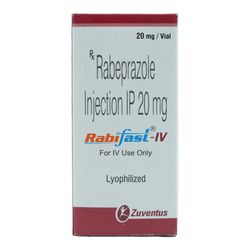
Rabifast I. V 20mg Injection




₹145
 ₹22.0Cashback (15%)
(Inclusive of all Taxes)
₹101 with coupons & bank offers*
 Offers & Discounts
Get Free delivery (₹99) with


Delivery Information
More about the Product
Composition :
Manufacturer/Marketer :
Consume Type :
Expires on or after :
Return Policy :
About Rabifast I. V 20mg Injection
Rabifast I. V 20mg Injection is a prescription medication injected into a vein to treat conditions caused by excess stomach acid, such as severe gastroesophageal reflux disease (GERD) and stomach ulcers. It is typically prescribed when a patient is temporarily unable to take medications by mouth. This medicine helps heal damage to the food pipe (oesophagus) and stomach lining by significantly lowering daily acid production.
It is usually injected once daily by a healthcare professional, and maintaining a consistent schedule helps ensure its effectiveness. Because this medication is given directly into a vein, you do not need to worry about taking it with food. Making simple dietary changes, like avoiding spicy and highly acidic foods, can also help improve your overall recovery results.
While most people tolerate this medicine well, some may experience mild side effects like headaches or nausea. If you notice severe signs like persistent diarrhoea, muscle weakness, or a sudden allergic reaction, you must consult your doctor immediately.
Before starting this treatment, tell your healthcare provider if you have severe liver damage or low magnesium levels. Do not take this if you are allergic to similar acid-reducing medications.
This medicine can interact with certain blood thinners, antifungals, or HIV medications, which is why sharing your full medication list with your doctor is highly important. It is also wise to limit alcohol and avoid smoking, as both can worsen stomach irritation. If you are pregnant, breastfeeding, or an older adult, talk to your doctor or pharmacist to ensure this treatment is safe for you.
Uses of Rabifast I. V 20mg Injection
Rabifast I. V 20mg Injection may be used to help manage the following conditions:
- Gastroesophageal Reflux Disease (GERD) with erosive oesophagitis: Rabifast I. V 20mg Injection helps heal the inflamed food pipe and relieves symptoms like chronic heartburn when oral treatment is not possible.
- Stomach and Duodenal Ulcers: This medication reduces stomach acid to allow active sores in the stomach lining or the upper part of the small intestine to heal.
- Zollinger-Ellison Syndrome: Rabifast I. V 20mg Injection manages this rare condition where the stomach produces extreme, harmful amounts of acid.
- Prevention of Acid Aspiration: It can be used before certain surgeries to reduce the risk of stomach acid entering the lungs during anaesthesia.
Key Benefits
Rabifast I. V 20mg Injection injection is used for the short-term treatment of acid-related conditions when oral treatment is not suitable. It reduces stomach acid production, helping relieve symptoms and promote healing of acid-damaged tissues.
- Provides Rapid Acid Control: Quickly reduces stomach acid production, helping relieve severe heartburn, acid reflux, and stomach discomfort.
- Promotes Healing of Ulcers: Helps heal stomach and duodenal ulcers by reducing acid exposure and allowing damaged tissues to recover.
- Protects the Oesophagus: Reduces acid-related injury to the food pipe, supporting healing in conditions such as gastro-oesophageal reflux disease (GERD).
- Suitable When Oral Medicines Cannot Be Taken: Provides effective acid suppression for patients who are unable to swallow, are vomiting, or are recovering after surgery.
- Helps Prevent Acid-Related Complications: By controlling stomach acid, it helps reduce the risk of complications such as ulcer progression and gastrointestinal bleeding.
- Hydrate your body: Drink enough water to prevent dehydration and headaches.
- Calm Your Mind: Deep breathing and meditation can help you relax and relieve stress.
- Rest and Recharge: Sleep for 7-8 hours to reduce headache triggers.
- Take rest: lie down in a quiet, dark environment.
- Cold or warm compresses can help reduce tension.
- Stay Upright: Maintain good posture to keep symptoms from getting worse.
- To treat headaches naturally, try acupuncture or massage therapy.
- Over-the-counter pain relievers include acetaminophen and ibuprofen.
- Prescription Assistance: Speak with your doctor about more substantial drug alternatives.
- Severe Headaches: Seek emergency medical assistance for sudden, severe headaches.
- Frequent Headaches: If you get reoccurring headaches, consult your doctor.
- Headaches with Symptoms: Seek medical attention if your headaches include fever, disorientation, or weakness.
- Inform your doctor about your constipation symptoms. They may adjust your medication or advise alternative treatments.
- Stay hydrated by drinking sufficient of water (at least 8-10 glasses a day) to help soften stool and promote bowel movements.
- Increase fibre intake by eating foods high in fibre, such as fruits, whole grains, vegetables and legumes, to help bulk up the stool.
- Establish a bowel routine by trying to go to the bathroom at the same time each day to train your bowels.
- Engaging in regular exercise, like walking or yoga, can support in bowel movement stimulation.
- Consult your doctor if constipation persists, and discuss alternative treatments or adjustments to your medication.
- Inform Your Doctor: Notify your doctor immediately about your diarrhoea symptoms. This allows them to adjust your medication or provide guidance on managing side effects.
- Stay Hydrated: Drink plenty of fluids to replace lost water and electrolytes. Choose water, clear broth, and electrolyte-rich drinks. Avoid carbonated or caffeinated beverages to effectively rehydrate your body.
- Follow a Bland Diet: Eat easy-to-digest foods to help firm up your stool and settle your stomach. Try incorporating bananas, rice, applesauce, toast, plain crackers, and boiled vegetables into your diet.
- Avoid Trigger Foods: Steer clear of foods that can worsen diarrhoea, such as spicy, fatty, or greasy foods, high-fibre foods, and dairy products (especially if you're lactose intolerant).
- Practice Good Hygiene: Maintain good hygiene to prevent the spread of infection. To stay healthy, wash your hands frequently, clean and disinfect surfaces regularly, and avoid exchanging personal belongings with others.
- Take Anti-Diarrheal Medications: If your doctor advises, anti-diarrheal medications such as loperamide might help manage diarrhoea symptoms. Always follow your doctor's directions.
- Keep track of your diarrhoea symptoms. If they don't get better or worse or are accompanied by severe stomach pain, blood, or dehydration signs (like extreme thirst or dark urine), seek medical help.
- Tell your doctor about your GAS symptoms. They may change your medication regimen or prescribe additional drugs to help you manage them.
- To manage GAS symptoms, eat a balanced diet of fibre, vegetables, and fruits.
- Drink enough water throughout the day to avoid constipation and treat GAS symptoms.
- Regular exercise like yoga and walking may help stimulate digestion and alleviate GAS symptoms.
- Take probiotics only if your doctor advises, as they may help alleviate GAS symptoms by promoting gut health.
- Take medication for GAS symptoms only if your doctor advises, as certain medications can interact with your existing prescriptions or worsen symptoms.
- If symptoms persist, worsen, or are accompanied by severe abdominal pain, vomiting, or bleeding, seek immediate medical attention.
- Apply a hot/cold pack to the affected area.
- Doing gentle exercises can help cope with pain by stretching muscles.
- Get enough sleep. It helps enhance mood and lower pain sensitivity.
- Avoid alcohol, smoking and tobacco as they can increase pain.
- Follow a well-balanced meal.
- Meditation and massages may also help with pain.
- Drink warm fluids such as warm water with honey, broth, soup or herbal tea to soothe sore throat.
- Gargle with warm salt water.
- Suck on lozenges to increase the production of saliva and soothe your throat.
- Use a humidifier to soothe sore throat as it adds moisture to the air and makes breathing easier.
- Drink water or other clear fluids.
- To prevent worsening of pain, limit intake of tea, coffee, or alcohol.
- Include bland foods like rice, toast, crackers, and rice in your diet.
- Avoid lying down immediately after eating as it may cause indigestion or heartburn.
- Avoid acidic and spicy food as it may cause indigestion.
Directions for Use
- Follow your doctor’s instructions on the dosage and timing of this medication to ensure safe and effective use.
- Rabifast I. V 20mg Injection will be administered by the doctor or healthcare professional.
- Do not self-administer.
How Rabifast I. V 20mg Injection Works

Alcohol
Unsafe
Avoid consumption of alcohol while taking Rabifast I. V 20mg Injection. Alcohol intake leads to increased production of stomach acid, thereby increasing acidity and heartburn.

Pregnancy
Caution
Please consult your doctor if you are pregnant. Your doctor will weigh the benefits and any potential risks before prescribing Rabifast I. V 20mg Injection.

Breast Feeding
Caution
Please consult your doctor if you are breastfeeding. Your doctor will decide if Rabifast I. V 20mg Injection can be taken by breastfeeding mothers or not.

Driving
Caution
Rabifast I. V 20mg Injection may cause dizziness. Do not drive or operate machinery unless you are alert.

Liver
Caution
Please consult your doctor if you have a liver impairment or any concerns regarding this.

Kidney
Caution
Please consult your doctor if you have kidney impairment or any concerns regarding this.

Children
Unsafe
Rabifast I. V 20mg Injection is not recommended for children as the safety and effectiveness were not established.

Heart
Consult your doctor
Let your doctor know if you have any history of heart disease. Your doctor will weigh the benefits and potential risks before prescribing Rabifast I. V 20mg Injection.

Geriatrics
Consult your doctor
Please consult a doctor before administering Rabifast I. V 20mg Injection to geriatric patients. Your doctor will prescribe Rabifast I. V 20mg Injection if the benefits outweigh the risks.
What if I have taken an overdose of Rabifast I. V 20mg Injection
Diet & Lifestyle Advise
- Avoid Trigger Foods: Limit foods and drinks that may worsen acid reflux, including spicy foods, citrus fruits, tomatoes, chocolate, caffeine, and high-fat meals.
- Eat Smaller, Frequent Meals: Have smaller meals throughout the day instead of large meals to reduce stomach pressure.
- Avoid Lying Down After Meals: Wait at least 2–3 hours after eating before lying down or going to bed.
- Elevate the Head of Your Bed: Raise the head of your bed by 15–20 cm if you experience reflux symptoms at night.
- Avoid Smoking and Limit Alcohol: Smoking and alcohol can worsen acid reflux and delay healing of the digestive tract.

Have a query?
How Soon It Starts Working
The time required for Rabifast I. V 20mg Injection to start to work: The time required for Rabifast I. V 20mg Injection to show its action is unknown. The time for which the effects of Rabifast I. V 20mg Injection last: The duration of action for Rabifast I. V 20mg Injection is unknown.
What if you forget to take Rabifast I. V 20mg Injection
Storage
- Store the unmixed vial of Rabifast I. V 20mg Injection at room temperature, ideally between 20°C and 25°C (68°F to 77°F).
Drug Warnings
- Inspect the Injection Before Use: Do not use the injection if the solution appears cloudy, discoloured, contains visible particles, or if the vial is damaged.
- Rotate Injection Sites if Required: If repeated intravenous administration is needed, your healthcare provider may rotate injection sites to reduce the risk of vein irritation.
- Use for the Recommended Duration: Rabifast I. V 20mg Injection injection is generally intended for short-term use. Consult your doctor if your symptoms do not improve or if prolonged treatment is required.
- Inform Your Healthcare Provider Before Laboratory Tests: Tell your doctor or laboratory personnel that you are receiving Rabifast I. V 20mg Injection, as it may affect the results of certain diagnostic tests.
- Attend Regular Monitoring if Used Long Term: If treatment continues for an extended period, your doctor may monitor your kidney function and blood magnesium levels periodically.
Drug-Drug Interactions


Drug-Drug Interaction Summary:
- Acid-Dependent Medicines: Rabifast I. V 20mg Injection may reduce the absorption and effectiveness of medicines that require stomach acid for absorption, such as ketoconazole, itraconazole, and atazanavir.
- Warfarin: Concurrent use may increase the risk of bleeding. Your doctor may monitor your clotting parameters more closely.
- Methotrexate: Rabifast I. V 20mg Injection may increase methotrexate levels in the body, raising the risk of toxicity, particularly with high-dose methotrexate therapy.
Drug-Drug Interactions
Login/Sign Up
Co-administration of Rabifast I. V 20mg Injection can make Rilpivirine less effective by reducing its absorption in the body.
How to manage the interaction:
Taking Rabifast I. V 20mg Injection with Rilpivirine is not recommended, but can be taken if prescribed by the doctor. Do not discontinue the medications without consulting a doctor.
When used in combination with erlotinib, Rabifast I. V 20mg Injection may prevent the absorption of erlotinib into the circulation, which might make erlotinib less effective in treating cancer.
How to manage the interaction:
Taking Rabifast I. V 20mg Injection with Erlotinib is not recommended as it can result in an interaction, it should be taken only if a doctor has advised it. Do not stop using any medications without consulting a doctor.
When Rabifast I. V 20mg Injection and Idelalisib are taken in combination, Idelalisib may increase the level or impact of Rabifast I. V 20mg Injection.
How to manage the interaction:
Although taking Rabifast I. V 20mg Injection and Idelalisib together can result in an interaction, it can be taken if a doctor has prescribed it. Do not discontinue any medications without a doctor's advice.
When Phenytoin and Rabifast I. V 20mg Injection are taken in combination, Phenytoin will reduce the concentration or impact of Rabifast I. V 20mg Injection.
How to manage the interaction:
Although taking Phenytoin and Rabifast I. V 20mg Injection together can result in an interaction, it can be taken if a doctor has prescribed it. Do not discontinue any medications without a doctor's advice.
Co-administration of Atazanavir's blood levels and absorption can both be affected by Rabifast I. V 20mg Injection, which decreases the atazanavir's ability to treat HIV.
How to manage the interaction:
Although taking Rabifast I. V 20mg Injection and atazanavir together can result in an interaction, it can be taken if a doctor has prescribed it. Do not discontinue any medications without a doctor's advice.
Taking Rabifast I. V 20mg Injection together with Dasatinib results in decreased levels of Dasatinib and its effectiveness.
How to manage the interaction:
Although taking Rabifast I. V 20mg Injection and Dasatinib together can result in an interaction, it can be taken if a doctor has prescribed it. Do not discontinue any medications without a doctor's advice.
Co-administration of Methotrexate with Rabifast I. V 20mg Injection can increase the blood levels and side effects of Methotrexate.
How to manage the interaction:
Although there is a possible interaction between Rabifast I. V 20mg Injection and Methotrexate, you can take these medicines together if prescribed by a doctor. Do not stop using any medications without consulting a doctor.
Taking Rabifast I. V 20mg Injection together with Gefitinib results in decreased levels of gefitinib in your blood. This can result in a decreased effectiveness of gefitinib in treating the disease.
How to manage the interaction:
Although taking Rabifast I. V 20mg Injection and Gefitinib together can possibly result in an interaction, it can be taken if your doctor has prescribed it. To lessen the effects of the interaction, it is advised that you take gefitinib 12 hours before or 12 hours after Rabifast I. V 20mg Injection. Do not discontinue any medications without a doctor's advice.
Taking Clopidogrel with Rabifast I. V 20mg Injection can reduce the effectiveness of Clopidogrel.
How to manage the interaction:
Taking Clopidogrel and Rabifast I. V 20mg Injection together possibly has an interaction, but you can take these medications together if a doctor has advised it. Do not stop using any medications without talking to a doctor.
Taking Rabifast I. V 20mg Injection together with Acalabrutinib results in a decreased effectiveness of Acalabrutinib.
How to manage the interaction:
Although taking Rabifast I. V 20mg Injection and Acalabrutinib together can result in an interaction, it can be taken if a doctor has prescribed it. Do not discontinue any medications without a doctor's advice.
Drug-Food Interactions
Drug-Food Interactions
Login/Sign Up

All Substitutes & Brand Comparisons


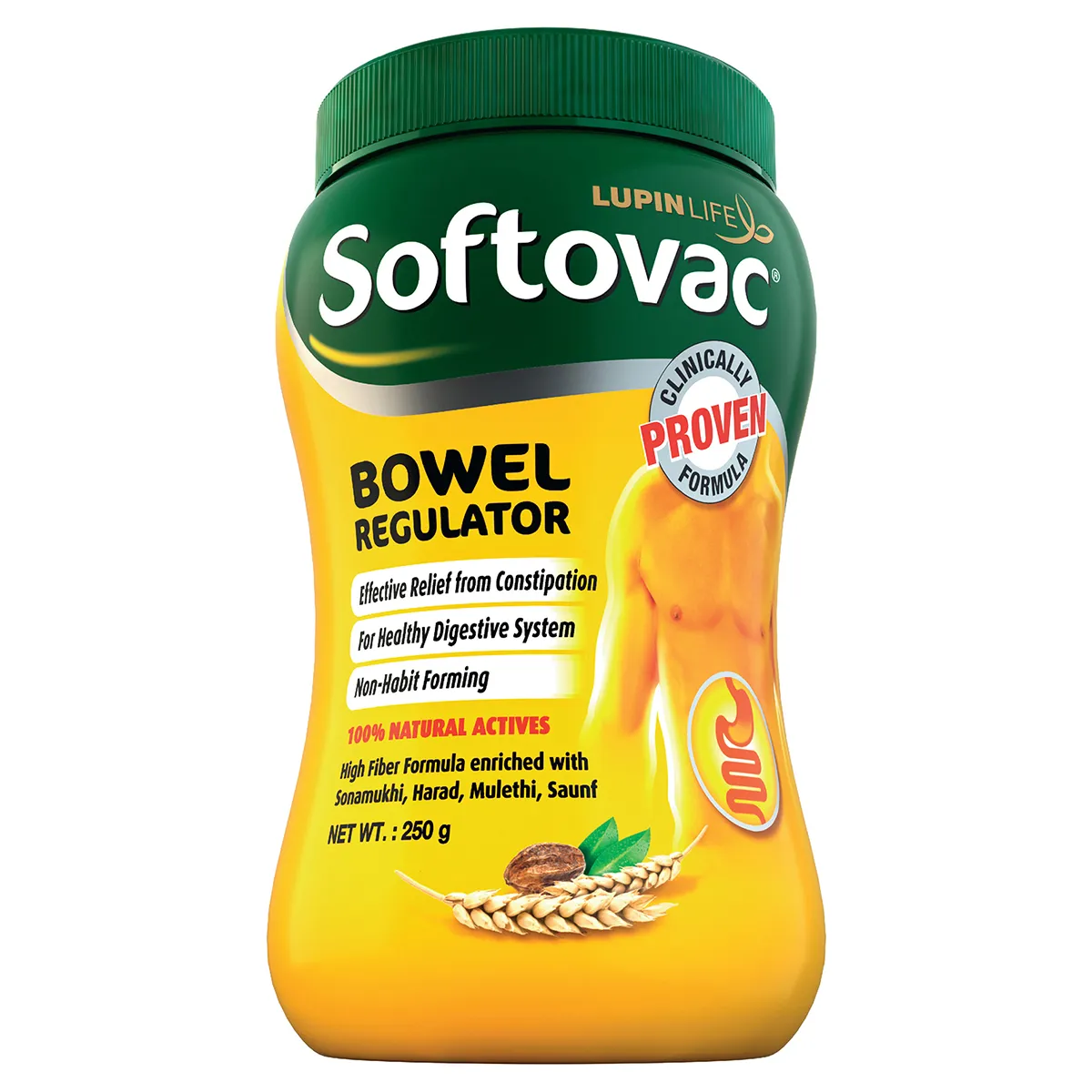
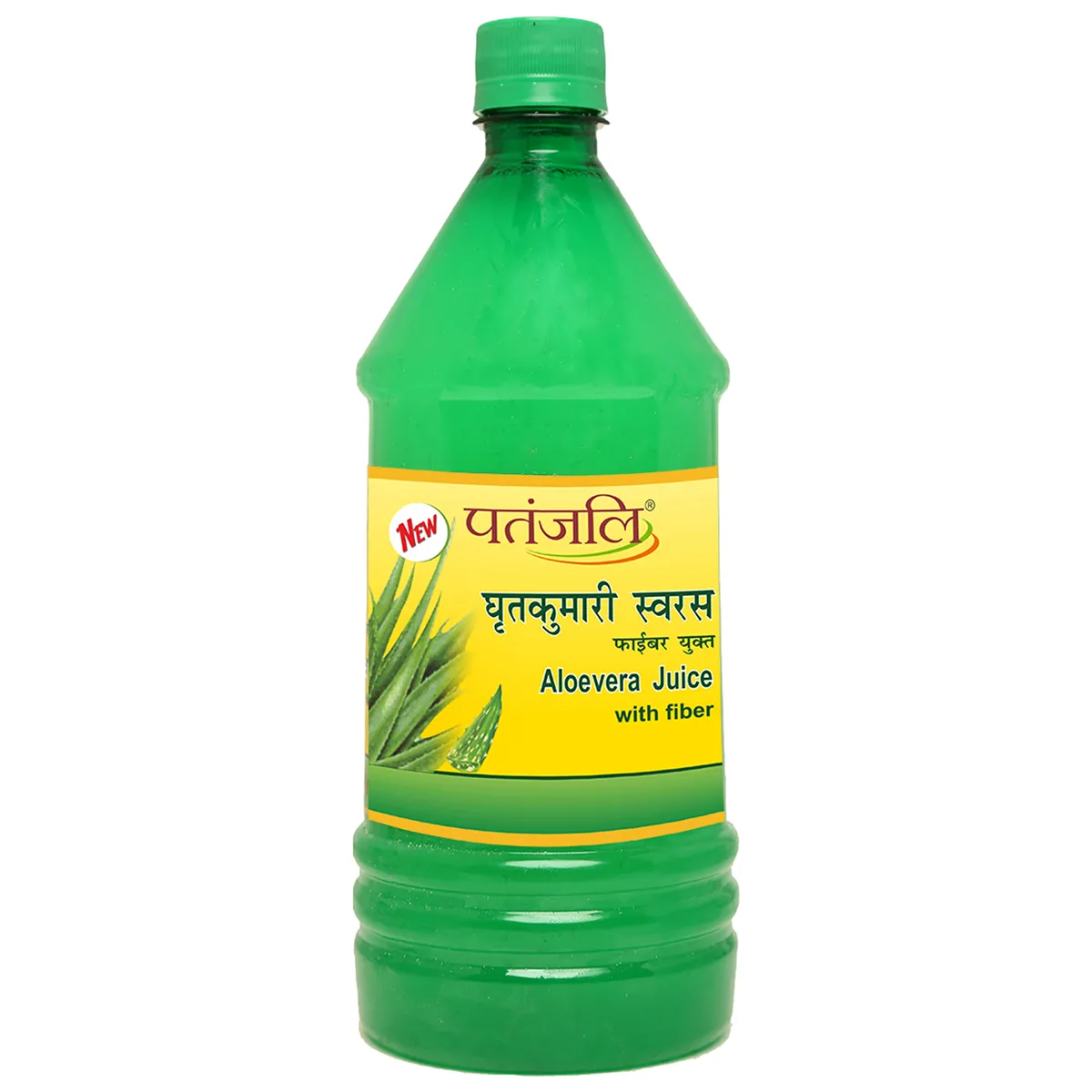
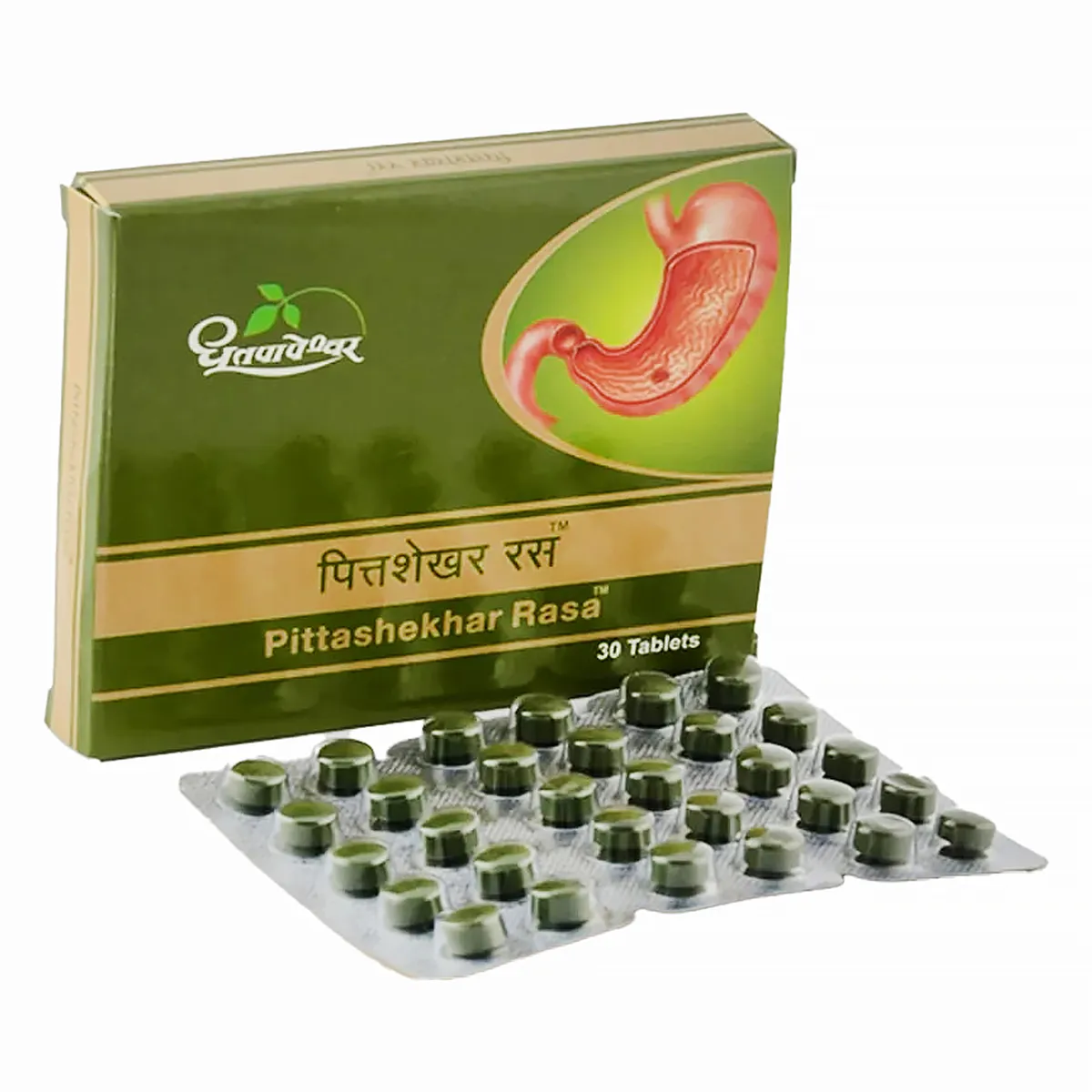
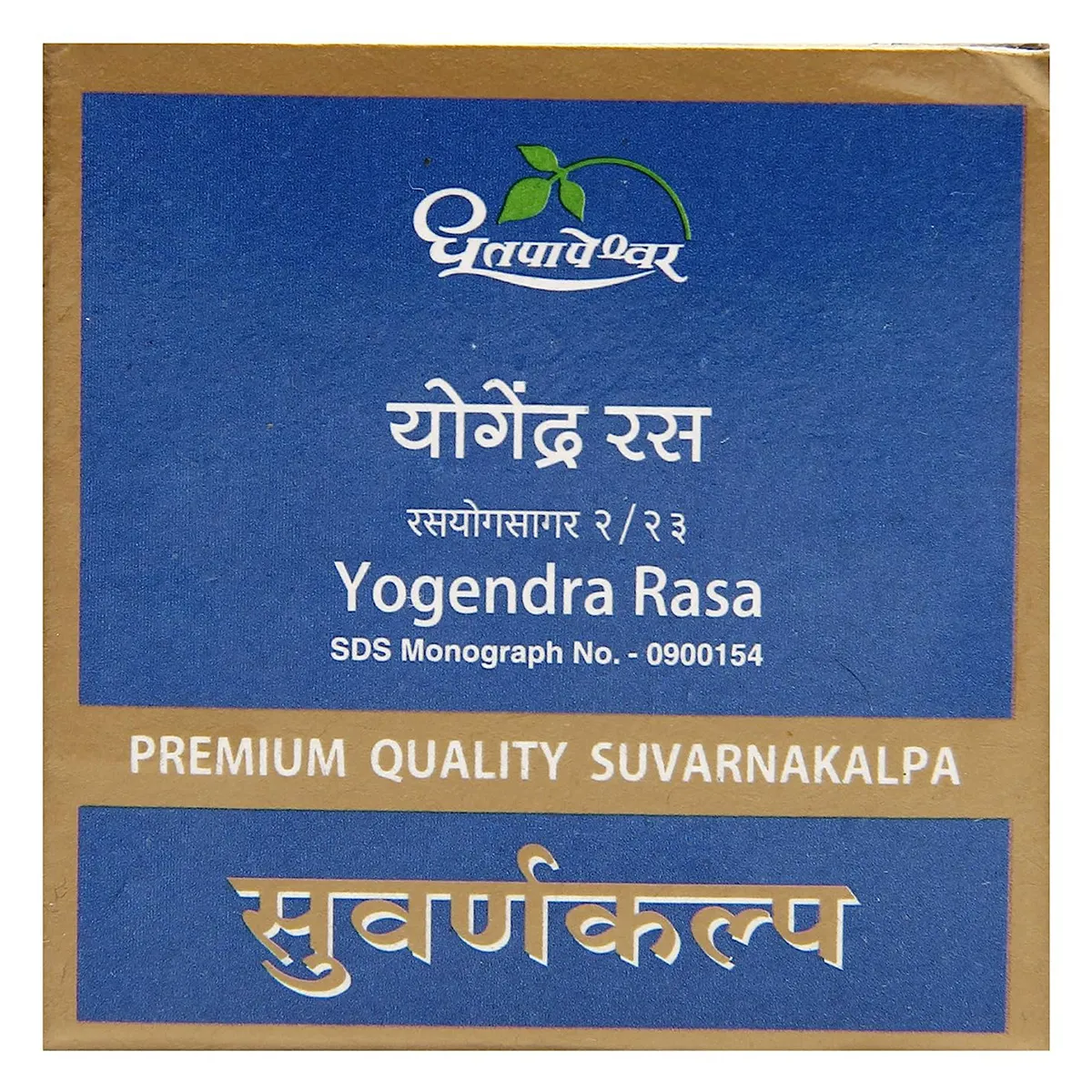
FAQs
Disclaimer
Author Details


Reference
- CiplaMed Clinical Compendium. Rabicip Iv Injection Product Specification Guide. Mumbai, India: Cipla; 2024. [Accessed on 02 Jun. 2026]Check here
- Rabeprazole Rabeprazole. 1999. [Accessed on 28 Mar. 2019]Check here
- Drugs and Lactation Database (LactMed) [Internet]. 2006. [Accessed on 20 Feb. 2020]Check here
- CiplaMed CiplaMed. [Accessed on 25 Jul. 2023]Check here
- Rabeprazole Rabeprazole. 2025. [Accessed on 07 Jul. 2025]Check here
- Rabeprazole 20mg Gastro-resistant s -Patient Information Leaflet (PIL) - (emc) [Internet]. Medicines.org.uk. 2025 [Accessed on 21 Nov 2025]Check here
- Rabeprazole 20mg Gastro-resistant s - Summary of Product Characteristics (SmPC) - (emc) [Internet]. Medicines.org.uk. 2025 [Accessed on 21 Nov 2025]Check here
Country of origin
Manufacturer/Marketer address
Therapeutic Class
Habit Forming

