apollo
logo
0
Select Delivery Location
OffersOffers & Discounts

Get Free delivery (₹99) with circle icon

Join Circle
Get Extra 12% Off with Coupons
Extra 10% Off with Bank Offers
bank offer
bank offer
bank offer

More about the Product

Manufacturer/Marketer :

Abbott India Ltd

Consume Type :

Oral

Expires on or after :

Jan-27

Return Policy :

Not Returnable

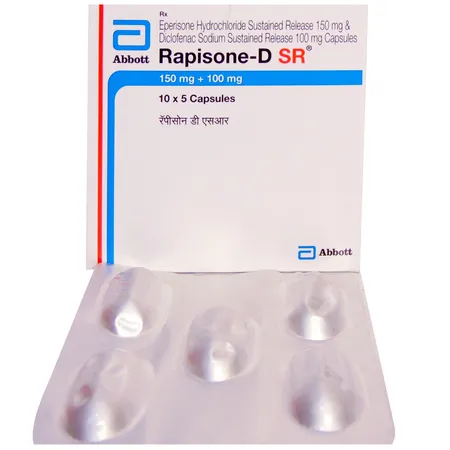
About Rapisone DSR Capsule

Rapisone DSR Capsule is a prescription medication used to treat painful muscle spasms and musculoskeletal conditions. It helps relieve pain, reduce swelling, and relax stiff muscles in conditions such as lower back pain, neck stiffness, and joint disorders. By targeting both muscle tightness and localised pain, it helps restore comfort and physical function.

To achieve the best results, it is important to take Rapisone DSR Capsule consistently at the same times each day as prescribed by your doctor. You should always take this medicine with food or immediately after a meal to protect your stomach from irritation. Incorporating light physical therapy and gentle stretching can also greatly support your overall recovery.

While taking Rapisone DSR Capsule, some people may experience mild side effects like drowsiness, dizziness, or a mild upset stomach. These symptoms often improve as your body adjusts to the medicine. However, you should consult your doctor immediately if you notice serious signs such as dark, sticky stools, severe abdominal pain, or yellowing of your skin or eyes.

Do not take this medicine if you have active stomach ulcers, severe heart failure, or severe liver or kidney disease. Talk to your doctor before starting Rapisone DSR Capsule if you have a history of high blood pressure, asthma, bleeding disorders, or if you are planning to undergo any surgery.

This medication can interact with other painkillers, blood thinners, and blood pressure medications. Avoid drinking alcohol while taking Rapisone DSR Capsule, as it increases the risk of stomach irritation and bleeding. Pregnant women, breastfeeding mothers, and elderly individuals must consult their doctor before using this medicine to ensure it is safe for their specific situation.

Uses of Rapisone DSR Capsule

Here are the common uses of Rapisone DSR Capsule:

  • Painful muscle spasms: Rapisone DSR Capsule helps relax tight, painful muscles, making daily movements easier and less painful.
  • Low back pain: It reduces intense pain and stiffness in the lower back, allowing you to return to normal physical activities.
  • Neck and shoulder stiffness: It targets muscle tension in the upper body, helping restore flexibility and neck movement.
  • Osteoarthritis and joint stiffness: It relieves joint inflammation and the painful muscle spasms that often develop around affected joints.

Key Benefits

Here are the key benefits of Rapisone DSR Capsule:

  • Provides Dual-Action Relief: Combines a muscle relaxant and an anti-inflammatory medicine to relieve both muscle spasms and pain.
  • Reduces Pain and Inflammation: Helps relieve pain, swelling, and stiffness associated with musculoskeletal conditions.
  • Improves Mobility: Relaxes tight muscles and restores flexibility, making movement easier and more comfortable.
  • Supports Faster Recovery: Helps break the cycle of pain and muscle spasm, allowing you to recover more quickly and resume daily activities.
  • Facilitates Physical Rehabilitation: Makes it easier to participate in physiotherapy and gentle exercises by reducing pain and muscle tightness.
  • Convenient Oral Treatment: Available as an oral tablet for easy and convenient administration as prescribed.
Side effects of Rapisone DSR Capsule
Overcome Medication-Induced Nausea: A 9-Step Plan
  • Inform your doctor about the nausea and discuss possible alternatives to the medication or adjustments to the dosage.
  • Divide your daily food intake into smaller, more frequent meals to reduce nausea.
  • Opt for bland, easily digestible foods like crackers, toast, plain rice, bananas, and applesauce.
  • Avoid certain foods that can trigger nausea, such as fatty, greasy, spicy, and smelly foods.
  • Drink plenty of fluids, such as water, clear broth, or electrolyte-rich beverages like coconut water or sports drinks.
  • Use ginger (tea, ale, or candies) to help relieve nausea.
  • Get adequate rest and also avoid strenuous activities that can worsen nausea.
  • Talk to your doctor about taking anti-nausea medication if your nausea is severe.
  • Record when your nausea occurs, what triggers it, and what provides relief to help you identify patterns and manage your symptoms more effectively.
Here are the steps to cope with constipation as a side effect of medication:
  • Inform your doctor about your constipation symptoms. They may adjust your medication or advise alternative treatments.
  • Stay hydrated by drinking sufficient of water (at least 8-10 glasses a day) to help soften stool and promote bowel movements.
  • Increase fibre intake by eating foods high in fibre, such as fruits, whole grains, vegetables and legumes, to help bulk up the stool.
  • Establish a bowel routine by trying to go to the bathroom at the same time each day to train your bowels.
  • Engaging in regular exercise, like walking or yoga, can support in bowel movement stimulation.
  • Consult your doctor if constipation persists, and discuss alternative treatments or adjustments to your medication.
Here are the few steps for dealing with itching caused by drug use:
  • Report the itching to your doctor immediately; they may need to change your medication or dosage.
  • Use a cool, damp cloth on the itchy area to help soothe and calm the skin, reducing itching and inflammation.
  • Keep your skin hydrated and healthy with gentle, fragrance-free moisturizers.
  • Try not to scratch, as this can worsen the itching and irritate your skin.
  • If your doctor prescribes, you can take oral medications or apply topical creams or ointments to help relieve itching.
  • Track your itching symptoms and follow your doctor's guidance to adjust your treatment plan if needed. If the itching persists, consult your doctor for further advice.
  • Include iron-rich foods like dark leafy vegetables, lean red meat, legumes and fish in your diet.
  • Consume vitamin C-rich foods as they aid iron absorption.
  • Limit tea, cocoa, and coffee as these can slow iron absorption.
  • Exercise regularly; however, do not overdo it.
Here are the steps to manage Gastrointestinal Air and Swelling (GAS) caused by medication:
  • Tell your doctor about your GAS symptoms. They may change your medication regimen or prescribe additional drugs to help you manage them.
  • To manage GAS symptoms, eat a balanced diet of fibre, vegetables, and fruits.
  • Drink enough water throughout the day to avoid constipation and treat GAS symptoms.
  • Regular exercise like yoga and walking may help stimulate digestion and alleviate GAS symptoms.
  • Take probiotics only if your doctor advises, as they may help alleviate GAS symptoms by promoting gut health.
  • Take medication for GAS symptoms only if your doctor advises, as certain medications can interact with your existing prescriptions or worsen symptoms.
  • If symptoms persist, worsen, or are accompanied by severe abdominal pain, vomiting, or bleeding, seek immediate medical attention.
Here are the step-by-step strategies to manage the side effects of "indigestion" caused by medication usage:
  • Take medications with food (if recommended): It can help prevent stomach distress and indigestion.
  • Eat smaller, more frequent meals: Divide daily food intake into smaller, more frequent meals to ease digestion.
  • Avoid trigger foods: Identify and avoid foods that trigger indigestion, such as spicy, fatty, or acidic foods.
  • Stay upright after eating: Sit or stand upright for at least 1-2 hours after eating to prevent stomach acid from flowing into the oesophagus.
  • Avoid carbonated drinks: Avoid drinking carbonated beverages, such as soda or beer, which can worsen indigestion.
  • Manage stress: To alleviate indigestion, engage in stress-reducing activities like deep breathing exercises or meditation.
  • Consult a doctor if needed: If indigestion worsens or persists, consult a healthcare professional to adjust the medication regimen or explore alternative treatments.
Here are the precise steps to cope with diarrhoea caused by medication usage:
  • Inform Your Doctor: Notify your doctor immediately about your diarrhoea symptoms. This allows them to adjust your medication or provide guidance on managing side effects.
  • Stay Hydrated: Drink plenty of fluids to replace lost water and electrolytes. Choose water, clear broth, and electrolyte-rich drinks. Avoid carbonated or caffeinated beverages to effectively rehydrate your body.
  • Follow a Bland Diet: Eat easy-to-digest foods to help firm up your stool and settle your stomach. Try incorporating bananas, rice, applesauce, toast, plain crackers, and boiled vegetables into your diet.
  • Avoid Trigger Foods: Steer clear of foods that can worsen diarrhoea, such as spicy, fatty, or greasy foods, high-fibre foods, and dairy products (especially if you're lactose intolerant).
  • Practice Good Hygiene: Maintain good hygiene to prevent the spread of infection. To stay healthy, wash your hands frequently, clean and disinfect surfaces regularly, and avoid exchanging personal belongings with others.
  • Take Anti-Diarrheal Medications: If your doctor advises, anti-diarrheal medications such as loperamide might help manage diarrhoea symptoms. Always follow your doctor's directions.
  • Keep track of your diarrhoea symptoms. If they don't get better or worse or are accompanied by severe stomach pain, blood, or dehydration signs (like extreme thirst or dark urine), seek medical help.

Directions for Use

  • Rapisone DSR Capsule can be taken with food or after a meal to minimize side effects such as stomach irritation.
  • Follow your doctor’s instructions on the dosage and timing of this medication.
  • Swallow Rapisone DSR Capsule as a whole with a glass of water.
  • Do not crush, open, or chew it.

How Rapisone DSR Capsule Works

Rapisone DSR Capsule is a combination medicine that works through two distinct actions to provide relief from pain and muscle stiffness. The first active component is eperisone, which is a muscle relaxant. It works by acting on the central nervous system to relax tight skeletal muscles. It also helps widen blood vessels, which improves blood flow to the stiff muscles, reducing pain and tenderness. The second active component is diclofenac, which belongs to a group of medicines called non-steroidal anti-inflammatory drugs (NSAIDs). It works by blocking the action of chemical messengers in the body, known as prostaglandins, which are responsible for causing pain, fever, and swelling. Together, these two components work hand-in-hand to relax muscles and stop pain at the source.
bannner image

Alcohol

Caution

Consumption of alcohol increases the risk of side-effects, such as liver damage and bleeding in the stomach.

bannner image

Pregnancy

Unsafe

Rapisone DSR Capsule is usually not recommended during pregnancy, especially if you are more than six months pregnant as it may cause harmful effects to the unborn baby.

bannner image

Breast Feeding

Unsafe

Rapisone DSR Capsule may pass into breastmilk and cause unwanted effects in the nursing baby. So, it is not prescribed in breastfeeding mothers. However, if prescribed, the doctor may advise you to stop breastfeeding while using this medicine.

bannner image

Driving

Caution

Rapisone DSR Capsule may cause dizziness or drowsiness, so do not drive or operate heavy machinery if you are not fully alert.

bannner image

Liver

Caution

Rapisone DSR Capsule causes liver damage, so it should be used with caution in patients with liver diseases. The dose may have to be adjusted by your doctor.

bannner image

Kidney

Caution

Rapisone DSR Capsule should be used with caution in patients with kidney diseases. The dose may have to be adjusted by your doctor.

bannner image

Children

Unsafe

Rapisone DSR Capsule is not recommended for children below 12 years of age.

bannner image

Heart

Unsafe

Rapisone DSR Capsule is contraindicated in cardiac patients due to its adverse effects. However, if prescribed extreme caution should be exercised.

bannner image

Geriatrics

Caution

Rapisone DSR Capsule can be given in elderly patients with extreme caution, due to the cause of adverse effects.

What if I have taken an overdose of Rapisone DSR Capsule

If you suspect an overdose, seek immediate medical attention or contact a local poison control center. Symptoms of an overdose may include severe stomach pain, vomiting, extreme drowsiness, shallow breathing, or loss of consciousness.

Diet & Lifestyle Advise

  • Stay hydrated: Drink plenty of water throughout the day to help your muscles function properly and prevent cramping.
  • Use heat or cold therapy: Apply a warm compress to relax tight muscles, or an ice pack to reduce localised swelling and inflammation.
  • Gentle stretching: Practice low-impact stretches or gentle movements to keep your joints flexible and prevent stiffness, but avoid sudden, heavy lifting.
  • Eat a stomach-friendly diet: Since this medication can irritate the stomach, eat smaller, more frequent meals and avoid highly spicy or acidic foods.
  • Maintain good posture: Use ergonomic chairs and practice proper posture when sitting or standing to reduce strain on your back and neck.
health query

Have a query?

How Soon It Starts Working

The time required for Rapisone DSR Capsule to start to work: Rapisone DSR Capsule ideally shows its action within 30 to 60 minutes of administration. The time for which the effects of Rapisone DSR Capsule last: Rapisone DSR Capsule effect lasts for 6 to 8 hours.

What if you forget to take Rapisone DSR Capsule

If you miss a dose, take it as soon as you remember. However, if it is almost time for your next scheduled dose, skip the missed dose and continue with your regular schedule. Do not take a double dose to make up for a missed one.

Storage

• Store Rapisone DSR Capsule tablets in a cool, dry place at room temperature, ideally below 30°C (86°F). • Keep the medication in its original packaging to protect it from direct sunlight and moisture.

Drug Warnings

  • Avoid Driving Until You Know Its Effects: Do not drive, operate heavy machinery, or perform tasks that require sharp focus until you know how this medicine affects you, as it can cause drowsiness or dizziness.
  • Avoid Alcohol: Avoid drinking alcohol while taking this medicine, as it can significantly increase your risk of stomach ulcers and bleeding.
  • Inform Your Healthcare Providers: If you are scheduled for any surgery, medical procedure, or dental work, tell your surgeon or dentist in advance that you are taking Rapisone DSR Capsule.
  • Watch for Signs of Stomach Bleeding: Always check your stool color; if you notice dark, sticky, or bloody stools, stop the medicine immediately and call your doctor.
  • Avoid Taking Other NSAIDs Without Medical Advice: Avoid taking other pain relievers, cold medicines, or NSAIDs at the same time without consulting your doctor or pharmacist first.

Drug-Drug Interactions

verifiedApollotooltip

The following medicines may interact with Rapisone DSR Capsule. Inform your doctor about all the medicines you are taking, including prescription medicines, over-the-counter products, and herbal supplements.

  • Other NSAIDs and pain relievers: Taking this medicine with other painkillers (like aspirin or ibuprofen) can increase the risk of stomach ulcers and bleeding.
  • Blood thinners (like warfarin): Combining these can significantly raise the risk of internal bleeding.
  • Blood pressure medications: Rapisone DSR Capsule may lower the effectiveness of drugs used to treat high blood pressure.
  • Methotrexate or Lithium: Taking these together can cause these medications to build up to dangerous levels in your body.
No Drug - Drug interactions found in our data. We may lack specific data on this medicine and are actively working to update our database. Consult your doctor for personalized advice

Drug-Drug Interactions

Login/Sign Up

Drug-Food Interactions

verifiedApollotooltip

Certain foods and drinks may affect how Rapisone DSR Capsule works or increase the risk of side effects.

  • Alcohol: Consuming alcohol while taking this medicine increases the risk of serious stomach irritation, ulcers, and liver damage.
No Drug - Food interactions found in our database. Some may be unknown. Consult your doctor for what to avoid during medication.

Drug-Food Interactions

Login/Sign Up

Habit Forming

No

Therapeutic Class

[ANALGESICS]

FAQs

Rapisone DSR Capsule is used to treat musculoskeletal spasms associated with low back pain.
Rapisone DSR Capsule contains Eperisone and Diclofenac. Eperisone is an antispasmodic. It reduces muscle stiffness by relaxing the muscles and reducing pain by improving blood circulation and suppressing pain reflexes. Diclofenac is a nonsteroidal anti-inflammatory drug (NSAID). It works by reducing prostaglandins' production (chemical substances that cause pain and inflammation) at the affected site and reduce pain and swelling. Together, Rapisone DSR Capsule can effectively treat pain due to muscle spasms.
The common side-effects of Rapisone DSR Capsule are nausea, vomiting, stomach pain, heartburn, diarrhoea, indigestion, flatulence (gas), loss of appetite, headache, weakness, drowsiness, dizziness, and skin rash or spots. These side-effects are usually mild and temporary. However, if any of these side-effects persist or get worse, inform your doctor immediately.
Let your doctor know that you are taking Rapisone DSR Capsule before undergoing surgery of the stomach or intestine as Rapisone DSR Capsule can delay wound healing in some cases.
Rapisone DSR Capsule is probably safe and well-tolerated in diabetic patients when taken at recommended doses. However, higher doses or prolonged use may affect sugar levels and cause unwanted effects. So, let your doctor know that you have diabetes before taking Rapisone DSR Capsule.
No, you should not take Rapisone DSR Capsule on an empty stomach. Always take it with or immediately after a meal to help prevent stomach irritation and nausea. Talk to your doctor if you experience persistent stomach discomfort.
Yes, Rapisone DSR Capsule contains a muscle relaxant that can cause drowsiness, sleepiness, or lightheadedness in some people. Avoid driving or operating heavy machinery until you know how this medicine affects you. Talk to your doctor if this sleepiness interferes with your daily activities.
You should avoid drinking alcohol while taking Rapisone DSR Capsule. Alcohol can increase the risk of stomach irritation, stomach ulcers, bleeding, and liver damage when combined with this medication. Talk to your doctor or pharmacist if you have concerns.
No, Rapisone DSR Capsule is generally not recommended during pregnancy, especially during the third trimester, as it can harm the unborn baby or cause complications during delivery. If you are pregnant or planning to become pregnant, talk to your doctor before taking this medicine.
You should avoid taking other non-steroidal anti-inflammatory drugs (NSAIDs) like ibuprofen or aspirin with Rapisone DSR Capsule, as this can increase the risk of severe stomach bleeding and ulcers. Paracetamol may sometimes be used, but you should always talk to your doctor or pharmacist before combining any pain medications.
Mild stomach upset can sometimes be managed by taking the tablet with food. However, if you experience severe, sharp, or persistent stomach pain, or if you notice black, tarry stools, stop taking the medication immediately and seek medical help. Talk to your doctor about alternative options.
Elderly patients may be more sensitive to the side effects of Rapisone DSR Capsule, particularly stomach bleeding, kidney strain, and drowsiness. Doctors often prescribe a lower starting dose or monitor elderly patients more closely. Talk to your doctor to determine if this is the safest option for you.

Disclaimer

While we strive to provide complete, accurate, and expert-reviewed content on our 'Platform', we make no warranties or representations and disclaim all responsibility and liability for the completeness, accuracy, or reliability of the aforementioned content. The content on our platform is for informative purposes only, and may not cover all clinical/non-clinical aspects. Reliance on any information and subsequent action or inaction is solely at the user's risk, and we do not assume any responsibility for the same. The content on the Platform should not be considered or used as a substitute for professional and qualified medical advice. Please consult your doctor for any query pertaining to medicines, tests and/or diseases, as we support, and do not replace the doctor-patient relationship.

Country of origin

India

Manufacturer/Marketer address

401, LSC, C-Block, Mohan Place Saraswati Vihar Delhi Dl 110034 INDIA
Other Info - RAP0096
whatsapp Floating Button
Buy Now
Add to Cart