
Rosulife-CV 10 Capsule 10's


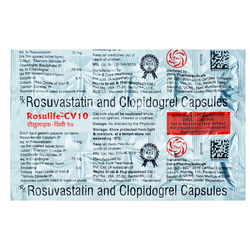

₹150
 ₹23.0Cashback (15%)
(Inclusive of all Taxes)
₹105 with coupons & bank offers*
 Offers & Discounts
Get Free delivery (₹99) with


Delivery Information
More about the Product
Composition :
Manufacturer/Marketer :
Consume Type :
Expires on or after :
Return Policy :


About Rosulife-CV 10 Capsule
Rosulife-CV 10 Capsule is a prescription medication used to lower the risk of heart attacks, strokes, and blood clots in individuals with existing heart disease. It combines two active medicines that work together to keep your blood vessels clear and prevent dangerous blockages. This medicine is typically prescribed after a recent heart event or procedure, such as getting a stent.
You should take Rosulife-CV 10 Capsule exactly once a day, at the same time every day, to ensure it works effectively in your body. It can be taken with or without food, though taking it with food may help prevent an upset stomach. Combining this medication with a heart-healthy diet, regular physical activity, and avoiding smoking will significantly improve your long-term results.
While taking Rosulife-CV 10 Capsule , you might experience mild side effects such as an upset stomach, mild muscle aches, or bruising more easily than usual. However, you must contact your doctor immediately if you experience severe muscle pain, dark-coloured urine, unusual or uncontrollable bleeding, or signs of liver damage such as yellowing of your skin or eyes.
Do not take this if you have active liver disease or active bleeding such as a stomach ulcer. Patients with significant kidney impairment may require special monitoring and dose adjustments, and should use this medicine only under medical supervision. Before starting Rosulife-CV 10 Capsule , tell your doctor if you have a history of liver or kidney disease, thyroid problems, or if you regularly drink alcohol.
This medicine can interact with certain pain relievers, other blood thinners, and some foods or beverages. Be sure to tell your doctor about all medicines, supplements, and dietary habits so potential interactions can be reviewed. If you are pregnant, planning to become pregnant, breastfeeding, or are over the age of 70, you must consult your doctor before using Rosulife-CV 10 Capsule , as it may not be safe for you.
Uses of Rosulife-CV 10 Capsule
Rosulife-CV 10 Capsule is prescribed to reduce the risk of serious cardiovascular events by lowering cholesterol levels and preventing harmful blood clot formation. Its uses include:
- Prevention of heart attacks: It prevents blood clots from forming in your arteries and lowers cholesterol to keep blood flowing smoothly to your heart.
- Prevention of stroke: By stopping blood cells from sticking together and reducing plaque buildup, it reduces the risk of a clot blocking blood flow to your brain.
- Management of acute coronary syndrome: It helps protect patients who have recently experienced chest pain or a heart attack from having another cardiovascular event.
- Protection after stent placement: It keeps newly placed coronary stents open and clear of blood clots.
Key Benefits
When taken as prescribed, Rosulife-CV 10 Capsule offers several important benefits for cardiovascular health and long-term protection, including:
- Dual-action cardiovascular protection: Rosulife-CV 10 Capsule combines cholesterol-lowering and antiplatelet effects in a single tablet, helping protect against heart attacks and strokes.
- Improved treatment convenience: By combining two medicines into one pill, it reduces the number of medications you need to take each day, making it easier to follow your treatment plan.
- Reduced risk of recurrent cardiovascular events: It significantly lowers the risk of experiencing another heart attack, stroke, or other serious cardiovascular complication.
- Support for healthy blood circulation: By helping keep blood vessels open and reducing plaque buildup, it promotes smoother blood flow throughout the body.
- Long-term heart and vascular health: Regular use helps protect blood vessels from further damage, supporting overall cardiovascular function and physical well-being.
- Report to Your Doctor: Inform your doctor about the muscle pain, as they may need to adjust your medication.
- Stretch Regularly: Gentle stretching can help relieve muscle pain and stiffness.
- Stay Hydrated: Adequate water intake supports muscle health by removing harmful substances and maintaining proper muscle function.
- Warm or Cold Compresses: Apply cold or warm compresses to the affected area to reduce pain and inflammation.
- Rest and Relaxation: Adequate rest helps alleviate muscle strain, while relaxation techniques like deep breathing and meditation can soothe muscle tightness, calm the mind, and promote relief from discomfort.
- Gentle Exercise: Participate in low-impact activities, such as yoga or short walks, to improve flexibility, reduce muscle tension, and alleviate discomfort.
- Consult a physician: If your symptoms don't improve or get worse, go to the doctor for help and guidance.
- Please inform your doctor about joint pain symptoms, as they may adjust your medication regimen or prescribe additional medications to manage symptoms.
- Your doctor may prescribe common pain relievers if necessary to treat joint discomfort.
- Maintaining a healthy lifestyle is key to relieving joint discomfort. Regular exercise, such as low-impact sports like walking, cycling, or swimming, should be combined with a well-balanced diet. Aim for 7-8 hours of sleep per night to assist your body in repairing and rebuilding tissue.
- Applying heat or cold packs to the affected joint can help reduce pain and inflammation.
- Please track when joint pain occurs and any factors that may trigger it, and share this information with your doctor to help manage symptoms.
- If your joint pain is severe or prolonged, consult a doctor to rule out any underlying disorders that may require treatment.
- Drink water or other clear fluids.
- To prevent worsening of pain, limit intake of tea, coffee, or alcohol.
- Include bland foods like rice, toast, crackers, and rice in your diet.
- Avoid lying down immediately after eating as it may cause indigestion or heartburn.
- Avoid acidic and spicy food as it may cause indigestion.
- Inform your doctor about the nausea and discuss possible alternatives to the medication or adjustments to the dosage.
- Divide your daily food intake into smaller, more frequent meals to reduce nausea.
- Opt for bland, easily digestible foods like crackers, toast, plain rice, bananas, and applesauce.
- Avoid certain foods that can trigger nausea, such as fatty, greasy, spicy, and smelly foods.
- Drink plenty of fluids, such as water, clear broth, or electrolyte-rich beverages like coconut water or sports drinks.
- Use ginger (tea, ale, or candies) to help relieve nausea.
- Get adequate rest and also avoid strenuous activities that can worsen nausea.
- Talk to your doctor about taking anti-nausea medication if your nausea is severe.
- Record when your nausea occurs, what triggers it, and what provides relief to help you identify patterns and manage your symptoms more effectively.
- Inform your doctor about your constipation symptoms. They may adjust your medication or advise alternative treatments.
- Stay hydrated by drinking sufficient of water (at least 8-10 glasses a day) to help soften stool and promote bowel movements.
- Increase fibre intake by eating foods high in fibre, such as fruits, whole grains, vegetables and legumes, to help bulk up the stool.
- Establish a bowel routine by trying to go to the bathroom at the same time each day to train your bowels.
- Engaging in regular exercise, like walking or yoga, can support in bowel movement stimulation.
- Consult your doctor if constipation persists, and discuss alternative treatments or adjustments to your medication.
- Hydrate your body: Drink enough water to prevent dehydration and headaches.
- Calm Your Mind: Deep breathing and meditation can help you relax and relieve stress.
- Rest and Recharge: Sleep for 7-8 hours to reduce headache triggers.
- Take rest: lie down in a quiet, dark environment.
- Cold or warm compresses can help reduce tension.
- Stay Upright: Maintain good posture to keep symptoms from getting worse.
- To treat headaches naturally, try acupuncture or massage therapy.
- Over-the-counter pain relievers include acetaminophen and ibuprofen.
- Prescription Assistance: Speak with your doctor about more substantial drug alternatives.
- Severe Headaches: Seek emergency medical assistance for sudden, severe headaches.
- Frequent Headaches: If you get reoccurring headaches, consult your doctor.
- Headaches with Symptoms: Seek medical attention if your headaches include fever, disorientation, or weakness.
- Inform your doctor about dizziness symptoms. They may adjust your medication regimen or prescribe additional medications to manage symptoms.
- Follow your doctor's instructions for taking medication, and take it at the same time every day to minimize dizziness.
- When standing up, do so slowly and carefully to avoid sudden dizziness.
- Avoid making sudden movements, such as turning or bending quickly, which can exacerbate dizziness.
- Drink plenty of water throughout the day to stay hydrated and help alleviate dizziness symptoms.
- If you're feeling dizzy, sit or lie down and rest until the dizziness passes.
- Track when dizziness occurs and any factors that may trigger it, and share this information with your doctor to help manage symptoms.
Directions for Use
To get the maximum benefit from Rosulife-CV 10 Capsule and reduce the risk of cardiovascular complications, it is important to take the medication exactly as prescribed by your doctor.
- Swallow the tablet whole: Take the tablet with a full glass of water. Do not crush, chew, or break it unless your doctor or pharmacist advises otherwise, as this may affect how the medicine works.
- Take it at the same time each day: Maintaining a consistent dosing schedule helps keep a steady level of the medication in your body and improves its effectiveness.
- Can be taken with or without food: You may take Rosulife-CV 10 Capsule either on an empty stomach or with meals, according to your preference or your doctor's advice.
- Follow your doctor's instructions carefully: Always take the medication exactly as prescribed and attend any recommended follow-up appointments.
- Do not stop treatment suddenly: Even if you feel well, do not discontinue Rosulife-CV 10 Capsule without consulting your doctor, as stopping it abruptly may increase your risk of heart attack, stroke, or blood clot formation.
- If you miss a dose: Take it as soon as you remember. However, if it is nearly time for your next scheduled dose, skip the missed dose and continue with your regular dosing schedule. Do not take a double dose to make up for a missed one.
How Rosulife-CV 10 Capsule Works

Alcohol
Unsafe
Rosulife-CV 10 Capsule should not be taken with alcohol as it may worsen your liver condition with increased secretion of liver enzymes like transaminase. Keep your doctor informed if you drink alcohol.

Pregnancy
Unsafe
Rosulife-CV 10 Capsule contains Rosuvastatin, which is a pregnancy category X medicine. It may cause harm to both the pregnant mother and the fetus. Hence, it is not recommended for pregnant women and those who are planning for a pregnancy. Your doctor may prescribe it only in extreme cases.

Breast Feeding
Caution
Take Rosulife-CV 10 Capsule only when prescribed, it is known to pass on in a limited quantity via breast milk to the child.

Driving
Caution
Drive with caution, Rosulife-CV 10 Capsule usually causes blurry vision and may affect driving ability.

Liver
Caution
Rosulife-CV 10 Capsule to be taken with caution, especially if you have a history of liver diseases/conditions. The dose may have to be adjusted by your doctor.

Kidney
Caution
Rosulife-CV 10 Capsule to be taken with caution, especially if you have a history of kidney diseases/conditions. The dose may have to be adjusted by your doctor.

Children
Caution
Rosulife-CV 10 Capsule is not recommended for children below the age of 10 years. The safety and effectiveness of Rosulife-CV 10 Capsule have not been established in children due to limited testing of Rosulife-CV 10 Capsule on children by competent authorities worldwide.

Heart
Safe if prescribed
Rosulife-CV 10 Capsule can be used in heart patients if prescribed by the physician to reduce the risk of heart attack and stroke. Please consult your physician if you have any concerns.

Geriatrics
Consult your doctor
Rosulife-CV 10 Capsule should be used in elderly people only if prescribed by the physician.
What if I have taken an overdose of Rosulife-CV 10 Capsule
Diet & Lifestyle Advise
- Follow a heart-healthy diet: Focus on eating foods low in saturated fats, trans fats, and cholesterol. Increase your intake of soluble fibre, fresh vegetables, fruits, and whole grains.
- Grapefruit and grapefruit juice: Grapefruit interactions are much more significant with certain statins that are metabolised through the CYP3A4 enzyme system. Rosuvastatin is minimally affected by grapefruit in most patients. Routine avoidance is generally not required, but you should consult your doctor or pharmacist if you regularly consume grapefruit or take multiple medications.
- Incorporate regular, gentle exercise: Aim for at least 150 minutes of moderate-intensity exercise, like brisk walking, each week, as cleared by your doctor.
- Limit alcohol consumption: Drinking alcohol can increase your risk of liver damage and stomach bleeding while taking this medicine.
- Avoid smoking: Smoking damages blood vessels and increases the risk of blood clots, working against the benefits of this medicine.
- Keep scheduled blood tests: Regular lipid profile testing and other laboratory monitoring help your healthcare provider assess how well the medication is working.

Have a query?
How Soon It Starts Working
The time required for Rosulife-CV 10 Capsule to start to work: Rosulife-CV 10 Capsule ideally shows its action within 1 hour after administration. The time for which the effects of Rosulife-CV 10 Capsule last: The effect of Rosulife-CV 10 Capsule lasts for 24 hours.
What if you forget to take Rosulife-CV 10 Capsule
Storage
Drug Warnings
- Inform all healthcare providers: Tell any doctor, dentist, or surgeon that you are taking Rosulife-CV 10 Capsule before scheduling any medical or dental procedures, as you may need to stop taking it temporarily to prevent excess bleeding.
- Watch for signs of bleeding: Be cautious when using sharp objects, shaving, or brushing your teeth. Use a soft-bristled toothbrush and an electric razor to minimize the risk of cuts.
- Monitor for muscle pain: Pay close attention to any unexplained muscle aches or weakness, and report them to your doctor immediately, especially if accompanied by a fever or dark-coloured urine.
- Avoid self-medicating for pain: Do not take nonsteroidal anti-inflammatory drugs (NSAIDs) like ibuprofen or naproxen without asking your doctor first, as they can significantly increase your risk of stomach bleeding.
- Do not stop taking suddenly: Stopping this medication abruptly can greatly increase your risk of a heart attack or stroke. Always consult your doctor before making any changes.
- Individual response may vary: Some people process clopidogrel differently due to genetic factors. In certain situations, your doctor may recommend additional testing or alternative treatment options to ensure adequate protection against blood clots.
- Attend regular follow-up appointments: Your doctor may periodically monitor your cholesterol levels, liver function, kidney function, and overall cardiovascular health to ensure the medication remains safe and effective.
- Do not allow your medication supply to run out: Because sudden interruption of treatment may increase the risk of heart attack, stroke, or blood clot formation, refill your prescription before your current supply is exhausted.
Drug-Drug Interactions


Drug-Drug Interaction Summary:
Before taking Rosulife-CV 10 Capsule , inform your doctor about all medications, supplements, and herbal products you use, as several medicines can increase the risk of side effects or alter how this combination works.
- Blood thinners (like warfarin): Combining Rosulife-CV 10 Capsule with anticoagulants can significantly increase the risk of bleeding and bruising.
- Nonsteroidal anti-inflammatory drugs (NSAIDs) such as ibuprofen: Taking these medicines together may increase the risk of stomach irritation, ulcers, and gastrointestinal bleeding.
- Certain antidepressants (such as SSRIs): These medications can further increase the risk of bleeding when used alongside clopidogrel.
- HIV, hepatitis C, or antifungal medications: Some of these medicines can increase rosuvastatin levels in the body, raising the risk of muscle damage and other side effects.
- Certain stomach acid medicines (such as omeprazole): Some medicines can reduce the activation of clopidogrel in the body, potentially making it less effective. Always check with your doctor before starting new medications.
Drug-Drug Interactions
Login/Sign Up
Co-administration of Clopidogrel together with Mifepristone increases the risk of vaginal bleeding in women.
How to manage the interaction:
Although taking Clopidogrel with Mifepristone is not recommended, that would certainly result in interaction, it can be taken if a doctor prescribes it. If you experience prolonged and heavy bleeding, consult a doctor immediately. Do not discontinue any medication without consulting a doctor.
When Selexipag and Clopidogrel are taken together, the body's ability to break down Selexipag may be reduced.
How to manage the interaction:
Taking Clopidogrel with Selexipag is not recommended, please consult a doctor before taking it. They can be taken if prescribed by a doctor. Do not discontinue the medications without consulting a doctor.
Co-administration of Ciclosporin with Rosulife-CV 10 Capsule can increase blood levels of Rosuvastatin. This can increase the risk of developing side effects.
How to manage the interaction:
Co-administration of Ciclosporine and Rosulife-CV 10 Capsule can lead to an interaction, it can be taken if advised by a doctor. However, if you experience any symptoms like muscle pain, tenderness, weakness, dark-colored urine, or light-colored stools, consult the doctor immediately. Do not stop using any medications without a doctor's advice.
Co-administration of Dalteparin together with Rosulife-CV 10 Capsule may increase the risk of bleeding.
How to manage the interaction:
There may be a possible interaction between Rosulife-CV 10 Capsule and Dalteparin, but they can be taken together if prescribed by a doctor. However, If you experience dizziness or lightheaded, red or black, sticky stools, coughing up or vomiting blood that looks like coffee grounds, or having a severe headache consult a doctor without any delay. Do not discontinue any medication without consulting a doctor.
Taking Enoxaparin with Rosulife-CV 10 Capsule can increase the risk of bleeding.
How to manage the interaction:
There may be a possibility of interaction between Rosulife-CV 10 Capsule and Enoxaparin, but they can be taken together if prescribed by a doctor. However, If you experience dizziness or lightheaded, red or black, sticky stools, coughing up or vomiting blood that looks like coffee grounds, or having a severe headache consult a doctor immediately. Do not discontinue any medication without consulting a doctor.
Taking Deferasirox together with Rosulife-CV 10 Capsule may increase the risk of ulcers and bleeding.
How to manage the interaction:
Although taking Rosulife-CV 10 Capsule together with Deferasirox has a possibility of interaction, it can be taken if prescribed by a doctor. However, if you experience signs and symptoms of gastrointestinal ulcers or bleeding like abdominal pain, bloating, dizziness, lightheadedness, loss of appetite, nausea, vomiting (especially with fresh or dried blood that looks like coffee grounds), or red or black, tarry stools, it's important to consult a doctor immediately. Do not discontinue any medication without consulting a doctor.
Taking Tipranavir with Clopidogrel can make the blood-thinning effects of Clopidogrel stronger.
How to manage the interaction:
Although there is a possible interaction between Clopidogrel and Tipranavir, you can take these medicines together if prescribed by a doctor. If you notice any bleeding, severe headaches, weakness, or black stools, call a doctor right away. Do not stop using any medications without talking to your doctor.
Co-administration of Rosulife-CV 10 Capsule and Atazanavir can increase the blood levels of Rosuvastatin and can increase the risk of liver damage and rhabdomyolysis ( breakdown of skeletal muscle tissue).
How to manage the interaction:
Co-administration of Rosulife-CV 10 Capsule and Atazanavir can lead to an interaction, it can be taken if advised by a doctor. However, if you experience any symptoms like muscle pain, tenderness, weakness, dark-colored urine, fever, chills, joint pain or swelling, unusual bleeding or bruising, skin rash, itching, loss of appetite, fatigue, nausea, vomiting, and yellowing of the skin or eyes, consult the doctor immediately. Do not stop using any medications without a doctor's advice.
Coadministration of Acalabrutinib with Clopidogrel and Rosuvastatin may increase the risk of bleeding.
How to manage the interaction:
Taking Aprepitant with Clopidogrel and Rosuvastatin can possibly result in an interaction, it can be taken if your doctor has advised it. Consult your doctor immediately if you experience any unusual bleeding, lightheaded, vomiting blood, or severe headaches. Do not discontinue any medication without consulting your doctor.
Co-administration of Rosuvastatin and Amprenavir can increase the blood levels of Rosuvastatin and can increase the risk of liver damage and rhabdomyolysis ( breakdown of skeletal muscle tissue).
How to manage the interaction:
Co-administration of Rosuvastatin and Amprenavir can lead to an interaction, it can be taken if advised by a doctor. However, if you experience any symptoms like muscle pain, tenderness, weakness, dark-colored urine, fever, chills, joint pain or swelling, unusual bleeding or bruising, skin rash, itching, loss of appetite, fatigue, nausea, vomiting, and yellowing of the skin or eyes, consult the doctor immediately. Do not stop using any medications without a doctor's advice.
Drug-Food Interactions
Drug-Food Interaction Summary:
Certain foods and beverages may affect the safety or effectiveness of Rosulife-CV 10 Capsule . Keep the following precautions in mind:
- Grapefruit and grapefruit juice: Grapefruit interactions are much more significant with certain statins that are metabolised through the CYP3A4 enzyme system. Rosuvastatin is minimally affected by grapefruit in most patients. Routine avoidance is generally not required, but patients should consult their doctor or pharmacist if they regularly consume grapefruit or take multiple medications.
- Excessive alcohol consumption: Drinking large amounts of alcohol may increase the risk of liver problems and should be avoided or limited while taking this medication.
Drug-Food Interactions
Login/Sign Up

All Substitutes & Brand Comparisons





FAQs
Disclaimer
Author Details


Reference
- National Health Service (NHS). Clopidogrel - NHS Medicines Reference Guide. London, UK: NHS; 2025. [Accessed on 02 Jun. 2026]Check here
- Drugs.com Clinical Review Team. Leaflet Clinical Drug Monograph. Auckland, NZ: Drugs.com; 2026. [Accessed on 02 Jun. 2026]Check here
- Rosuvastatin calcium [Prescribing Information]. 2003. [Accessed on 11 Apr. 2019]Check here
- Clopidogrel bisulfate [Prescribing Information]. 2006. [Accessed on 12 Apr. 2019]Check here
Country of origin
Manufacturer/Marketer address
Therapeutic Class
Habit Forming


Recommended for a 30-day course: 3 Strips