apollo
logo
0
Select Delivery Location

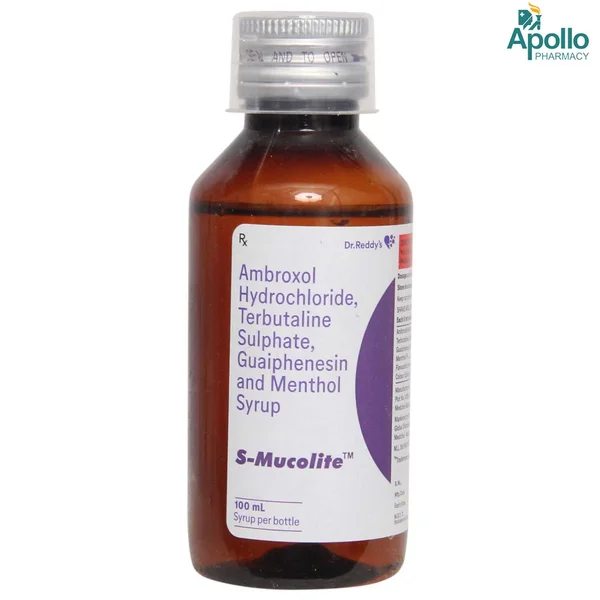
S-Mucolite Syrup is a combination medicine that belongs to the class of expectorants. It is used in the treatment of wet or productive cough in children associated with bronchial asthma, bronchiectasis, chronic obstructive pulmonary diseases (COPD), bronchitis, and emphysema. This drug increases airway fluid volume, reduces mucus stickiness, and clears it from the airways. Common side effects include nausea, diarrhea, vomiting, stomach discomfort, sweating, muscle cramps, dizziness, and headache.

Read more
Written By ,
Reviewed By Praneetha Akunuri , M.Pharmacy
OffersOffers & Discounts

Get Free delivery (₹99) with circle icon

Join Circle
coupon
Get Extra 18% Off with Coupons
coupon
coupon
coupon
Extra 10% Off with Bank Offers

More about the Product

Manufacturer/Marketer :

Dr Reddy's Laboratories Ltd

Consume Type :

Oral

Expires on or after :

Jan-27

Return Policy :

Not Returnable

About S-Mucolite Syrup

S-Mucolite Syrup is a combination medication used to treat productive cough in children associated with bronchial asthma, bronchiectasis (enlargement of airways of lungs), chronic obstructive pulmonary diseases (COPD), bronchitis (inflammation of bronchial tubes), and emphysema (shortness of breath). Coughing (dry or productive) is a body's way of clearing irritants (like allergens, mucus, or smoke) from airways and preventing infection.

S-Mucolite Syrup contains Ambroxol Hydrochloride, Guaiphenesin, Terbutaline Sulphate, and Menthol to provide relief from cough and cold symptoms. Ambroxol hydrochloride thins out mucus, making it easier to cough up, while guaiphenesin reduces mucus thickness and increases flow. Terbutaline sulfate widens and relaxes airways for easier breathing, and menthol soothes throat irritation. Together, these ingredients help relieve respiratory congestion, making it easier for children to breathe and cough up mucus.

Give S-Mucolite Syrup exactly as advised by your doctor. Your child's doctor will decide the dose and duration of the course based on the severity of their condition. In some cases, S-Mucolite Syrup may cause common side effects like nausea, diarrhea, vomiting, stomach discomfort, sweating, dizziness, and headache. These side effects typically don't require medical attention and will resolve on their own. However, if your child experiences persistent or severe side effects, consult their pediatrician for guidance and support.

Do not give S-Mucolite Syrup if your child is allergic to S-Mucolite Syrup or any of its components. Please inform your doctor if your child has heart, liver, or kidney diseases; stomach ulcers; seizures (fits); thyroid disorders; inflammation of air passages; lung disorders; or difficulty breathing before giving S-Mucolite Syrup . Tell your child's doctor about any medications, herbal products, or supplements they're taking to ensure safe and effective treatment.

Uses of S-Mucolite Syrup

S-Mucolite Syrup is specifically used in relieving wet or productive coughs. The detailed use of S-Mucolite Syrup is as follows:

  • Treatment of coughs:S-Mucolite Syrup is specifically used in relieving wet or productive coughs, particularly those associated with various respiratory conditions, including bronchial asthma, bronchiectasis, chronic obstructive pulmonary disease (COPD), bronchitis, and emphysema.

Have a query?

Directions for Use

  • S-Mucolite Syrup can be given with or without food or as advised by your doctor.
  • Follow your doctor's instructions on the dosage and timing of this medication to ensure safe and effective use.
  • Measure the prescribed dose using a measuring cup to get an accurate dose, and administer it orally.
  • Shake the bottle well before use.

Key Benefits

The combination of S-Mucolite Syrup provides comprehensive relief from respiratory congestion and coughs. Ambroxol hydrochloride acts as a mucolytic agent, thinning and loosening mucus, while guaiphenesin increases mucus flow and reduces its thickness. Terbutaline sulfate is a bronchodilator that widens and relaxes airways, making breathing easier and relieving bronchospasm and wheezing associated with asthma. Menthol soothes throat irritation, relieves nasal congestion, and provides a cooling sensation, calming coughs and discomfort. Together, these ingredients work synergistically to provide relief from wet or productive coughs, bronchial asthma, bronchiectasis, COPD, bronchitis, and emphysema.

How S-Mucolite Syrup Works

S-Mucolite Syrup contains Ambroxol Hydrochloride, Guaiphenesin, Terbutaline Sulphate, and Menthol to provide relief from cough and cold symptoms. Ambroxol hydrochloride thins out mucus, making it easier to cough up, while guaiphenesin reduces mucus thickness and increases flow. Terbutaline sulfate widens and relaxes airways for easier breathing, and menthol soothes throat irritation. Together, these ingredients help relieve respiratory congestion, making it easier for children to breathe and cough up mucus.

Storage

Store in a cool and dry place away from sunlight
Side effects of S-Mucolite Syrup 100 ml
Here are the steps to manage medication-triggered tremors or involuntary shaking:
  • Notify your doctor immediately if you experience tremors or involuntary shaking after taking medication or adjusting your medication regimen.
  • Your doctor may adjust your medication regimen or recommend alternative techniques like relaxation, meditation, or journaling to alleviate tremor symptoms.
  • Your doctor may direct you to practice stress-reducing techniques, such as deep breathing exercises, yoga, or journaling.
  • Regular physical activity, such as walking or jogging, can help reduce anxiety and alleviate tremor symptoms.
  • Your doctor may recommend lifestyle changes, such as avoiding caffeine, getting enough sleep, and staying hydrated, to help manage tremors.
  • Maintain regular follow-up appointments with your doctor to monitor tremor symptoms and adjust treatment plans as needed.
Dealing with Medication-Induced Headache:
  • Hydrate your body: Drink enough water to prevent dehydration and headaches.
  • Calm Your Mind: Deep breathing and meditation can help you relax and relieve stress.
  • Rest and Recharge: Sleep for 7-8 hours to reduce headache triggers.
  • Take rest: lie down in a quiet, dark environment.
  • Cold or warm compresses can help reduce tension.
  • Stay Upright: Maintain good posture to keep symptoms from getting worse.
  • To treat headaches naturally, try acupuncture or massage therapy.
  • Over-the-counter pain relievers include acetaminophen and ibuprofen.
  • Prescription Assistance: Speak with your doctor about more substantial drug alternatives.
  • Severe Headaches: Seek emergency medical assistance for sudden, severe headaches.
  • Frequent Headaches: If you get reoccurring headaches, consult your doctor.
  • Headaches with Symptoms: Seek medical attention if your headaches include fever, disorientation, or weakness.
Here are the steps to manage the medication-triggered Tachycardia (Fast Heart Rate):
  • Contact your doctor immediately if you're experiencing a fast heart rate, palpitations, or other heart-related symptoms. This is crucial to determine whether the symptoms are related to your medication.
  • Your doctor may need to adjust your medication regimen to alleviate the fast heart rate symptoms. This could involve changing the medication, reducing the dosage, or adding new medications to counteract the side effects.
  • Follow your doctor's advice on monitoring your heart rate and blood pressure. This will help track any changes and ensure your heart rate returns normal.
  • If you experience severe symptoms such as chest pain, dizziness, or shortness of breath, seek immediate medical attention. These symptoms can indicate a more serious condition that requires prompt treatment.
  • Avoid triggers like alcohol, caffeine, and energy drinks.
  • Try relaxation techniques such as yoga, meditation, or deep breathing.
  • Exercise regularly as it helps maintain heart health.
  • Follow a nutritious and balanced diet.
  • Gently massage the affected area using your hands or a massager.
  • Light exercises such as walking or climbing stairs may help the muscles return to normal.
  • Apply heat/ice to the affected area.
  • Drink electrolyte-rich fluids.
  • Exercise regularly and maintain a healthy weight.
  • Manage cholesterol and blood pressure.
  • Limit intake of caffeine and alcohol.
  • Avoid vaping and tobacco smoke.
  • Get enough sleep.
  • Talk to your doctor about antiarrhythmic drugs or other medications to treat your condition.

What if I have taken an overdose of S-Mucolite Syrup

Do not exceed the recommended dose for your child, as it may lead to an overdose. If you think you've given too much or your child experiences any unusual symptoms, get medical help right away.

Drug Warnings

Do not give S-Mucolite Syrup if your child is allergic to S-Mucolite Syrup or any of its components. Please inform your doctor if your child has heart, liver, or kidney diseases; stomach ulcers; seizures (fits); thyroid disorders; inflammation of air passages; lung disorders; or is taking painkillers like aspirin and has difficulty breathing before giving S-Mucolite Syrup . Tell your child's doctor about any medications, herbal products, or supplements they're taking to ensure safe and effective treatment.

Drug-Drug Interactions

verifiedApollotooltip

Drug-Drug Interactions

Login/Sign Up

How does the drug interact with S-Mucolite Syrup 100 ml:
-

How to manage the interaction:
Co-administration of S-Mucolite Syrup 100 ml with Procarbazine can possibly result in an interaction, but it can be taken if your doctor has advised it. Do not discontinue any medications without first consulting your doctor.
How does the drug interact with S-Mucolite Syrup 100 ml:
Using S-Mucolite Syrup 100 ml together with linezolid may increase cardiovascular side effects (heart palpitations, chest pain, increased heart and pulse rates, and blood pressure elevations).

How to manage the interaction:
Although taking linezolid with S-Mucolite Syrup 100 ml together can result in an interaction, they can be taken if a doctor has prescribed it. However, if you're diagnosed with a history of heart disease or high blood pressure, see your doctor before taking these medications. Do not discontinue any medication without consulting a doctor. Do not exceed the doses, frequency, or duration of usage advised by a doctor.
How does the drug interact with S-Mucolite Syrup 100 ml:
Combining S-Mucolite Syrup 100 ml and nilotinib can increase the risk of an irregular heart rhythm.

How to manage the interaction:
Taking S-Mucolite Syrup 100 ml and nilotinib together can lead to an interaction, it can be taken if advised by your doctor. However, if you experience any symptoms like sudden dizziness, lightheadedness, fainting, shortness of breath, heart palpitations, diarrhea, or vomiting, contact your doctor immediately. Do not discontinue any medications without first consulting your doctor.
How does the drug interact with S-Mucolite Syrup 100 ml:
Taking Carvedilol and S-Mucolite Syrup 100 ml may reduce the beneficial effects of both medications.

How to manage the interaction:
There may be a possibility of interaction between S-Mucolite Syrup 100 ml and Carvedilol, but it can be taken if prescribed by a doctor. Consult your doctor immediately if you experience shortness of breath, palpitations, or chest discomfort. Do not stop using any medications without a doctor's advice.
How does the drug interact with S-Mucolite Syrup 100 ml:
The combined use of S-Mucolite Syrup 100 ml and Disopyramide can increase the risk of an irregular heart rhythm.

How to manage the interaction:
Co-administration of S-Mucolite Syrup 100 ml and Disopyramide can lead to an interaction, it can be taken if advised by your doctor. However, if you experience any symptoms like sudden dizziness, lightheadedness, fainting, shortness of breath, heart palpitations, diarrhea, or vomiting, contact your doctor immediately. Do not discontinue any medications without first consulting your doctor.
How does the drug interact with S-Mucolite Syrup 100 ml:
Using propranolol together with S-Mucolite Syrup 100 ml may reduce the benefits of both medications, since they have opposing effects in the body. In addition, propranolol can sometimes cause breathing problems.

How to manage the interaction:
Although taking Propranolol together with S-Mucolite Syrup 100 ml can possibly result in an interaction, they can be taken together if prescribed by your doctor. However, if you experience any unusual symptoms contact your doctor immediately. Do not stop using any medications without first talking to your doctor.
How does the drug interact with S-Mucolite Syrup 100 ml:
Combining Tranylcypromine with S-Mucolite Syrup 100 ml can increase the risk of high blood pressure.

How to manage the interaction:
Although taking S-Mucolite Syrup 100 ml and Tranylcypromine together can evidently cause an interaction, it can be taken if your doctor has suggested it. If you take multiple medications that can raise your blood pressure, it may increase your risk of having high blood pressure while lying down. It's important to regularly check your blood pressure, especially when lying down or with your head elevated, and watch out for any signs of side effects. Do not stop using any medications without a doctor's advice.
How does the drug interact with S-Mucolite Syrup 100 ml:
Using S-Mucolite Syrup 100 ml together with amisulpride can increase the risk of severe irregular heart rhythm.

How to manage the interaction:
Amisulpride and S-Mucolite Syrup 100 ml can cause an interaction, but it can be taken if prescribed by a doctor. You should seek immediate medical attention if you develop sudden dizziness, lightheadedness, fainting, shortness of breath, or heart palpitations. Do not stop using any medications without talking to a doctor.
How does the drug interact with S-Mucolite Syrup 100 ml:
Using sotalol together with S-Mucolite Syrup 100 ml may reduce the benefits of both medications since they have opposing effects in the body.

How to manage the interaction:
Taking Sotalol with S-Mucolite Syrup 100 ml together can result in an interaction, but it can be taken if a doctor has advised it. Do not stop using any medications without a doctor's advice.
How does the drug interact with S-Mucolite Syrup 100 ml:
Co-administration of Labetalol and S-Mucolite Syrup 100 ml together can decrease the medical benefits of both medications.

How to manage the interaction:
Although taking Labetalol and S-Mucolite Syrup 100 ml together can result in an interaction, it can be taken if a doctor has prescribed it. Do not forget to inform the doctor if you have severe chronic obstructive pulmonary disease (COPD) or a history of asthma, as labetalol is often not advised in these conditions. Do not discontinue any medications without a doctor's advice.

Drug-Food Interactions

verifiedApollotooltip
No Drug - Food interactions found in our database. Some may be unknown. Consult your doctor for what to avoid during medication.

Drug-Food Interactions

Login/Sign Up

Diet & Lifestyle Advise

  • Stay hydrated with plenty of fluids like water, clear broths, or electrolyte-rich beverages.
  • Provide warm liquids like tea, soup, or warm water to soothe the throat and loosen mucus.
  • For children over 1 year old, a small amount of honey can help soothe a cough (consult with your pediatrician first).
  • Steer clear of foods that can aggravate the throat, like spicy or acidic options.
  • Help your child prop themselves up slightly while sleeping to ease congestion.
  • Encourage your child to practice good hand hygiene by washing their hands frequently, especially after coughing or blowing their nose.
  • Ensure your child gets ample rest to support their body's natural defenses and aid in recovery.

Habit Forming

No

Therapeutic Class

[RESPIRATORY STIMULANTS]

All Substitutes & Brand Comparisons

bannner image

Alcohol

Not applicable

-

bannner image

Pregnancy

Not applicable

-

bannner image

Breast Feeding

Not applicable

-

bannner image

Driving

Not applicable

-

bannner image

Liver

Caution

S-Mucolite Syrup should be used with caution in children with liver diseases. Inform your child's pediatrician about any history of liver conditions or hepatic impairments. The doctor will prescribe it to your child only if the benefits outweigh the risks.

bannner image

Kidney

Caution

S-Mucolite Syrup should be used with caution in children with kidney diseases. Inform your child's pediatrician about any history of kidney conditions or renal impairments. The doctor will prescribe it to your child only if the benefits outweigh the risks.

bannner image

Children

Safe if prescribed

S-Mucolite Syrup is typically safe for children below 12 years old. However, please consult your child's pediatrician before giving S-Mucolite Syrup to your child unless prescribed.

bannner image

Heart

Caution

S-Mucolite Syrup should be used with caution in patients with heart problems. Therefore, please inform your doctor if your child has any heart problems before prescribing S-Mucolite Syrup .

bannner image

Geriatrics

Not applicable

S-Mucolite Syrup is for paediatric patients only.

FAQs

S-Mucolite Syrup is specifically used in relieving wet or productive coughs in children, particularly those associated with various respiratory conditions, including bronchial asthma, bronchiectasis, chronic obstructive pulmonary disease (COPD), bronchitis, and emphysema.

S-Mucolite Syrup contains Ambroxol Hydrochloride, Guaiphenesin, Terbutaline Sulphate, and Menthol to provide relief from cough and cold symptoms. Ambroxol hydrochloride thins out mucus, making it easier to cough up, while guaiphenesin reduces mucus thickness and increases flow. Terbutaline sulfate widens and relaxes airways for easier breathing, and menthol soothes throat irritation. Together, these ingredients help relieve respiratory congestion, making it easier for children to breathe and cough up mucus.

Before giving S-Mucolite Syrup to your child, inform your doctor if they have any pre-existing conditions, such as ischemic heart disease, liver or kidney diseases, stomach ulcers, seizures (fits), thyroid disorders, high blood pressure, diabetes, stomach ulcers, inflammation of air passages, lung disorders, or difficulty breathing. This will help ensure safe administration and minimize potential risks.

S-Mucolite Syrup , which contains Ambroxol hydrochloride, may cause hypokalemia, a condition characterized by low potassium levels in the blood. As a result, it is essential to exercise caution when administering this medication to patients with bronchospasm, a condition marked by narrowed airways and wheezing sounds while breathing. Monitoring potassium levels and adjusting treatment as needed can help mitigate this potential risk.

S-Mucolite Syrup may cause diarrhea in children as one of its side effects. To manage this, ensure your child drinks plenty of water and fluids to stay hydrated. However, if your child experiences excessive diarrhea or notices blood in their stools, consult their pediatrician for proper guidance and care.

Do not stop giving S-Mucolite Syrup to your child even if they seem to feel better, as this may worsen their condition. Continue administering the medication for the full duration prescribed by your doctor. If your child experiences any difficulties while using S-Mucolite Syrup , consult their pediatrician for guidance.

S-Mucolite Syrup is primarily used to treat productive coughs in children associated with conditions like bronchial asthma, bronchiectasis, and bronchitis. It's not typically used for dry coughs. Consult your child's pediatrician before administering S-Mucolite Syrup to determine the best course of treatment for their specific condition.

Giving more than the recommended dose of S-Mucolite Syrup to your child will not make it more effective and can lead to serious side effects and health risks. Always follow the dosage instructions provided by your child's pediatrician to ensure safe and effective use. If your child's symptoms don't improve, consult their pediatrician for further evaluation and advice.

Store S-Mucolite Syrup at a temperature below 25°C, in a dry place. Protect it from light. Keep out of reach of children.

To give S-Mucolite Syrup to your child, shake the bottle well before each use. Administer the prescribed dose by mouth using the measuring cup or dosing syringe provided with the pack. It can be taken with or without food, but try to give it to your child at the same time each day to maintain consistency in their body.

The common side effects of S-Mucolite Syrup may include nausea, diarrhea, vomiting, stomach discomfort, sweating, dizziness, and headache. These side effects typically don't require medical attention and will resolve on their own. However, if your child experiences persistent or severe side effects, consult their pediatrician for guidance and support.

Country of origin

India

Manufacturer/Marketer address

Dr. Reddy's Laboratories Ltd., 8-2-337, Road No. 3, Banjara Hills, Hyderabad, Telangana 500034, INDIA
Other Info - SMU0012

Disclaimer

While we strive to provide complete, accurate, and expert-reviewed content on our 'Platform', we make no warranties or representations and disclaim all responsibility and liability for the completeness, accuracy, or reliability of the aforementioned content. The content on our platform is for informative purposes only, and may not cover all clinical/non-clinical aspects. Reliance on any information and subsequent action or inaction is solely at the user's risk, and we do not assume any responsibility for the same. The content on the Platform should not be considered or used as a substitute for professional and qualified medical advice. Please consult your doctor for any query pertaining to medicines, tests and/or diseases, as we support, and do not replace the doctor-patient relationship.
whatsapp Floating Button
Buy Now
Add to Cart