
Sitazit 50 mg Tablet 10's


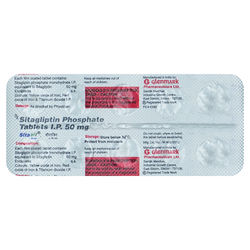

₹118
 ₹18.0Cashback (15%)
(Inclusive of all Taxes)
₹82 with coupons & bank offers*
 Offers & Discounts
Get Free delivery (₹99) with


Delivery Information
More about the Product
Composition :
Manufacturer/Marketer :
Consume Type :
Expires on or after :
Return Policy :


About Sitazit 50 mg Tablet
Sitazit 50 mg Tablet is a prescription medication used to lower blood sugar levels in adults with type 2 diabetes mellitus. It helps control blood sugar when used alongside proper lifestyle changes. This medicine is not for treating type 1 diabetes or diabetic ketoacidosis.
For this medicine to work effectively, you must take it consistently every day, usually once daily. You can take it with or without food. Combining this medication with healthy lifestyle choices, such as eating a balanced diet and exercising regularly, helps you get the best results from your treatment.
While taking Sitazit 50 mg Tablet , most people tolerate it well, but some may experience mild side effects like a stuffy nose, headache, or throat irritation. Serious side effects are rare, but you must contact your doctor immediately if you experience severe, persistent stomach pain that spreads to your back, as this can be a sign of a serious pancreatic condition.
Do not take this if you have a known severe allergic reaction to this medication or any of its ingredients. Before starting this treatment, talk to your doctor if you have a history of kidney disease, heart failure, or problems with your pancreas, as you may require special monitoring or a different dose.
This medicine can interact with other treatments, especially other diabetes medications like insulin or sulfonylureas, which can increase your risk of low blood sugar. Avoid excessive alcohol consumption while taking this medication, as it can alter your blood sugar levels. If you are pregnant, planning to breastfeed, or are an older adult, consult your doctor to ensure this is the safest option for you.
Uses of Sitazit 50 mg Tablet
Sitazit 50 mg Tablet is used to improve blood sugar control in adults with type 2 diabetes mellitus. The detailed uses of Sitazit 50 mg Tablet are as follows:
- Type 2 Diabetes Mellitus: Sitazit 50 mg Tablet helps lower blood sugar levels in adults whose diabetes is not sufficiently controlled by diet and exercise alone, reducing the risk of long-term diabetes complications.
Key Benefits
Sitazit 50 mg Tablet contains Sitazit 50 mg Tablet , which helps improve blood sugar control and supports long-term diabetes management. The key benefits of Sitazit 50 mg Tablet include:
- Controls Blood Sugar Levels: Helps maintain steady blood sugar levels throughout the day and reduces rises in blood sugar after meals.
- Supports Natural Insulin Release: Helps the body release insulin when blood sugar levels increase, improving glucose control after eating.
- Helps Prevent Blood Sugar Spikes: Reduces sudden increases in blood sugar levels following meals, promoting more consistent energy levels.
- Weight-Neutral Support: Unlike some diabetes medicines, Sitazit 50 mg Tablet does not typically cause weight gain.
Low Risk of Low Blood Sugar: When used on its own, it carries a low risk of causing hypoglycaemia because it works in a glucose-dependent manner. - Protects Long-Term Health: Good blood sugar control may help reduce the risk of diabetes-related complications affecting the nerves, kidneys, eyes, and cardiovascular system.
- If you experience low blood sugar levels, inform your doctor. They will assess the severity and make recommendations for the next actions.
- Your doctor will assess your symptoms, blood sugar levels, and overall health before recommending the best course of action, which may include treatment, lifestyle modifications, or prescription adjustments.
- Follow your doctor's instructions carefully to manage the episode and adjust your treatment plan.
- Make medication adjustments as recommended by your doctor to prevent future episodes.
- Implement diet and lifestyle modifications as your doctor advises to manage low blood sugar levels.
- Monitor your blood sugar levels closely for patterns and changes.
- Track your progress by recording your blood sugar levels, food intake, and physical activity.
- Seek further guidance from your doctor if symptoms persist or worsen so that your treatment plan can be revised.
- Drink water or other clear fluids.
- To prevent worsening of pain, limit intake of tea, coffee, or alcohol.
- Include bland foods like rice, toast, crackers, and rice in your diet.
- Avoid lying down immediately after eating as it may cause indigestion or heartburn.
- Avoid acidic and spicy food as it may cause indigestion.
- Drink warm fluids such as warm water with honey, broth, soup or herbal tea to soothe sore throat.
- Gargle with warm salt water.
- Suck on lozenges to increase the production of saliva and soothe your throat.
- Use a humidifier to soothe sore throat as it adds moisture to the air and makes breathing easier.
- Hydrate your body: Drink enough water to prevent dehydration and headaches.
- Calm Your Mind: Deep breathing and meditation can help you relax and relieve stress.
- Rest and Recharge: Sleep for 7-8 hours to reduce headache triggers.
- Take rest: lie down in a quiet, dark environment.
- Cold or warm compresses can help reduce tension.
- Stay Upright: Maintain good posture to keep symptoms from getting worse.
- To treat headaches naturally, try acupuncture or massage therapy.
- Over-the-counter pain relievers include acetaminophen and ibuprofen.
- Prescription Assistance: Speak with your doctor about more substantial drug alternatives.
- Severe Headaches: Seek emergency medical assistance for sudden, severe headaches.
- Frequent Headaches: If you get reoccurring headaches, consult your doctor.
- Headaches with Symptoms: Seek medical attention if your headaches include fever, disorientation, or weakness.
- Inform your doctor about the nausea and discuss possible alternatives to the medication or adjustments to the dosage.
- Divide your daily food intake into smaller, more frequent meals to reduce nausea.
- Opt for bland, easily digestible foods like crackers, toast, plain rice, bananas, and applesauce.
- Avoid certain foods that can trigger nausea, such as fatty, greasy, spicy, and smelly foods.
- Drink plenty of fluids, such as water, clear broth, or electrolyte-rich beverages like coconut water or sports drinks.
- Use ginger (tea, ale, or candies) to help relieve nausea.
- Get adequate rest and also avoid strenuous activities that can worsen nausea.
- Talk to your doctor about taking anti-nausea medication if your nausea is severe.
- Record when your nausea occurs, what triggers it, and what provides relief to help you identify patterns and manage your symptoms more effectively.
- Inform Your Doctor: Notify your doctor immediately about your diarrhoea symptoms. This allows them to adjust your medication or provide guidance on managing side effects.
- Stay Hydrated: Drink plenty of fluids to replace lost water and electrolytes. Choose water, clear broth, and electrolyte-rich drinks. Avoid carbonated or caffeinated beverages to effectively rehydrate your body.
- Follow a Bland Diet: Eat easy-to-digest foods to help firm up your stool and settle your stomach. Try incorporating bananas, rice, applesauce, toast, plain crackers, and boiled vegetables into your diet.
- Avoid Trigger Foods: Steer clear of foods that can worsen diarrhoea, such as spicy, fatty, or greasy foods, high-fibre foods, and dairy products (especially if you're lactose intolerant).
- Practice Good Hygiene: Maintain good hygiene to prevent the spread of infection. To stay healthy, wash your hands frequently, clean and disinfect surfaces regularly, and avoid exchanging personal belongings with others.
- Take Anti-Diarrheal Medications: If your doctor advises, anti-diarrheal medications such as loperamide might help manage diarrhoea symptoms. Always follow your doctor's directions.
- Keep track of your diarrhoea symptoms. If they don't get better or worse or are accompanied by severe stomach pain, blood, or dehydration signs (like extreme thirst or dark urine), seek medical help.
- Inform your doctor about the common cold symptoms you're experiencing due to medication.
- Your doctor may adjust your treatment plan, which could include changing your medication, adding new medications, or offering advice on managing your symptoms.
- Practice good hygiene, including frequent handwashing, avoiding close contact with others, and avoiding sharing utensils or personal items.
- Drink plenty of fluids, such as warm water or soup, to help thin out mucus.
- Get plenty of rest and engage in stress-reducing activities to help your body recover. If your symptoms don't subside or worsen, consult your doctor for further guidance.
Directions for Use
To get the maximum benefit from treatment with Sitazit 50 mg Tablet , follow these instructions carefully:
- Swallow the tablet whole with a full glass of water.
- Do not crush, chew, or split the tablet.
- You can take this medicine with or without food.
- Try to take your dose at the same time every day to keep a steady amount of medicine in your body.
Always follow your doctor's exact instructions regarding your treatment plan. Do not alter your dose or stop taking this medication without consulting your healthcare provider first.
How Sitazit 50 mg Tablet Works

Alcohol
Caution
It is not known if alcohol interacts with Sitazit 50 mg Tablet . However, avoid/limit alcohol consumption as it might affect blood sugar levels.

Pregnancy
Caution
Sitagliptin belongs to pregnancy category B. There are no adequate and well-controlled studies in pregnant women. Please consult your doctor if you are pregnant or planning to become pregnant.

Breast Feeding
Caution
Sitazit 50 mg Tablet should be taken with caution if you are breastfeeding. Please consult your doctor for more information about using Sitazit 50 mg Tablet during lactation.

Driving
Caution
This medicine may cause dizziness and drowsiness. Drive or operate machinery only if you are alert.

Liver
Consult your doctor
If you have liver disease, inform your doctor before taking Sitazit 50 mg Tablet .

Kidney
Caution
Dose adjustment may be needed in patients with moderate or severe renal insufficiency. Please consult the doctor if you have kidney problems.

Children
Unsafe
Sitazit 50 mg Tablet is not recommended for children below 18 years as the safety and effectiveness have not been established.

Heart
Safe if prescribed
Sitazit 50 mg Tablet is generally safe for heart patients. Still, it's best to consult your doctor to rule out any interactions with your current medications.

Geriatrics
Caution
Please inform your doctor if you are geriatric before using Sitazit 50 mg Tablet , as there is limited information available on its safety in this age group.
What if I have taken an overdose of Sitazit 50 mg Tablet
Diet & Lifestyle Advise
- Follow a Diabetes-Friendly Diet: Focus on meals rich in high-fibre vegetables, whole grains, and lean proteins while limiting processed sugars and refined carbohydrates.
- Stay Physically Active: Engage in moderate exercise, such as brisk walking, for at least 30 minutes on most days to help improve insulin sensitivity.
- Monitor Blood Sugar Regularly: Check your blood sugar levels as directed by your doctor to help ensure your treatment plan is working effectively.
- Carry a Fast-Acting Sugar Source: Keep fruit juice, glucose tablets, or hard candies readily available in case your blood sugar drops unexpectedly due to changes in diet, activity, or other medicines.


Have a query?
How Soon It Starts Working
The time required for Sitazit 50 mg Tablet to start to work: The time required for Sitazit 50 mg Tablet to show its action is unknown. The time for which the effects of Sitazit 50 mg Tablet last: The duration of action for Sitazit 50 mg Tablet is unknown.
What if you forget to take Sitazit 50 mg Tablet
Storage
- Store Sitazit 50 mg Tablet tablets at room temperature, ideally between 20°C and 25°C (68°F to 77°F).
- Keep the tablets in their original container to protect them from moisture and direct light.
Drug Warnings
- Check Before Use: Check your tablet packaging before each use to ensure the medicine is intact and has not expired.
- Carry Medical Identification: Always carry a medical ID card or wear a bracelet indicating that you have type 2 diabetes and are taking this medication.
- Watch for Signs of Pancreatitis: Be alert for severe or persistent stomach pain and stop taking the medicine immediately if you suspect symptoms of pancreatic inflammation. Seek medical attention promptly.
- Monitor Blood Sugar During Illness or Stress: Check your blood sugar levels more closely during periods of illness, fever, physical stress, or before surgery, as your medication requirements may change. Consult your doctor for guidance during these situations.
Drug-Drug Interactions


Drug-Drug Interaction Summary:
Inform your doctor if you are taking any of the following medicines, as they may interact with Sitazit 50 mg Tablet :
- Insulin and Sulfonylureas: Taking Sitazit 50 mg Tablet with insulin or sulfonylurea medicines, such as glimepiride or glipizide, may increase the risk of low blood sugar. Your doctor may need to adjust your dosage.
- Digoxin: Sitazit 50 mg Tablet may slightly increase digoxin levels and may require monitoring in some patients.
Drug-Drug Interactions
Login/Sign Up
Co-administration of Sitazit 50 mg Tablet with Gatifloxacin may sometimes affect blood glucose levels. Both high blood glucose and, less frequently, low blood glucose have been reported.
How to manage the interaction:
Taking Sitazit 50 mg Tablet with Gatifloxacin is not recommended as it can lead to a possible interaction, However, it can be taken if advised by the doctor. Consult the prescriber if you experience symptoms such as nervousness, confusion, headache, dizziness, drowsiness, tremors, nausea, hunger, weakness, perspiration, palpitation, rapid heartbeat, increased urination, increased thirst, and increased hunger. Maintaining blood glucose levels is advised. Do not stop using any medications without a doctor's advice.
When Sitazit 50 mg Tablet is taken with Ivacaftor, the amount of Sitazit 50 mg Tablet in the blood can go up.
How to manage the interaction:
Taking Sitazit 50 mg Tablet with Ivacaftor together can possibly result in an interaction, but it can be taken if a doctor has advised it. Do not discontinue any medications without consulting a doctor.
Drug-Food Interactions
Drug-Food Interaction Summary:
Certain foods and beverages may affect blood sugar control or increase the risk of side effects while taking Sitazit 50 mg Tablet . Examples include:
- Alcohol: Limit or avoid alcohol while taking Sitazit 50 mg Tablet , as it may interfere with blood sugar control and increase the risk of low blood sugar or pancreatitis.
Drug-Food Interactions
Login/Sign Up

All Substitutes & Brand Comparisons


Customers Also Bought


FAQs
Disclaimer
Author Details


Reference
- U.S. Food and Drug Administration (FDA). 021995S019Lbl [FDA Prescribing Information]. Silver Spring, MD: FDA; 2024. [Accessed on 02 Jun. 2026]Check here
- Electronic Medicines Compendium (EMC). Product Patient Information Leaflet (PIL). Cheshire, UK: Datapharm; 2025. [Accessed on 02 Jun. 2026]Check here
- MedlinePlus. A606023 Patient Information Monograph. Bethesda, MD: U.S. National Library of Medicine (NLM); 2025. [Accessed on 02 Jun. 2026]Check here
- Sitagliptin [Prescribing Information]. 2025. [Accessed on 09 Apr. 2025]Check here
- Drugs and Lactation Database (LactMed) [Internet]. Bethesda (MD): National Library of Medicine (US); 2006-. Sitagliptin. [Updated 2019 Feb 7]Check here
- Plosker GL. Sitagliptin: A review of its use in patients with type 2 diabetes mellitus. NIH, National Library of Medicine, National Center for Biotechnology Information Pubmed.gov. February 2014. [Accessed on 8th September 2025]Check here
- PubChem Compound Summary for CID 4369359, Sitagliptin. National Center for Biotechnology Information. May 2022. [Accessed on 8th September 2025]Check here
Country of origin
Manufacturer/Marketer address
Therapeutic Class
Habit Forming


Recommended for a 30-day course: 3 Strips