apollo
logo
0
Select Delivery Location
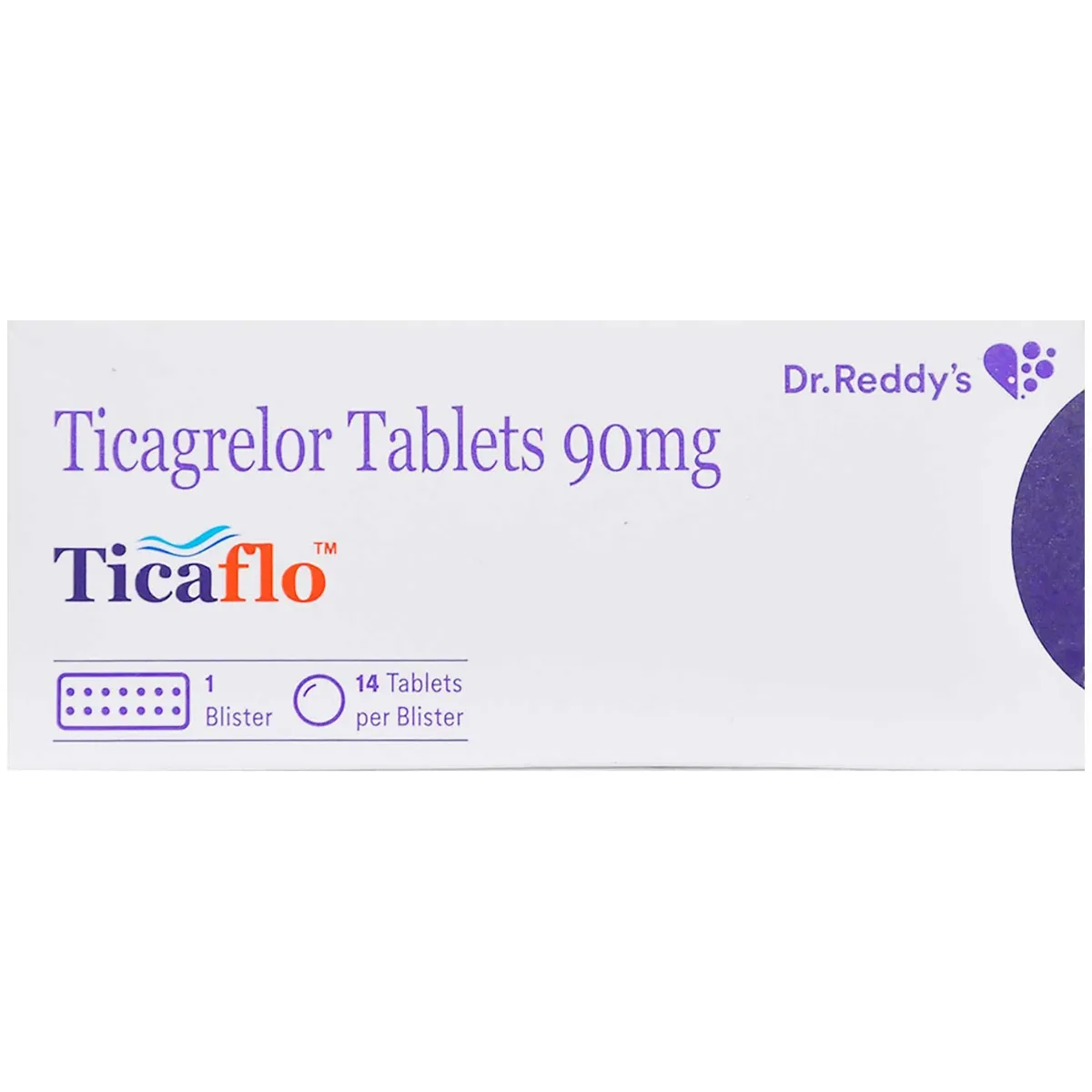
compositionComposition:TICAGRELOR-90MG
prescription
Prescription Medicine
info
Written By Santoshini Reddy G , M Pharmacy
Reviewed By Bayyarapu Mahesh Kumar , M Pharmacy
OffersOffers & Discounts

Get Free delivery (₹99) with circle icon

Join Circle
Get Extra 12% Off with Coupons
Extra 10% Off with Bank Offers
bank offer
bank offer
bank offer

More about the Product

Composition :

TICAGRELOR-90MG

Manufacturer/Marketer :

Dr Reddy's Laboratories Ltd

Consume Type :

Oral

Expires on or after :

Jan-27

Return Policy :

Not Returnable

About Ticaflo Tablet

Ticaflo Tablet is an oral prescription medicine used to reduce the risk of serious cardiovascular events, such as heart attacks or strokes, in people who have experienced a heart attack or severe chest pain. It works by preventing blood cells called platelets from sticking together and forming harmful clots. This keeps blood flowing smoothly through your arteries, protecting your heart and brain.

To get the full benefit, you must take Ticaflo Tablet every day exactly as prescribed, typically twice daily. It is important to take it consistently at the same times each day, and you can take it with or without food. Combining this medicine with a heart-healthy diet low in saturated fats and regular, doctor-approved exercise can significantly improve your long-term cardiovascular results.

While taking Ticaflo Tablet , you may experience mild side effects such as easy bruising, minor nosebleeds, or a mild feeling of shortness of breath. However, if you experience severe, uncontrollable bleeding, blood in your urine or stools, or sudden and severe breathing difficulties, you must contact your doctor or seek emergency medical help immediately.

Before starting Ticaflo Tablet , discuss your complete medical history with your doctor, especially if you have asthma, chronic obstructive pulmonary disease (COPD), a history of bleeding problems, or liver issues. Do not take this medicine if you have active internal bleeding, such as a bleeding stomach ulcer, or if you have a history of bleeding in the brain.

Certain medicines, such as strong pain relievers, blood thinners, and some herbal supplements, can interact with Ticaflo Tablet and greatly increase your risk of bleeding, while smoking can further damage your blood vessels. If you are pregnant, planning to become pregnant, breastfeeding, or an older adult, consult your doctor to discuss whether this medicine is safe and appropriate for your specific situation.

Uses of Ticaflo Tablet

Ticaflo Tablet is used to reduce the risk of serious cardiovascular events. The detailed uses of Ticaflo Tablet are as follows:

  • Preventing heart attacks: Ticaflo Tablet keeps blood platelets from clumping, reducing the chance of a blood clot blocking blood flow to your heart muscle.
  • Reducing stroke risk: By preventing clot formation in the arteries leading to the brain, it lowers the risk of suffering a debilitating stroke.
  • Managing acute coronary syndrome (ACS): For patients hospitalised with severe chest pain or a recent heart attack, it helps keep the coronary arteries open and prevents future cardiovascular events.
  • Preventing clots after stent placement: If you have had a stent inserted into a blood vessel in your heart, this medicine helps prevent clots from forming inside the stent.
     

Key Benefits

Ticaflo Tablet helps reduce the risk of harmful blood clot formation by preventing platelets from sticking together. By improving blood flow through the blood vessels, it supports cardiovascular health and helps protect against serious complications. This medicine offers several key benefits:

  • Lowers the risk of future heart complications: By keeping blood thin and flowing, Ticaflo Tablet significantly reduces the likelihood of experiencing another life-threatening heart attack or stroke, giving you peace of mind during your recovery.
  • Protects newly placed stents: For patients who have undergone angioplasty, this medication helps ensure that the newly placed stent remains open and clear, supporting a safer and smoother recovery process.
  • Provides reversible protection: Because the effect of this medication wears off more quickly than some other blood thinners once stopped, it offers your healthcare team greater flexibility and control if you ever need unexpected surgery.
     
Side effects of Ticaflo Tablet
Here are the seven steps to manage medication-triggered Dyspnea (Difficulty Breathing or Shortness of Breath):
  • Tell your doctor immediately if you experience shortness of breath after taking medication.
  • Your doctor may adjust the medication regimen or dosage or give alternative medical procedures to minimize the symptoms of shortness of breath.
  • Monitor your oxygen levels and breathing rate regularly to track changes and potential side effects.
  • For controlling stress and anxiety, try relaxation techniques like deep breathing exercises, meditation, or yoga.
  • Make lifestyle changes, such as quitting smoking, exercising regularly, and maintaining a healthy weight.
  • Seek emergency medical attention if you experience severe shortness of breath, chest pain, or difficulty speaking.
  • Follow up regularly with your doctor to monitor progress, adjust treatment plans, and address any concerns or questions.
Managing Medication-Triggered Epistaxis (Nosebleed): A Step-by-Step Guide:
  • If you experience nosebleeds or unusual bleeding after taking medication, seek medical attention right away and schedule an appointment to discuss your symptoms with your doctor.
  • Your doctor may adjust your treatment plan by changing the dosage, switching to a different medication, or stopping the medication.
  • If your doctor advises, take steps to manage bleeding and promote healing, such as applying pressure, using saline nasal sprays, or applying a cold compress, using humidifiers, avoiding blowing or picking your nose, and applying petroleum jelly to the nostrils.
  • Schedule follow-up appointments with your doctor to monitor progress, adjust treatment plans, and prevent future episodes.
Here are the steps to manage the medication-triggered Cough:
  • Tell your doctor about the cough symptoms you're experiencing, which may be triggered by your medication.
  • Your doctor may adjust your treatment plan by changing your medication, adding new medications, or providing guidance on managing your cough symptoms.
  • Practice good hygiene, including frequent handwashing, avoiding close contact with others, and avoiding sharing utensils or personal items.
  • Stay hydrated by drinking plenty of fluids, such as water, tea, or soup, to help thin out mucus and soothe your throat.
  • Get plenty of rest and engage in stress-reducing activities to help your body recover. If your cough persists or worsens, consult your doctor for further guidance.
Managing Low Blood Pressure Triggered by Medication: Expert Advice:
  • If you experience low blood pressure symptoms like dizziness, lightheadedness, or fainting while taking medication, seek immediate medical attention.
  • Make lifestyle modifications and adjust your medication regimen under medical guidance to manage low blood pressure.
  • As your doctor advises, regularly check your blood pressure at home. Record your readings to detect any changes and share them with your doctor.
  • Fluid intake plays a vital role in managing blood pressure by maintaining blood volume, regulating blood pressure, and supporting blood vessel function. Drinking enough fluids helps prevent dehydration, maintain electrolyte balance, and regulate fluid balance.
  • Take regular breaks to sit or lie down if you need to stand for long periods.
  • When lying down, elevate your head with extra pillows to help improve blood flow.
  • Avoid heavy exercise or strenuous activities that can worsen low blood pressure.
  • Wear compression socks as your doctor advises to enhance blood flow, reduce oedema, and control blood pressure.
  • If symptoms persist or worsen, or if you have concerns about your condition, seek medical attention for personalized guidance and care.
  • Wear compression garments like stockings, sleeves, or gloves to apply pressure and help stop fluid from building up, especially after the swelling goes down.
  • Move around and do exercises to help the fluid circulate, especially in swollen limbs. Ask your doctor for specific exercises.
  • Raise the swollen area above your heart level several times a day, even while sleeping, to help reduce swelling.
  • Gently massage the swollen area with firm but not painful pressure.
  • Keep the swollen area clean and moisturized to prevent injury and infection.
  • Reduce salt intake to help prevent fluid from building up and worsening the swelling, as advised by a doctor.
  • If the swelling does not get better after a few days of home treatment or worsens, consult your doctor right away.
Managing back pain as a side effect of medication requires a combination of self-care techniques, lifestyle modifications, and medical interventions. Here are the steps:
  • Talk to your doctor about your back pain and potential medication substitutes or dose changes.
  • Try yoga or Pilates and other mild stretching exercises to increase flexibility and strengthen your back muscles.
  • To lessen the tension on your back, sit and stand upright and maintain proper posture.
  • To alleviate discomfort and minimize inflammation, apply heat or cold packs to the afflicted area.
  • Under your doctor's supervision, think about taking over-the-counter painkillers like acetaminophen or ibuprofen.
  • Make ergonomic adjustments to your workspace and daily activities to reduce strain on your back.
  • To handle tension that could make back pain worse, try stress-reduction methods like deep breathing or meditation.
  • Use pillows and a supportive mattress to keep your spine in the right posture as you sleep.
  • Back discomfort can worsen by bending, twisting, and heavy lifting.
  • Speak with a physical therapist to create a customized training regimen to increase back strength and flexibility.

Directions for Use

Please follow these step-by-step instructions for taking this medication:

  • Swallow the tablet whole with a full glass of water. You can take this medication with or without food.
  • If you have trouble swallowing tablets, talk to your doctor or pharmacist about alternative ways to take it, such as crushing the tablet and mixing it with water.
  • Take your doses at the same times every day to maintain a steady level of the medicine in your body.
  • Always follow your doctor's exact instructions regarding your dosing schedule, and never stop taking this medicine without consulting them first, as stopping early can increase your risk of a heart attack.
     

How Ticaflo Tablet Works

Ticaflo Tablet belongs to a class of medicines called antiplatelets. Blood clots form when tiny blood cells called platelets clump together to seal a cut or injury. However, inside narrowed blood vessels, these clots can block blood flow and cause a heart attack or stroke. Ticaflo Tablet works by blocking a specific chemical receptor on the surface of your platelets. By temporarily disabling this receptor, the medicine prevents the platelets from sticking to each other and forming dangerous clots. This reversible action ensures that your blood flows freely through your blood vessels while allowing your doctor to manage your bleeding risks safely.
bannner image

Alcohol

Unsafe

It is unsafe to consume alcohol since it may worsen the side effects, such as dizziness.

bannner image

Pregnancy

Caution

Please consult the doctor. There are no adequate and well-controlled studies on pregnant women. Your doctor will prescribe only if the benefits outweigh the risks.

bannner image

Breast Feeding

Caution

Ticaflo Tablet may pass into breast milk and may cause side effects in a breastfed child. Please consult your doctor before starting Ticaflo Tablet .

bannner image

Driving

Caution

Do not drive or operate machinery if you experience dizziness or drowsiness while using Ticaflo Tablet .

bannner image

Liver

Caution

Let your doctor know if you had or have any history of liver disease or hepatic impairment. Your doctor will weigh the benefits and potential risks before prescribing Ticaflo Tablet . However, Ticaflo Tablet is not recommended in patients with severe liver problems.

bannner image

Kidney

Caution

Let your doctor know if you had or have any history of kidney diseases/conditions. Your doctor will weigh the benefits and potential risks before prescribing Ticaflo Tablet . However, Ticaflo Tablet is not recommended in patients with severe kidney problems.

bannner image

Children

Unsafe

Ticaflo Tablet is not recommended for children below the age of 18 years. The safety and effectiveness of Ticaflo Tablet have not been established in children.

bannner image

Heart

Safe if prescribed

Ticaflo Tablet is safe for use in heart patients if recommended by the physician.

bannner image

Geriatrics

Caution

Ticaflo Tablet should be used under extreme caution in geriatric patients. Please consult your physician.

What if I have taken an overdose of Ticaflo Tablet

Do not take more than the prescribed dose of Ticaflo Tablet as it may cause an overdose. Symptoms of overdose may include bleeding, nausea, vomiting, diarrhoea, and irregular heartbeat. If you suspect you have taken an overdose or notice signs of overdose, please consult a doctor immediately.

Diet & Lifestyle Advise

  • Eat a heart-healthy diet rich in vegetables, fruits, whole grains, and lean proteins to support overall vascular health.
  • Limit foods high in saturated fats and sodium to help manage your blood pressure and cholesterol levels.
  • Avoid activities or contact sports that carry a high risk of injury, falls, or bruising, as your blood will take longer to clot.
  • Use a soft-bristled toothbrush and an electric shaver to minimise the risk of bleeding from your gums or skin.
  • Stay well-hydrated and avoid excessive alcohol intake, as alcohol can increase your risk of stomach bleeding when taken with this medication.
     

Have a query?

How Soon It Starts Working

The time required for Ticaflo Tablet to start to work: Ticaflo Tablet ideally shows its action within 30 minutes after administration. The time for which the effects of Ticaflo Tablet last: The effect of Ticaflo Tablet lasts for 2 to 3 days.

What if you forget to take Ticaflo Tablet

If you forget to take your scheduled dose of Ticaflo Tablet , skip the missed dose and take your next dose at its scheduled time. Do not take two doses at the same time.

Storage

•Store Ticaflo Tablet tablets at room temperature, ideally between 20°C to 25°C (68°F to 77°F). •Keep the medication in its original packaging to protect it from moisture and light.

Drug Warnings

  • Inform all healthcare providers, including dentists, surgeons, and specialists, that you are taking Ticaflo Tablet before any procedure is scheduled.
  • Do not stop taking this medication suddenly without discussing it with your cardiologist, as stopping abruptly increases your risk of a blood clot or heart attack.
  • Monitor yourself daily for unusual bruising or bleeding, and report any prolonged bleeding from minor cuts to your doctor.
  • Avoid taking aspirin or other pain relievers like ibuprofen unless specifically instructed by your doctor, as these can increase your risk of stomach bleeding.
  • If you experience a fall, a blow to the head, or any major trauma, seek medical evaluation immediately, even if you feel fine, to rule out internal bleeding.
     

Drug-Drug Interactions

verifiedApollotooltip

Before using Ticaflo Tablet , it is important to understand how it may interact with other medicines, foods, or existing health conditions.

Drug-Drug Interactions

  • Blood thinners (e.g., warfarin): Taking Ticaflo Tablet with anticoagulant medicines may significantly increase the risk of bleeding, including serious or prolonged bleeding episodes. Your doctor may need to monitor you more closely during treatment.
  • Nonsteroidal anti-inflammatory drugs (NSAIDs) (e.g., ibuprofen, naproxen): Combining Ticaflo Tablet with NSAIDs may increase the risk of bleeding, particularly in the stomach or intestines.
  • Certain anti-seizure medicines: Some anticonvulsants may reduce the effectiveness of Ticaflo Tablet by lowering its blood levels, potentially increasing the risk of treatment failure. Dose adjustments or alternative therapies may be required.
  • Tuberculosis medicines (e.g., rifampicin): Certain medicines used to treat tuberculosis can affect how your body processes Ticaflo Tablet , potentially reducing its effectiveness.
  • HIV medicines: Some antiretroviral medicines may either increase or decrease the levels of Ticaflo Tablet in the bloodstream, affecting its safety or effectiveness. Your doctor may recommend additional monitoring.
  • Aspirin (greater than 100 mg daily): Higher doses of aspirin may reduce the effectiveness of Ticaflo Tablet and may also increase the risk of bleeding. Only use aspirin as directed by your healthcare provider.

Drug-Food Interactions

  • Grapefruit and grapefruit juice: Grapefruit products may increase the concentration of Ticaflo Tablet in the body by affecting how it is metabolised. This may increase the likelihood of side effects and should generally be avoided during treatment.

Drug-Disease Interactions

  • Liver disease: Use Ticaflo Tablet with caution if you have a history of liver impairment. Because the medicine is processed by the liver, reduced liver function may increase drug exposure and the risk of adverse effects.
  • Active bleeding disorders: Do not use Ticaflo Tablet if you have an active bleeding condition, such as a bleeding stomach ulcer, ongoing gastrointestinal bleeding, or another significant bleeding disorder.
  • History of intracranial bleeding: Patients with a previous history of bleeding within the brain may be at increased risk of serious bleeding complications and should discuss the risks and benefits of treatment with their doctor before using Ticaflo Tablet .
     

Drug-Drug Interactions

Login/Sign Up

How does the drug interact with Ticaflo Tablet:
Taking Ticaflo Tablet with Ritonavir may significantly increase the blood levels of Ticaflo Tablet.

How to manage the interaction:
Taking Ticaflo Tablet with Ritonavir is not recommended, but it can be taken together if prescribed by a doctor. However, consult your doctor if you experience any unusual bleeding or bruising, swelling, vomiting, blood in your urine or stools, headache, dizziness, or weakness. Do not discontinue any medications without consulting a doctor.
How does the drug interact with Ticaflo Tablet:
Using Ticaflo Tablet together with Voriconazole can significantly increase the blood levels of Ticaflo Tablet.

How to manage the interaction:
Taking Ticaflo Tablet with Voriconazole is not recommended, but it can be taken together if prescribed by a doctor. However, consult a doctor if you experience vomiting, headache, dizziness, or weakness. Do not discontinue any medications without consulting a doctor.
How does the drug interact with Ticaflo Tablet:
The blood levels and effects of Ticaflo Tablet may be greatly increased when combined with itraconazole.

How to manage the interaction:
Itraconazole and Ticaflo Tablet may interact, however if prescribed by a physician, they can be used together. While receiving therapy, you should consult a doctor if you develop any unusual bleeding or bruising, swelling, vomiting, blood in your urine or stools, headache, dizziness, or weakness. Without consulting a doctor, never stop taking any medication.
How does the drug interact with Ticaflo Tablet:
Co-administration of Ticaflo Tablet with ketoconazole can cause severe bleeding.

How to manage the interaction:
Taking Ticaflo Tablet with Ketoconazole is not recommended as it can cause an interaction, it can be taken if prescribed by the doctor. However, if you experience any unusual bleeding or bruising, swelling, vomiting, blood in your urine or stools, headache, dizziness, or weakness, contact a doctor immediately. Do not discontinue any medications without consulting a doctor.
How does the drug interact with Ticaflo Tablet:
Using Ticaflo Tablet together with indinavir can cause risk of bleeding.

How to manage the interaction:
Taking Ticaflo Tablet with Indinavir is not recommended, but it can be taken together if prescribed by a doctor. However, consult a doctor if you experience any unusual bleeding or bruising, swelling, vomiting, blood in your urine or stools, headache, dizziness, or weakness. Do not discontinue any medications without consulting a doctor.
TicagrelorTelithromycin
Critical
How does the drug interact with Ticaflo Tablet:
Using Ticaflo Tablet together with telithromycin cause increase the blood levels of Ticaflo Tablet.

How to manage the interaction:
Taking Ticaflo Tablet with Telithromycin is not recommended, but it can be taken together if prescribed by a doctor. However, consult your doctor if you experience any unusual bleeding or bruising, swelling, vomiting, blood in your urine or stools, headache, dizziness, or weakness. Do not discontinue any medications without consulting a doctor.
TicagrelorConivaptan
Critical
How does the drug interact with Ticaflo Tablet:
Co-administration of Ticaflo Tablet with Conivaptan can increase the risk of bleeding.

How to manage the interaction:
Taking Ticaflo Tablet with Conivaptan is not recommended, please consult your doctor before taking it. However, if you experience unusual bleeding or bruising, swelling, vomiting, blood in your urine or stools, headache, dizziness, or weakness contact your doctor immediately. Do not discontinue any medications without consulting a doctor.
How does the drug interact with Ticaflo Tablet:
Co-administration of Mifepristone with Ticaflo Tablet can increase the risk of vaginal bleeding in women.

How to manage the interaction:
Taking Ticaflo Tablet with Mifepristone is not recommended, but can be taken together if prescribed by a doctor. However, consult your doctor if you experience any symptoms like heavy period bleed for more than 7 days, weakness, tiredness, shortness of breath or paleness. Do not discontinue any medications without consulting a doctor.
How does the drug interact with Ticaflo Tablet:
Co-administration of posaconazole with Ticaflo Tablet can increase the risk of bleeding.

How to manage the interaction:
Taking Ticaflo Tablet with Posaconazole is not recommended, but it can be taken together if prescribed by a doctor. However, consult your doctor if you experience any unusual bleeding or bruising, swelling, vomiting, blood in your urine or stools, headache, dizziness, or weakness. Do not discontinue any medications without consulting a doctor.
How does the drug interact with Ticaflo Tablet:
Taking Ticaflo Tablet with dabigatran etexilate may increase the risk of bleeding.

How to manage the interaction:
Although taking Dabigatran etexilate with Ticaflo Tablet together can possibly result in an interaction, it can be taken if your doctor has advised it. However, if you experience bleeding, dizziness, lightheadedness, red or black tarry stools, coughing up or vomiting blood, severe headache, and weakness, contact your doctor immediately. Do not stop using any medications without consulting your doctor.

Drug-Food Interactions

verifiedApollotooltip
No Drug - Food interactions found in our database. Some may be unknown. Consult your doctor for what to avoid during medication.

Drug-Food Interactions

Login/Sign Up

All Substitutes & Brand Comparisons

Habit Forming

No

Therapeutic Class

[PLATELET AGGREGATION INHIBITOR]

FAQs

Ticaflo Tablet is primarily used to prevent heart attack or stroke in people at high risk of heart disease. It‚ helps to prevent blood clots in people with acute coronary syndrome (the heart doesn't receive enough oxygen) who have had stents placed in blood vessels in their heart.

Ticaflo Tablet contains Ticagrelor, which works by preventing platelets from sticking together and forming a blood clot.

Yes, taking Ticaflo Tablet can increase the risk of bleeding. So, please be very cautious while cutting fingernails or toenails, shaving, or using sharp objects to avoid bleeding.

Do not stop taking Ticaflo Tablet without consulting your doctor or cardiologist. Stopping treatment too early may increase your risk of blood clots, heart attack, or stroke. If you are scheduled for surgery, a dental procedure, or another medical treatment, inform your healthcare provider that you are taking Ticaflo Tablet . Your doctor will decide whether the medicine should be temporarily stopped and when it should be restarted.

There might be a problem if you take herbal therapies with Ticaflo Tablet , especially those that affect blood, like Ginkgo Biloba, Grapefruits, St John's wort plant extract used as an antidepressant. Taking these can increase your risk of bleeding. Tell your doctor if you are using any herbal supplements before taking Ticaflo Tablet .

Ticaflo Tablet may cause shortness of breath, making it difficult to breathe in people with asthma or COPD. Hence, it should be used with caution. Please consult your doctor if you have asthma or breathing problems.

Do not drink grapefruit juice while taking Ticaflo Tablet . Grapefruit juice may increase the blood-thinning effect of the medicine.

Ticaflo Tablet contains ticagrelor, which, when taken with clopidogrel, may increase the risk of bleeding. Consult the doctor before taking other medicines with Ticaflo Tablet .

Ticaflo Tablet may cause blood in urine. Consult the doctor if you experience this.

Ticaflo Tablet might lower the blood pressure. Let the doctor know if you are taking anti-hypertensives (blood pressure-lowering medicines). Regular monitoring of blood pressure levels is advised.

Ticaflo Tablet can be taken with other medicines if prescribed by the doctor. Before starting Ticaflo Tablet inform the doctor if you are taking any other medicines to prevent interactions.

Ticaflo Tablet is an antiplatelet medicine which inhibits the aggregation of platelets that may cause a heart attack or stroke.

It is best to limit or avoid alcohol while taking Ticaflo Tablet . Alcohol may irritate the stomach lining and increase the risk of bleeding, particularly stomach bleeding. If you drink alcohol regularly, discuss this with your doctor.

Ticaflo Tablet may cause significant, sometimes fatal bleeding. Inform the doctor if you have/had a condition that causes you to bleed more easily than normal; bleeding in your stomach, intestines, or brain; a stomach ulcer; polyps (abnormal growths in the lining of the large intestine); a stroke or mini-stroke; or liver disease. Seek immediate medical attention if you experience unexplained, severe, long-lasting, or uncontrollable bleeding; red or black, tarry stools; pink or brown urine; vomit that is bloody or that looks like coffee grounds; or coughing up blood or blood clots.

Ticaflo Tablet works within 30 minutes of taking the first dose.

Apply firm, direct pressure to the cut with a clean cloth. Because Ticaflo Tablet prevents clotting, minor bleeding may take longer than usual to stop. If the bleeding does not stop after several minutes of direct pressure, seek medical attention. Talk to your doctor or pharmacist.

You should only take aspirin with Ticaflo Tablet if your doctor has explicitly prescribed them together. However, taking high doses of aspirin (above 100 mg daily) can actually make Ticaflo Tablet less effective, so always follow your doctor's exact instructions. Talk to your doctor or pharmacist.

A mild feeling of shortness of breath is a common side effect of Ticaflo Tablet , especially during the first few weeks of treatment. If this feeling is severe, gets worse, or is accompanied by chest pain, contact your doctor immediately. Talk to your doctor or pharmacist.

You should avoid taking nonsteroidal anti-inflammatory drugs (NSAIDs) like ibuprofen or naproxen without consulting your doctor, as they can significantly increase your risk of stomach bleeding. Talk to your doctor or pharmacist.

The safety of Ticaflo Tablet during pregnancy is not fully established. You must discuss the benefits and potential risks with your doctor before using this medication if you are pregnant or planning to become pregnant. Talk to your doctor or pharmacist.

The duration of your treatment depends entirely on your specific heart condition and the type of stent you received. It is typically prescribed for 6 to 12 months, or sometimes longer, but you must continue taking it until your cardiologist tells you to stop. Talk to your doctor or pharmacist.

Disclaimer

While we strive to provide complete, accurate, and expert-reviewed content on our 'Platform', we make no warranties or representations and disclaim all responsibility and liability for the completeness, accuracy, or reliability of the aforementioned content. The content on our platform is for informative purposes only, and may not cover all clinical/non-clinical aspects. Reliance on any information and subsequent action or inaction is solely at the user's risk, and we do not assume any responsibility for the same. The content on the Platform should not be considered or used as a substitute for professional and qualified medical advice. Please consult your doctor for any query pertaining to medicines, tests and/or diseases, as we support, and do not replace the doctor-patient relationship.

Country of origin

India

Manufacturer/Marketer address

Dr. Reddy's Laboratories Ltd., 8-2-337, Road No. 3, Banjara Hills, Hyderabad, Telangana 500034, INDIA
Other Info - TIC0065
whatsapp Floating Button

Recommended for a 30-day course: 2 Strips

Buy Now
Add 2 Strips