Apollo
logo
0
Select Delivery Location
prescription
Prescription Medicine
info

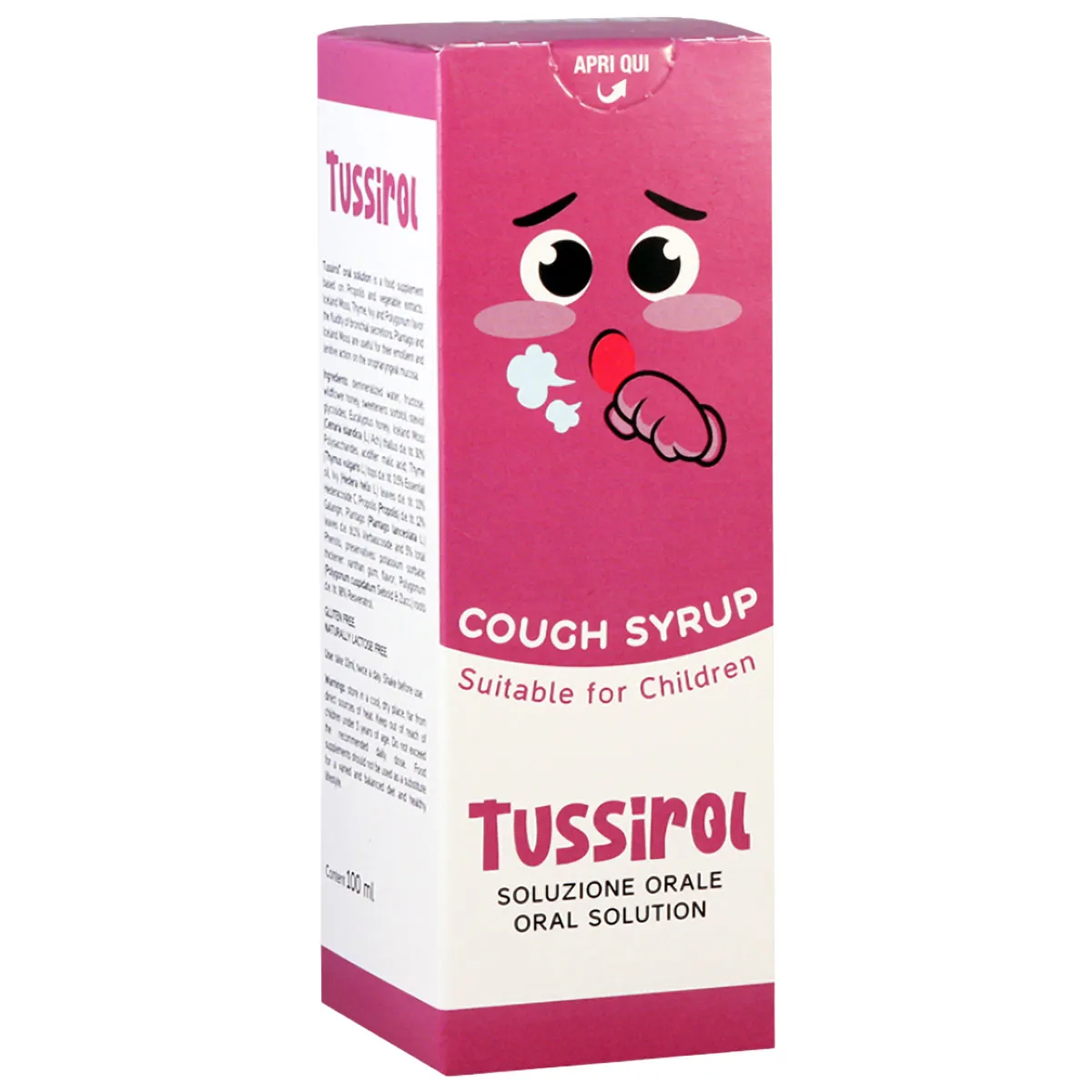
Tussirol Cough Syrup 100 ml is used to treat dry cough. It contains Chlorphenamine and Dextromethorphan, which block the transmission of nerve signals from the cough centre in the brain to the muscles that produce cough. Also, it relieves allergy symptoms such as sneezing, a runny nose, watery eyes, itching, swelling, congestion, and stiffness. Thus, it helps to relieve overall cough, cold and allergic symptoms. It may cause side effects such as dry mouth, throat, or nose, drowsiness, blurred vision, constipation, dizziness, restlessness or excitation. Before taking this medicine, you should tell your doctor if you are allergic to any of its components or if you are pregnant/breastfeeding, and about all the medications you are taking and pre-existing medical conditions.

Read more
Written By Bayyarapu Mahesh Kumar , M Pharmacy
Reviewed By Dr Aneela Siddabathuni , MPharma., PhD
OffersOffers & Discounts

Get Free delivery (₹99) with circle icon

Join Circle
coupon
Get 18% Off with Coupons
coupon
Extra 10% Off with Bank Offers
bank offer
bank offer
bank offer

More about the Product

Manufacturer/Marketer :

Pharmatech Healthcare

Consume Type :

Oral

Expires on or after :

Jan-28

Return Policy :

Not Returnable

About Tussirol Cough Syrup 100 ml

Tussirol Cough Syrup 100 ml is used to temporarily treat dry coughs and upper respiratory allergy symptoms like sneezing, runny nose, and watery eyes. It combines two active agents that work together to quiet coughs and dry up nasal fluids caused by colds or allergies. It does not treat the underlying viral infection but relieves the uncomfortable symptoms.

You should take Tussirol Cough Syrup 100 ml exactly as directed by your doctor or according to the package label, usually every 4 to 6 hours as needed. It can be taken with or without food, though taking it with food may help if you experience a mild stomach upset. Drinking plenty of warm fluids and using a saline nasal spray can also help soothe your throat and nasal passages while using this medicine.

Some people may experience common, mild side effects such as sleepiness, dry mouth, or mild dizziness while taking this medicine. If you experience serious side effects, such as extreme drowsiness, confusion, severe dizziness, or difficulty breathing, stop taking the medication and talk to your doctor or pharmacist right away.

Do not take this if you are currently taking or have taken a monoamine oxidase inhibitor (MAOI) within the last 14 days, as this can lead to a dangerous drug interaction. You should talk to your doctor before starting this medicine if you have certain health conditions like asthma, chronic bronchitis, glaucoma, high blood pressure, thyroid problems, or difficulty urinating due to an enlarged prostate.

Avoid drinking alcohol while taking this medicine because it can significantly increase drowsiness and impair your coordination. If you are pregnant, breastfeeding, or are an elderly individual who may be more sensitive to the side effects, talk to your doctor or pharmacist before taking Tussirol Cough Syrup 100 ml.

Uses of Tussirol Cough Syrup 100 ml

Tussirol Cough Syrup 100 ml is used to treat cough and symptoms of a cold. The detailed uses of Tussirol Cough Syrup 100 ml are as follows:

  • Dry Cough: Treats dry, hacking coughs that do not produce mucus by calming the cough centre in your brain.
  • Allergic Rhinitis (Allergies): Relieves common allergy symptoms, including runny nose, sneezing, itchy throat, and watery eyes.
  • Common Cold Symptoms: Temporarily eases upper respiratory tract irritation and nasal congestion caused by the common cold.

Key Benefits

Tussirol Cough Syrup 100 ml provides fast, targeted relief to help you feel more comfortable throughout the day and night.

Benefits include:

  • Reduces the sensitivity of the cough reflex, thereby allowing your sore throat to rest and heal.
  • It quickly blocks the natural substances that trigger sneezing and runny noses, keeping your nasal passages clear.
  • Calming nighttime coughs and allergy symptoms helps you get the undisturbed rest your body needs to recover.
Side effects of Tussirol Cough Syrup 100 ml
Overcome Medication-Induced Nausea: A 9-Step Plan
  • Inform your doctor about the nausea and discuss possible alternatives to the medication or adjustments to the dosage.
  • Divide your daily food intake into smaller, more frequent meals to reduce nausea.
  • Opt for bland, easily digestible foods like crackers, toast, plain rice, bananas, and applesauce.
  • Avoid certain foods that can trigger nausea, such as fatty, greasy, spicy, and smelly foods.
  • Drink plenty of fluids, such as water, clear broth, or electrolyte-rich beverages like coconut water or sports drinks.
  • Use ginger (tea, ale, or candies) to help relieve nausea.
  • Get adequate rest and also avoid strenuous activities that can worsen nausea.
  • Talk to your doctor about taking anti-nausea medication if your nausea is severe.
  • Record when your nausea occurs, what triggers it, and what provides relief to help you identify patterns and manage your symptoms more effectively.
To prevent, manage, and treat Constipation caused by medication usage, follow these steps:
  • Preventing Vomiting (Before it Happens)
  • Take medication exactly as prescribed by your doctor. This can help minimize side effects, including vomiting.
  • Having a small meal before taking your medication can help reduce nausea and vomiting.
  • Talk to your doctor about taking anti-nausea medication along with your prescribed medication.
  • Managing Vomiting (If it Happens)
  • Try taking ginger in the form of tea, ale, or candy to help alleviate nausea and vomiting.
  • What to Do if Vomiting Persists
  • Consult your doctor if vomiting continues or worsens, consult the doctor for guidance on adjusting your medication or additional treatment.
Here are the steps to cope with constipation as a side effect of medication:
  • Inform your doctor about your constipation symptoms. They may adjust your medication or advise alternative treatments.
  • Stay hydrated by drinking sufficient of water (at least 8-10 glasses a day) to help soften stool and promote bowel movements.
  • Increase fibre intake by eating foods high in fibre, such as fruits, whole grains, vegetables and legumes, to help bulk up the stool.
  • Establish a bowel routine by trying to go to the bathroom at the same time each day to train your bowels.
  • Engaging in regular exercise, like walking or yoga, can support in bowel movement stimulation.
  • Consult your doctor if constipation persists, and discuss alternative treatments or adjustments to your medication.
  • Get enough sleep. Maintain a regular sleep cycle.
  • Eat a healthy diet and exercise regularly.
  • Manage stress with yoga or meditation.
  • Limit alcohol and caffeine.
  • Avoid driving or operating machinery unless you are alert.
Here are the 7 steps to manage Dizziness caused by medication:
  • Inform your doctor about dizziness symptoms. They may adjust your medication regimen or prescribe additional medications to manage symptoms.
  • Follow your doctor's instructions for taking medication, and take it at the same time every day to minimize dizziness.
  • When standing up, do so slowly and carefully to avoid sudden dizziness.
  • Avoid making sudden movements, such as turning or bending quickly, which can exacerbate dizziness.
  • Drink plenty of water throughout the day to stay hydrated and help alleviate dizziness symptoms.
  • If you're feeling dizzy, sit or lie down and rest until the dizziness passes.
  • Track when dizziness occurs and any factors that may trigger it, and share this information with your doctor to help manage symptoms.
  • Avoid driving or operating machinery or activities that require high focus until you know how the medication affects you.
  • Maintain a fixed sleeping schedule, create a relaxing bedtime routine and ensure your sleeping space is comfortable to maximize your sleep quality.
  • Limit alcohol and caffeine as these may worsen drowsiness and disturb sleep patterns.
  • Drink plenty of water as it helps with alertness and keeps you hydrated and for overall well-being.
  • Moderate physical activity can improve energy levels, but avoid intense workouts right before bedtime.
  • Confusion is a major psychotic disorder that needs immediate medical attention.
  • Acknowledge your experience and put effort to control confusion.
  • Avoid smoking and alcohol intake as it can worsen the condition and increase your confusion.
  • Practice meditation and yoga to avoid anxiety, which can be one of the leading causes.
  • Talk to your dietician and consume food that can improve your mental health.

Directions for Use

  • Take Tussirol Cough Syrup 100 ml with or without food, or as advised by a doctor.
  • Follow your doctor's instructions on the dosage and timing of this medication to ensure safety.
  • Swallow the medicine as a whole with a glass of water.
  • Do not crush, break, or chew it.

How Tussirol Cough Syrup 100 ml Works

Tussirol Cough Syrup 100 ml contains Dextromethorphan and Chlorpheniramine, which target different parts of your body to stop cough and cold symptoms. • Dextromethorphan is a cough suppressant. It works directly on the cough centre in the brain to reduce the signals that trigger the coughing reflex, which is highly effective for dry coughs that do not produce any mucus. • Chlorphenamine is an antihistamine. It works by blocking histamine, a natural chemical in your body that causes allergy symptoms like sneezing, a runny nose, an itchy throat, and watery eyes. By blocking this chemical, it dries up wet secretions in your nose and throat, providing comprehensive relief.
bannner image

Alcohol

Unsafe

Tussirol Cough Syrup 100 ml may increase the effects of alcohol so it is advised to avoid alcohol consumption.

bannner image

Pregnancy

Consult your doctor

The safety of Tussirol Cough Syrup 100 ml in pregnant women is unknown. Therefore, it is given to pregnant women only if the doctor thinks the benefits outweigh the risks.

bannner image

Breast Feeding

Consult your doctor

Tussirol Cough Syrup 100 ml should not be given to breastfeeding mothers unless the benefit to the mother outweighs the potential harm to the newborn.

bannner image

Driving

Caution

Tussirol Cough Syrup 100 ml may impair thinking or cause blurred vision in some people. Therefore, drive only if you are alert after taking Tussirol Cough Syrup 100 ml.

bannner image

Liver

Caution

Take Tussirol Cough Syrup 100 ml with caution, especially if you have a history of liver diseases/conditions. The dose may be adjusted by your doctor as required.

bannner image

Kidney

Caution

Take Tussirol Cough Syrup 100 ml with caution, especially if you have a history of kidney diseases/conditions. The dose may be adjusted by your doctor as required in severe kidney disease.

bannner image

Children

Caution

Tussirol Cough Syrup 100 ml is not recommended for children below 2 years of age. However, it can be used by children who are more than 2 years of age if prescribed by a child specialist.

bannner image

Heart

Caution

Tussirol Cough Syrup 100 ml should be taken with extreme caution in patients with heart disease. Please consult your physician.

bannner image

Geriatrics

Unsafe

Tussirol Cough Syrup 100 ml is not safe for use in elderly patients due to its serious side effects.

What if I have taken an overdose of Tussirol Cough Syrup 100 ml

If you suspect an overdose, seek emergency medical attention or contact a poison control centre immediately. Symptoms of an overdose may include severe drowsiness, extreme dizziness, rapid heartbeat, severe dry mouth, blurred vision, or confusion.

Diet & Lifestyle Advise

  • Stay well hydrated: Drink plenty of water, warm herbal tea, or clear broths to help soothe your irritated throat and keep your airways moist.
  • Use a cool-mist humidifier: Adding moisture to the air in your bedroom or workspace can significantly ease dry coughs and nasal dryness.
  • Avoid respiratory irritants: Stay away from tobacco smoke, chemical fumes, and strong fragrances, as they can worsen dry coughs and trigger allergy symptoms.
  • Inhale warm steam: Taking a warm shower or inhaling steam from a bowl of hot water can soothe irritated nasal passages and quiet a cough.
health query

Have a query?

How Soon It Starts Working

  • The time required for Tussirol Cough Syrup 100 ml to start to work: Tussirol Cough Syrup 100 ml ideally shows its action within 30 minutes after administration.
  • The time for which the effects of Tussirol Cough Syrup 100 ml last: The effect of Tussirol Cough Syrup 100 ml lasts for 24 hours.

What if you forget to take Tussirol Cough Syrup 100 ml

If you take this medicine on a regular schedule and miss a dose, take it as soon as you remember. However, if it is almost time for your next scheduled dose, skip the missed dose and continue with your regular schedule. Do not take a double dose to make up for a missed one.

Storage

• Store in a cool and dry place away from sunlight. • Keep out of sight and reach of children. • Non cold chain - To be stored in cool places at 10ºC to 25ºC or below 30ºC.

Drug Warnings

  • Check for drowsiness: This medicine may cause severe drowsiness; do not drive, operate heavy machinery, or perform dangerous tasks until you know how it affects you.
  • Check other multi-symptom labels: Many over-the-counter cold, cough, and allergy remedies contain similar active ingredients. Inspect labels carefully to avoid accidentally taking too much of the same type of medicine.
  • Avoid combining with MAO inhibitors: Do not take this medicine if you have used an MAO inhibitor in the last two weeks, as this can lead to high blood pressure or serious central nervous system issues.

Drug-Drug Interactions

verifiedApollotooltip

Drug-Drug Interactions:

  • MAO inhibitors (MAOIs): Combining this medicine with or taking it within 14 days of an MAOI can cause a dangerous, life-threatening rise in blood pressure.
  • Sedatives, tranquillisers, and sleeping pills: These medicines can cause extreme, dangerous drowsiness and slowed breathing when taken with Tussirol Cough Syrup 100 ml.
  • Antidepressants (such as SSRIs): Certain medications used for depression can interact with this medicine and increase the risk of a rare but serious condition called serotonin syndrome.

Drug-Food Interactions:

  • Alcohol: Avoid drinking alcohol while using this medicine, as it can severely increase drowsiness, dizziness, and coordination problems.

Drug-Disease Interactions:

  • Asthma and chronic lung diseases: The antihistamine component can dry out secretions in your airways, making it harder to breathe for individuals with asthma or COPD.
  • Glaucoma and enlarged prostate: This medicine can increase pressure in the eyes and make it more difficult to pass urine, worsening these conditions.
  • High blood pressure or heart disease: Talk to your doctor before use, as some combinations or ingredients may affect your heart rate or blood pressure.
Critical

Drug-Drug Interactions

Login/Sign Up

Critical
How does the drug interact with Tussirol Cough Syrup 100 ml:
Co-administration of Tussirol Cough Syrup 100 ml with Potassium citrate can make potassium more irritating to your upper intestine and stomach.

How to manage the interaction:
Taking Tussirol Cough Syrup 100 ml together with Potassium citrate is not recommended as it can result in an interaction, it can be taken if a doctor has advised it. However, if you experience severe abdominal pain, bloating, sudden dizziness or lightheadedness, nausea, vomiting (especially with blood), loss of appetite, and/or black, tarry stools, consult a doctor. Do not stop using any medications without a doctor’s advice.
How does the drug interact with Tussirol Cough Syrup 100 ml:
Co-administration of Tussirol Cough Syrup 100 ml with Phenelzine can increase the risk of serotonin syndrome (A condition in which a chemical called serotonin builds up in your body).

How to manage the interaction:
Co-administration of Tussirol Cough Syrup 100 ml with phenelzine is not recommended as it can lead to an interaction but it can be taken if advised by a doctor. However, if you experience any symptoms like confusion, hallucination(seeing or hearing things that do not exist), seizure, changes in blood pressure, increased heart rate, fever, excessive sweating, shivering or shaking, blurred vision, muscle stiffness, tremors, stomach cramps, nausea, vomiting, and diarrhoea, consult a doctor immediately. Do not stop using any medications without a doctor's advice.
How does the drug interact with Tussirol Cough Syrup 100 ml:
Co-administration of Tussirol Cough Syrup 100 ml with Procarbazine may increase the risk of serotonin syndrome (a condition in which a chemical called serotonin builds up in your body).

How to manage the interaction:
Co-administration of Tussirol Cough Syrup 100 ml with Procarbazine is not recommended, as it can result in an interaction, but it can be taken if a doctor has advised it. If you notice any of these symptoms - confusion, hallucination(seeing or hearing things that do not exist), seizure, increased heart rate, fever, excessive sweating, shivering, shaking, blurred vision, muscle spasm, stiffness, incoordination, stomach cramps, nausea, vomiting, or diarrhoea - make sure to contact a doctor right away. Do not stop using any medications without consulting a doctor.
How does the drug interact with Tussirol Cough Syrup 100 ml:
Taking Tussirol Cough Syrup 100 ml with Tranylcypromine can increase the risk of serotonin syndrome (a condition in which a chemical called serotonin increases in your body).

How to manage the interaction:
Taking Tussirol Cough Syrup 100 ml with Tranylcypromine is not recommended, but can be taken together if prescribed by a doctor. However, consult a doctor if you experience confusion, hallucination(seeing and hearing things that do not exist), fit blood pressure alteration, increased heart rate, fever, excessive sweating, shivering or shaking, blurred vision, pain in the muscles or stiffness, incoordination, stomach cramps, nausea, vomiting, and diarrhoea. Do not discontinue any medications without consulting a doctor.
How does the drug interact with Tussirol Cough Syrup 100 ml:
Co-administration of Dextromethorphan and Selegiline may increase the risk of serotonin syndrome (a condition in which a chemical called serotonin builds up in your body).

How to manage the interaction:
Co-administration of Tussirol Cough Syrup 100 ml with Selegiline is not recommended as it can result in an interaction, but it can be taken if a doctor has advised it. If you notice any of these symptoms - confusion, hallucination(seeing or hearing things that do not exist), fits, increased heart rate, fever, excessive sweating, shivering, shaking, blurred vision, muscle spasm, stiffness, incoordination, stomach cramps, nausea, vomiting, or diarrhoea - make sure to contact a doctor right away. Do not stop using any medications without consulting a doctor.
How does the drug interact with Tussirol Cough Syrup 100 ml:
Co-administration of Tussirol Cough Syrup 100 ml with potassium chloride can make potassium more irritating to your upper intestine and stomach.

How to manage the interaction:
Taking Tussirol Cough Syrup 100 ml together with potassium chloride is not recommended as it can result in an interaction, it can be taken if a doctor has advised it. However, if you experience severe abdominal pain, bloating, sudden dizziness or lightheadedness, nausea, vomiting (especially with blood), loss of appetite, and/or black, tarry stools, consult a doctor. Do not stop using any medications without a doctor’s advice.
How does the drug interact with Tussirol Cough Syrup 100 ml:
Co-administration of Tussirol Cough Syrup 100 ml with Isocarboxazid can increase the risk of serotonin syndrome (A condition in which a chemical called serotonin builds up in your body).

How to manage the interaction:
Taking Tussirol Cough Syrup 100 ml and Isocarboxazid is not recommended as it can lead to interaction, but it can be taken if prescribed by a doctor. However, if you experience any symptoms like confusion, hallucination(seeing or hearing things that do not exist), seizure, changes in blood pressure, increased heart rate, fever, excessive sweating, shivering or shaking, blurred vision, muscle stiffness, tremors, stomach cramps, nausea, vomiting, and diarrhoea, consult a doctor immediately. Do not stop using any medications without a doctor's advice.
How does the drug interact with Tussirol Cough Syrup 100 ml:
Taking Tussirol Cough Syrup 100 ml with Rasagiline can increase the risk of serotonin syndrome (A condition in which a chemical called serotonin increases in your body).

How to manage the interaction:
Taking Tussirol Cough Syrup 100 ml with Rasagiline is not recommended as it can result in an interaction, it can be taken if a doctor has advised it. If you notice any of these symptoms like confusion, hallucination(seeing or hearing things that do not exist), extreme changes in blood pressure, increased heart rate, fever, excessive sweating, shivering or shaking, blurred vision, muscle spasm or stiffness, shaking, incoordination, stomach cramps, nausea, vomiting, and diarrhoea, consult a doctor. Do not discontinue any medications without consulting a doctor.
How does the drug interact with Tussirol Cough Syrup 100 ml:
Co-administration of Tussirol Cough Syrup 100 ml with Citalopram may increase the risk of serotonin syndrome (A condition in which a chemical called serotonin builds up in your body).

How to manage the interaction:
Although there is a possible interaction between Tussirol Cough Syrup 100 ml and Citalopram, you can take these medicines together if prescribed by a doctor. However, if you experience symptoms such as seizures (fits), extreme changes in blood pressure, confusion, hallucination(seeing or hearing things that do not exist), increased heart rate, fever, excessive sweating, shivering or shaking, tremors, incoordination, blurred vision, muscle spasm or stiffness, nausea, vomiting, stomach cramp, and diarrhoea, contact a doctor immediately. Do not discontinue the medications without consulting a doctor.
How does the drug interact with Tussirol Cough Syrup 100 ml:
Co-administration of Tussirol Cough Syrup 100 ml together with Tapentadol might raise serotonin hormone levels in the body, affecting the brain and nerve cells. Increased serotonin hormone can lead to severe side effects.

How to manage the interaction:
Although there is a possible interaction between Tussirol Cough Syrup 100 ml and Tapentadol, you can take these medicines together if prescribed by a doctor. However, if you experience symptoms such as seizures (fits), extreme changes in blood pressure, confusion, hallucination(seeing or hearing things that do not exist), increased heart rate, fever, excessive sweating, shivering or shaking, tremors, incoordination, blurred vision, muscle spasm or stiffness, nausea, vomiting, stomach cramp, and diarrhoea, contact a doctor immediately. Do not discontinue any medication without consulting a doctor.

Drug-Food Interactions

verifiedApollotooltip
No Drug - Food interactions found in our database. Some may be unknown. Consult your doctor for what to avoid during medication.

Drug-Food Interactions

Login/Sign Up

Habit Forming

No

Therapeutic Class

[COUGH AND COLD PREPARATIONS ]

FAQs

Tussirol Cough Syrup 100 ml is used to treat dry cough.
Tussirol Cough Syrup 100 ml contains sucrose, it should be used with caution in diabetic patients or persons who have fructose intolerance.
A patient should be re-examined in such a case, and the doctor will adjust the dosage.
It is suggested not to increase the dose of Tussirol Cough Syrup 100 ml not more than the doctor prescribed. This medicine should be avoided to use in elderly persons with confusion.
It is advised not to take Tussirol Cough Syrup 100 ml if you have medical conditions like glaucoma, an enlarged prostate, urination problems, cough with mucus, or cough caused by smoking. Consult with your doctor before taking Tussirol Cough Syrup 100 ml in such conditions.
It is advised not to take Tussirol Cough Syrup 100 ml if you have used MAO inhibitors (isocarboxazid, linezolid, methylene blue injection) in the past 14 days, as it may cause changes in mental status and increase blood pressure.
Tussirol Cough Syrup 100 ml contains Chlorphenamine and Dextromethorphan. Chlorphenamine is an antihistamine (anti-allergic drug) that works by blocking the action of histamine, a substance responsible for causing allergic reactions. It helps to provide relief from symptoms of allergy such as sneezing, running nose, watery eyes, itching, swelling, and congestion or stiffness. Dextromethorphan is a cough suppressant that works by blocking the transmission of nerve signals from the cough center in the brain to the muscles that produce cough. Thus, decreases the urge to cough.
Tussirol Cough Syrup 100 ml may be used to provide relief from allergic symptoms such as sneezing, runny nose, throat irritation, or watery eyes. Tussirol Cough Syrup 100 ml contains Chlorphenamine, an anti-allergic drug that works by blocking the action of histamine, a substance responsible for causing allergic reactions.
It has been reported that Tussirol Cough Syrup 100 ml may cause dry mouth as a temporary side effect in some people. It is not necessary for everyone taking Tussirol Cough Syrup 100 ml to experience this side effect. However, to avoid such side effects, drink plenty of water, regularly rinse your mouth, practice good oral hygiene and suck on sugarless candy. However, if the condition persists or worsens, please consult a doctor.
You are recommended to take Tussirol Cough Syrup 100 ml for as long as your doctor has prescribed it. However, if the symptoms persist or worsen with rash, fever, or persistent headache after 1 week of using Tussirol Cough Syrup 100 ml, please consult your doctor.
It is advised not to stop taking Tussirol Cough Syrup 100 ml without consulting your doctor as it may worsen cough or cause recurring symptoms. Therefore, take Tussirol Cough Syrup 100 ml for as long as your doctor has prescribed it, and if you experience any difficulty while taking Tussirol Cough Syrup 100 ml, please consult your doctor.
It is best to avoid driving or operating machinery after taking Tussirol Cough Syrup 100 ml, as it commonly causes sleepiness, drowsiness, or blurred vision. Make sure you know how this medicine affects you before attempting any activities that require alertness. Talk to your doctor or pharmacist if you have concerns about drowsiness.
No, you should avoid drinking alcohol while taking this medicine. Alcohol can increase the sleepiness, dizziness, and coordination issues caused by the medication, which can be dangerous.
You should exercise caution. While the primary ingredients are a cough suppressant and an antihistamine, some multi-symptom versions of this medicine may contain other ingredients that can raise blood pressure. Talk to your doctor or pharmacist before using this medicine if you have high blood pressure or heart disease.
The safety of this medication during pregnancy has not been fully established. You should only use it if clearly needed and recommended by a healthcare provider. Talk to your doctor before taking any new medications while pregnant.
You should not give cough and cold medications to young children without consulting a paediatrician first, as safety guidelines vary by age and formulation. Always talk to your doctor or pharmacist before giving this medicine to a child.
You should check the labels of any other over-the-counter cold or cough products very carefully. Taking them together with Tussirol Cough Syrup 100 ml may lead to an accidental overdose of similar active ingredients. Talk to your doctor or pharmacist to make sure your medications are safe to take together.

Disclaimer

While we strive to provide complete, accurate, and expert-reviewed content on our 'Platform', we make no warranties or representations and disclaim all responsibility and liability for the completeness, accuracy, or reliability of the aforementioned content. The content on our platform is for informative purposes only, and may not cover all clinical/non-clinical aspects. Reliance on any information and subsequent action or inaction is solely at the user's risk, and we do not assume any responsibility for the same. The content on the Platform should not be considered or used as a substitute for professional and qualified medical advice. Please consult your doctor for any query pertaining to medicines, tests and/or diseases, as we support, and do not replace the doctor-patient relationship.

Country of origin

India

Manufacturer/Marketer address

Q8Cp+53Q, Kerala, Gujarat 382240
Other Info - TUS0192
whatsapp Floating Button
Buy Now