apollo
logo
0
Select Delivery Location
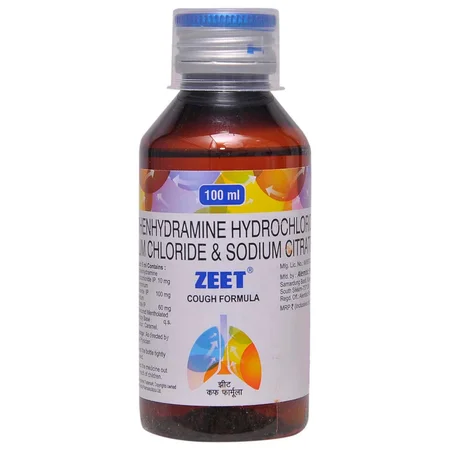
Zeet Syrup is used to provide relief from cough. Additionally, it may also help in providing relief from allergies and nasal congestion due to colds. It works by blocking the action of a chemical substance called histamine, which is responsible for causing allergic reactions. It helps remove phlegm/mucus from the airways by decreasing its stickiness. Also, it helps reduce congestion, making it easier to cough out phlegm. Thus, it provides relief from cough. Sometimes, you may experience certain common side effects such as headache, stomach upset, dizziness, tiredness, and dry mouth. Before taking this medicine, you should tell your doctor if you are allergic to any of its components or if you are pregnant/breastfeeding, and about all the medications you are taking and pre-existing medical conditions.
Read more
Written By Bayyarapu Mahesh Kumar , M Pharmacy
Reviewed By Dr Aneela Siddabathuni , MPharma., PhD
OffersOffers & Discounts

Get Free delivery (₹99) with circle icon

Join Circle
coupon
Get Extra 18% Off with Coupons
coupon
coupon
coupon
Extra 10% Off with Bank Offers

More about the Product

Manufacturer/Marketer :

Alembic Pharmaceuticals Ltd

Consume Type :

Oral

Expires on or after :

Jan-27

Return Policy :

Not Returnable

About Zeet Syrup

Zeet Syrup is used to provide relief from cough. Additionally, Zeet Syrup may also help in providing relief from allergies and nasal congestion due to colds. Coughing (dry or productive) is the body's way of clearing irritants (like allergens, mucus or smoke) from airways, thereby preventing respiratory infection.
 
Zeet Syrup combines three drugs: Diphenhydramine, Ammonium chloride, and Sodium citrate. Diphenhydramine works by blocking the action of a chemical substance called histamine, which is responsible for causing allergic reactions. Ammonium chloride helps remove phlegm/mucus from the airways by decreasing its stickiness. Sodium citrate helps reduce congestion, making it easier to cough out through the mouth. Together, Zeet Syrup provides relief from cough.
 
Take Zeet Syrup as prescribed. Depending on your medical condition, you are advised to take Zeet Syrup for as long as your doctor has prescribed it for you. Sometimes, you may experience certain common side effects such as headache, stomach upset, dizziness, tiredness, and dry mouth. Most of these side effects do not require medical attention and resolve gradually over time. However, you are advised to talk to your doctor if you experience these side effects persistently.
 
Consult your doctor before taking Zeet Syrup if you are pregnant or breastfeeding. Zeet Syrup may cause dizziness, so drive only if you are alert. Zeet Syrup should be given to children only if prescribed by the doctor. Avoid consuming alcohol with Zeet Syrup as it could lead to increased dizziness. Inform your doctor about all the prescription, non-prescription and herbal medicines you take to rule out any side effects/interactions.

Uses of Zeet Syrup

Zeet Syrup used in the treatment of Cough, Allergies. The detailed uses of Zeet Syrup are as follows:

  • Cough Relief: Zeet Syrup used to relieve cough symptoms associated with colds and allergies.
  • Expectorant Action: Zeet Syrup helps to loosen and clear mucus from the airways, making it easier to breathe.
  • Allergy Symptom Relief: Zeet Syrup helps to reduce symptoms such as sneezing, watery eyes, a runny nose, and itching.

Key Benefits

Zeet Syrup is a combination of three drugs: Diphenhydramine, Ammonium chloride and Sodium citrate. Zeet Syrup is used to relieve a cough accompanied by cold symptoms such as sore throat, runny nose, watery eyes, and sneezing. Additionally, Zeet Syrup helps in providing relief from allergies. Diphenhydramine is an antihistamine that works by blocking the action of a chemical substance called histamine, which is responsible for causing allergic reactions. Ammonium chloride is an expectorant that helps remove phlegm/mucus from the airways by decreasing its stickiness. Sodium citrate is a mucolytic agent that helps loosen the congestion, making it easier to cough out through the mouth. Together, Zeet Syrup provides relief from cough.

Side effects of Zeet Syrup 100 ml
Here are the 7 steps to manage Dizziness caused by medication:
  • Inform your doctor about dizziness symptoms. They may adjust your medication regimen or prescribe additional medications to manage symptoms.
  • Follow your doctor's instructions for taking medication, and take it at the same time every day to minimize dizziness.
  • When standing up, do so slowly and carefully to avoid sudden dizziness.
  • Avoid making sudden movements, such as turning or bending quickly, which can exacerbate dizziness.
  • Drink plenty of water throughout the day to stay hydrated and help alleviate dizziness symptoms.
  • If you're feeling dizzy, sit or lie down and rest until the dizziness passes.
  • Track when dizziness occurs and any factors that may trigger it, and share this information with your doctor to help manage symptoms.
  • Get enough sleep. Maintain a regular sleep cycle.
  • Eat a healthy diet and exercise regularly.
  • Manage stress with yoga or meditation.
  • Limit alcohol and caffeine.
  • Avoid driving or operating machinery unless you are alert.
  • If taking a prescription drug causes euphoria as a side effect. Discuss with your physician. Medication changes or dosage adjustments can be required.
  • Activities that benefit stabilize mood include breathing techniques, meditation, and moderate yoga.
  • Normal sleep habits, as rest is necessary for emotional balance.
Here are the 7 step-by-step strategies to manage the side effect of "inability to sleep" caused by medication usage:
  • Prepare for a restful night's sleep: Develop a calming pre-sleep routine, like reading or meditation, to help your body relax and prepare for sleep.
  • Create a sleep-conducive Environment: Make bedroom a sleep haven by ensuring it is quiet, dark and calm.
  • Follow a Sleep Schedule: Go to bed and get up at the same time every day to help regulate your body's internal clock and increase sleep quality.
  • Try relaxing techniques like deep breathing, mindfulness meditation and any others.
  • Limit stimulating activities before bedtime: Avoid stimulating activities before bedtime to improve sleep quality.
  • Monitor Progress: Keep track of your sleep patterns to identify areas for improvement.
  • Consult a doctor if needed: If these steps don't improve your sleep, consult a doctor for further guidance and therapy.
Here are the steps to manage medication-triggered tremors or involuntary shaking:
  • Notify your doctor immediately if you experience tremors or involuntary shaking after taking medication or adjusting your medication regimen.
  • Your doctor may adjust your medication regimen or recommend alternative techniques like relaxation, meditation, or journaling to alleviate tremor symptoms.
  • Your doctor may direct you to practice stress-reducing techniques, such as deep breathing exercises, yoga, or journaling.
  • Regular physical activity, such as walking or jogging, can help reduce anxiety and alleviate tremor symptoms.
  • Your doctor may recommend lifestyle changes, such as avoiding caffeine, getting enough sleep, and staying hydrated, to help manage tremors.
  • Maintain regular follow-up appointments with your doctor to monitor tremor symptoms and adjust treatment plans as needed.
  • Skin rash caused by allergies is due to irritants or allergens. Therefore, avoid contact with such irritants.
  • Consult your doctor for proper medication and apply an anti-itch medication. Follow the schedule and use the medication whenever needed.
  • Protect your skin from extreme heat and try to apply wet compresses.
  • Soak in the cool bath, which gives a soothing impact to the affected area.

Directions for Use

  • Zeet Syrup can be taken with or without food as advised by your doctor.
  • Follow your doctor's instructions on the dosage and timing of this medication to ensure safety.
  • Swallow Zeet Syrup as a whole with a glass of water.
  • Do not chew, crush, or break it.

How Zeet Syrup Works

Zeet Syrup combines three drugs: Diphenhydramine, Ammonium chloride, and Sodium citrate. Diphenhydramine works by blocking the action of a chemical substance called histamine, which is responsible for causing allergic reactions. Ammonium chloride helps remove phlegm/mucus from the airways by decreasing its stickiness. Sodium citrate helps reduce congestion, making it easier to cough out through the mouth. Together, Zeet Syrup provides relief from cough.
bannner image

Alcohol

Caution

Zeet Syrup is taken along with Zeet Syrup may cause excessive drowsiness and sleepiness.

bannner image

Pregnancy

Caution

Zeet Syrup should not be used when pregnancy unless clearly necessary. So, inform your doctor if you are pregnant or suspect pregnancy. Your doctor will weigh the benefits and potential risks before prescribing Zeet Syrup .

bannner image

Breast Feeding

Caution

Zeet Syrup should not be used in nursing mothers unless clearly necessary. So, inform your doctor if you are a nursing mother. Your doctor will weigh the benefits and potential risks before prescribing Zeet Syrup .

bannner image

Driving

Caution

Zeet Syrup is known to cause drowsiness and dizziness, so driving a car or operating any machinery which requires concentration should not be done.

bannner image

Liver

Caution

Dose adjustment may be needed in patients with liver impairment. Please consult your doctor if you have a liver impairment or any concerns regarding this.

bannner image

Kidney

Caution

Dose adjustment may be needed in patients with kidney impairment. Please consult your doctor if you have kidney impairment or any concerns regarding this.

bannner image

Children

Caution

Zeet Syrup should be given to children only if prescribed by the doctor.

bannner image

Heart

Caution

Zeet Syrup should be taken with caution in patients with heart problems. Please inform your doctor if you have any pre-existing heart problems.

bannner image

Geriatrics

Caution

Zeet Syrup should be given with caution in elderly patients due to an increased risk of side effects. Seek medical advice before using Zeet Syrup .

What if I have taken an overdose of Zeet Syrup

Do not take more than the prescribed dose of Zeet Syrup as it may cause overdose. If you suspect you have taken overdose, please consult a doctor immediately.

Diet & Lifestyle Advise

  • Gargle with salt water for relief from sore throat.

  • Avoid smoking and consumption of alcohol.

  • Avoid dairy products such as milk, as it may increase mucus production. Also, avoid processed or refined foods. Replace baked foods, fried foods, white bread, white pasta, french fries, sugary desserts and chips with green leafy vegetables.

  • Drink plenty of fluids to avoid a dry throat while you have a cough. It also helps loosen mucus.

  • Avoid citrus fruits as they may worsen the cough. Eat fruits rich in water content, such as pears, watermelon, peaches and pineapples.

Have a query?

How Soon It Starts Working

The time required for Zeet Syrup to start to work: The time required for Zeet Syrup to show its action is unknown. The time for which the effects of Zeet Syrup last: The duration of action for Zeet Syrup is unknown.

What if you forget to take Zeet Syrup

If you miss a dose of Zeet Syrup , take it as soon as you remember. If it is almost time for the next dose, skip the missed dose and continue with the regular dosing schedule. Do not take a double dose to make up for the missed dose.

Storage

• Store in a cool and dry place away from sunlight. • Keep out of sight and reach of children. • Non cold chain - To be stored in cool places at 10ºC to 25ºC or below 30ºC.

Drug Warnings

Do not take Zeet Syrup if you are allergic to any of its contents. Inform your doctor before taking Zeet Syrup if you have asthma, prostate problems, narrow-angle glaucoma, stomach or bowel ulcers, glucose-galactose malabsorption, sucrase-isomaltase deficiency, fructose intolerance, kidney or liver problems; if you are taking antidepressants or anti-Parkinson drugs or have taken them in the last 14days. Consult your doctor before taking Zeet Syrup if you are pregnant, planning for pregnancy or breastfeeding. Zeet Syrup may cause dizziness, so drive only if you are alert. Avoid consuming alcohol along with Zeet Syrup as it could lead to increased dizziness.

Drug-Drug Interactions

verifiedApollotooltip

Drug-Drug Interactions: Zeet Syrup may have interaction with an antidepressant (isocarboxazid, phenelzine, selegiline, tranylcypromine), anti-Parkinson agent (rasagiline).

Drug-Food Interactions: Avoid consumption of alcohol while taking Zeet Syrup as it might cause increased dizziness. 

Drug-Disease Interactions: Zeet Syrup may have interactions with asthma, prostate problems, narrow-angle glaucoma, stomach or bowel ulcers, glucose-galactose malabsorption, sucrase-isomaltase deficiency, fructose intolerance, kidney or liver problems.

Drug-Drug Interactions

Login/Sign Up

How does the drug interact with Zeet Syrup 100 ml:
The combined use of Sodium citrate, Diphenhydramine and Ammonium chloride with potassium chloride may increase the irritant effects of potassium on your stomach and upper intestine.

How to manage the interaction:
Taking Sodium citrate, Diphenhydramine and Ammonium chloride with potassium chloride together can result in an interaction, but it can be taken if a doctor has advised it. However, consult a doctor if you experience dizziness, severe headache, vomiting, or black, tarry stools. Do not discontinue any medications without consulting a doctor.
How does the drug interact with Zeet Syrup 100 ml:
The combined use of Sodium citrate, Diphenhydramine and Ammonium chloride with Thioridazine can increase the blood levels of Thioridazine.

How to manage the interaction:
Taking Sodium citrate, Diphenhydramine and Ammonium chloride with Thioridazine can result in an interaction, but it can be taken if a doctor has advised it. However, consult a doctor if you experience any symptoms such as dizziness, shortness of breath, or increased heart rate. Do not discontinue any medications without consulting a doctor.
How does the drug interact with Zeet Syrup 100 ml:
The combined use of Sodium citrate, Diphenhydramine and Ammonium chloride with Sodium oxybate can increase the risk of side effects.

How to manage the interaction:
Taking Sodium citrate, Diphenhydramine and Ammonium chloride with Sodium oxybate can result in an interaction, but it can be taken if a doctor has advised it. However, consult a doctor if you experience any abnormal symptoms. Do not discontinue any medications without consulting a doctor.
How does the drug interact with Zeet Syrup 100 ml:
Co-administration of Sodium citrate, Diphenhydramine and Ammonium chloride with Eliglustat can lead to increase in blood levels of Eliglustat.

How to manage the interaction:
Taking Sodium citrate, Diphenhydramine and Ammonium chloride with Eliglustat can lead to an interaction. However, if you experience any unusual symptoms, consult a doctor. Do not stop taking any medication without consulting a doctor.
How does the drug interact with Zeet Syrup 100 ml:
The combined use of Sodium citrate, Diphenhydramine and Ammonium chloride with potassium citrate may increase the irritant effects of potassium on the stomach and upper intestine.

How to manage the interaction:
Taking Sodium citrate, Diphenhydramine and Ammonium chloride with potassium citrate together can result in an interaction, but it can be taken if a doctor has advised it. However, consult a doctor if you experience dizziness, dark or black stools, severe headache, or vomiting. Do not discontinue any medications without consulting a doctor.
How does the drug interact with Zeet Syrup 100 ml:
Taking Tamoxifen with Sodium citrate, Diphenhydramine and Ammonium chloride can decrease the blood levels of Tamoxifen.

How to manage the interaction:
Although taking Sodium citrate, Diphenhydramine and Ammonium chloride with Tamoxifen can possibly lead to an interaction, they can be taken if prescribed by a doctor. However, if you experience any unusual symptoms contact a doctor immediately. Do not stop using any medications without first talking to a doctor.
How does the drug interact with Zeet Syrup 100 ml:
Taking Zonisamide with Sodium citrate, Diphenhydramine and Ammonium chloride increase the risk of side effects.

How to manage the interaction:
Although taking Sodium citrate, Diphenhydramine and Ammonium chloride with Zonisamide can result in an interaction, they can be taken together if prescribed by a doctor. However, consult a doctor if you notice decreased sweating, fever, dizziness. Do not discontinue using any medications without consulting a doctor.
How does the drug interact with Zeet Syrup 100 ml:
Co-administration of Aluminium hydroxide with Sodium citrate, Diphenhydramine and Ammonium chloride may increase the blood levels of Sodium citrate, Diphenhydramine and Ammonium chloride.

How to manage the interaction:
Although there is a possible interaction between Sodium citrate, Diphenhydramine and Ammonium chloride with Aluminium hydroxide, you can take these medicines together if prescribed by a doctor. However, if you experience abnormal symptoms consult a doctor. Do not discontinue any medications without consulting a doctor.
How does the drug interact with Zeet Syrup 100 ml:
Taking Topiramate with Sodium citrate, Diphenhydramine and Ammonium chloride increase the risk of side effects.

How to manage the interaction:
Although taking Sodium citrate, Diphenhydramine and Ammonium chloride with Topiramate can result in an interaction, they can be taken together if prescribed by a doctor. However, consult a doctor if you notice decreased sweating, fever, dizziness. Do not discontinue using any medications without consulting a doctor.
How does the drug interact with Zeet Syrup 100 ml:
The combined use of Sodium citrate, Diphenhydramine and Ammonium chloride with ketamine can increase the risk of side effects.

How to manage the interaction:
Taking Sodium citrate, Diphenhydramine and Ammonium chloride with ketamine together can result in an interaction, but it can be taken if a doctor has advised it. However, consult a doctor if you experience any symptoms such as drowsiness, difficulty in concentrating or judgement. Do not discontinue any medications without consulting a doctor.

Drug-Food Interactions

verifiedApollotooltip
No Drug - Food interactions found in our database. Some may be unknown. Consult your doctor for what to avoid during medication.

Drug-Food Interactions

Login/Sign Up

All Substitutes & Brand Comparisons

Habit Forming

No

Therapeutic Class

[ANTIHISTAMINE AND ANTITUSSIVE ANTIHISTAMINES]

FAQs

Zeet Syrup belongs to a group of medicines called expectorants and cough products used to relieve cough. Also, Zeet Syrup may help reduce allergies and nasal congestion due to colds.

Zeet Syrup is a combination drug containing three medicines: Diphenhydramine, Ammonium Chloride and Sodium Citrate. Diphenhydramine blocks a natural substance (histamine) during an allergic reaction. Ammonium chloride decreases mucus stickiness, and sodium citrate being mucolytic, loosens the mucus and makes it easier to cough out. Together it helps relieve allergy symptoms like sneezing, running nose, watery eyes, itching, swelling, congestion, or stiffness.

You should not take Zeet Syrup if you have asthma, as it might worsen your condition and lead to breathing problems.

Do not take Zeet Syrup if you have breathing problems like asthma, chronic bronchitis, vision problems like glaucoma or difficulty in peeing due to an enlarged prostate gland. Besides this, if you are taking alcohol, peptic ulcer, sleeping pills, or antianxiety pills, immediately stop taking Zeet Syrup as it might induce drowsiness and dizziness.

Zeet Syrup is known to cause drowsiness and sleepiness, so it is recommended not to drive a car or operate any machinery which requires concentration. Also, do not consume alcohol as it might increase drowsiness.

The most common side effects of Zeet Syrup are sleepiness, impaired coordination, stomach pain, dizziness, and thickened respiratory tract secretions. These side effects usually go away during the treatment.

Dry mouth could be a side-effect of Zeet Syrup . Limiting caffeine intake, avoiding smoking, drinking water regularly and chewing sugar-free gum/candy might stimulate saliva and prevent drying of the mouth.

Zeet Syrup should not be used in breastfeeding mothers unless clearly necessary. So, inform your doctor if you are breastfeeding. Your doctor will weigh the benefits and potential risks before prescribing Zeet Syrup .

Store Zeet Syrup in a cool and dry place at a temperature not exceeding 25°C, away from sunlight and moisture. Keep out of reach of children.

The key active components present in Zeet Syrup are Diphenhydramine, Ammonium Chloride, and Sodium Citrate.

Disclaimer

While we strive to provide complete, accurate, and expert-reviewed content on our 'Platform', we make no warranties or representations and disclaim all responsibility and liability for the completeness, accuracy, or reliability of the aforementioned content. The content on our platform is for informative purposes only, and may not cover all clinical/non-clinical aspects. Reliance on any information and subsequent action or inaction is solely at the user's risk, and we do not assume any responsibility for the same. The content on the Platform should not be considered or used as a substitute for professional and qualified medical advice. Please consult your doctor for any query pertaining to medicines, tests and/or diseases, as we support, and do not replace the doctor-patient relationship.

Country of origin

India

Manufacturer/Marketer address

Alembic Road, Vadodara - 390 003, Gujarat,INDIA
Other Info - ZEE0006
whatsapp Floating Button
Buy Now
Add to Cart