0
Welcome User
Login/Sign Up

Login/Sign Up

₹80
(Inclusive of all Taxes)
Get Free delivery (₹99) with
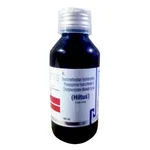
Hiltus Syrup is used to treat asthma and chronic obstructive pulmonary disease (COPD). Asthma is a breathing disorder in which the airways narrow, swell, and produce extra mucus, leading to difficulty breathing. COPD is a group of lung diseases with emphysema (shortness of breath) and chronic bronchitis (inflammation of the lining of your bronchial tubes).
Hiltus Syrup contains Salbutamol, which relaxes the muscles in the airways and increases airflow to the lungs. Hiltus Syrup makes breathing easier by widening the airways.
The common side effects of Hiltus Syrup include nausea, vomiting, restlessness, tremor (shakiness), headache, muscle tightness, dryness or soreness of the throat, dizziness, sleepiness, cough, and increased heart rate. Most of these side effects do not require medical attention and gradually resolve over time. However, if the side effects persist, please seek medical attention.
Brief your medical history if you have any heart, liver or kidney diseases, hyperthyroidism (overactive thyroid), stomach ulcer, seizure (fits), high blood pressure and diabetes before taking Hiltus Syrup . Please check with your doctor if you are pregnant, currently breastfeeding, or taking any other prescribed or non-prescribed medicines.
Hiltus Syrup is used in the treatment of chronic obstructive pulmonary disease (COPD) and asthma. The detailed uses of Hiltus Syrup are as follows:
Unsafe
You are recommended not to consume alcohol along with Hiltus Syrup to avoid unpleasant side-effects like drowsiness, dizziness, or sleepiness. It may also lead to a life-threatening condition like coma if taken with excessive alcohol.
Consult your doctor
Please consult the doctor if you are planning to become pregnant or already pregnant before starting Hiltus Syrup .
Consult your doctor
There is limited data on how Hiltus Syrup affects breastfeeding. Please consult your doctor before starting Hiltus Syrup .
Unsafe
Hiltus Syrup usually causes dizziness, drowsiness, muscle cramps and visual disturbances which may affect their ability to drive or operate machinery. So, do not drive or operate heavy machinery if you feel sleepy or dizzy after taking Hiltus Syrup . Tell your doctor if you get these types of side effects.
Caution
Hiltus Syrup should be used with caution in patients with liver diseases. Let your doctor know if you have any history of liver diseases or hepatic impairment.
Caution
Hiltus Syrup should be used with caution in patients with kidney diseases. Let your doctor know if you have any history of kidney diseases
Caution
Hiltus Syrup is not recommended for children under 2 years of age. However, it can be given to children 2-12 years of age only if the doctor has prescribed it.
Caution
Please inform your doctor if you have heart problems, as it may increase heart rate or cause rhythm disturbances. Medical guidance is essential before use.
Caution
Geriatric patients can take Hiltus Syrup , but it should be started at a lower dose under medical supervision. Older adults may be more sensitive to side effects like tremors, palpitations, or dizziness.
Have a query?
Drug-Drug Interaction: Hiltus Syrup may interact with non-selective beta-blocking drugs (propranolol), antidepressants (clomipramine), anti-hypertensive drugs (guanethidine and methyldopa), anti-anxiety drugs (diazepam, lorazepam), blood clot drugs (ticlopidine), gout drugs (allopurinol), heart rhythm drugs (verapamil), hormone problems/birth control drugs (oestrogen, progesterone), immune disorder drugs, anti-seizure drugs (phenobarbital, phenytoin), and stomach acid-reducing drugs (cimetidine).
Drug-Food Interaction: Limit alcohol intake since it may worsen the side effects like sleepiness and shakiness.
Drug-Disease Interaction: Caution and doctor's advice is recommended in conditions like gastric or peptic ulcer, sepsis, hypokalaemia (low potassium in the blood), lactic acidosis (excess acid in the bloodstream), liver/kidney diseases (especially cirrhosis or hepatitis), fluid in the lungs, heart problems, overactive thyroid, and seizures (fits).
Login/Sign Up
Login/Sign Up
GlaxoSmithKline Pharmaceuticals Ltd
₹15.85
(₹0.16/ 1ml)
Zydus Healthcare Ltd
₹16.15
(₹0.16/ 1ml)
Seagull Pharmaceutical Pvt Ltd
₹16.8
(₹0.17/ 1ml)
Hiltus Syrup is used to treat asthma and chronic obstructive pulmonary disease (COPD). It helps relieve symptoms such as coughing, wheezing, and shortness of breath.
Hiltus Syrup works by relaxing the muscles in the airways and increasing airflow to the lungs.
Bronchodilators like salbutamol can raise blood glucose levels. If you have diabetes, monitor your blood glucose levels and inform your doctor so that the dose can be adjusted accordingly. Your diabetologist may adjust your insulin dose or prescribe alternate diabetic medication based on your condition.
Hiltus Syrup can cause hypokalaemia in some patients, leading to cardiovascular effects. Please consult your doctor before taking Hiltus Syrup if you are a hypokalaemia patient or more susceptible to it.
The side effects of Hiltus Syrup include dizziness, nausea, vomiting, headache, sleepiness, dryness or soreness of the throat. If these side effects persist or worsen, please consult your doctor.
You may experience the effect of Hiltus Syrup within 15 minutes and last for 14 hours.
No, do not mix Hiltus Syrup with milk.
Hiltus Syrup contains salbutamol, a bronchodilator that widens the airways and makes it easier to breathe. It might not be helpful in reducing cough. Please consult a doctor so that appropriate medication is prescribed for cough.
Hiltus Syrup should be taken exactly as advised by the doctor. Depending on the underlying condition and how you respond to the medicine, your doctor will prescribe the appropriate dose and frequency. Do not self-medicate.
No, Hiltus Syrup is not a steroid. It contains salbutamol which belongs to the class of drugs called bronchodilators.
No, Hiltus Syrup is not effective for dry cough.
Hiltus Syrup should be taken as long as it is advised by your doctor. Take it in the exact dose and duration as recommended.
No, Hiltus Syrup is not an antibiotic.
If you take higher than the recommended dose of Hiltus Syrup , it may cause chest pain, seizures (fits), nervousness, dry mouth, headache, dizziness, nausea, and lack of energy. High doses of Hiltus Syrup may also cause irregular, fast, or pounding heartbeat, difficulty falling asleep or staying asleep and uncontrollable shaking of any part of the body. If you experience any of these symptoms, seek medical help immediately.
Yes, Hiltus Syrup is considered safe, but its use depends on how serious your heart problem is. If you experience chest pain or any other symptom of worsening heart disease while taking Hiltus Syrup , consult your doctor immediately.
Hiltus Syrup may cause increase blood sugar levels. Therefore, your doctor may change your dose of insulin or antidiabetic medicines. Make sure you monitor your blood sugar levels regularly and do not miss any appointments. If you experience a sudden increase in blood sugar levels, consult your doctor.
Yes, it may be due to Hiltus Syrup . One common side effect of Hiltus Syrup is feeling shaky which goes away after some time. For headaches, drink plenty of water, get enough rest and avoid alcohol. Typically headaches disappear after a week. Contact your doctor if they persist for a long time.
Use Hiltus Syrup as advised by the doctor or as needed. Hiltus Syrup relieves asthma symptoms such as coughing, tightness in the chest and shortness of breath. When you know as asthma attack is likely to occur, you can take it to prevent it (e.g., after strenuous exercise or unavoidable exposure to allergen).
No, do not smoke while taking Hiltus Syrup as smoking irritates the lungs. If you are finding it difficult to avoid smoking, take your doctor’s advice.
Hiltus Syrup is used to manage symptoms of asthma and chronic obstructive pulmonary disease (COPD), such as wheezing, coughing, and shortness of breath.
Please consult a doctor if you are pregnant or planning to become pregnant before using Hiltus Syrup .
Yes, Hiltus Syrup can be used long-term to manage symptoms of asthma and COPD, but only under your doctor's advice.
No, do not stop using Hiltus Syrup abruptly without consulting your doctor as it may worsen your condition or cause recurring symptoms.
Disclaimer