
0
Welcome User
Login/Sign Up

Login/Sign Up
₹801.5
(Inclusive of all Taxes)
₹592 with coupons & bank offers*
Get Free delivery (₹99) with
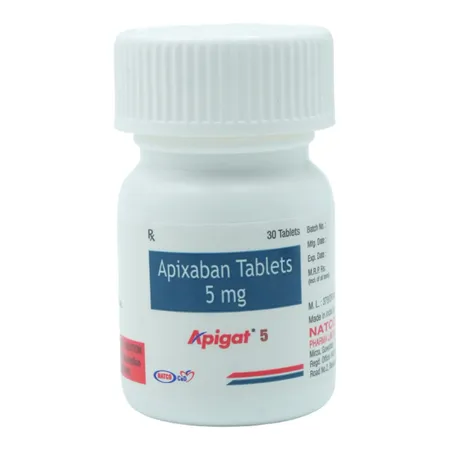
அபிகேட் 5 டேப்லெட் 30'ஸ் ஆனது டீப் வெயின் த்ரோம்போசிஸ் (கால் நரம்புகளில் இரத்தக் கட்டிகள்) மற்றும் பல்மனரி எம்போலிசம் (நுரையீரலில் இரத்தக் கட்டிகள்) ஆகியவற்றைத் தடுக்கவும் சிகிச்சையளிக்கவும் பயன்படுத்தப்படுகிறது. டீப் வெயின் த்ரோம்போசிஸ் என்பது பொதுவாக கால்களில் உள்ள ஆழமான நரம்புகளில் இரத்தக் கட்டிகள் உருவாகும் ஒரு நிலை. பல்மனரி எம்போலிசம் என்பது நுரையீரலில் உள்ள தமனிகளை இரத்தக் கட்டி அடைக்கும் ஒரு நிலை.
அபிகேட் 5 டேப்லெட் 30'ஸ் ஆனது Apixaban ஐக் கொண்டுள்ளது, இது இரத்த உறைதல் காரணி (Xa) இன் செயல்பாட்டைத் தடுப்பதன் மூலம் செயல்படுகிறது, இது இரத்த உறைதலின் ஒரு முக்கிய அங்கமாகும்.
அபிகேட் 5 டேப்லெட் 30'ஸ் எடுத்துக்கொள்ளும் அனைவருக்கும் இந்த பக்க விளைவுகள் ஏற்படாது. சிலருக்கு குமட்டல், இரத்த சோகை, அசாதாரண இரத்தப்போக்கு, வீக்கம் மற்றும் சிராய்ப்பு ஏற்படலாம். இந்த பக்க விளைவுகளில் பெரும்பாலானவை மருத்துவ கவனிப்பு தேவையில்லை மற்றும் காலப்போக்கில் படிப்படியாக குணமாகும். இருப்பினும், பக்க விளைவுகள் தொடர்ந்தால் அல்லது மோசமடைந்தால், தயவுசெய்து உங்கள் மருத்துவரை அணுகவும்.
உங்கள் மருத்துவரின் அறிவுறுத்தலின்படி, இந்த மருந்தை உணவுடன் அல்லது உணவு இல்லாமல் வாய்வழியாக எடுத்துக் கொள்ளுங்கள். மருந்தின் அளவு உங்கள் மருத்துவ நிலை மற்றும் சிகிச்சைக்கு நீங்கள் எவ்வாறு பதிலளிக்கிறீர்கள் என்பதைப் பொறுத்தது. நீங்கள் நினைவில் வைத்துக்கொள்ள, ஒவ்வொரு நாளும் ஒரே நேரத்தில் எடுத்துக் கொள்ளுங்கள்.
உங்களுக்கு அபிகேட் 5 டேப்லெட் 30'ஸ் அல்லது வேறு ஏதேனும் மருந்துகளுக்கு ஒவ்வாமை இருப்பதாகத் தெரிந்தால், தயவுசெய்து உங்கள் மருத்துவரிடம் தெரிவிக்கவும். உங்களுக்கு வயிற்றுப் புண், மூளையில் சமீபத்திய இரத்தப்போக்கு, சிறுநீரகம் அல்லது கல்லீரல் பிரச்சனைகள், உயர் இரத்த அழுத்தம் அல்லது இரத்தப்போக்கு பிரச்சனைகள் இருந்தால் உங்கள் மருத்துவரிடம் தெரிவிக்கவும். நீங்கள் கர்ப்பமாக இருந்தால் அல்லது பாலூட்டும் தாயாக இருந்தால், அபிகேட் 5 டேப்லெட் 30'ஸ் எடுத்துக்கொள்வதற்கு முன் மருத்துவரை அணுகுமாறு அறிவுறுத்தப்படுகிறது.
வால்வுகள் இல்லாத ஏட்ரியல் ஃபைப்ரிலேஷன் உள்ள நோயாளிகளுக்கு பக்கவாதம் மற்றும் சிஸ்டமிக் எம்போலிசம் ஏற்படும் அபாயத்தைக் குறைக்க அபிகேட் 5 டேப்லெட் 30'ஸ் பயன்படுத்தப்படுகிறது. அபிகேட் 5 டேப்லெட் 30'ஸ் இன் விரிவான பயன்பாடுகள் பின்வருமாறு:
பாதுகாப்பற்றது
ஒரு வாரத்திற்கு 14 யூனிட்டுகளுக்கு மேல் உட்கொள்ள வேண்டாம் என்று உங்களுக்குப் பரிந்துரைக்கப்படுகிறது, ஏனெனில் இதை மீறினால் இரத்தப்போக்கு ஏற்படும் அபாயம் அதிகரிக்கலாம்.
உங்கள் டாக்டரை அணுகவும்
அபிகேட் 5 டேப்லெட் 30'ஸ் என்பது கர்ப்பிணிப் பெண்களுக்கான வகை B மருந்து. மருத்துவர் இதன் நன்மைகள் அபாயங்களை விட அதிகம் என்று கருதினால் மட்டுமே கர்ப்பிணிப் பெண்களுக்கு இது வழங்கப்படும்.
பாதுகாப்பற்றது
நீங்கள் `அபிகேட் 5 டேப்லெட் 30'ஸ்` மருந்தை எடுத்துக்கொள்ளும் போது, தாய்ப்பால் கொடுப்பதைத் தவிர்க்க வேண்டும் அம்மா. ஏனெனில் இந்த மருந்து தாய்ப்பாலில் கலந்து குழந்தைக்குப் பக்கவிளைவுகளை ஏற்படுத்தக்கூடும்.
மருத்துவர் பரிந்துரைத்தால் பாதுகாப்பானது
அபிகேட் 5 டேப்லெட் 30'ஸ் பொதுவாக, உங்கள் வாகனம் ஓட்டும் திறனையோ அல்லது இயந்திரங்களை இயக்கும் திறனையோ பாதிக்காது.
கவனம்
அபிகேட் 5 டேப்லெட் 30'ஸ் ஐ கவனமாக எடுத்துக் கொள்ள வேண்டும், குறிப்பாக உங்களுக்கு கல்லீரல் நோய் இருந்த வரலாறு இருந்தால். உங்கள் மருத்துவர் தேவைக்கேற்ப மருந்தின் அளவை சரிசெய்யலாம்.
கவனம்
அபிகேட் 5 டேப்லெட் 30'ஸ்ஐ கவனமாக எடுத்துக்கொள்ளவும், குறிப்பாக உங்களுக்கு சிறுநீரக நோய் வரலாறு இருந்தால். தேவைக்கேற்ப உங்கள் டாக்டர் மருந்தளவை மாற்றியமைக்கலாம்.
பாதுகாப்பற்றது
அபிகேட் 5 டேப்லெட் 30'ஸ் 18 வயதுக்குட்பட்ட குழந்தைகளுக்குப் பரிந்துரைக்கப்படுவதில்லை, ஏனெனில் அதன் பாதுகாப்பு மற்றும் செயல்திறன் குறிப்பிடப்படவில்லை.
கவனம்
அபிகேட் 5 டேப்லெட் 30'ஸ் இதய நோயாளிகளுக்கு, மருத்துவரால் பரிந்துரைக்கப்பட்டால், மாரடைப்பு மற்றும் பக்கவாதம் ஏற்படும் அபாயத்தைக் குறைக்கப் பயன்படுத்தலாம். உங்களுக்கு ஏதேனும் கவலைகள் இருந்தால், உங்கள் மருத்துவரை அணுகவும்.
உங்கள் டாக்டரை அணுகவும்
அபிகேட் 5 டேப்லெட் 30'ஸ் வயதான நோயாளிகளுக்கு மருத்துவரால் பரிந்துரைக்கப்பட்டால் மட்டுமே பயன்படுத்தப்பட வேண்டும்.
Have a query?
அபிகேட் 5 டேப்லெட் 30'ஸ் வேலை செய்யத் தொடங்கும் நேரம்: அபிகேட் 5 டேப்லெட் 30'ஸ் மருந்தை எடுத்துக்கொண்ட 3 முதல் 4 மணி நேரத்திற்குள் அதன் செயல்பாட்டைக் காட்டுகிறது. அபிகேட் 5 டேப்லெட் 30'ஸ் விளைவுகள் நீடிக்கும் நேரம்: அபிகேட் 5 டேப்லெட் 30'ஸ் விளைவு 24 மணி நேரம் நீடிக்கும்.
Inform your doctor if you are taking any of the following medicines, as they may interact with Apigat 5 Tablet :
Login/Sign Up
Login/Sign Up
Disclaimer
Recommended for a 30-day course: 2 Bottles


