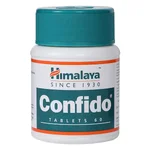
Extralast 30 mg Tablet is used to treat premature ejaculation. It contains Dapoxetine, which increases the time it takes to ejaculate and improves control over ejaculation. In some cases, this medicine may cause side effects such as dizziness, headache, nausea, diarrhoea, dry mouth, and indigestion.
Here are the precise steps to cope with diarrhoea caused by medication usage:
Inform Your Doctor: Notify your doctor immediately about your diarrhoea symptoms. This allows them to adjust your medication or provide guidance on managing side effects.
Stay Hydrated: Drink plenty of fluids to replace lost water and electrolytes. Choose water, clear broth, and electrolyte-rich drinks. Avoid carbonated or caffeinated beverages to effectively rehydrate your body.
Follow a Bland Diet: Eat easy-to-digest foods to help firm up your stool and settle your stomach. Try incorporating bananas, rice, applesauce, toast, plain crackers, and boiled vegetables into your diet.
Avoid Trigger Foods: Steer clear of foods that can worsen diarrhoea, such as spicy, fatty, or greasy foods, high-fibre foods, and dairy products (especially if you're lactose intolerant).
Practice Good Hygiene: Maintain good hygiene to prevent the spread of infection. To stay healthy, wash your hands frequently, clean and disinfect surfaces regularly, and avoid exchanging personal belongings with others.
Take Anti-Diarrheal Medications: If your doctor advises, anti-diarrheal medications such as loperamide might help manage diarrhoea symptoms. Always follow your doctor's directions.
Keep track of your diarrhoea symptoms. If they don't get better or worse or are accompanied by severe stomach pain, blood, or dehydration signs (like extreme thirst or dark urine), seek medical help.
Overcome Medication-Induced Nausea: A 9-Step Plan
Inform your doctor about the nausea and discuss possible alternatives to the medication or adjustments to the dosage.
Divide your daily food intake into smaller, more frequent meals to reduce nausea.
Opt for bland, easily digestible foods like crackers, toast, plain rice, bananas, and applesauce.
Avoid certain foods that can trigger nausea, such as fatty, greasy, spicy, and smelly foods.
Drink plenty of fluids, such as water, clear broth, or electrolyte-rich beverages like coconut water or sports drinks.
Use ginger (tea, ale, or candies) to help relieve nausea.
Get adequate rest and also avoid strenuous activities that can worsen nausea.
Talk to your doctor about taking anti-nausea medication if your nausea is severe.
Record when your nausea occurs, what triggers it, and what provides relief to help you identify patterns and manage your symptoms more effectively.
Dealing with Medication-Induced Headache:
Hydrate your body: Drink enough water to prevent dehydration and headaches.
Calm Your Mind: Deep breathing and meditation can help you relax and relieve stress.
Rest and Recharge: Sleep for 7-8 hours to reduce headache triggers.
Take rest: lie down in a quiet, dark environment.
Cold or warm compresses can help reduce tension.
Stay Upright: Maintain good posture to keep symptoms from getting worse.
To treat headaches naturally, try acupuncture or massage therapy.
Over-the-counter pain relievers include acetaminophen and ibuprofen.
Prescription Assistance: Speak with your doctor about more substantial drug alternatives.
Severe Headaches: Seek emergency medical assistance for sudden, severe headaches.
Frequent Headaches: If you get reoccurring headaches, consult your doctor.
Headaches with Symptoms: Seek medical attention if your headaches include fever, disorientation, or weakness.
Here are the 7 steps to manage Dizziness caused by medication:
Inform your doctor about dizziness symptoms. They may adjust your medication regimen or prescribe additional medications to manage symptoms.
Follow your doctor's instructions for taking medication, and take it at the same time every day to minimize dizziness.
When standing up, do so slowly and carefully to avoid sudden dizziness.
Avoid making sudden movements, such as turning or bending quickly, which can exacerbate dizziness.
Drink plenty of water throughout the day to stay hydrated and help alleviate dizziness symptoms.
If you're feeling dizzy, sit or lie down and rest until the dizziness passes.
Track when dizziness occurs and any factors that may trigger it, and share this information with your doctor to help manage symptoms.
Here are the 7 step-by-step strategies to manage the side effect of "inability to sleep" caused by medication usage:
Prepare for a restful night's sleep: Develop a calming pre-sleep routine, like reading or meditation, to help your body relax and prepare for sleep.
Create a sleep-conducive Environment: Make bedroom a sleep haven by ensuring it is quiet, dark and calm.
Follow a Sleep Schedule: Go to bed and get up at the same time every day to help regulate your body's internal clock and increase sleep quality.
Try relaxing techniques like deep breathing, mindfulness meditation and any others.
Limit stimulating activities before bedtime: Avoid stimulating activities before bedtime to improve sleep quality.
Monitor Progress: Keep track of your sleep patterns to identify areas for improvement.
Consult a doctor if needed: If these steps don't improve your sleep, consult a doctor for further guidance and therapy.
Avoid driving or operating machinery or activities that require high focus until you know how the medication affects you.
Maintain a fixed sleeping schedule, create a relaxing bedtime routine and ensure your sleeping space is comfortable to maximize your sleep quality.
Limit alcohol and caffeine as these may worsen drowsiness and disturb sleep patterns.
Drink plenty of water as it helps with alertness and keeps you hydrated and for overall well-being.
Moderate physical activity can improve energy levels, but avoid intense workouts right before bedtime.
Rest well; get enough sleep.
Eat a balanced diet and drink enough water.
Manage stress with yoga and meditation.
Limit alcohol and caffeine.
Physical activities like walking or jogging might help boost energy and make you feel less tired.
Health Queries
Which tablet should I take to prolong sexual intercourse?
Veda Maddala
M Pharmacy
Wanting to last longer during sex is a very common concern, and in many cases, it is linked to performance anxiety, stress, excitement, or increased sensitivity rather than a serious physical problem. There are tablets that doctors sometimes use to help delay ejaculation, and some men also benefit from local sprays or behavioural techniques, but the best option depends on how often the issue happens and whether there are other problems like erection difficulty, anxiety, or poor sleep. Some medicines can improve control for a few hours, but taking them without proper guidance may cause unwanted effects such as dizziness, nausea, headache, or changes in sexual sensation. Along with medical treatment, methods like the start?stop technique, pelvic floor exercises, slower stimulation, and reducing stress often help improve timing naturally over time. Alcohol, smoking, and lack of sleep can also worsen control in some people. If the problem has been persistent and is affecting confidence or relationships, it is better to speak with a doctor or sexual health specialist so the cause can be understood properly and treatment can be chosen safely, instead of trying random tablets on your own.
I am having a problem with premature ejaculation during intercourse. What treatments or methods may help improve control and sexual performance?
Vikas Singh
M Pharmacy
Premature ejaculation can happen because of anxiety, stress, increased sensitivity, poor confidence, long gaps between intercourse, erection concerns, or sometimes underlying health conditions. Many men experience reduced control during intercourse at some point, and stress about performance can further worsen the problem over time. Improvement usually involves both physical and mental approaches. Behavioural methods such as the stop-start technique, pause-squeeze method, slower stimulation, and pelvic floor exercises may help improve control gradually. Some people also benefit from medicines, delay sprays, or condoms designed to reduce sensitivity. Regular exercise, proper sleep, stress reduction, and open communication with the partner may also improve confidence and sexual performance. Avoid using strong numbing products repeatedly without guidance because excessive numbness can reduce pleasure and sometimes affect erections. Loss of erection, severe anxiety, reduced sexual desire, or persistent difficulty despite trying supportive methods may require a proper sexual health evaluation and treatment planning.
I have been having nightfall regularly for the past few days, and I also feel pain in my penis after it happens. What could be the reason, and how can I manage it?
Vikas Singh
M Pharmacy
Frequent nightfall with pain can be due to irritation, infection, stress, or increased sensitivity affecting the area. Maintain good hygiene, stay hydrated, avoid tight clothing, and reduce stress to help control the problem. Try to keep a regular routine, avoid excessive stimulation, and notice if pain or frequency is increasing. If it continues or pain persists, consult a doctor to determine the cause and guide proper treatment.
I have reduced sexual sensation, difficulty with ejaculation, and feel unable to satisfy my partner. I have a history of high blood pressure and take medications like Eritel 80, Metocard XL 50, and Depran. Earlier, my sexual function was normal. What could be the cause, and what treatment options are available?
G.santoshini Reddy
M Pharmacy (Pharmaceutics)
Reduced sexual sensation and difficulty with ejaculation in your case are most likely due to a combination of medications and underlying health conditions. Drugs like Metocard XL (a beta-blocker) and Depran (an antidepressant) are known to cause sexual side effects such as reduced desire, delayed ejaculation, or decreased pleasure. High blood pressure itself can also affect blood flow and nerve function, which plays an important role in sexual performance. The best approach is to consult your doctor before making any changes. They may adjust the dose, switch to alternative medicines with fewer sexual side effects, or suggest treatments specifically for sexual dysfunction if needed. Lifestyle measures like regular exercise, stress reduction, good sleep, and avoiding alcohol or smoking can also improve sexual health. Open communication with your partner is equally important. In most cases, once the cause is addressed, sexual function improves gradually.
I am taking an antidepressant, and because of it, I am having delayed ejaculation, though my erection is normal. What can I do or take to manage this problem?
Vikas Singh
M Pharmacy
Delayed ejaculation with antidepressants is a common side effect and does not mean there is a serious problem. Do not stop or change the medicine on your own, as it can affect your mental health. Sometimes adjusting the dose or changing to another medicine can help improve this issue. It is best to discuss this with your doctor so they can modify treatment safely while maintaining your mental health stability.
Have a query?
Drug-Drug Interactions
Drug-Drug Interactions: Extralast 30 mg Tablet may interact with certain medicines, potentially increasing side effects. Inform your doctor if you are taking any of the following:
Drugs used for schizophrenia and other psychotic disorders(thioridazine) • Potential effect: May cause serious heart rhythm issues such as QT prolongation.
Anti-psychotics (lithium) • Potential effect: May increase the risk of serotonin syndrome (a serious reaction caused by excess serotonin in the body).
Antibiotics (linezolid) • Potential effect: May increase the serum concentration of dapoxetine and the risk of serotonin syndrome.
Amino acids (tryptophan) • Potential effect: May increase the risk of serotonin syndrome.
Painkillers (aspirin) • Potential effect: May increase the risk of bleeding.
Anti-HIV drugs (ritonavir, saquinavir) • Potential effect: May increase the serum concentration of dapoxetine and the risk of side effects.
Antifungals (ketoconazole, itraconazole) • Potential effect: May increase the serum concentration of dapoxetine and the risk of side effects.
Antidepressants (nefazodone) • Potential effect: May increase the risk of serotonin syndrome.
Blood thinners (warfarin) • Potential effect: May increase the risk of bleeding.
Drugs used for hypertension (diltiazem, verapamil) • Potential effect: May increase the serum concentration of dapoxetine and the risk of low blood pressure or fainting.
Antiemetics (aprepitant) • Potential effect: May increase the serum concentration of dapoxetine and the risk of side effects.
Drug-Food Interactions:
Do not take St. John’s wort (an herbal supplement used to treat depression) while taking Extralast 30 mg Tablet.
Avoid consuming grapefruit juice within 24 hours of taking Extralast 30 mg Tablet, as it could lead to an increase in the level of Extralast 30 mg Tablet in the body.
Drug-Disease Interactions:
Extralast 30 mg Tablet should be used with caution in people with:
A history of dizziness due to low blood pressure
Mental health conditions such as depression, mania, bipolar disorder, or schizophrenia
Epilepsy (seizures/fits)
Bleeding or blood-clotting problems
Glaucoma (increased eye pressure)
Heart, liver, or kidney problems.
No Drug - Drug interactions found in our data. We may lack specific data on this medicine and are actively working to update our database. Consult your doctor for personalized advice
Drug-Drug Interactions
Login/Sign Up
Drug-Food Interactions
No Drug - Food interactions found in our database. Some may be unknown. Consult your doctor for what to avoid during medication.
While we strive to provide complete, accurate, and expert-reviewed content on our 'Platform', we make no warranties or representations and disclaim all responsibility and liability for the completeness, accuracy, or reliability of the aforementioned content. The content on our platform is for informative purposes only, and may not cover all clinical/non-clinical aspects. Reliance on any information and subsequent action or inaction is solely at the user's risk, and we do not assume any responsibility for the same. The content on the Platform should not be considered or used as a substitute for professional and qualified medical advice. Please consult your doctor for any query pertaining to medicines, tests and/or diseases, as we support, and do not replace the doctor-patient relationship.