
0
Welcome User
Login/Sign Up

Login/Sign Up
₹51.5
(Inclusive of all Taxes)
₹38 with coupons & bank offers*
Get Free delivery (₹99) with
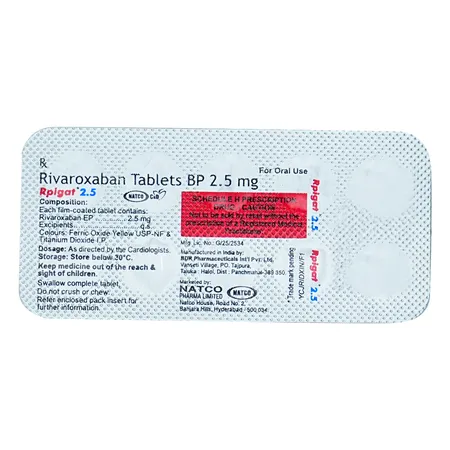
ஆர்பிகேட் 25 மி.கி. டேப்லெட் 10 மாத்திரைகள் முக்கியமாக கால்களில் (டீப் வெயின் த்ரோம்போசிஸ் அல்லது DVT என்று அழைக்கப்படுகிறது) மற்றும் நுரையீரலில் (பல்மனரி எம்போலிசம் அல்லது PE என்று அழைக்கப்படுகிறது) இரத்தக் கட்டிகள் உருவாவதைத் தடுக்கவும் சிகிச்சையளிக்கவும் பயன்படுத்தப்படுகிறது. டீப் வெயின் த்ரோம்போசிஸ் என்பது ஆழமான நரம்புகளில், பொதுவாக கால்களில் இரத்தக் கட்டிகள் உருவாகும் ஒரு மருத்துவ நிலை. பல்மனரி எம்போலிசம் என்பது நுரையீரலில் உள்ள தமனிகளை இரத்தக் கட்டி அடைக்கும் ஒரு நிலை.
ஆர்பிகேட் 25 மி.கி. டேப்லெட் 10 மாத்திரைகள் இரத்தக் கட்டிகளைத் தடுக்கவும் சிகிச்சையளிக்கவும் பயன்படுத்தப்படுகிறது. ஆர்பிகேட் 25 மி.கி. டேப்லெட் 10 மாத்திரைகள் இன் விரிவான பயன்கள் கீழே கொடுக்கப்பட்டுள்ளன:
பாதுகாப்பற்றது
நீங்கள் ஆர்பிகேட் 25 மி.கி. டேப்லெட் 10 மாத்திரைகள் உடன் மது அருந்துவதைத் தவிர்க்க வேண்டும், ஏனெனில் இது இரத்தப்போக்கு ஏற்படும் அபாயத்தை அதிகரிக்கக்கூடும்.
உங்கள் டாக்டரை அணுகவும்
ஆர்பிகேட் 25 மி.கி. டேப்லெட் 10 மாத்திரைகள் பயன்படுத்துவதற்கு முன் உங்கள் டாக்டரிடம் தெரிவிக்கவும், ஏனெனில் இது சில பக்க விளைவுகளை ஏற்படுத்தலாம். எனவே, ஒரு டாக்டர் பரிந்துரைத்தால் மட்டுமே இந்த மருந்தை பயன்படுத்த வேண்டும்.
உங்கள் டாக்டரை அணுகவும்
ஆர்பிகேட் 25 மி.கி. டேப்லெட் 10 மாத்திரைகள் தாய்ப்பாலில் கலக்கக்கூடும். எனவே, உங்கள் மருத்துவரை அணுகி ஆலோசனை பெறுங்கள்.
மருத்துவர் பரிந்துரைத்தால் பாதுகாப்பானது
ஆர்பிகேட் 25 மி.கி. டேப்லெட் 10 மாத்திரைகள் பொதுவாக, உங்கள் வாகனம் ஓட்டும் திறனையோ அல்லது இயந்திரங்களை இயக்கும் திறனையோ பாதிக்காது.
கவனம்
ஆர்பிகேட் 25 மி.கி. டேப்லெட் 10 மாத்திரைகள் மருந்தை நீங்கள் கவனமாக எடுத்துக்கொள்ள வேண்டும். குறிப்பாக உங்களுக்கு கல்லீரல் சம்பந்தப்பட்ட நோய்கள் அல்லது பிரச்சனைகள் முன்பு இருந்திருந்தால், உங்கள் டாக்டர் (Doctor) தேவைக்கேற்ப மருந்தின் அளவை மாற்றியமைக்கலாம்.
கவனம்
ஆர்பிகேட் 25 மி.கி. டேப்லெட் 10 மாத்திரைகள் மாத்திரையை நீங்கள் கவனமாகப் பயன்படுத்த வேண்டும். குறிப்பாக, உங்களுக்கு சிறுநீரக நோய்கள் அல்லது வேறு ஏதேனும் சிறுநீரகப் பிரச்சனைகள் இருந்திருந்தால், இதை மிகவும் கவனமாக எடுத்துக்கொள்ள வேண்டும். உங்கள் மருத்துவர் தேவைக்கேற்ப மருந்தின் அளவை சரிசெய்யலாம்.
பாதுகாப்பற்றது
ஆர்பிகேட் 25 மி.கி. டேப்லெட் 10 மாத்திரைகள் குழந்தைகளுக்குப் பரிந்துரைக்கப்படவில்லை. அதனால் ஆர்பிகேட் 25 மி.கி. டேப்லெட் 10 மாத்திரைகள் குழந்தைகளுக்குப் பாதுகாப்பானது அல்ல.
மருத்துவர் பரிந்துரைத்தால் பாதுகாப்பானது
ஆர்பிகேட் 25 மி.கி. டேப்லெட் 10 மாத்திரைகள் இதய நோயாளிகளுக்குப் பாதுகாப்பானதுதான், ஆனால் டாக்டரால் கொடுக்கப்பட்டால் மட்டுமே.
மருத்துவர் பரிந்துரைத்தால் பாதுகாப்பானது
ஆர்பிகேட் 25 மி.கி. டேப்லெட் 10 மாத்திரைகள் வயதான நோயாளிகளுக்கு, மருத்துவரால் பரிந்துரைக்கப்பட்டால், பாதுகாப்பாகப் பயன்படுத்தலாம். நோயாளியை உன்னிப்பாகக் கண்காணிக்க வேண்டும்.
Have a query?
Drug-Drug Interactions
Inform your doctor if you are taking any of the following medicines, as they may interact with RPIGAT 2.5 TABLETS :
Drug-Food Interactions
Certain foods and beverages may affect the safety or effectiveness of RPIGAT 2.5 TABLETS , including:
Drug-Disease Interactions
Inform your doctor if you have any of the following medical conditions before taking RPIGAT 2.5 TABLETS , as special precautions may be required:
Login/Sign Up
Login/Sign Up
Disclaimer


