apollo
logo
0
Select Delivery Location
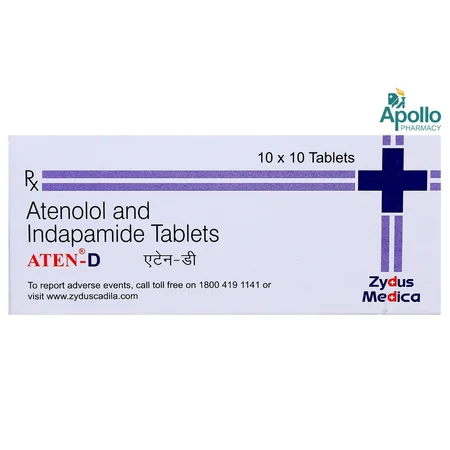
Aten-D Tablet is used to treat hypertension (high blood pressure). It contains Atenolol and Indapamide, which reduces the heart rate and makes the heart to pump blood efficiently throughout the body. Also, it inhibits excess salt absorption in the body, resulting in increased chloride, sodium and water excretion through urine. This helps lower blood pressure. In some cases, you may experience blurred vision, sweating, tiredness, dehydration, constipation, dizziness, headache, nausea, cold hands or feet and muscle cramps. Before taking this medicine, you should tell your doctor if you are allergic to any of its components or if you are pregnant/breastfeeding, and about all the medications you are taking and pre-existing medical conditions.
Read more
Written By Bayyarapu Mahesh Kumar , M Pharmacy
Reviewed By Dr Aneela Siddabathuni , MPharma., PhD
OffersOffers & Discounts

Get Free delivery (₹99) with circle icon

Join Circle
coupon
Get Extra 18% Off with Coupons
coupon
coupon
coupon
Extra 10% Off with Bank Offers
Side effects of Aten-D Tablet
  • Rest well; get enough sleep.
  • Eat a balanced diet and drink enough water.
  • Manage stress with yoga and meditation.
  • Limit alcohol and caffeine.
  • Physical activities like walking or jogging might help boost energy and make you feel less tired.
Managing Low Blood Pressure Triggered by Medication: Expert Advice:
  • If you experience low blood pressure symptoms like dizziness, lightheadedness, or fainting while taking medication, seek immediate medical attention.
  • Make lifestyle modifications and adjust your medication regimen under medical guidance to manage low blood pressure.
  • As your doctor advises, regularly check your blood pressure at home. Record your readings to detect any changes and share them with your doctor.
  • Fluid intake plays a vital role in managing blood pressure by maintaining blood volume, regulating blood pressure, and supporting blood vessel function. Drinking enough fluids helps prevent dehydration, maintain electrolyte balance, and regulate fluid balance.
  • Take regular breaks to sit or lie down if you need to stand for long periods.
  • When lying down, elevate your head with extra pillows to help improve blood flow.
  • Avoid heavy exercise or strenuous activities that can worsen low blood pressure.
  • Wear compression socks as your doctor advises to enhance blood flow, reduce oedema, and control blood pressure.
  • If symptoms persist or worsen, or if you have concerns about your condition, seek medical attention for personalized guidance and care.
  • Avoid triggers like alcohol, caffeine, and energy drinks.
  • Try relaxation techniques such as yoga, meditation, or deep breathing.
  • Exercise regularly as it helps maintain heart health.
  • Follow a nutritious and balanced diet.
Managing Medication-Triggered Flushing (Reddening of the skin): A Step-by-Step Guide:
  • Consult your doctor if you experience skin redness, itching, or irritation after taking medication.
  • Your doctor may adjust your treatment plan by changing your medication or providing guidance on managing your erythema symptoms.
  • Your doctor may recommend or prescribe certain medications to help alleviate symptoms.
  • Apply cool compresses or calamine lotion to the affected skin area to reduce redness and itching.
  • Stay hydrated by drinking plenty of water to help alleviate symptoms and keep your skin hydrated.
  • Monitor your skin condition closely and promptly report any changes, worsening symptoms, or concerns to your healthcare provider.
Here are the 7 steps to manage Dizziness caused by medication:
  • Inform your doctor about dizziness symptoms. They may adjust your medication regimen or prescribe additional medications to manage symptoms.
  • Follow your doctor's instructions for taking medication, and take it at the same time every day to minimize dizziness.
  • When standing up, do so slowly and carefully to avoid sudden dizziness.
  • Avoid making sudden movements, such as turning or bending quickly, which can exacerbate dizziness.
  • Drink plenty of water throughout the day to stay hydrated and help alleviate dizziness symptoms.
  • If you're feeling dizzy, sit or lie down and rest until the dizziness passes.
  • Track when dizziness occurs and any factors that may trigger it, and share this information with your doctor to help manage symptoms.
Here are the 7 steps to manage Dizziness caused by medication:
  • Inform your doctor about dizziness symptoms. They may adjust your medication regimen or prescribe additional medications to manage symptoms.
  • Follow your doctor's instructions for taking medication, and take it at the same time every day to minimize dizziness.
  • When standing up, do so slowly and carefully to avoid sudden dizziness.
  • Avoid making sudden movements, such as turning or bending quickly, which can exacerbate dizziness.
  • Drink plenty of water throughout the day to stay hydrated and help alleviate dizziness symptoms.
  • If you're feeling dizzy, sit or lie down and rest until the dizziness passes.
  • Track when dizziness occurs and any factors that may trigger it, and share this information with your doctor to help manage symptoms.
Dealing with Medication-Induced Headache:
  • Hydrate your body: Drink enough water to prevent dehydration and headaches.
  • Calm Your Mind: Deep breathing and meditation can help you relax and relieve stress.
  • Rest and Recharge: Sleep for 7-8 hours to reduce headache triggers.
  • Take rest: lie down in a quiet, dark environment.
  • Cold or warm compresses can help reduce tension.
  • Stay Upright: Maintain good posture to keep symptoms from getting worse.
  • To treat headaches naturally, try acupuncture or massage therapy.
  • Over-the-counter pain relievers include acetaminophen and ibuprofen.
  • Prescription Assistance: Speak with your doctor about more substantial drug alternatives.
  • Severe Headaches: Seek emergency medical assistance for sudden, severe headaches.
  • Frequent Headaches: If you get reoccurring headaches, consult your doctor.
  • Headaches with Symptoms: Seek medical attention if your headaches include fever, disorientation, or weakness.

Have a query?

Drug-Drug Interactions

verifiedApollotooltip

Drug-Drug Interaction: Aten-D Tablet may interact with other diuretic medications (hydrochlorothiazide, furosemide), anti-hypertensive drugs (chlorthalidone, ramipril), drugs treating mental illness (alprazolam, risperidone), painkillers (ibuprofen, naproxen), anti-depressants (lithium), Vitamins (cholecalciferol), heart-related drugs (amiodarone, digoxin), diabetic drugs (Insulin glargine, metformin), drugs treating stomach acid (esomeprazole), fits medicine (clonazepam), pain medicine (oxycodone), corticosteroids (prednisone), drugs treating impotence (sildenafil), and multivitamin with minerals.

Drug-Food Interaction: Aten-D Tablet may interact or may have decreased effect when used with alcohol and large amounts of orange juice.

Drug-Disease Interaction: Before using Aten-D Tablet , let your doctor know if have any severe kidney or liver diseases, low potassium levels (hypokalaemia), chest pain (angina), poor blood circulation or controlled heart failure, first-degree heart block, diabetes, thyrotoxicosis, liver problems, adrenal gland diseases, anuria, fluid or electrolyte imbalance, lupus erythematosus, gout, abnormal heart rhythms, thyroid disorders and asthma.

No Drug - Drug interactions found in our data. We may lack specific data on this medicine and are actively working to update our database. Consult your doctor for personalized advice

Drug-Drug Interactions

Login/Sign Up

Drug-Food Interactions

verifiedApollotooltip
No Drug - Food interactions found in our database. Some may be unknown. Consult your doctor for what to avoid during medication.

Drug-Food Interactions

Login/Sign Up

All Substitutes & Brand Comparisons

Disclaimer

While we strive to provide complete, accurate, and expert-reviewed content on our 'Platform', we make no warranties or representations and disclaim all responsibility and liability for the completeness, accuracy, or reliability of the aforementioned content. The content on our platform is for informative purposes only, and may not cover all clinical/non-clinical aspects. Reliance on any information and subsequent action or inaction is solely at the user's risk, and we do not assume any responsibility for the same. The content on the Platform should not be considered or used as a substitute for professional and qualified medical advice. Please consult your doctor for any query pertaining to medicines, tests and/or diseases, as we support, and do not replace the doctor-patient relationship.
whatsapp Floating Button

Recommended for a 30-day course: 3 Strips

Buy Now
Add 3 Strips