How does the drug interact with Solu-Medrol 1 gm Injection 8 ml:
Co-administration of Solu-Medrol 1 gm Injection 8 ml and Vigabatrin together can increase the risk or severity of side effects associated with vision loss.
How to manage the interaction:
Taking Solu-Medrol 1 gm Injection 8 ml with Vigabatrin is not recommended, it can be taken if prescribed by the doctor. Regular eye check ups are advised during this treatment. Do not discontinue any medication without consulting a doctor.
How does the drug interact with Solu-Medrol 1 gm Injection 8 ml:
Co-administration of Methylphenidate with Iohexol may increase the risk or severity of seizure (a sudden, violent, uncontrollable contraction of a group of muscles).
How to manage the interaction:
Taking Solu-Medrol 1 gm Injection 8 ml with Iohexol is not recommended, please consult a doctor before taking it. Do not discontinue any medication without consulting a doctor.
How does the drug interact with Solu-Medrol 1 gm Injection 8 ml:
When Solu-Medrol 1 gm Injection 8 ml is taken with Mifepristone, it may decrease the levels of Solu-Medrol 1 gm Injection 8 ml, which may be less effective in treating your condition.
How to manage the interaction:
Taking Solu-Medrol 1 gm Injection 8 ml with Mifepristone is not recommended, but it can be taken if prescribed by the doctor. Do not discontinue any medication without consulting a doctor.
How does the drug interact with Solu-Medrol 1 gm Injection 8 ml:
Using Solu-Medrol 1 gm Injection 8 ml together with certolizumab may increase the risk of serious infections.
How to manage the interaction:
Although taking Solu-Medrol 1 gm Injection 8 ml and Certolizumab together can cause an interaction, it can be taken if a doctor has suggested it. If you have any of these symptoms, it's important to contact a doctor right away: a bad infection, sepsis, problems, fever, chills, diarrhea, a sore throat, muscle pain, difficulty breathing, losing weight, or pain or burning when you pee. Do not discontinue any medications without consulting a doctor.
How does the drug interact with Solu-Medrol 1 gm Injection 8 ml:
Co-administration of Levofloxacin with Solu-Medrol 1 gm Injection 8 ml may increase the risk of tendinitis(inflammation of the thick fibrous cords that attach muscle to bone).
How to manage the interaction:
Concomitant administration of levofloxacin with Solu-Medrol 1 gm Injection 8 ml can result in an interaction, it can be taken if a doctor has advised it. If you experience pain, swelling, or inflammation in a tendon location such as the back of the ankle, shoulder, biceps, hand, or thumb, call a doctor immediately. You should also refrain from exercising or using the afflicted region until a doctor gives you further instructions. Do not discontinue any medication without consulting a doctor.
How does the drug interact with Solu-Medrol 1 gm Injection 8 ml:
Using leflunomide together with Solu-Medrol 1 gm Injection 8 ml may increase the risk of serious infections.
How to manage the interaction:
Although there is an interaction between leflunomide and Solu-Medrol 1 gm Injection 8 ml, they can be taken together if prescribed by a doctor. However, consult a doctor if you experience fever, chills, diarrhea, sore throat, muscle aches, shortness of breath, blood in phlegm, weight loss, red or inflamed skin, body sores, and pain or burning during urination. Do not discontinue any medications without consulting a doctor.
How does the drug interact with Solu-Medrol 1 gm Injection 8 ml:
Taking Thalidomide together with Solu-Medrol 1 gm Injection 8 ml may increase the risk of blood clots.
How to manage the interaction:
Although taking thalidomide and Solu-Medrol 1 gm Injection 8 ml together can result in an interaction, it can be taken if your doctor has prescribed it. However, consult the doctor immediately if you experience symptoms such as chest pain, shortness of breath, difficulty breathing, coughing up blood, sudden loss of vision, pain, redness or swelling in an arm or leg, and numbness or weakness on one side of the body. Do not discontinue any medications without consulting a doctor.
How does the drug interact with Solu-Medrol 1 gm Injection 8 ml:
Using baricitinib together with Solu-Medrol 1 gm Injection 8 ml may increase the risk of serious infections.
How to manage the interaction:
Although there is an interaction, baricitinib can be taken with Solu-Medrol 1 gm Injection 8 ml if prescribed by the doctor. However, if you experience fever, chills, diarrhea, sore throat, muscle aches, shortness of breath, blood in your coughing fluid, weight loss, red or irritated skin, body sores, and discomfort or burning when you urinate, severe abdominal pain, nausea, or vomiting, consult a doctor. Do not discontinue any medications without a doctor's advice.
How does the drug interact with Solu-Medrol 1 gm Injection 8 ml:
The combined use of Infliximab with Solu-Medrol 1 gm Injection 8 ml can increase the risk of infection.
How to manage the interaction:
There may be a possibility of interaction between Infliximab and Solu-Medrol 1 gm Injection 8 ml, but it can be taken if prescribed by a doctor. If you have any of these symptoms, it's important to contact a doctor right away. These symptoms include a serious infection, sepsis, complications, fever, chills, diarrhea, a sore throat, muscle pain, difficulty breathing, weight loss, and pain or burning when you pee. Do not stop using any medications without a doctor's advice.
How does the drug interact with Solu-Medrol 1 gm Injection 8 ml:
Co-administration of Solu-Medrol 1 gm Injection 8 ml and Ofloxacin can result in tendinitis (inflammation of the thick fibrous cords that connect muscle to bone) and tendon rupture.
How to manage the interaction:
Although taking Solu-Medrol 1 gm Injection 8 ml and Ofloxacin together may cause an interaction, they can be taken if prescribed by a doctor. Consult a doctor if you have pain, swelling, or inflammation in a muscle location such as the back of the ankle, shoulder, or biceps. Do not discontinue any medications without consulting a doctor.


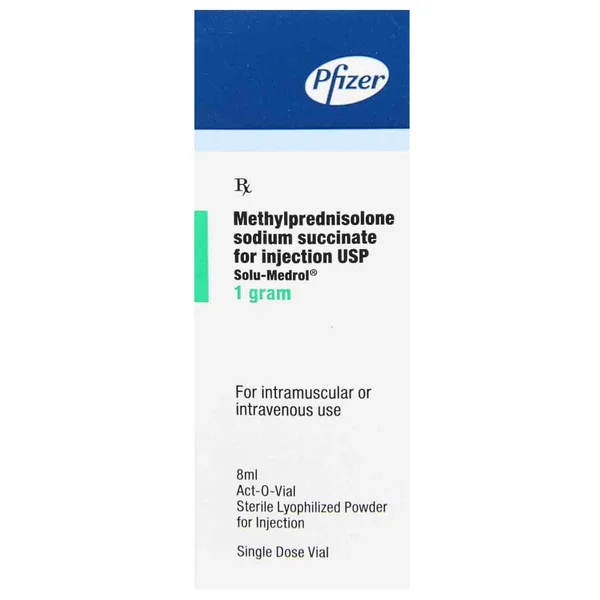


 ₹288.0Cashback (15%)
 Offers & Discounts


 RX
RX


