0

In this article

  • Introduction
  • What exactly is the Paleo Diet?
  • The Science: How Does the Paleo Diet for Weight Loss Work?
  • Your Essential Paleo Diet Food List for Weight Loss
  • Building a Paleo Diet Plan for Weight Loss
  • Sample Paleo Diet Chart for Weight Loss
  • Pros and Cons: Is the Paleo Diet Right for Everyone?
  • Conclusion

A Beginner's Guide to the Paleo Diet for Weight Loss

Discover how the paleo diet for weight loss works. Explore our simple paleo diet plan, food lists, and tips to shed pounds naturally and eat healthier.
 

article image

Apollo Pharmacy

Introduction

Are you tired of complicated calorie counting and highly processed modern foods? You are certainly not alone. Many people are turning back the clock way back to the Paleolithic era to find a healthier, more natural way to eat. The paleo diet for weight loss has become incredibly popular in recent years, and for very good reason. By focusing on whole, nutrient-dense foods that our hunter-gatherer ancestors might have eaten, this dietary approach helps you eliminate empty calories. It encourages you to step away from packaged snacks and refined sugars, naturally guiding your body toward a healthier weight. If you are looking for a straightforward, back-to-basics approach to healthy eating, this guide will walk you through everything you need to know to get started.
 

What exactly is the Paleo Diet?

The paleo diet often called the "caveman diet" or "Stone Age diet" is based on a very simple premise: if our ancient ancestors didn't eat it, we shouldn't either. Proponents of the diet argue that the human body is biologically mismatched to the modern diet that emerged after the farming revolution. Farming brought us dairy, grains, and legumes, while modern industry brought us refined sugars and heavily processed foods. According to experts at the Mayo Clinic, the paleo diet aims to return to a way of eating that is more aligned with our early human genetics. This means focusing heavily on lean meats, fish, vegetables, fruits, nuts, and seeds.
 

The Science: How Does the Paleo Diet for Weight Loss Work?

You might be wondering how simply changing the types of food you eat can help you drop pounds. When it comes to paleo weight loss, the secret lies in the quality of the food and how it naturally influences your body's hunger signals.

Key Reasons the Paleo Diet Supports Weight Loss

  1. High Protein Intake: The paleo diet is naturally high in protein due to its emphasis on lean meats, poultry, and fish. Protein is highly satiating, meaning it keeps you feeling full for longer. It also boosts your metabolism slightly because your body expends more energy digesting protein compared to fats or carbohydrates.
  2. Reduced Sugar and Empty Calories: By eliminating processed foods, sodas, and baked goods, you automatically cut out a massive 
    source of empty calories.
  3. Blood Sugar Regulation: Because the diet cuts out refined carbohydrates and sugars, it helps prevent the rapid spikes and crashes in 
    blood sugar that often lead to afternoon cravings and overeating.
  4. Increased Fibre: Vegetables and fruits are the primary sources of carbohydrates on this diet. They are packed with dietary fibre, which 
    expands in your stomach, promotes healthy digestion, and reduces overall appetite.
     

Your Essential Paleo Diet Food List for Weight Loss

To succeed, you need to know exactly what to stock in your kitchen. Having a reliable paleo diet food list for weight loss makes grocery shopping easy and removes the guesswork from meal prep.

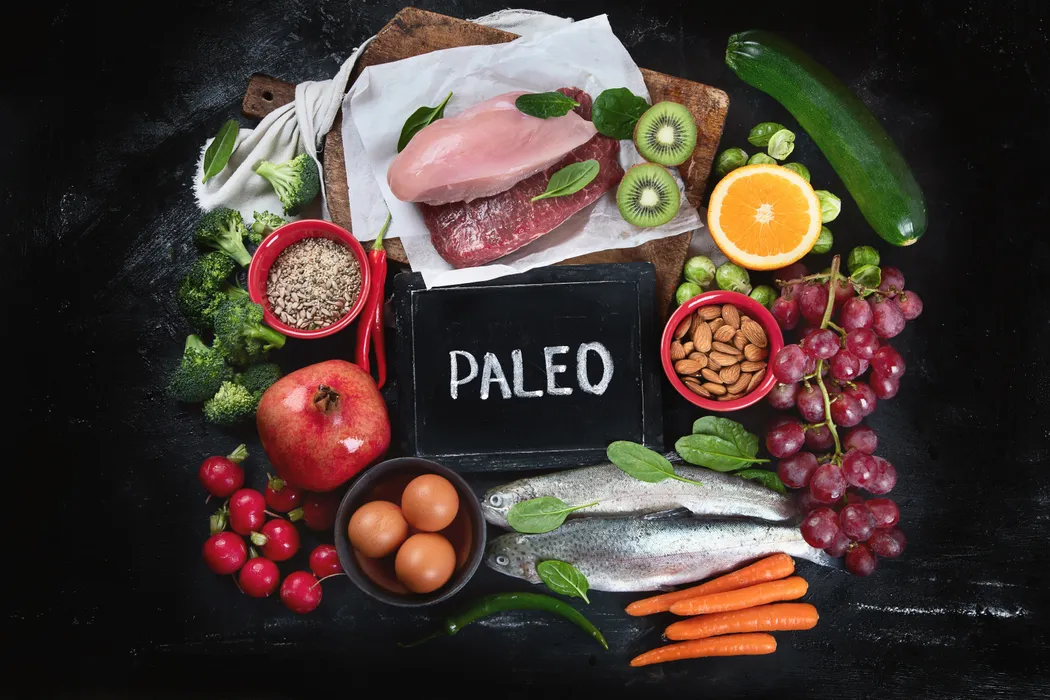
Foods to Enjoy Freely

  1. Lean Meats: Grass-fed beef, chicken, turkey, pork, and lamb.
  2. Seafood: Wild-caught salmon, trout, haddock, shrimp, and shellfish (these are excellent sources of omega-3 fatty acids).
  3. Fresh Vegetables: Broccoli, spinach, kale, peppers, onions, carrots, and zucchini.
  4. Fruits: Apples, bananas, oranges, berries, pears, and avocados. (Note: Limit high-sugar fruits if your primary goal is rapid weight loss).
  5. Nuts and Seeds: Almonds, walnuts, macadamia nuts, pumpkin seeds, and sunflower seeds.
  6. Healthy Fats and Oils: Extra virgin olive oil, avocado oil, and coconut oil.
  7. Eggs: Preferably free-range or pastured eggs.

Foods to Strictly Avoid

  1. Grains: Wheat, oats, barley, rice, corn, bread, and pasta.
  2. Legumes: Beans, lentils, peas, peanuts, and soy.
  3. Dairy: Milk, cheese, butter, and yoghurt (though some modified paleo plans allow grass-fed butter).
  4. Refined Sugars: High-fructose corn syrup, white sugar, candy, pastries, and sodas.
  5. Highly Processed Foods: Anything with artificial additives, preservatives, or ingredients you cannot pronounce.
     

Building a Paleo Diet Plan for Weight Loss

Transitioning from a standard modern diet to a weight-loss paleo diet requires a bit of planning. If you are used to grabbing a piece of toast for breakfast or eating a sandwich for lunch, you will need to rethink your meal structure.

Practical Tips for Following a Paleo Diet

  1. Focus on Veggies: While paleo is famous for meat, vegetables should actually make up the largest portion of your plate. They provide essential vitamins, minerals, and fibre needed to keep your digestive system healthy.
  2. Watch Your Nut and Fruit Intake: To maximise your paleo diet weight loss, be mindful of portion control when it comes to nuts, seeds, 
    and dried fruits. While they are healthy and paleo-approved, they are very calorie-dense. Snacking on too many almonds can quickly halt your weight loss progress.
  3. Stay Hydrated: Water is your best friend. Aim for at least 8 glasses of water a day. Herbal teas are also perfectly fine.
  4. Don't Forget Lifestyle Factors: Our ancestors didn't just eat differently; they lived differently. Aim for 7-9 hours of quality sleep per night, manage your stress levels, and engage in regular physical activity.
     

Sample Paleo Diet Chart for Weight Loss

Having a visual guide can make starting much easier. Below is a simple 3-day paleo diet chart for weight loss that you can use for inspiration.

Day 1

  1. Breakfast: Scrambled eggs cooked in a dash of olive oil with spinach, tomatoes, and a side of mixed berries.
  2. Lunch: A large mixed green salad topped with grilled chicken breast, avocado slices, pumpkin seeds, and a simple olive oil and lemon juice dressing.
  3. Dinner: Baked wild-caught salmon served with roasted asparagus and a side of mashed sweet potatoes.
  4. Snack: A handful of walnuts and a crisp apple.

Day 2

  1. Breakfast: A paleo smoothie made with spinach, half a banana, almond butter, and unsweetened almond milk.
  2. Lunch: Turkey meatballs (made without breadcrumbs) served over zucchini noodles with a rich, no-sugar-added tomato sauce.
  3. Dinner: Lean steak stir-fry loaded with bell peppers, broccoli, and snap peas cooked in coconut oil.
  4. Snack: Celery sticks dipped in almond butter.

Day 3

  1. Breakfast: Two hard-boiled eggs and a side of fresh cantaloupe.
  2. Lunch: Leftover steak stir-fry from the night before.
  3. Dinner: Baked pork chops with a side of Brussels sprouts roasted in olive oil and garlic.
  4. Snack: A small bowl of mixed berries.


Pros and Cons: Is the Paleo Diet Right for Everyone?

While the paleo diet for weight loss has helped countless people achieve their health goals, it is important to look at the complete picture.

The Pros

  1. Encourages eating whole, unprocessed foods.
  2. Naturally lowers sodium and refined sugar intake.
  3. High in satiating protein and healthy fats.
  4. May improve blood pressure and glucose tolerance.

The Cons

  1. Eliminating entire food groups (like dairy and whole grains) can lead to potential nutrient deficiencies if you aren't careful. For example, missing out on dairy means you need to find alternative sources of calcium, like leafy greens.
  2. Whole grains are a great source of dietary fiber, which is important for heart health.
  3. The diet can be more expensive, as fresh organic produce, wild-caught fish, and grass-fed meats often carry a higher price tag.
  4. Before making any drastic changes to your diet, it is always a smart idea to consult with your healthcare provider or a registered dietitian, especially if you have underlying health conditions like kidney disease or diabetes.
     

Conclusion

The paleo diet for weight loss focuses on a simple principle: eating natural, whole foods while eliminating highly processed ingredients. By prioritising lean proteins, vegetables, fruits, nuts, and healthy fats, this approach can naturally reduce calorie intake while keeping you satisfied throughout the day. Many people find that this way of eating improves energy levels, stabilises blood sugar, and supports steady weight loss. However, like any diet plan, success depends on consistency, balanced nutrition, and healthy lifestyle habits. Paying attention to portion sizes, staying physically active, and ensuring adequate nutrient intake are essential for long-term results. If followed thoughtfully, the paleo diet can be a sustainable and effective way to achieve healthier eating patterns and gradual weight loss.
 

Apollo 247 Floating Action Button