0

In this article

  • What Does an Allergic Reaction Baby Rash Look Like?
  • Common Causes of an Allergy in a Newborn Baby
  • Symptoms Accompanying a Newborn Baby's Allergy
  • Safe Treatments for an Allergic Reaction Baby Rash
  • When to See a Doctor for an Allergic Reaction Baby Rash?
  • Tips to Prevent Future Baby Rashes
  • Conclusion

Allergic Reaction Rash in Babies: Symptoms & Treatment

Is your baby breaking out? Learn to identify allergic reaction rashes in infants, recognise key symptoms, and find safe, effective treatments to soothe their skin.
 

article image

Apollo Pharmacy

Welcoming a new baby into the world is a joyful experience, but it also comes with its fair share of worries. Because a baby’s skin is incredibly delicate and still developing, it is highly sensitive to the outside world. If you have just noticed a sudden breakout on your infant’s skin, you are likely feeling concerned.

Spotting an allergic reaction, baby rash is very common, but it can be hard to tell the difference between a normal newborn skin condition and a true allergy. As parents, seeing your little one uncomfortable can be distressing. Fortunately, most rashes are mild, highly treatable, and temporary.

In this comprehensive guide, we will break down everything you need to know about baby allergies. We will explore what causes these rashes, how to identify the symptoms, the best ways to soothe your baby’s skin at home, and when it is time to call your paediatrician.

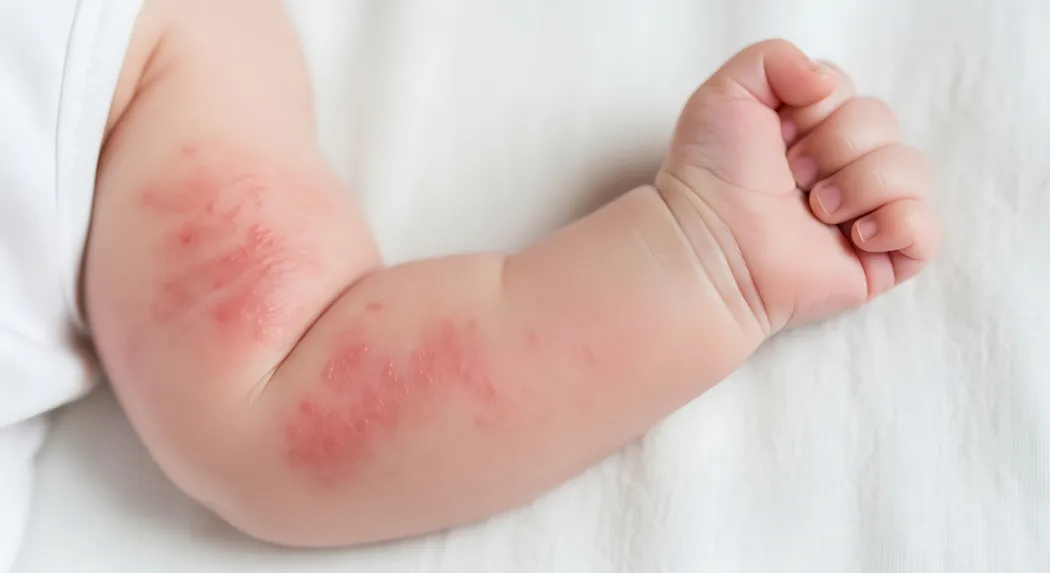
What Does an Allergic Reaction Baby Rash Look Like?

When a baby encounters a substance their immune system incorrectly views as a threat (an allergen), the body releases chemicals called histamines. These histamines cause inflammation, which often shows up on the skin as an allergic reaction, or baby rash.

Because infant skin is so sensitive, allergic rashes usually present in one of three main ways:

  • Hives (Urticaria): These are raised, red, pink, or skin-colored welts that appear suddenly. They can vary in size, appear anywhere on the body, and are usually very itchy. Hives can change shape, disappear, and reappear in a matter of hours.
  • Eczema (Atopic Dermatitis): While not always caused directly by an allergy, eczema is heavily linked to allergic conditions. It appears as dry, red, scaly, and itchy patches, most commonly on a baby's cheeks, scalp, and the joints of their arms and legs.
  • Contact Dermatitis: This occurs when the baby’s skin comes into direct physical contact with an allergen. It usually results in a localised, red, irritated rash exactly where the item touched the skin.

Recognising the type of rash your baby has is the first step toward finding the right treatment.


Common Causes of an Allergy in a Newborn Baby
 

Pinpointing the exact trigger of an allergy in a newborn baby can sometimes feel like solving a mystery. Babies interact with many new fabrics, foods, and environments every single day. Here are the most common culprits behind infant allergic reactions:

1. Food Allergies

Food is one of the most common causes of infant allergies. Even if your baby is not eating solid foods yet, they can still react to proteins passed through breast milk or standard infant formula.

  • Cow’s Milk Protein: This is a leading cause of food allergies in infants.
  • Common Allergenic Foods: If your baby has started solids, foods like eggs, peanuts, tree nuts, soy, wheat, and fish can trigger a rash.

2. Skincare Products and Chemicals

A newborn's skin barrier is thinner than an adult's, making it easier for chemicals to penetrate and cause irritation.

  • Lotions and Soaps: Products containing artificial fragrances, dyes, or harsh preservatives can cause contact dermatitis.
  • Laundry Detergents: Leftover detergent residue on clothing, blankets, or even the parents' clothes can irritate a baby's skin.

3. Environmental Allergens

Though less common in very young infants, environmental factors can still trigger an allergy in a newborn baby.

  • Pet Dander: Proteins found in the saliva and skin flakes of cats and dogs.
  • Dust Mites and Mould: Indoor allergens that can trigger eczema flare-ups.
  • Pollen: Seasonal allergies that may affect older babies.

Symptoms Accompanying a Newborn Baby's Allergy

A newborn baby's allergy rarely stops at just a slight change in skin colour. Depending on the severity of the reaction, a rash is often accompanied by other physical and behavioural symptoms.

Mild to Moderate Symptoms

If your baby is having a mild allergic reaction, you might notice:

  • Intense Itching: Your baby may rub their face against your shoulder or scratch at their skin, causing them to be fussy and irritable.
  • Dry, Flaky Skin: Especially common with eczema.
  • Mild Swelling: Slight puffiness around the site of the rash.
  • Digestive Issues: If the rash is caused by a food allergy, it may be paired with frequent spitting up, diarrhoea, gas, or mucous in the baby's stool.

Severe Symptoms (Anaphylaxis) - When to Seek Emergency Care?

While rare, a severe allergic reaction known as anaphylaxis is a medical emergency. Call emergency services immediately if your baby's rash is accompanied by any of the following:

  • Swelling of the lips, tongue, or throat.
  • Wheezing, grunting, or difficulty breathing.
  • Pale or bluish skin, lips, or nail beds.
  • Extreme lethargy, floppiness, or unresponsiveness.
  • Vomiting continuously.

Buy Baby Diaper Rash Cream


Safe Treatments for an Allergic Reaction Baby Rash

If you have confirmed that your baby is experiencing a mild reaction and is otherwise breathing fine and acting normally, there are several ways to soothe an allergic reaction baby rash at home.

1. Remove the Trigger

The most important step is to stop exposure to the allergen. If you suspect a new lotion, wash it off immediately with lukewarm water. If you think a specific piece of clothing is the culprit, remove it.

2. Give a Soothing Bath

A cool or lukewarm bath can do wonders for inflamed skin. Hot water can dry out the skin and make itching worse. You can add colloidal oatmeal to the bathwater, which has natural anti-inflammatory properties that help soothe hives and eczema.

3. Apply Fragrance-Free Moisturisers

For dry, eczema-prone skin, applying a thick, fragrance-free emollient (like petroleum jelly or specialised baby eczema creams) immediately after a bath helps lock in moisture and repair the skin barrier. Avoid lotions with perfumes, as they will sting irritated skin.

4. Dress Them Comfortably

Dress your baby in loose, soft, 100% cotton clothing. Tight or scratchy fabrics like wool or synthetic blends can trap heat and make an allergic rash worse.

5. Prevent Scratching

An itchy baby will try to scratch, which can break the skin and lead to bacterial infections. Keep your baby’s fingernails trimmed short and file down sharp edges. You can also put soft cotton mittens on their hands, especially at night.

6. Consult Your Paediatrician for Medication

Never give your baby over-the-counter allergy medications without speaking to a doctor first. Your paediatrician may prescribe a baby-safe oral antihistamine for hives or a mild topical hydrocortisone cream for severe eczema.


When to See a Doctor for an Allergic Reaction Baby Rash?

While home care is often enough, you should always err on the side of caution when it comes to an infant's health. You should schedule a visit with your paediatrician if:
The allergic reaction baby rash does not improve after a few days of home treatment.
The rash looks infected (oozing yellow fluid, warm to the touch, or developing crusty scabs).

  • Your baby develops a fever alongside the rash.
  • The rash is causing extreme discomfort, preventing your baby from sleeping or eating normally.
  • You suspect a food allergy and need guidance on how to safely feed your baby.

Your doctor may refer you to a pediatric allergist or a pediatric dermatologist to perform allergy testing and create a long-term management plan.


Tips to Prevent Future Baby Rashes

Once you have cleared up the initial flare-up, your goal is to prevent the rash from returning. Here are a few proactive steps you can take:

  • Switch to Hypoallergenic Products: Use only fragrance-free, dye-free, and gentle products for everything that touches your baby. This includes baby wash, shampoo, wipes, and laundry detergents.
  • Wash Everything New: Always wash new clothes, blankets, and plush toys before letting them touch your baby's skin to remove manufacturing chemicals.
  • Keep a Food Diary: If your baby is eating solids, introduce new foods one at a time, waiting three to five days before introducing another. Keep a log of what they eat and any symptoms that arise. This makes it much easier to identify a food allergy.
  • Manage Pet Dander: If you have pets, vacuum frequently, use HEPA air purifiers, and keep pets out of the room where your baby sleeps.
     

Conclusion


Recognising an allergic rash early is key to ensuring your baby’s comfort and preventing further irritation. While most minor rashes can be managed at home by identifying the trigger and using gentle, paediatrician-approved treatments, keeping a close eye on your child's overall behaviour is essential.

By staying observant and maintaining a consistent skincare routine, you can help your baby’s skin recover quickly and stay healthy.


FAQS

How long does an allergic reaction baby rash last?

The duration depends on the cause. Hives can disappear within a few hours or last for a few days. Contact dermatitis usually clears up within a few days to a week once the trigger is removed. If the allergic reaction baby rash persists for more than a week, consult your paediatrician.

Can my baby be allergic to my breast milk?

Babies are rarely allergic to breast milk itself. However, they can be allergic to the proteins from foods the mother has eaten (most commonly cow's milk, soy, or eggs) that pass into the breast milk.

How can I tell if it is baby acne or an allergy?

Baby acne typically appears on the face (cheeks, nose, and forehead) as small red or white bumps and is completely normal in the first few months of life. It does not itch or bother the baby. An allergic rash is usually very itchy, can appear anywhere on the body, and is often accompanied by dry, scaly skin or raised hives.

Should I put over-the-counter hydrocortisone on my baby’s rash?

You should not use hydrocortisone or any steroid creams on a baby without explicit instructions from a paediatrician. A baby's skin is very thin, and steroids can be absorbed into their bloodstream or cause skin thinning if used incorrectly.

Are infant allergies hereditary?

Yes, genetics plays a significant role. If one or both parents have a history of allergies, asthma, or eczema, the baby has a much higher likelihood of developing similar allergic conditions.

Apollo 247 Floating Action Button