Watching your baby deal with a cold can be difficult, especially when they seem uncomfortable or unable to rest well. Symptoms like a blocked nose, sneezing, or mild coughing are quite common in infants, particularly as their immune system is still developing.
When it comes to babies, safety always comes first. Most standard cold medicines are not suitable for infants, which is why gentle, home-based care is often the best approach. These methods focus on easing symptoms while allowing your baby’s body to recover naturally.
It is also normal for babies to catch a few colds during their first year as they build immunity. While this can feel worrying, most colds are mild and improve with time and supportive care.
This guide covers simple, safe ways to help soothe your baby at home, from keeping them comfortable and hydrated to easing nasal congestion and supporting better sleep.
In this article
- Understanding a Cold in Newborn Baby
- The Danger of Over-the-Counter Medications
- Top Newborn Baby Cold Home Remedies (0 to 3 Months)
- Gentle Relief for Older Infants (4 to 6 Months)
- Best 1 Year Baby Cold Home Remedies
- General Care and Newborn Baby Cough Home Remedies
- When to Call the Doctor?
- Conclusion
Baby Cold Home Remedies: Safe Relief for Infants
Discover safe home remedies for baby cold, including nasal relief, hydration tips, and soothing methods to ease congestion, cough, and discomfort naturally.
Apollo Pharmacy
Understanding a Cold in Newborn Baby
Understanding a Cold in Newborn Baby
Before looking at remedies, it helps to understand what your baby is going through. A cold in a newborn usually presents with a runny or blocked nose, mild coughing, slight fussiness, and sometimes a low-grade fever.
Colds are quite common in babies, especially in the first year. As they are exposed to new viruses, their immune system gradually learns how to respond and build protection. While it can be stressful to see your baby uncomfortable, most colds are mild and tend to improve on their own within about 10 to 14 days.
One reason colds feel more troublesome in babies is that they mainly breathe through their noses. Even a small amount of mucus can make it harder for them to feed or sleep comfortably. This is why clearing the nose and keeping them comfortable becomes an important part of care.
In most cases, with gentle support and time, your baby will recover well as their body fights off the infection.
The Danger of Over-the-Counter Medications
The Danger of Over-the-Counter Medications
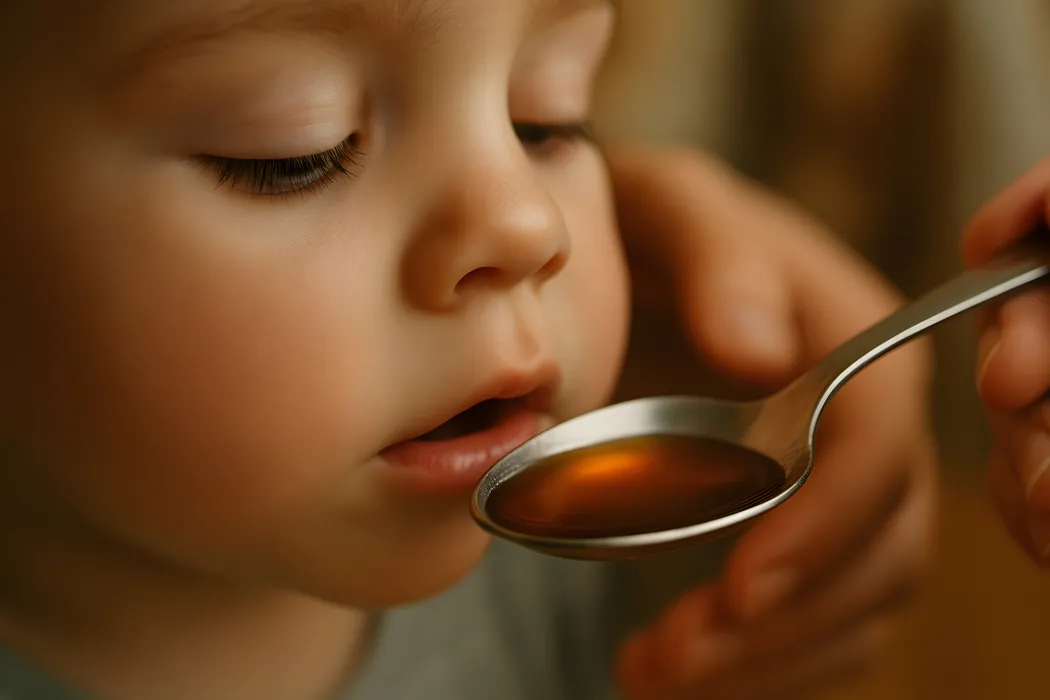
When your baby is unwell, it is natural to look for quick relief. However, most over-the-counter cold and cough medicines are not suitable for infants.
Medical experts, including paediatric bodies, advise against giving these medications to very young children. They do not treat the underlying viral infection and may cause unwanted side effects, such as changes in breathing or heart rate.
Products marketed as cold syrups for younger babies may still not be appropriate. It is important not to give any medicated syrup or drops unless specifically recommended by a paediatrician who understands your baby’s condition and age.
Instead, care for a baby with a cold usually focuses on gentle, supportive methods. These approaches aim to ease symptoms, keep your baby comfortable, and allow their body to recover naturally.
Top Newborn Baby Cold Home Remedies (0 to 3 Months)
Top Newborn Baby Cold Home Remedies (0 to 3 Months)
When caring for very young babies, the focus should be on gentle, safe methods that help ease discomfort without overwhelming their system. These simple remedies may help your baby breathe easier and stay comfortable.
1. Saline Drops and Gentle Suction
Saline drops are one of the most effective ways to clear a blocked nose in young babies. They help loosen thick mucus, making it easier to remove.
- Lay your baby on their back in a comfortable position
- Place 1 to 2 drops of sterile saline solution into each nostril
- Wait for about 30 to 60 seconds to allow the mucus to soften
- Gently use a bulb syringe or nasal aspirator to remove the loosened mucus
This method may help improve breathing, especially before feeds or sleep, when congestion tends to cause more discomfort.
2. Cool-Mist Humidifier
Dry air can make congestion worse. Using a cool-mist humidifier in your baby’s room may help add moisture to the air, which can soothe irritated airways and loosen mucus.
Place the humidifier at a safe distance and ensure regular cleaning to prevent the build-up of bacteria or mould. Cool mist is preferred, as it avoids the risk of burns.
3. Extra Breastmilk or Formula
Keeping your baby well-hydrated is important during a cold. Congestion may make feeding more difficult, so offering smaller, more frequent feeds can help.
Breastmilk, in particular, contains natural protective factors that may support your baby’s immune response. Regular feeds may also help keep mucus thinner and easier to clear.
Across the first three months, these simple steps often remain the most effective. Gentle care, adequate hydration, and helping your baby breathe comfortably can make a noticeable difference as they recover.
Gentle Relief for Older Infants (4 to 6 Months)
Gentle Relief for Older Infants (4 to 6 Months)
As your baby grows, their airways become slightly larger and their ability to handle congestion improves. Even so, care should remain gentle and supportive, focusing on easing symptoms safely.
Steamy Bathroom Sessions
Warm steam may help loosen mucus and make breathing a little easier. You can create a steamy environment by running a hot shower and sitting in the closed bathroom with your baby for about 10 to 15 minutes.
The moist air may help soothe irritated airways and reduce nasal blockage. Make sure your baby is kept at a safe distance from hot water and surfaces.
Keeping Your Baby Upright (During Awake Time)
Holding your baby upright while they are awake may help reduce congestion. This position allows mucus to drain more easily and can make breathing more comfortable.
You can hold your baby against your chest or use a baby carrier for short periods. However, always place your baby flat on their back for sleep, as this remains the safest position.
Small Sips of Fluids (If Age-Appropriate)
By around six months, some babies may begin having small amounts of water along with their regular feeds, if advised by a doctor.
A few sips of lukewarm water may help soothe the throat and keep your baby hydrated. Breastmilk or formula should still remain the main source of nutrition and hydration during this time.
Even at this stage, it is best to avoid over-the-counter medications unless specifically recommended by a paediatrician. Gentle care and supportive measures are usually enough to help your baby recover comfortably.


Best 1 Year Baby Cold Home Remedies
Best 1 Year Baby Cold Home Remedies
Once your baby turns one, a few more natural options can be safely introduced to help ease cold symptoms.
Honey for Cough Relief
For children over one year of age, a small amount of pasteurised honey may help soothe a sore throat and reduce coughing, especially at night. It works by coating the throat and may provide gentle relief from irritation.
A small quantity, such as half a teaspoon before bedtime, is usually enough.
Important: Honey should never be given to babies under 12 months due to the risk of infant botulism.
Warm Fluids and Comfort Foods
Warm, easy-to-digest foods may also help your child feel more comfortable. Options such as light soups can provide hydration and warmth, which may ease throat irritation and support recovery.
Offering fluids regularly, including water and milk feeds, can also help keep mucus thinner and easier to clear.
At this stage, simple, natural remedies along with rest and hydration are often enough to help your child recover from a mild cold.
General Care and Newborn Baby Cough Home Remedies
General Care and Newborn Baby Cough Home Remedies
When your baby has a cough, it can be worrying to hear, but it is often the body’s natural way of clearing mucus from the airways. The goal of home care is not to stop the cough completely, but to keep your baby comfortable and help mucus stay thin and easy to clear.
Encourage rest: Babies tend to sleep more when they are unwell. Allow your baby to rest as needed, as sleep supports recovery and helps the body fight off infection.
- Maintain a clean environment: Good hygiene can help prevent the spread of infection. Wash your hands regularly, clean commonly touched surfaces, and limit close contact with anyone who is unwell.
- Gently clean the nose area: Frequent wiping may irritate the skin around the nose. Using a soft cloth or gentle wipes can help keep the area clean while reducing the chance of redness or soreness.
- Support comfortable breathing: Keeping the air slightly moist and ensuring your baby is not exposed to smoke or strong scents may help reduce irritation in the airways.
With consistent care and a calm approach, most coughs in babies improve on their own. The focus should remain on comfort, hydration, and allowing the body time to recover.
When to Call the Doctor?
When to Call the Doctor?
While most colds in babies can be managed with gentle care at home, there are times when medical attention is necessary. Babies can sometimes worsen quickly, so it is important to watch for warning signs.
Fever in a very young baby: If your baby is under 3 months old and has a temperature of 38°C or higher, seek medical care immediately. This should always be evaluated without delay.
- Difficulty breathing: Signs such as flaring nostrils, grunting sounds, rapid breathing, or the chest pulling in around the ribs may indicate breathing distress and need urgent attention.
- Signs of dehydration: Fewer wet diapers, a dry mouth, lack of tears while crying, or a sunken soft spot on the head may suggest your baby is not getting enough fluids.
- Persistent or worsening symptoms: If a cold does not start improving within about 10 days, or if a cough continues for an extended period, it is best to consult a paediatrician.
- Reduced feeding or unusual behaviour: If your baby is feeding poorly, unusually sleepy, or difficult to comfort, it may be a sign that they need medical evaluation.
If you notice any of these symptoms, it is safer to seek advice early. Prompt care can help identify the cause and ensure your baby receives appropriate treatment.
Conclusion
Conclusion
Caring for a baby with a cold can feel overwhelming, especially when they are uncomfortable and unable to express what they need. The good news is that most colds in infants are mild and improve with time, rest, and gentle care.
Simple measures such as keeping your baby hydrated, clearing nasal passages, and maintaining a comfortable environment may help ease symptoms and support recovery. As your baby’s immune system continues to develop, they gradually become better at handling these common infections.
At the same time, it is important to stay attentive to any changes in your baby’s condition. If symptoms seem unusual, worsen, or do not improve as expected, seeking medical advice can help ensure timely care.
With patience and the right approach, most babies recover well, allowing both you and your little one to return to a more comfortable routine.
Disclaimer: This article is for informational purposes only and does not substitute for professional medical advice. Always consult your paediatrician for any concerns about your baby’s health and medical needs.
FAQS
FAQS
Can I give my newborn honey to soothe their cough?
No, honey should not be given to babies under 12 months of age due to the risk of infant botulism. Once your child is older than one year, honey may be used in small amounts to help soothe a cough.
Are essential oils safe for a baby's cold?
Caution is advised when using essential oils around babies. Some oils may irritate the airways or cause breathing discomfort. It is best to avoid using them directly on or near young infants unless recommended by a paediatrician.
How long does a normal infant cold last?
Most colds in babies improve within about 10 to 14 days. The first few days are often the most uncomfortable. If symptoms continue beyond this or seem to worsen, it is advisable to consult a doctor.
Can I use vapour rub on my infant's chest?
Standard vapour rubs meant for adults are not suitable for young babies, as some ingredients may be too strong. If considering a baby-specific product, it is best to check with a paediatrician before use.
How can I help my congested baby sleep at night?
Simple measures such as using a cool-mist humidifier, clearing the nose gently before sleep, and holding your baby upright for a short time before laying them down may help improve comfort and sleep. Always place your baby on their back for sleep in a safe, flat sleeping space.


