0

Baby Eczema: Identification Guide with Photos

Learn how to identify baby eczema with photos, understand common symptoms, causes, and effective treatments to soothe your baby’s sensitive skin.

article image

Dr. Vasantha Sree

Seeing a red, irritated, or flaky rash on your baby’s delicate skin can make any parent anxious. You might find yourself repeatedly checking their cheeks, arms, or legs, wondering whether it is a simple irritation, an allergic reaction, or something more persistent like eczema. Atopic dermatitis, commonly known as eczema, is one of the most common skin conditions in infants and young children. In fact, studies suggest that up to 20% of infants and toddlers experience eczema at some point.

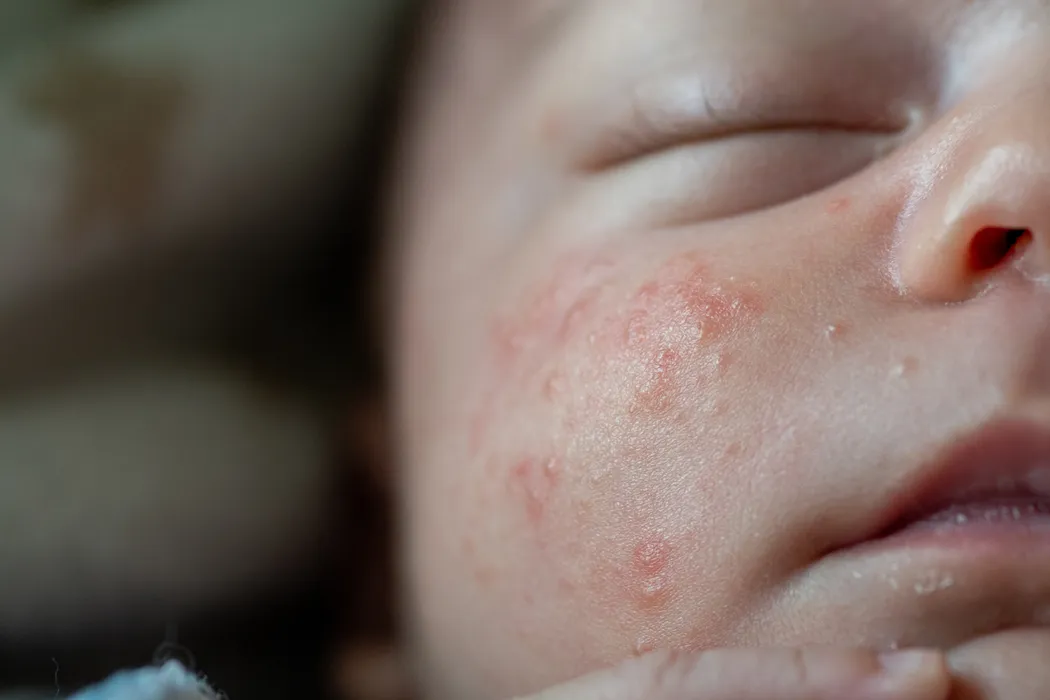
Because babies often develop various harmless rashes and skin changes, identifying eczema can sometimes feel confusing. This is why looking at reliable baby eczema photos can help parents understand what the condition typically looks like. Visual references can make it easier to differentiate eczema from other common infant skin issues. In this comprehensive guide, we will explore the signs, symptoms, causes, and treatment options for eczema in babies. By understanding how the condition appears and what triggers it, parents can feel more confident in caring for their baby’s sensitive skin.

What Does Baby Eczema Look Like?

Eczema is a chronic skin condition that causes patches of skin to become dry, itchy, and inflamed. However, the appearance of eczema can vary depending on your baby’s age, skin tone, and the severity of the flare-up.

Common symptoms include:

  • Intensely dry and sensitive skin
  • Rough, scaly, or thickened patches
  • Red or inflamed areas
  • Oozing or “weeping” fluid if scratched
  • Crusting or scabbing on irritated patches
  • Persistent itchiness that may make the baby fussy

The appearance can also differ depending on skin tone. In babies with lighter skin, eczema usually appears as red or pink patches, while in deeper skin tones it may appear brown, purple, or greyish. Because redness can be harder to detect in darker skin tones, parents should also look for signs like dryness, swelling, or thickened skin. Viewing a range of baby eczema pictures across different skin tones can help parents recognise these variations and identify eczema more accurately.

Explore Baby Eczema Cream Here

Load more products

Visualising the Symptoms: Baby Eczema Photos by Body Part

Eczema can appear on different parts of a baby’s body as they grow. Understanding where flare-ups typically occur at various stages can help with early identification and treatment.

Face and Scalp (0 to 6 Months)

During the first few months of life, eczema most commonly appears on the face, especially on the cheeks, chin, and forehead. It may look like very dry skin or small clusters of red, irritated patches.

Because babies frequently rub their faces against bedding or their caregiver’s clothing, these areas may appear particularly inflamed. In some cases, the scalp may also develop flaky or dry patches that resemble dandruff.

Elbows and Knees (6 to 12 Months)

As babies become more active, rolling, crawling, and exploring their surroundings, eczema often appears on the elbows and knees. The friction from crawling on carpets or flooring can irritate already sensitive skin. Parents may notice rough, dry patches forming on the outside of the elbows or knees. These areas may appear red, scaly, or slightly thickened.

Creases and Folds (Toddlers)

As children grow into the toddler stage, eczema often moves to areas where skin naturally folds. Common locations include:

  • Inside the elbows
  • Behind the knees
  • Around the wrists
  • On the ankles
  • Around the neck folds

Repeated scratching can cause the skin in these areas to become thicker and rougher over time. This process is known as lichenification, a common feature of long-standing eczema.

Eczema vs. Other Infant Rashes

Eczema can sometimes be mistaken for other common skin conditions in babies. Comparing baby eczema images with pictures of other infant rashes can help parents recognise the differences.

Baby Acne vs. Eczema

Baby acne typically appears as tiny red or white pimples on the cheeks and nose during the first few weeks of life. Unlike eczema, baby acne is not itchy and usually does not cause discomfort. Eczema, on the other hand, is very dry and intensely itchy, which may cause babies to rub their skin against clothing or bedding.

Cradle Cap vs. Eczema

Cradle cap is another common infant condition that appears as yellowish, greasy, crusty scales on the scalp and sometimes the eyebrows. While cradle cap may look similar to eczema, it is generally not itchy. Eczema affecting the scalp tends to appear red, dry, and flaky, and babies may try to rub their heads because of the irritation.

Drool Rash vs. Eczema

Drool rash often occurs when saliva repeatedly contacts the skin around the mouth, chin, and neck folds. This irritation can cause redness and small bumps. The key difference is that drool rash stays limited to areas exposed to saliva, whereas eczema often appears in multiple areas of the body at the same time, such as the cheeks, arms, or legs.

What Causes Baby Eczema?

If your baby develops eczema, you might wonder what caused it. The condition is not related to poor hygiene and is not caused by anything parents did wrong. Eczema usually develops due to a combination of genetic and environmental factors. Many babies with eczema have a change in the gene responsible for producing filaggrin, a protein that helps maintain a strong skin barrier. When the skin barrier is weaker, moisture escapes more easily and irritants can penetrate the skin, triggering inflammation.

Several common triggers may worsen eczema flare-ups:

  • Irritants: Fragranced soaps, harsh cleansers, and scented laundry detergents
  • Fabrics: Wool, synthetic fabrics, or rough clothing materials
  • Heat and sweat: Overheating or hot weather
  • Saliva: Drooling during teething can irritate the cheeks and chin
  • Allergens: Dust mites, pet dander, or pollen
  • Certain foods: In some babies, food allergies may contribute to flare-ups

Identifying triggers can help parents reduce irritation and prevent frequent flare-ups.

How to Treat and Soothe Baby Eczema?

Although eczema cannot always be cured completely, proper skin care can significantly reduce flare-ups and improve your baby’s comfort. The main goal of treatment is to restore and protect the skin barrier.

1. The “Soak and Seal” Bathing Routine

Bathing can actually help hydrate eczema-prone skin when done correctly.

  • Give your baby a short bath lasting 5 to 10 minutes in lukewarm water
  • Avoid hot water, which can dry out the skin
  • Use a gentle, fragrance-free cleanser only when necessary
  • Pat the skin dry gently with a soft towel rather than rubbing
  • Within three minutes of bathing, apply a thick moisturiser to seal in moisture

This routine helps trap water in the skin and prevents excessive dryness.

2. Choose the Right Moisturisers

Moisturising is one of the most important steps in managing eczema.

  • Ointments: Petroleum-based products are highly effective because they lock in moisture
  • Creams: Thick creams in jars or tubs work well for daily use
  • Lotions: These are usually thinner and may not provide enough hydration for eczema

Applying moisturiser multiple times a day can help keep the skin barrier healthy.

3. Dress Your Baby Comfortably

Clothing can play a role in preventing irritation.

  • Choose soft, breathable cotton fabrics
  • Avoid wool or rough materials
  • Wash new clothes before use with fragrance-free detergent
  • Remove clothing tags that may rub against the skin

Loose-fitting clothing also helps reduce friction on sensitive skin.

4. Manage the Itch

Eczema can be extremely itchy, which may make babies restless or disrupt their sleep.

To reduce scratching:

  • Keep your baby’s fingernails short and smooth
  • Use soft cotton mittens during sleep if needed
  • Maintain a cool room temperature to prevent overheating

These simple steps can help prevent skin damage caused by scratching.

When to See a Doctor?

While reviewing baby eczema photos can help you recognise symptoms, a medical professional should always confirm the diagnosis.

You should consult a paediatrician or dermatologist if:

  • The rash does not improve after a week of consistent moisturising
  • Your baby appears extremely uncomfortable or cannot sleep due to itching
  • The affected skin becomes swollen, blistered, or painful
  • You notice yellow crusting, pus, or signs of infection
  • Your baby develops a fever along with the rash

Doctors may prescribe mild topical corticosteroid creams or recommend specialised treatments to control severe flare-ups.

Explore Baby Eczema Cream Here

Load more products

Conclusion

Baby eczema is a common skin condition that can be distressing for both infants and parents. However, understanding how eczema appears and what triggers it can make it much easier to manage. Reviewing reliable baby eczema photos, following a consistent skincare routine, and avoiding common triggers can significantly reduce flare-ups and keep your baby comfortable. Most importantly, remember that eczema is manageable, and many children see significant improvement as they grow older. If you ever feel unsure about your baby’s skin condition, do not hesitate to consult your paediatrician. Early guidance and proper care can help ensure your baby’s skin stays as healthy and comfortable as possible.

FAQs

Will my baby outgrow eczema?

In many cases, yes. Many children experience significant improvement by the age of two, and a large number outgrow eczema completely during childhood or adolescence.

Is baby eczema contagious?

No, eczema is not contagious. It cannot spread from one child to another because it is related to genetics and the immune system rather than infection.

Should I change my baby’s diet if they have eczema?

Food allergies may trigger eczema in some babies, but dietary changes should only be made under medical supervision. Eliminating foods without guidance can lead to nutritional deficiencies.

How often should I bathe a baby with eczema?

Most dermatologists recommend a short daily bath in lukewarm water, followed immediately by a thick moisturiser to seal in hydration.

Why does eczema seem worse at night?

Eczema may feel worse at night because the body’s natural anti-inflammatory hormone levels drop in the evening. Warm bedding and fewer distractions may also make babies more aware of itching.

Apollo 247 Floating Action Button