0

Baby Eczema vs Acne: How to Tell the Difference?

Learn the difference between baby eczema vs acne, including symptoms, causes, and treatment tips. Discover how to identify each condition and care for your baby’s skin safely.
 

article image

Dr. Bhanu Prakash

As a new parent, it is natural to notice every little change in your baby’s skin. So when small bumps, redness, or dry patches appear, it can be concerning. Two of the most common skin conditions in babies are eczema and acne. Because both can affect the face and cause redness, telling the difference between baby eczema vs acne is not always straightforward.

The reassuring part is that both conditions are quite common and usually manageable with the right care. However, they do require different approaches, so understanding what you are seeing can help you care for your baby more effectively.

In this guide, we will look at the key differences between baby eczema and acne, including how they appear, what causes them, and how to manage each condition safely.
 

What Is Baby Acne?

Baby acne, also known as neonatal acne, is a common and temporary skin condition seen in many newborns. It usually appears within the first two to four weeks after birth. Although it may look concerning at first, it is generally harmless and does not cause pain, itching, or discomfort for your baby.

Baby Acne Symptoms and Appearance

If your baby has acne, you may notice the following signs.

  • Small red or white bumps: These resemble tiny pimples and sit on the surface of the skin. They may appear suddenly and can vary slightly in size.
  • Common areas affected: The cheeks are most commonly involved, but bumps may also appear on the nose, forehead, chin, and occasionally on the neck, chest, or upper back.
  • Mild redness around the bumps: The surrounding skin may look slightly inflamed, giving the face a flushed appearance.
  • More visible during heat or fussiness: The bumps may look more pronounced when your baby is crying, feeling warm, or irritated. This usually settles once they calm down.

Unlike acne in older children or adults, baby acne does not typically involve blackheads, whiteheads, or deep cysts. It remains superficial and tends to resolve on its own without the need for treatment.

What Causes Baby Acne?

The exact cause of baby acne is not fully understood, but it is commonly linked to maternal hormones. During the later stages of pregnancy, hormones pass from the mother to the baby through the placenta. These hormones may stimulate the baby’s oil glands, which are still developing, leading to small, temporary breakouts on the skin.

In some cases, a naturally occurring yeast called Malassezia, which lives on the skin, may also contribute to the appearance of these bumps. This is a normal part of the skin’s environment and does not usually cause any harm.

How to Treat Baby Acne?

In most cases, baby acne does not require any treatment and clears up on its own within a few weeks to a couple of months. Gentle care is usually all that is needed.

  • Keep it clean: Wash your baby’s face once a day using lukewarm water. This helps remove any dirt or excess oil without irritating the skin.
  • Use mild cleansers if needed: If you choose to use a cleanser, opt for a gentle, fragrance-free baby wash that is suitable for sensitive skin.
  • Avoid scrubbing: Always pat your baby’s skin dry with a soft towel. Rubbing can irritate the skin and make the bumps more noticeable.
  • Avoid adult skincare products: Do not use acne treatments meant for adults, such as products containing salicylic acid or benzoyl peroxide. These are too harsh for a baby’s delicate skin.
  • Do not squeeze or pick: Popping the bumps can lead to irritation, infection, or scarring. It is best to leave them untouched and allow them to heal naturally.

With time and gentle care, baby acne usually resolves without leaving any marks.

Load more products

What Is Baby Eczema?

Unlike baby acne, which is temporary, infant eczema, also known as atopic dermatitis, is a longer-lasting skin condition. It causes the skin to become dry, red, inflamed, and itchy. Eczema usually appears a little later than acne, often between one and six months of age.

Signs of Infant Eczema

Eczema looks and behaves differently from acne. You may notice the following signs.

  • Dry, rough, scaly patches: The skin may feel uneven, flaky, or slightly thickened in affected areas.
  • Red or inflamed skin: The patches may look irritated and may become more noticeable during flare-ups.
  • Intense itching: Your baby may seem restless and try to rub their face against surfaces like your shoulder or bedding to relieve the itch.
  • Oozing or crusting: In some cases, scratched areas may release a small amount of clear fluid and form a crust as they heal.
  • Colour variations: On lighter skin, eczema often appears red or pink. On darker skin tones, it may appear purple, grey, or dark brown.

Eczema commonly starts on the face, especially the cheeks and chin, and may also affect the folds of the arms and legs. As babies grow and begin crawling, it can appear on areas like the elbows and knees due to repeated friction.

Triggers and Causes of Baby Eczema

Eczema is primarily linked to a weakened skin barrier. In healthy skin, this barrier locks in moisture and protects against irritants. In babies with eczema, the barrier does not function as effectively, allowing moisture to escape while making the skin more vulnerable to environmental triggers. This is why the skin often appears dry, sensitive, and prone to flare-ups.

Eczema often runs in families, particularly where there is a history of asthma, allergies, or atopic dermatitis. In addition to genetic factors, certain everyday triggers may worsen symptoms or cause flare-ups.

  • Fragrances and chemicals: Products such as soaps, lotions, wipes, or detergents with added fragrance or harsh ingredients may irritate delicate skin and disrupt the skin barrier further.
  • Rough fabrics: Materials like wool or certain synthetics may cause friction against the skin, leading to redness, itching, and increased irritation.
  • Dry air and weather changes: Cold weather, indoor heating, or sudden temperature shifts may strip moisture from the skin, making dryness and itching more noticeable.
  • Allergens: Exposure to dust mites, pet dander, or other environmental allergens may trigger inflammation in sensitive babies.
  • Saliva and drooling: Constant moisture around the mouth from drooling may irritate the skin, especially on the cheeks and chin, leading to flare-ups or worsening existing eczema.

Infant Eczema Treatment

Managing eczema requires a consistent and gentle skincare routine focused on restoring hydration and protecting the skin barrier. With the right care, symptoms may improve significantly over time.

  • Short, lukewarm baths: Keep bath time brief, ideally under 10 minutes, and use lukewarm water. Long or hot baths may strip away natural oils, making the skin drier.
  • Moisturise immediately: Apply a thick, fragrance-free cream or ointment within a few minutes after bathing while the skin is still slightly damp. This helps seal in moisture and supports skin repair.
  • Identify and avoid triggers: Switch to mild, hypoallergenic products and dress your baby in soft, breathable fabrics like cotton. Avoid overheating, as sweat may also irritate the skin.
  • Seek medical advice if needed: If eczema appears severe, persistent, or infected, a paediatrician may recommend medicated creams such as mild topical steroids to reduce inflammation safely.

With regular care and attention, eczema may become more manageable, and flare-ups may reduce in frequency and intensity as your baby grows.

Explore Moisturising Creams For Babies
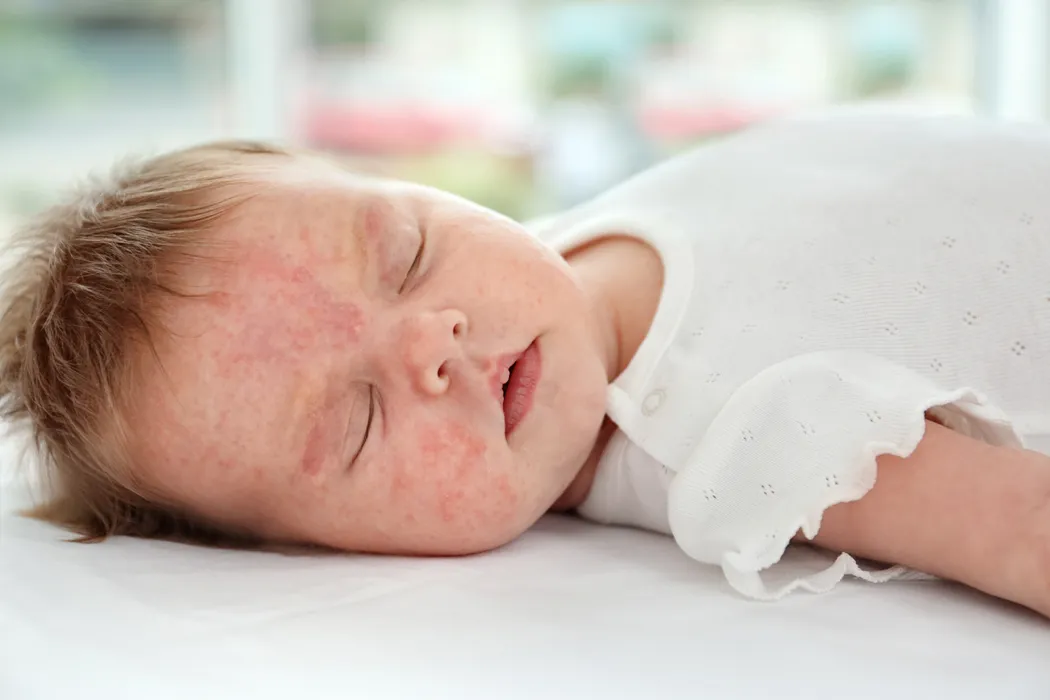
 

Baby Eczema vs Acne: What’s the Main Difference?

If you are still unsure what you are seeing on your baby’s skin, understanding baby eczema vs acne comes down to a few key differences. Paying attention to when it appears, how it looks, and how your baby reacts can help you identify the condition more confidently.

Here is a simple comparison to guide you.

  • Age of onset: Baby acne usually appears early, often within the first 2 to 4 weeks of life. Eczema tends to develop later, commonly between 1 and 6 months, as the skin barrier begins to show sensitivity.
  • Appearance: Baby acne presents as small, raised red or white bumps that resemble tiny pimples. Eczema appears as flat, dry, and scaly patches that may look inflamed or slightly cracked.
  • Itchiness and discomfort: Baby acne is not itchy or painful, and most babies are completely unaware of it. Eczema, on the other hand, is often very itchy and may cause noticeable discomfort, fussiness, or disturbed sleep.
  • Location on the body: Acne is usually limited to the face, particularly the cheeks, nose, and forehead, and may sometimes extend to the neck or chest. Eczema can begin on the face but often spreads to areas like the elbows, behind the knees, and other skin folds.
  • Skin texture: In baby acne, the surrounding skin typically feels smooth aside from the small bumps. With eczema, the affected areas feel rough, dry, and sometimes thickened due to ongoing irritation.

Understanding these differences may help you choose the right care approach and avoid using treatments that could worsen your baby’s skin.

Daily Skincare Tips for Healthy Newborn Skin
 

Whether you are managing baby acne, infant eczema, or simple newborn skin dryness, a gentle and consistent skincare routine makes a noticeable difference. A newborn’s skin barrier is thinner and more delicate, which means it can lose moisture quickly and react easily to products or environmental changes.

Here are some simple, effective habits to follow.

  • Less is more: Babies do not need complicated skincare routines. A mild cleanser and a reliable, fragrance-free moisturiser are usually enough to keep their skin clean and protected without overwhelming it.
  • Be cautious with “natural” products: Labels like “organic” or “natural” can be misleading. Many such products contain essential oils or plant extracts that may irritate sensitive skin or trigger allergic reactions in infants.
  • Keep nails trimmed: Babies often scratch unintentionally, especially if their skin feels irritated or itchy. Keeping nails short or using soft mittens may help prevent skin damage and reduce the risk of infection.
  • Dress appropriately for the weather: Overheating can worsen both acne and eczema. Choose soft, breathable fabrics like cotton and layer clothing so you can easily adjust to changes in temperature.

With a simple, mindful approach, you can support your baby’s skin as it gradually strengthens and adapts to the outside world.

When to See a Paediatrician?

While understanding baby eczema vs acne can help guide basic care at home, it is always best to consult a paediatrician if you are unsure about your baby’s skin condition. Some symptoms may indicate an underlying issue that needs medical attention rather than home management.

You should seek medical advice promptly if you notice any of the following warning signs.

  • Fever alongside the rash: If skin changes are accompanied by a fever, it may suggest an infection or another condition that requires evaluation.
  • Oozing, crusting, or warmth: Skin that releases yellowish fluid, forms crusts, or feels warm to the touch may indicate a bacterial infection that needs treatment.
  • Unusual skin markings: Spots that resemble bruises, blood spots, or purple patches should always be assessed by a doctor.
  • Behavioural changes: If your baby appears unusually lethargic, excessively irritable, or refuses to feed, it may signal discomfort or illness beyond a simple skin condition.
  • Rapid spreading: If the rash or patches spread quickly across the body or worsen despite gentle care, medical guidance is important.

A paediatrician can confirm the diagnosis, rule out serious conditions, and recommend safe, targeted treatments to keep your baby comfortable and healthy.

Load more products

Conclusion

Skin changes in newborns can feel worrying at first, but conditions like baby acne and eczema are both common and manageable with the right approach. Understanding the difference between baby eczema vs acne helps you respond appropriately, avoid unnecessary treatments, and keep your baby comfortable.

While baby acne usually resolves on its own with minimal care, eczema may require a more consistent routine focused on hydration and trigger management. Paying attention to your baby’s skin, behaviour, and overall comfort can guide your next steps.

If ever in doubt, it is always best to consult a paediatrician. With gentle care, patience, and the right guidance, your baby’s skin will gradually settle and stay healthy as they grow.

FAQS 

Can baby acne turn into eczema?

No, baby acne and eczema are separate conditions with different causes. Baby acne is temporary and linked to hormones, while eczema is related to skin sensitivity and a weaker skin barrier. A baby may have acne early on and develop eczema later, but one does not turn into the other.

Should I put breast milk on my baby’s acne or eczema?

Breast milk may have mild soothing properties and is sometimes used for minor skin concerns. However, it is not a reliable treatment. For eczema in particular, a thick, fragrance-free moisturiser is usually more effective in protecting and repairing the skin.

Are baby wipes safe to use on baby acne or eczema?

It is better to avoid wipes on affected areas, especially the face. Even gentle wipes can contain ingredients that may irritate sensitive or inflamed skin. A soft cloth with lukewarm water is a safer choice.

How long does baby acne usually last

Baby acne often appears within the first few weeks of life, may peak around 3 to 4 weeks, and usually clears on its own by 2 to 3 months. If it lasts longer or appears later, it is best to consult a paediatrician.

How does baby eczema appear on darker skin tones?

On darker skin, eczema may appear as patches that are darker than the surrounding skin, such as purple, grey, or deep brown areas. The skin may still feel dry, rough, and itchy, and the patches may look slightly raised during flare-ups.

Apollo 247 Floating Action Button