0

Baby Fever That Comes and Goes: Causes & What to Do?

Explore the potential causes of baby fever and learn practical ways to manage these fluctuating emotions.

article image

Dr. Kamran

As a parent, nothing is more stressful than seeing your little one feel unwell. When your child’s temperature spikes, drops, and then spikes again, it is completely normal to feel a wave of anxiety. A 2-year-old baby's fever comes and goes quite frequently, and while it can be alarming, it is usually a sign that your toddler’s immune system is doing exactly what it is supposed to do, fighting off an infection.

In this comprehensive guide, we will break down what a fluctuating fever means, the most common causes, and how to keep your toddler comfortable. We will also cover the warning signs that indicate it is time to call your paediatrician.
 

Understanding Fever in Toddlers

Before diving into the causes, it is important to understand what constitutes a fever. According to the Centres for Disease Control and Prevention (CDC) and the American Academy of Pediatrics (AAP), a true fever in a toddler is a core body temperature of 100.4°F (38°C) or higher.

A fever is not an illness itself; rather, it is a symptom. When bacteria or viruses enter your child’s body, the brain's "thermostat" (the hypothalamus) raises the body's temperature to create an environment where the germs cannot survive.

But why does the temperature fluctuate? The body’s temperature naturally rises and falls throughout the day, usually peaking in the late afternoon and evening. Furthermore, if you are giving your child fever-reducing medication, their temperature will drop, only to rise again once the medication wears off.

Common Causes: Why Baby Fever Comes and Goes?

If you are wondering why baby fever comes and goes, the answer usually lies in how the immune system responds to everyday childhood illnesses. Toddlers are highly curious, constantly touching objects and putting their hands in their mouths, which makes them prime targets for germs.

Here are the most common reasons your toddler might be experiencing a fluctuating fever:

1. Viral Infections

  • Viruses are the most common culprits behind a fever in toddlers. Common colds, the flu, stomach bugs (gastroenteritis), and respiratory syncytial virus (RSV) can cause a fever that lasts for a few days.
  • Another classic example is Roseola, a common childhood viral illness. With Roseola, a 2-year-old baby's fever comes and goes over a period of three to five days. Once the fever finally breaks, a harmless, rosy pink rash typically appears on the child's torso.

2. Bacterial Infections

While less common than viruses, bacterial infections require medical attention and often antibiotics. Common bacterial infections in toddlers include:

  • Ear Infections: Very common in toddlers due to the shape of their ear canals.
  • Urinary Tract Infections (UTIs): Often missed in toddlers because they may not be able to articulate that it hurts when they pee.
  • Strep Throat: Though more common in slightly older children, toddlers can still get strep throat.

3. Teething

There is a widespread myth that teething causes high fevers. While teething can cause a very slight elevation in your baby's body temperature (sometimes called a "low-grade" fever), it does not cause a true fever of 100.4°F or higher. If your toddler has a high fever, it is an illness, not their teeth.

4. Immunisations

It is very common for toddlers to experience a mild fever that fluctuates for 24 to 48 hours after receiving their routine vaccinations. This is a positive sign that their immune system is building antibodies.
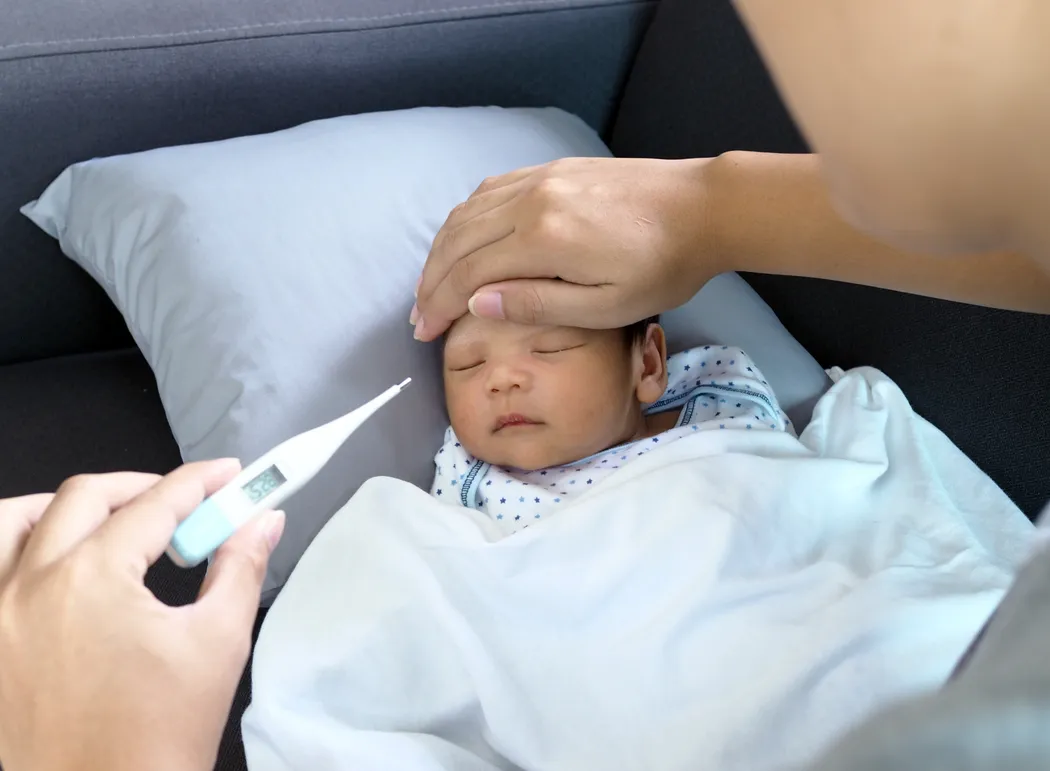
How to Manage When a 2-Year-Old Baby's Fever Comes and Goes?

When dealing with a sick child, your primary goal is not necessarily to bring the fever down to a perfect 98.6°F, but rather to make your child comfortable. Here are the best paediatrician-approved ways to manage your child’s symptoms at home.

Focus on Hydration

  • When a toddler has a fever, they sweat and lose fluids much faster than usual. Dehydration is the biggest risk during a fever.
  • Offer small, frequent sips of water.
  • Provide oral rehydration solutions (like Pedialyte) to replace lost electrolytes.
  • Offer hydrating snacks like popsicles, watermelon, or clear broths.
  • Do not force them to eat solid foods if they have no appetite; focus entirely on liquids.

Dress Them Comfortably

  • When a 2-year-old baby's fever comes and goes, parents often make the mistake of bundling the child up when they shiver.
  • Bundling can actually trap the heat and cause the temperature to rise further.
  • Dress your toddler in lightweight, breathable cotton clothing.
  • Use a light blanket if they are shivering.
  • Keep the room temperature cool and comfortable (around 70°F to 74°F).

Safe Use of Fever-Reducing Medication

If your toddler is fussy, crying, or unable to sleep, fever-reducing medications can help.

  • Acetaminophen (Tylenol): Can be given to children over 2 months old.
  • Ibuprofen (Advil/Motrin): Can be given to children over 6 months old.
  • Important: Never give Aspirin to children or teenagers, as it is linked to a rare but life-threatening condition called Reye's syndrome.

Always dose based on your child’s weight, not their age. If the fever drops after medication but spikes hours later, this is normal. Continue to monitor your child's behaviour.

Buy Babygesic Oral Drops

Load more products

When to See a Doctor for Your Toddler’s Fever?

Most fevers can be safely managed at home. However, you know your child best. If your parental instinct tells you something is wrong, do not hesitate to call your paediatrician.

If you are managing a 2.5-year-old baby's fever or a fever in any toddler between the ages of 1 and 3, you should contact a doctor if you observe any of the following red flags:

  • Duration: A 2-year-old baby's fever comes and goes for more than 3 consecutive days (72 hours).
  • High Temperature: The fever reaches 104°F (40°C) or higher.
  • Signs of Dehydration: Your child has not had a wet diaper in 8 hours, has no tears when crying, or has a dry mouth and sunken eyes.
  • Behavioural Changes: Your child is extremely lethargic, difficult to wake up, unusually irritable, or won't make eye contact.
  • Physical Symptoms: The fever is accompanied by a stiff neck, a severe headache, persistent vomiting, or an unexplained skin rash.
  • Febrile Seizures: If your child's body stiffens or twitches (a febrile seizure), lay them on their side on a safe surface, time the seizure, and seek emergency medical care immediately.

Tips for Taking Your Toddler's Temperature

To accurately monitor your child, it is crucial to take their temperature correctly. For toddlers between 2 and 3 years old, there are a few reliable methods:

1. Rectal Thermometer: This remains the most accurate method for measuring core body temperature, though it can be uncomfortable for a toddler.
2. Tympanic (Ear) Thermometer: Fast and generally accurate for children over 6 months old, provided it is inserted correctly.
3. Temporal Artery (Forehead) Thermometer: Very popular, easy to use, and highly reliable for toddlers.
4. Axillary (Armpit): Less accurate but good for a quick screening. If it reads over 99°F, verify with another method.

Load more products

Conclusion

It can be incredibly nerve-wracking for parents when a 2-year-old baby's fever comes and goes. However, remembering that a fever is a healthy, natural immune response can provide some peace of mind. By keeping your toddler hydrated, administering appropriate, weight-based medications when they are uncomfortable, and keeping a close eye on their behaviour, you can safely guide them through their illness. Always trust your gut. If you feel your little one needs medical attention, reach out to your healthcare provider for expert guidance.
 

FAQS

How long is it normal for a toddler's fever to come and go?

It is normal for a viral fever to fluctuate and last for 3 to 5 days. However, if the fever persists for more than 3 full days (72 hours) without improvement, you should contact your paediatrician for an evaluation.

Should I wake my sleeping baby to give them fever medication?

No, sleep is incredibly important for a sick child's immune system. If your toddler is sleeping peacefully, there is no need to wake them just to give them a dose of fever reducer or check their temperature. Let them rest.

Why does my toddler's fever spike at night?

A child's natural body temperature is naturally higher in the late afternoon and evening due to their circadian rhythm. Additionally, cortisol (a hormone that helps fight inflammation) levels drop at night, which can cause the fever to rise.

Can teething cause a fever that comes and goes?

No. While teething can cause a very mild rise in body temperature (up to about 100°F), it does not cause a true fever (100.4°F or higher). If your child has a high fever, it is likely caused by a viral or bacterial infection, not their teeth.

How do I know if my child's fever is a medical emergency?

You should seek immediate emergency care if your child is unusually lethargic, cannot be woken up, has a stiff neck, struggles to breathe, develops a rash that doesn't fade when pressed, or experiences a seizure.

Apollo 247 Floating Action Button