0

Baby Fever Medicine: Safe Options by Age

Discover safe baby fever medicines by age, including dosage guidelines for infants and toddlers. Learn when to use paracetamol or ibuprofen and when to consult a doctor.

article image

Dr. Mayank

Nothing makes a parent’s heart race quite like feeling their little one’s forehead and realising it’s burning up. Fevers are a normal, healthy sign that your child’s immune system is fighting off an infection. However, watching your baby feel uncomfortable is stressful, and choosing the right baby fever medicine can feel overwhelming.

Because a baby’s body is still developing, the rules for treating a fever change rapidly during their first two years. What works for a toddler could be dangerous for a newborn. In this comprehensive guide, we will break down safe baby fever medicine options by age, explore effective home remedies, and share expert tips on how to keep your little one comfortable.

Understanding Baby Fevers: When Should You Treat?

Before reaching for any medicine for baby fever, it is important to understand what constitutes a true fever. According to the American Academy of Pediatrics (AAP), a normal body temperature is around 98.6°F (37°C). A true fever in babies is a rectal temperature of 100.4°F (38°C) or higher.

Remember, the goal of any baby fever treatment is not just to bring the thermometer number down, but to improve your child's comfort. If your baby has a mild fever but is still smiling, playing, and drinking fluids, they may not need medication at all.

However, if they are fussy, lethargic, or having trouble sleeping, it’s time to look at safe ways on how to control baby fever.

Load more products

Safe Baby Fever Medicine by Age Group

Medication safety depends entirely on your child’s age and weight. Never give aspirin to a child or teenager, as it has been linked to a rare but fatal condition called Reye's syndrome.

Here is a breakdown of safe infant fever medicine options based on your baby’s age:

1. Newborn to 3 Months

When it comes to new born baby fever medicine, the medical rule is simple: Do not give any medication without a doctor's explicit instruction.

  • 0 to 1 Month: A fever in a newborn is considered a medical emergency. If your baby is under 28 days old and has a fever of 100.4°F or higher, go to the emergency room immediately. There is no safe at-home newborn baby fever medicine.
  • 2 to 3 Months: Similarly, if you are looking for a 2 month baby fever medicine, stop and call your paediatrician. Babies this young have immature immune systems, and a doctor needs to rule out serious bacterial infections.

2. Infants: 3 to 6 Months

Once your baby passes the three-month mark, you have a bit more flexibility, but caution is still required.

  • 4 to 5 Months: The only safe 5 month baby fever medicine available over-the-counter is infant acetaminophen (Tylenol). Always use the syringe provided with the medication, and dose based on your baby's weight, not their age.
  • 6 Months: A 6 month baby fever medicine can include acetaminophen or, once they hit exactly six months of age, infant ibuprofen (Motrin or Advil). Ibuprofen lasts a little longer than acetaminophen and can help reduce inflammation.

3. Older Infants: 7 to 11 Months

At this stage, your baby is likely eating solid foods and becoming more active.

  • 7 to 9 Months: If you need an 8 month baby fever medicine, you can safely choose between infant acetaminophen and infant ibuprofen.
  • 10 to 11 Months: Whether you are looking for a 10 month baby fever medicine or an 11 month baby fever medicine, the rules remain the same. Always consult your paediatrician for the most accurate weight-based dosage chart. Never give cold or cough medicines to babies, as they are unsafe and ineffective for infants.

4. Toddlers: 1 to 2 Years

As your baby enters toddlerhood, managing fevers becomes slightly easier, though the same safety rules apply.

  • 1 Year Olds: A safe 1 year baby fever medicine (or 1 year old baby fever medicine) is still limited to children's acetaminophen or ibuprofen. Make sure you transition from "infant" drops to "children's" liquid suspensions carefully, as the concentrations can differ.
  • 1.5 to 2 Years: For a 1.5 year baby fever medicine or a 2 year baby fever medicine, you can continue with acetaminophen or ibuprofen. Because toddlers grow quickly, verify their current weight to ensure you are giving the correct dose.
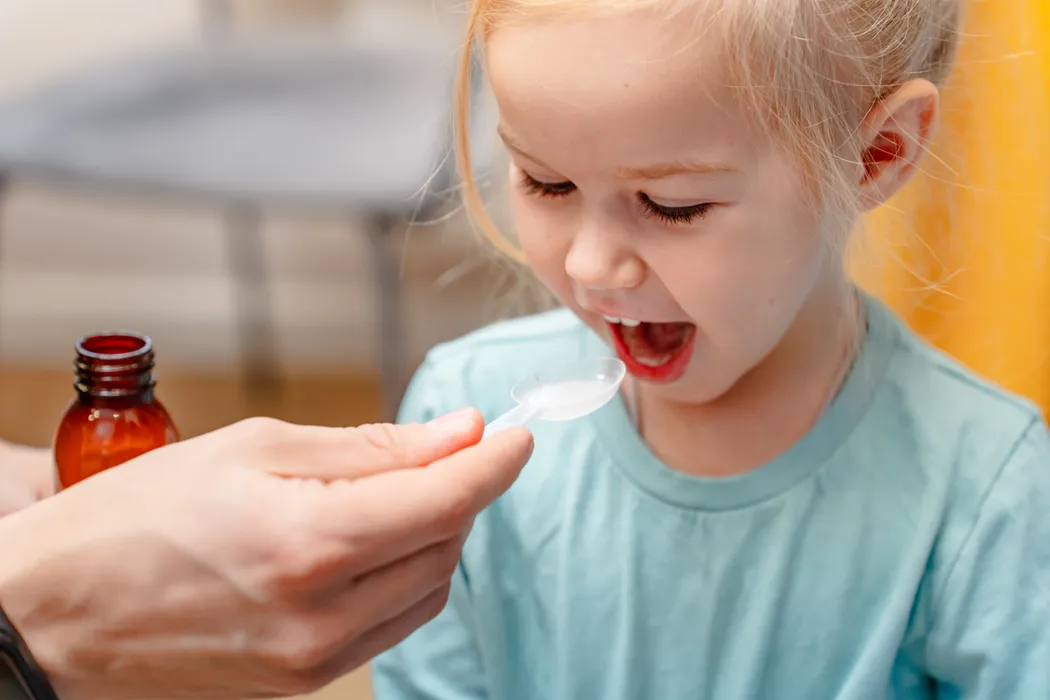
How to Cure Baby Fever at Home Safely?

Many anxious parents search for how to cure baby fever at home. Medically speaking, you cannot "cure" a fever - the fever itself is just a symptom of an underlying illness (like a virus or an ear infection). Instead of aiming to cure the fever, focus on how to reduce baby fever and keep your child comfortable while their body does the hard work of fighting the germs.

Hydration is the Best Remedy

When figuring out how to control baby fever, hydration should be your top priority. Fevers cause babies to sweat and lose fluids rapidly, which can lead to dehydration.

  • For babies under 6 months: Offer extra breast milk or formula.
  • For babies over 6 months: You can offer small sips of water or a paediatrician-approved oral rehydration solution.

Gentle Home Remedies by Age Group

If you prefer to avoid medication, or if you want to use remedies alongside your baby fever medicine, there are plenty of safe, natural methods. Every home remedy for baby fever should focus on cooling the body gently.


Under 1 Year Old

  • 6 Month Baby Fever Home Remedy: Dress your baby in a single layer of lightweight, breathable cotton clothing. Overdressing traps body heat and can cause the fever to spike.
  • 8 Month Baby Fever Home Remedy: Try a lukewarm sponge bath. Use a damp, room-temperature sponge to wipe down their arms, legs, and torso. Never use cold water, ice baths, or rubbing alcohol, as these can cause shivering, which actually raises the body's core temperature.

1 to 2 Years Old

  • 1 Year Baby Fever Home Remedies: If you need a 1 year baby fever home remedy, try offering a soothing frozen treat. Breastmilk popsicles or frozen fruit mash popsicles can help cool them down from the inside out while providing necessary hydration.
  • 2 Year Baby Fever Home Remedies: Encourage quiet indoor play. Keep the room temperature comfortable (around 70°F to 74°F) and run a cool-mist humidifier to make breathing easier, especially if the fever is accompanied by a stuffy nose.

How to Reduce Baby Fever at Night?

Fevers are notorious for spiking in the evening and overnight. This happens because the body's natural levels of cortisol (a hormone that reduces inflammation) drop at night, allowing the immune system to kick into overdrive.

If you are wondering how to reduce baby fever at night, follow these simple steps:
1. Give Medication Before Bed: If approved by your doctor, administer a weight-appropriate dose of baby fever medicine right before bedtime to help them sleep comfortably.
2. Keep the Room Cool: Keep the nursery cool but not drafty. Use a light blanket or a lightweight sleep sack.
3. Keep Hydration Nearby: If your baby wakes up fussy, offer the breast, a bottle, or a sippy cup of water to keep them hydrated.
4. Monitor Without Waking: Unless your doctor specifically told you to wake your child for medication, let them sleep. Sleep is one of the most effective ways for a baby’s body to heal.

When to Call the Doctor?

While knowing how to reduce baby fever is empowering, knowing when to seek professional help is vital. Call your paediatrician immediately if:

  • Your baby is under 3 months old with any fever.
  • The fever lasts more than 24 hours in a child under 2 years old.
  • The fever reaches 104°F (40°C) repeatedly for a child of any age.
  • Your baby has other alarming symptoms like an unexplained rash, persistent vomiting, a stiff neck, or extreme lethargy.
  • Your baby is not producing wet diapers (a sign of severe dehydration).

Safe Fever Care Starts With The Right Knowledge

Managing a fever in babies can feel overwhelming, but understanding age-appropriate care makes all the difference. From knowing when to avoid medication entirely in newborns to safely using paracetamol or ibuprofen in older infants and toddlers, the key is always to prioritise safety and correct dosing. Remember, fever itself is not the enemy - it is your baby’s natural defence against infection.
Alongside the right baby fever medicine, simple home care practices like keeping your child well-hydrated, dressing them lightly, and ensuring a comfortable sleep environment can significantly ease their discomfort. Often, these supportive measures are just as important as medication in helping your baby recover. Most importantly, trust your instincts as a parent. If something does not feel right or symptoms persist, do not hesitate to consult your paediatrician. With the right approach and timely care, you can keep your baby safe, comfortable, and on the path to recovery.

Load more products

FAQS

Can I alternate acetaminophen and ibuprofen for my baby's fever?

Alternating acetaminophen and ibuprofen is sometimes recommended by paediatricians for stubborn fevers in babies over 6 months old. However, this should only be done under the direct guidance of your doctor, as it is very easy to accidentally overdose or confuse the timing of the medications.

Should I wake a sleeping baby to give them baby fever medicine?

Generally, no. Sleep is crucial for recovery. If your baby is sleeping peacefully, there is no need to wake them just to give them medicine. Only wake them if your paediatrician has specifically advised you to do so on a strict schedule.

Are forehead or ear thermometers accurate for babies?

For babies under 6 months old, a digital rectal thermometer provides the most accurate and reliable core body temperature reading. Ear thermometers are not recommended for babies under 6 months because their ear canals are too narrow. Forehead (temporal) thermometers are convenient but can sometimes be slightly less accurate than rectal readings.

Why are my baby's hands and feet cold even though they have a fever?

It is very common for a baby with a fever to have a hot head and torso but cool hands and feet. This happens because blood vessels in the extremities constrict to push blood and heat toward the core of the body to fight off the infection.

Can teething cause a high baby fever?

Teething can cause a very slight elevation in body temperature (sometimes called a "low-grade fever"), but it does not cause a true fever of 100.4°F or higher. If your teething baby has a temperature above 100.4°F, it is likely caused by an illness or virus, not their teeth.

Apollo 247 Floating Action Button