0

Baby Fever Temperature Chart: What's Normal & What's Not

Understand baby fever temperature ranges by age, how to check accurately, warning signs, and when to seek medical care.
 

article image

Dr. Rohini priyanaka

It can be worrying to pick up your baby and feel that they are warmer than usual, especially in the middle of the night. A warm forehead often leads to immediate concern, but in many cases, a fever is simply the body’s way of responding to an infection.

That said, it is not always easy to tell the difference between a mild rise in temperature and something that needs attention. This is where understanding normal temperature ranges becomes important.

Knowing what is considered normal for your baby’s age can help you respond calmly and take the right steps when needed. This guide explains how to interpret temperature readings, what counts as a fever, and when it may be time to seek medical advice.
 

What Constitutes a Normal Baby Fever Temperature?

Before looking at fever levels, it helps to understand what is considered normal. A baby’s body temperature can vary slightly during the day. It is often a bit lower in the morning and may rise slightly in the late afternoon or evening.

In general, a normal body temperature for babies ranges between 36.4°C and 37.5°C when measured accurately. Small fluctuations within this range are usually not a cause for concern if your baby is otherwise active and feeding well.

A fever is typically defined as a temperature of 38°C or higher, especially when measured using a reliable method such as a rectal thermometer. This is the point at which doctors consider the temperature to be clinically significant.

However, the way a fever is managed depends on your baby’s age. A temperature that may be manageable in an older child can require immediate medical attention in a newborn. This is why age-specific guidance is important when interpreting any reading.


Explore Paediatric Fever Medicines Here
 

Load more products

The Ultimate Age Baby Fever Temperature Chart

Age plays an important role in how a fever is interpreted and managed. The same temperature may be handled very differently depending on how old your child is. Here is a simple, age-based guide to help you understand what is considered normal and when to take action.

0 to 3 Months Old (Newborns)

In the first few months, a baby’s immune system is still developing, so fevers are taken very seriously.

  • Normal range: 36.4°C to 37.5°C
  • Fever level: 38°C or higher

What to do: If your baby is under 3 months old and has a temperature of 38°C or above, it should be treated as urgent. Do not give any medication unless advised. Contact a paediatrician or seek emergency care straight away.

Even at around two months of age, this threshold remains the same. Any fever at this stage needs prompt medical attention.

Watch for these signs: Unusual sleepiness, difficulty waking, refusal to feed, persistent crying, breathing difficulty, or a rash. These may indicate that the baby needs immediate care.

3 Months to 12 Months (Infants)

As babies grow, their bodies become slightly better at handling infections, but fevers still need careful monitoring.

  • Normal range: 36.4°C to 37.5°C
  • Fever threshold: 38°C or higher

What to do: If the temperature rises to around 39°C or continues for more than a day, it is advisable to speak to a doctor.

By around one year of age, some babies may tolerate slightly higher temperatures if they are otherwise active and feeding well. However, behaviour and overall condition are just as important as the number on the thermometer.

1.5 to 3 Years Old (Toddlers)

Toddlers often experience fevers as they are exposed to more infections, especially through playgroups or daycare.

Typical fever range: Up to around 39°C may be seen during common illnesses
What to do: Focus on how your child is behaving. If they are drinking fluids, responsive, and reasonably active, the fever may be monitored at home.

If the temperature goes above 39°C, lasts more than a few days, or is accompanied by symptoms such as persistent vomiting, unusual drowsiness, or stiffness, it is best to consult a doctor.

4 to 5 Years Old (Preschoolers)

Older children can usually express how they feel, which makes it easier to assess their condition.

  • Common fever range: Around 38°C to 39.5°C during mild illnesses
  • What to do: Fevers in this age group are often manageable at home with fluids, rest, and doctor-advised medication if needed.

Medical advice should be sought if the fever rises above 40°C, lasts more than 3 to 5 days, or is associated with more serious symptoms.

This chart is meant to serve as a general guide. Every child is different, so if something feels unusual or concerning, it is always best to consult a paediatrician for personalised advice.

Explore Thermometers Here
 

Load more products

How to Check the Temperature for Baby Fever?

Getting an accurate reading is important when checking for fever. The method you use can make a difference, especially in younger babies.

  • Rectal thermometers: This is considered the most accurate method for babies under one year. It measures core body temperature and is often recommended when you need a precise reading, especially if a fever is suspected.
  • Axillary (armpit) thermometers: These are easier to use and less invasive, making them useful for quick checks. However, they may not be as accurate. If an underarm reading suggests a fever, it is best to confirm it with a more reliable method.
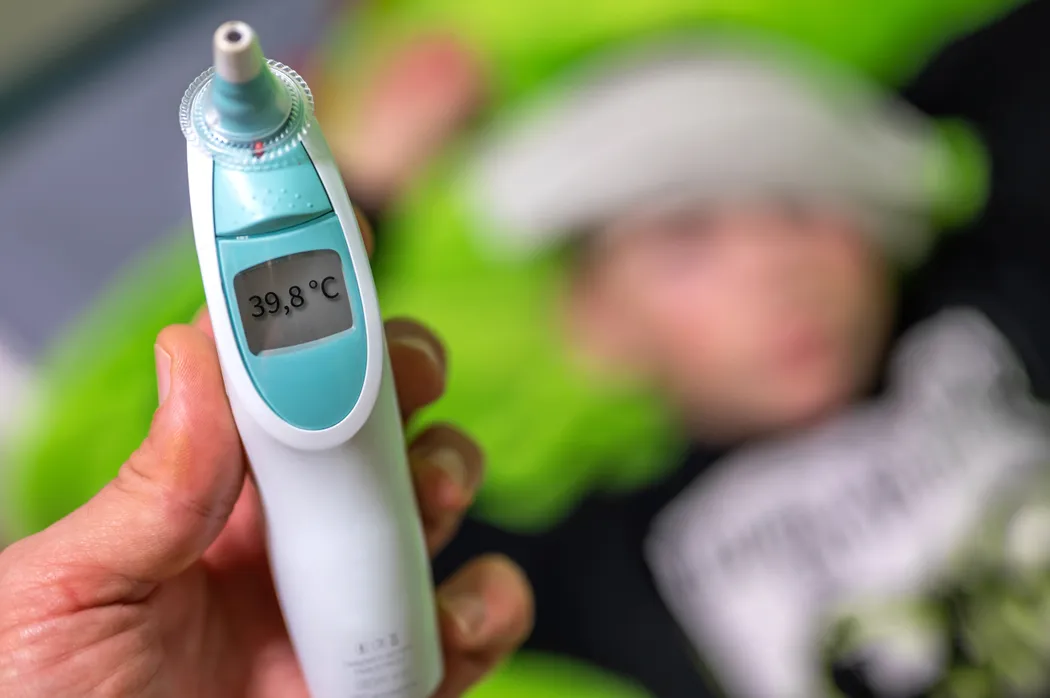
  • Tympanic (ear) thermometers: These can be used in babies older than 6 months. They are quick and convenient, but proper positioning is important for an accurate result.
  • Temporal (forehead) thermometers: These are simple to use and work well for toddlers and older children. They are non-invasive and can be especially helpful when your child is sleeping or uncomfortable.

Choosing the right method based on your baby’s age can help ensure you get a reliable reading and respond appropriately if there is a concern.
 

When the Baby Fever Temperature is Not Normal: Red Flags

While general temperature ranges can guide you, it is important to pay attention to how your child looks and behaves. If your baby’s temperature seems outside the normal range, or if you notice any of the following signs, it is best to seek medical care without delay.

  • Very young age with fever: If your baby is under 3 months old and has a temperature of 38°C or higher, it should be treated as urgent and checked by a doctor immediately.
  • Unusual drowsiness or limpness: If your baby seems extremely sleepy, difficult to wake, not making eye contact, or unusually floppy, this may indicate a more serious issue.
  • Signs of dehydration: Fewer wet diapers, a dry mouth, crying without tears, or a sunken soft spot on the head may suggest dehydration and need prompt attention.
  • Breathing difficulties: Rapid breathing, flaring nostrils, or a bluish tint around the lips or face can be signs of breathing distress and require urgent care.
  • Unusual rash: A fever along with a rash that looks like small bruises or purple spots, especially if it does not fade when pressed, should be evaluated immediately.
  • Seizures: Some children may experience seizures when a fever rises quickly. Although they may not always be serious, they can be alarming and should always be assessed by a doctor.

If you notice any of these warning signs, it is important not to wait. Prompt medical evaluation can help identify the cause and ensure your child receives appropriate care.
 

Tips for Keeping Your Feverish Baby Comfortable

If your baby’s temperature is within a manageable range and your doctor has advised home care, the focus should be on keeping them comfortable and well-supported while their body recovers.

  • Keep your baby well-hydrated: Offer regular feeds, whether breastmilk or formula. For older babies, small amounts of water or doctor-recommended fluids may help. Staying hydrated is important, as fever can lead to fluid loss.
  • Dress lightly: Avoid over-bundling. A single layer of lightweight clothing is usually enough. Too many layers may trap heat and make your baby feel more uncomfortable.
  • Maintain a comfortable room temperature: Keep the room slightly cool and well-ventilated. A comfortable environment can help regulate body temperature more effectively.
  • Use fever-reducing medicines if advised: Medicines such as paracetamol or ibuprofen may be recommended by a paediatrician based on your baby’s weight and age. Always follow the exact dosage instructions and avoid giving any medication without guidance.
  • Allow rest and monitor closely: Your baby may want to sleep more than usual. Let them rest, but check on them regularly to ensure they are comfortable and responsive.

Simple supportive care often helps your baby feel better while their body deals with the underlying cause of the fever.
 

Conclusion

A rise in temperature can feel alarming, especially in babies, but it is often a natural response to infection. Understanding what is normal for your child’s age and knowing how to interpret temperature readings can help you stay calm and take the right steps.
In many cases, fevers can be managed at home with simple care and close observation. Keeping your baby comfortable, well-hydrated, and properly monitored often goes a long way.

At the same time, it is important to recognise when a fever needs medical attention. Paying attention to warning signs and seeking timely advice can help ensure your baby receives the care they need.

With the right awareness and a balanced approach, you can handle fever episodes with more confidence and keep your child safe and comfortable.

Disclaimer: This article is for informational purposes only and does not substitute for professional medical advice. Always consult your paediatrician for any concerns about your baby’s health and medical needs.
 

FAQS

Is 99°F considered a fever in babies?

No, a temperature of 99°F falls within the upper end of the normal range. A true fever is usually defined as 38°C or higher. Readings slightly below this may be considered elevated but are not classified as a fever.

Can teething cause a high fever in babies?

Teething may cause mild discomfort and a slight rise in temperature, but it does not usually lead to a true fever. If your baby has a temperature of 38°C or above, it is more likely due to an infection rather than teething.

Should I wake my baby to give fever medicine?

In most cases, it is not necessary to wake a sleeping baby if they are resting comfortably and breathing normally. Sleep supports recovery. However, if your doctor has given specific instructions about medication timing, it is best to follow their advice.

What is a normal temperature for a 1-year-old?

For a healthy one-year-old, body temperature typically ranges between 36.4°C and 37.5°C. During illness, a mild to moderate fever may occur, but how the child behaves and responds is just as important as the number on the thermometer.

Should I give my baby a cold bath to reduce fever?

Cold baths are not recommended, as they can cause shivering, which may raise body temperature further. If needed, a lukewarm sponge bath can help your baby feel more comfortable, along with appropriate care advised by your doctor.

Apollo 247 Floating Action Button