0

Baby Food Allergy Symptoms: How to Identify & Manage?

Learn common baby food allergy symptoms, triggers, how to identify reactions, and safe ways to manage allergies in infants.
 

article image

Dr. Kamran

Introducing your baby to solid foods is an exciting step, filled with new tastes, textures, and reactions. While many babies adapt smoothly, it is natural for parents to feel cautious about how their child’s body might respond to new foods.

Food allergies in infants are not uncommon, and recognising the early signs may help you respond quickly and appropriately. Being informed allows you to introduce foods with greater confidence while keeping your baby safe.

In this guide, we will help you understand the common symptoms of food allergies in babies, how they differ from mild sensitivities, and the steps you can take to manage them effectively.
 

What is a Baby Food Allergy?

A baby food allergy occurs when your child’s immune system reacts abnormally to a specific food protein. Instead of recognising the food as harmless, the body treats it as a threat and activates a defensive response.

As part of this process, the immune system produces antibodies known as Immunoglobulin E. When the same food is consumed again, these antibodies trigger the release of chemicals such as histamine. This reaction is what leads to the visible symptoms of an allergy, which may range from mild skin irritation to more serious, potentially life-threatening responses.

It is also important to distinguish between a food allergy and a food intolerance. A food allergy involves the immune system and may cause rapid, severe reactions. In contrast, a food intolerance usually affects the digestive system, leading to symptoms like bloating or discomfort, but it does not carry the same level of risk.
 

Common Culprits: The Baby Food Allergy List

While a baby can develop an allergy to almost any food, a small group of common allergens is responsible for most reactions in children. Being aware of these foods may help you introduce solids more confidently and monitor your baby closely for any unusual responses.


Here are the most common triggers to keep in mind:

  • Cow’s milk: One of the most frequent allergens in infants. This involves a reaction to milk proteins rather than lactose. Symptoms may include skin rashes, vomiting, diarrhea, or even breathing issues in more severe cases. It is commonly seen when introducing formula or dairy-based foods.
  • Eggs: The proteins in egg whites are usually responsible for allergic reactions, although avoiding the whole egg is generally recommended if sensitivity is suspected. Reactions may include hives, swelling around the mouth, or digestive discomfort shortly after eating.
  • Peanuts: A well-known allergen that can cause a wide range of reactions, from mild skin irritation to severe allergic responses. Even a small amount may trigger symptoms in sensitive babies, so careful introduction is important.
  • Tree nuts: This group includes almonds, walnuts, cashews, pistachios, and more. Allergies to tree nuts may cause skin reactions, swelling, or breathing difficulties. Cross-reactivity between different nuts is also possible.
  • Soy: Often present in infant formulas and processed foods, soy may lead to digestive symptoms such as diarrhea, gas, or fussiness, along with possible skin reactions in some babies.
  • Wheat: An allergy to wheat proteins may cause symptoms like hives, swelling, or gastrointestinal upset. It is different from coeliac disease, which involves a separate immune response to gluten.
  • Fish: Fish allergies may develop early and can cause symptoms such as skin rashes, vomiting, or respiratory issues. Certain types like salmon or tuna are common triggers.
  • Shellfish: Includes shrimp, crab, and lobster. These allergies are often associated with stronger reactions and may persist into later childhood or adulthood.
  • Sesame: Now recognised as a common allergen, sesame may be found in breads, spreads, and snack foods. Reactions can include skin irritation, swelling, or digestive discomfort.

When introducing these foods, it is best to offer one new item at a time and observe your baby over the next 24 to 48 hours. This approach may help you identify the cause more easily if any symptoms appear.
 

Recognising Baby Food Allergy Symptoms


Allergic reactions in babies can vary from mild to severe, and they do not always follow a predictable pattern. A baby may have a very mild reaction the first time they try a food, but a stronger reaction on a later exposure. This is why careful observation during and after feeding is essential.

Most symptoms tend to appear within a few minutes to up to two hours after eating the trigger food. These reactions may affect the skin, digestive system, or breathing, and can range in intensity depending on the baby’s sensitivity.

Mild to Moderate Symptoms

If your baby shows any of the following signs, it is advisable to consult your paediatrician for guidance and further evaluation.

  • Skin reactions: These are often the earliest and most noticeable signs of an allergy.
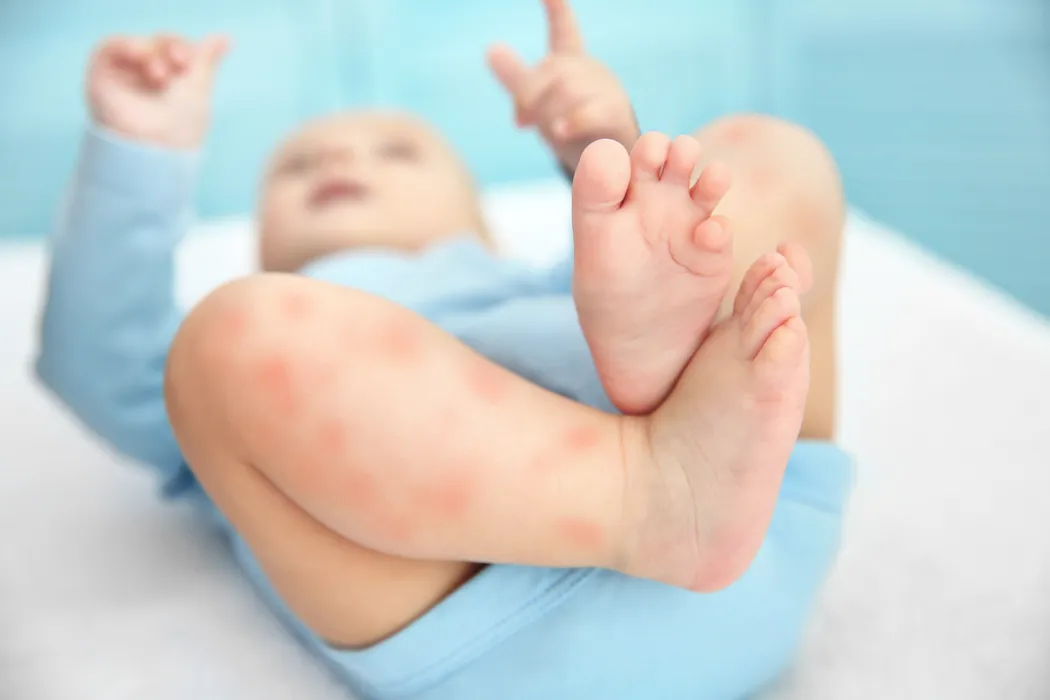
    Hives: Raised, red, itchy bumps that may resemble mosquito bites. They can appear suddenly and may spread across different parts of the body.
  • Allergic rash or flushing: You may notice sudden redness of the skin or a flare-up of existing eczema. The skin may look inflamed, dry, or irritated.
  • Swelling: Mild swelling around the lips, eyes, or face may occur shortly after eating the allergen.
  • Gastrointestinal issues: Digestive symptoms can indicate that the body is reacting internally to the food.
  • Vomiting: This is usually more forceful and repeated compared to normal spit-up and may happen soon after feeding.
  • Diarrhoea: Loose stools may occur and can sometimes contain mucus or traces of blood in more pronounced reactions.
  • Stomach discomfort: Your baby may appear unusually fussy, cry persistently, or pull their knees towards the chest, which may indicate abdominal pain.
  • Respiratory signs: These symptoms affect the nose and breathing passages.
  • Runny or blocked nose: A sudden onset of nasal congestion or discharge soon after eating may be linked to an allergic response.
  • Frequent sneezing: Repeated sneezing without signs of a cold may also be associated with a mild allergic reaction.

Severe Baby Food Allergy Symptoms: Anaphylaxis

Anaphylaxis is a serious and rapidly developing allergic reaction that can become life-threatening within minutes. It requires immediate medical attention, as symptoms can worsen quickly without treatment.

If you notice any of the following signs, seek emergency help right away:

  • Breathing difficulties: Your baby may show signs such as wheezing, rapid or laboured breathing, or a persistent cough that does not settle. These symptoms indicate that the airways may be narrowing.
  • Throat swelling: Difficulty swallowing, excessive drooling, or a change in your baby’s cry, such as sounding hoarse or weak, may suggest swelling in the throat.
  • Circulation issues: The skin may appear pale, bluish, or grey, particularly around the lips, face, or fingertips. This can signal reduced oxygen levels or poor circulation.
  • Lethargy or collapse: Your baby may become unusually drowsy, limp, or unresponsive. In severe cases, they may lose consciousness.


If your baby has been prescribed an epinephrine auto-injector for a known allergy, use it immediately as instructed and seek emergency medical care without delay.
 

Load more products

How to Safely Introduce Solids and Potential Allergens?

Guidance around introducing solid foods has evolved over time. Current recommendations from leading health organisations suggest that introducing common allergens early, rather than delaying them, may help reduce the risk of developing food allergies.

Approaching this stage with a structured and cautious method may help you identify any reactions while supporting your baby’s nutritional needs.

  • Start simple: Begin with single-ingredient, easy-to-digest foods such as mashed vegetables or infant cereals. This allows your baby’s digestive system to adjust gradually and makes it easier to monitor tolerance.
  • The 3 to 5 day rule: Introduce one new food at a time and wait a few days before adding another. This observation window helps you clearly identify the cause if any symptoms appear.
  • Introduce allergens early: Once your baby is comfortable with basic solids, small amounts of common allergens such as well-cooked eggs or diluted peanut-based foods may be introduced, typically around 4 to 6 months, depending on developmental readiness. Early exposure may support immune tolerance in some infants.
  • Morning feeds: Offer new or potentially allergenic foods earlier in the day. This gives you enough time to observe your baby for any reactions, rather than introducing them close to bedtime.
  • Consult your doctor: If your baby has conditions such as severe eczema or a known food allergy, they may be at higher risk for additional allergies. In such cases, your paediatrician may guide you on how and when to introduce specific foods safely.
     

Diagnosing and Managing a Food Allergy


If you suspect your baby has had an allergic reaction, try to document as much detail as possible. Noting the exact food, quantity consumed, timing of symptoms, and taking a clear photo of any rash or swelling may help your doctor make an accurate assessment. Prompt consultation with a paediatrician is important for proper evaluation and guidance.

The Diagnostic Process

Your paediatrician may refer you to a specialist, such as a paediatric allergist, for further assessment. The diagnosis is usually based on a combination of medical history, observed symptoms, and specific tests.

  • Skin prick test: A small amount of the suspected allergen is placed on the skin, usually on the arm or back. The skin is gently pricked to allow exposure. If a raised bump or redness develops, it may indicate a possible allergy.
  • Blood test: This test measures the levels of specific Immunoglobulin E antibodies in the blood. Higher levels may suggest an allergic sensitivity to certain foods.
  • Oral food challenge: This is considered one of the most reliable methods and is conducted under strict medical supervision. The baby is given very small, controlled amounts of the suspected food, and doctors closely monitor for any reaction.

These steps help confirm whether a true allergy exists and guide the next stage of management safely.

Daily Management

If your baby is diagnosed with a food allergy, the most effective approach is careful and consistent avoidance of the trigger food. Daily habits and awareness play a key role in keeping your child safe.

  • Read labels: Always check ingredient lists on packaged foods, even if you have purchased the product before. Manufacturers may change formulations, and allergens are often listed in clear language to help identify risks.
  • Prevent cross-contamination: Use separate utensils, cutting boards, and preparation areas when handling allergenic foods. Even small traces of an allergen may trigger a reaction in sensitive children.
  • Emergency plan: Work with your allergist to develop a clear action plan in case of accidental exposure. This usually includes recognising early symptoms and knowing when and how to use an epinephrine auto-injector. Keeping it accessible at all times is essential.
  • Educate caregivers: Anyone involved in your baby’s care should be aware of the allergy and understand how to manage it. This includes recognising symptoms, avoiding unsafe foods, and knowing how to respond in an emergency situation.
     

Explore Baby Care Products

Load more products

Conclusion

Introducing solids is an important milestone, and while the possibility of food allergies can feel concerning, being informed makes a meaningful difference. Recognising early symptoms, introducing foods thoughtfully, and knowing how to respond can help you navigate this stage with greater confidence.

Most reactions are mild and manageable, and with the right precautions, many babies continue to explore new foods safely. For those diagnosed with a food allergy, consistent avoidance and a clear care plan help ensure day-to-day safety.

If you ever feel uncertain about a reaction or your baby’s symptoms, seeking guidance from a paediatrician provides reassurance and the right next steps.

Disclaimer: This article is for informational purposes only and does not substitute for professional medical advice. Always consult your paediatrician for any concerns about your baby’s health and medical needs.
 

FAQS

How soon do baby food allergy symptoms appear?

Most allergic reactions occur quickly, usually within a few minutes to up to two hours after eating the trigger food. If symptoms appear much later, they are less likely to be a true food allergy and may be related to intolerance or another condition.

Can a baby outgrow a food allergy?

Yes, many children outgrow certain food allergies over time. Allergies to milk, eggs, soy, and wheat often improve as the child grows. However, allergies to peanuts, tree nuts, fish, and shellfish may persist longer. Regular follow-ups with an allergist help monitor progress.

What does a baby food allergy rash look like?

A common allergic rash appears as hives, which are raised, red, and itchy patches with clear edges. Some babies may also develop dry, inflamed skin or worsening eczema, particularly on the face or in skin folds.

Is spitting up a sign of an allergy?

Normal spit-up is common in babies and is usually not a cause for concern. However, repeated or forceful vomiting soon after eating a new food, especially when combined with other symptoms, may suggest an allergic reaction and should be evaluated.

How is a food intolerance different from an allergy?

A food allergy involves the immune system and may cause rapid, serious symptoms affecting the skin, breathing, or circulation. A food intolerance affects digestion and may lead to discomfort such as gas or diarrhoea, but it does not involve the immune system and is generally less severe.

Apollo 247 Floating Action Button