Welcoming a new baby into the world is an incredibly joyful experience, but it also comes with many questions, especially when it comes to feeding. While the World Health Organization (WHO) recommends exclusive breastfeeding for the first six months of a baby’s life, breast milk may not always be an option for every family. Whether you are supplementing, weaning, or exclusively formula-feeding, finding a safe and nutritious alternative becomes a top priority. When exploring feeding options, baby formula Aptamil is a name that frequently comes up. Known globally for its scientifically developed ingredients, Aptamil is designed to support your baby’s growth and development during the early years of life. However, walking down the baby formula aisle can feel overwhelming. With multiple stages, packaging types, and specialised formulas available, many parents wonder how to choose the right one for their child. In this guide, we will explain everything you need to know about Aptamil formula. We will cover its uses, age guide, price range, preparation tips, and important safety considerations.
Aptamil Baby Formula: Uses, Price & Age Guide
Learn about baby formula Aptamil including its uses, age guide, price, preparation tips, and safety information to help parents choose the right formula for their baby.
Dr. Mayank
Why Choose Baby Formula Aptamil?
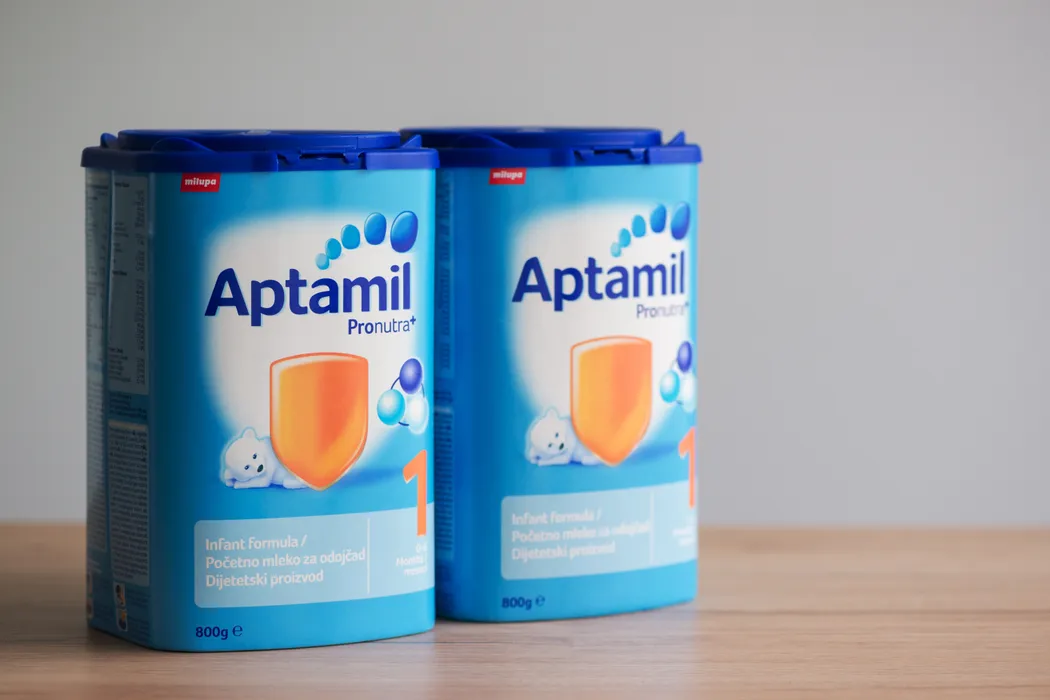
Aptamil is produced by Nutricia, a company with more than 100 years of experience in infant nutrition. The brand focuses on creating formulas designed to replicate the nutritional composition of breast milk as closely as possible. Choosing baby formula Aptamil ensures your baby receives essential nutrients that support brain development, immunity, and healthy growth. Some important nutrients found in Aptamil formulas include:
- DHA and ARA: These omega-3 and omega-6 fatty acids are essential for brain and eye development. Research highlighted by the Cleveland Clinic shows that DHA plays a crucial role in early neurological development.
- Prebiotics (GOS/FOS): Aptamil contains a blend of galacto-oligosaccharides (GOS) and fructo-oligosaccharides (FOS). These prebiotics support beneficial gut bacteria, promoting healthy digestion and softer stools.
- Essential Vitamins and Minerals: Aptamil formulas are fortified with nutrients such as vitamin D, calcium, and iron. These help support bone development, immune health, and the prevention of iron-deficiency anaemia.


Aptamil Age Guide: Which Stage Is Right for Your Child?
Babies require different nutrients as they grow. Aptamil divides its formulas into different stages so that each age group receives appropriate nutrition.
Stage 1: First Infant Milk (0–6 Months)
If you are searching for Aptamil for a newborn baby, Stage 1 is the correct option. It is suitable from birth to six months and can be used as the sole source of nutrition when breastfeeding is not possible.
Stage 1 formula is primarily whey-based. Whey proteins are easier for a newborn’s digestive system to break down, making the formula gentle on delicate stomachs. It can also be used alongside breastfeeding as a supplement when required.
Stage 2: Follow-On Milk (6–12 Months)
Around six months of age, babies usually begin eating solid foods as part of the weaning process. Stage 2 formula is designed to complement this transition. This stage contains higher levels of iron and calcium, which support rapid growth and development during the second half of the first year. It also includes more casein protein, which digests more slowly and may help keep babies fuller for longer.
Stage 3 & Stage 4: Toddler Milk (1–3 Years)
After the age of one, children enter the toddler stage. Stage 3 (1–2 years) and Stage 4 (2–3 years) are commonly referred to as toddler milks. These formulas are designed to support toddlers who may need additional nutrients such as iron, vitamin D, and prebiotics. According to the Mayo Clinic, healthy toddlers who consume a balanced diet can transition to whole cow’s milk after the age of one. However, toddler formulas can be helpful for children who are picky eaters or require additional nutritional support.
How to Safely Prepare Aptamil Formula?
Safe preparation of infant formula is extremely important. The Centers for Disease Control and Prevention (CDC) recommends strict hygiene practices to reduce the risk of bacterial contamination.
Follow these steps when preparing baby formula Aptamil:
- Wash Your Hands: Always wash your hands thoroughly with soap and warm water before handling formula or feeding equipment.
- Sterilise Feeding Equipment: Bottles, nipples, and caps should be sterilised before each use, especially for newborn babies.
- Boil Safe Drinking Water: Boil clean drinking water and allow it to cool for no more than 30 minutes. The water should remain hot enough (around 70°C / 158°F) to eliminate potential bacteria in the powder.
- Measure Carefully: Pour the required amount of water into the bottle first, then add the correct number of scoops using the scoop provided in the formula tub.
- Mix Thoroughly: Close the bottle securely and shake well until the powder dissolves completely.
- Cool Before Feeding: Run the bottle under cool water and test the milk on the inside of your wrist before feeding your baby. The milk should feel lukewarm, not hot.
On-the-Go Convenience: Baby Formula Sachets
Caring for a baby often involves travelling, outings, and busy schedules. Carrying a large formula tub everywhere is not always practical. This is where baby formula sachets can be extremely useful. Sachets contain pre-measured portions of formula powder designed for single use.
They offer several benefits for parents.
- Perfect Portions: Since the powder is pre-measured, parents do not need to count scoops or measure powder manually.
- Improved Hygiene: Because each sachet is sealed and used only once, there is less risk of contamination compared to repeatedly opening a large tub.
- Travel Friendly: Sachets are compact and easy to carry in a diaper bag, purse, or travel kit, making feeding convenient when you are away from home.
Price Guide: Budgeting for Aptamil Formula
One of the most common questions parents ask is about the baby formula Aptamil price. Since formula may be your baby's primary source of nutrition during the first year, it is important to include it in your monthly household budget. Prices vary depending on the region, retailer, and formula type.
Safety First: What to Do During an Aptamil Baby Formula Recall
Infant formula products are strictly regulated by health authorities around the world. Because babies have delicate immune systems, safety standards are extremely high. Although rare, a baby formula recall can sometimes occur due to packaging issues, labelling errors, or contamination concerns. If you ever hear about an Aptamil baby formula recall, follow these steps:
- Check the Lot Number: Recall announcements specify a particular batch or lot number. This number can usually be found on the bottom of the tub or packaging.
- Stop Using the Product Immediately: If the lot number matches the recalled batch, stop using the product even if it appears normal.
- Avoid Homemade Formula: Health experts strongly advise against making homemade baby formula because it may lack essential nutrients and can lead to serious health risks.
- Return the Product: Take the recalled formula back to the store or retailer for a refund or replacement.
Conclusion
Choosing the right nutrition for your baby is one of the most important decisions new parents make. While breastfeeding is widely recommended as the best source of infant nutrition, formula feeding can be a safe and effective alternative when needed. Baby formula Aptamil is designed to provide balanced nutrition that supports healthy growth, brain development, and digestive health during your child’s early years. Understanding the different Aptamil stages, preparation methods, and safety guidelines can help parents make confident feeding choices. Whether you are using formula from birth, supplementing breastfeeding, or transitioning to toddler milk, selecting the correct stage ensures your baby receives the nutrients they need at every phase of development. Always follow proper preparation instructions and consult a paediatrician if you are unsure which formula is best for your child. With the right information and guidance, parents can ensure their baby receives safe, balanced, and reliable nutrition every day.


FAQS
FAQS
Is baby formula Aptamil safe for infants?
Yes. Aptamil is a well-established brand formulated according to strict nutritional and safety guidelines. When prepared and stored correctly, it is considered safe and nutritionally complete for infants.
Can I switch from another formula brand to Aptamil?
Yes, but it is generally better to transition gradually. Sudden formula changes may temporarily cause gas, constipation, or mild digestive discomfort. Mixing the new formula with the previous one over several days can help your baby adjust more comfortably.
Do baby formula sachets contain the same ingredients as tubs?
Yes. The powder inside sachets is identical to the formula found in larger tubs. The only difference is the packaging format designed for convenience and travel.
How long does prepared formula last?
According to CDC guidelines, prepared formula should be used within two hours if kept at room temperature. If the baby has already started drinking from the bottle, any remaining milk should be discarded after one hour.
What should I do if my baby develops stomach issues after switching formula?
Mild digestive changes are common when introducing a new formula. However, if your baby experiences severe symptoms such as persistent diarrhoea, vomiting, or excessive crying, consult a paediatrician immediately. Your doctor may recommend a specialised formula such as a gentle or hypoallergenic option.


