Welcoming a new baby into your life is an exciting and emotional journey, filled with anticipation and careful preparation. Along with the joy comes a long list of decisions, especially when it comes to choosing the right products for your baby’s comfort and care. It is completely natural to feel overwhelmed when faced with endless options, both in stores and online.
The key is to focus on what truly matters. Not every product is essential, and building a thoughtful, practical list can help you avoid unnecessary stress and overspending. Prioritising items that support your baby’s health, hygiene, safety, and daily routine will make the transition into parenthood smoother and more manageable.
In this comprehensive guide, we will walk you through the most important newborn baby products and accessories you actually need. Whether you are preparing your hospital bag, setting up your nursery, or simply organising everyday essentials, this checklist is designed to help you feel confident, organised, and ready to welcome your little one.
In this article
Baby Items for Newborn: Complete Products & Accessories List
Discover the essential baby products and accessories for newborns, including hospital bag items, clothing, feeding, diapering, sleep essentials, and health gadgets for safe and comfortable care.
Dr. J.T.Hema Prathima
Packing Your Bags: Newborn Baby Items List for Hospital
Your baby’s arrival can sometimes be unpredictable, which is why it is recommended to have your hospital bag ready by around the 36th week of pregnancy. Being prepared in advance helps you stay calm and focused when the moment arrives. A well-planned newborn baby items list for hospital ensures you have everything you need without last-minute stress.
Here is a simple overview of essentials to include in your hospital bag:
- Approved Car Seat: This is one of the most important purchases you will make. Hospitals typically require a properly installed rear-facing car seat before discharge, as it ensures your baby travels home safely.
- Going-Home Outfit: Pack a soft, weather-appropriate outfit for your baby’s first journey home. Choosing comfortable, easy-to-wear clothing helps keep your baby cosy during the transition.
- Swaddle Blankets: While hospitals usually provide basic blankets, bringing your own soft cotton or muslin swaddles can add an extra layer of comfort and familiarity for your baby.
- Newborn Diapers and Wipes: Many hospitals provide these essentials, but having your own supply ensures you are prepared for any situation. It also allows you to use products you are already comfortable with.
If you are building a complete newborn baby all items list, starting with your hospital bag is a practical first step. From there, you can gradually expand your checklist to include everything needed for your home setup, making the transition smoother for both you and your baby.
Creating the Perfect Nursery: Sleep and Comfort
Newborns spend a significant portion of their early days asleep, often up to 16 to 17 hours daily, as noted by global health authorities. This makes creating a safe, calm, and comfortable sleep environment one of the most important aspects of newborn care. Thoughtfully chosen sleep essentials not only support your baby’s development but also give you much-needed peace of mind.
Safe Sleep Essentials
Creating a safe sleep setup is essential for your baby’s wellbeing. A simple, clutter-free space helps reduce risks while ensuring your little one stays comfortable and secure during rest.
- Crib or Bassinet: Choose a sturdy crib or bassinet that meets current safety standards. A well-built sleep space provides a secure environment where your baby can rest undisturbed.
- Firm Mattress and Fitted Sheets: A firm mattress with a snug, fitted sheet is essential for safe sleep. Soft bedding, pillows, and loose items should be avoided, as a clear sleep surface helps reduce the risk of Sudden Infant Death Syndrome.
- Swaddles and Sleep Sacks: These act as wearable blankets, keeping your baby warm and snug without the risks associated with loose coverings. They can also create a comforting, womb-like feeling that may help babies settle more easily.
Temperature Control
Newborns are still developing their ability to regulate body temperature, which means their environment plays a crucial role in their comfort. Maintaining a room temperature between 20°C and 22.2°C is generally considered ideal for safe sleep.
- Maintaining a Comfortable Environment: A well-ventilated room with stable temperature helps prevent both overheating and excessive cooling. Dressing your baby in light, breathable layers can further support temperature regulation.
- Using Heaters Safely: In colder conditions, a room heater may be used with caution. Oil-filled radiators are often preferred as they provide gentle, consistent warmth without drying the air. Always position heaters at a safe distance from the crib and monitor the room temperature to avoid overheating.
Creating a peaceful nursery is not just about comfort, but also about safety and reassurance. A thoughtfully arranged sleep space allows your baby to rest soundly while helping you feel more confident in your daily routine.


Clothing: Keeping Your Little One Cozy
When it comes to dressing your newborn, comfort and practicality matter far more than style. While shops often highlight specific newborn baby girl products or newborn baby boy products, most babies spend their early weeks in simple, soft essentials. Choosing breathable fabrics and easy-to-change outfits can make everyday routines much smoother, especially during frequent diaper changes.
Whether you are exploring newborn baby boy items or browsing general newborn kids accessories, prioritising gentle, skin-friendly materials like cotton will help keep your baby comfortable throughout the day.
Your clothing checklist should include:
- 6–8 Onesies (short and long sleeve): These are everyday staples that keep your baby comfortable while allowing for easy layering in different weather conditions.
- 4–6 Sleep-and-Play Outfits: All-in-one outfits are ideal for both day and night. Options with zippers are especially helpful during late-night diaper changes, making the process quicker and less disruptive.
- 2–3 Swaddle Blankets: Soft swaddles provide warmth and a sense of security, helping your baby feel calm and settled, especially during sleep.
- 3–4 Pairs of Socks or Booties: Newborns can lose heat quickly through their extremities, so keeping their feet covered helps maintain a comfortable body temperature.
- 2 Newborn Hats: In the early weeks, hats can help babies retain warmth, particularly in cooler environments or after a bath.
- Scratch Mittens: These are essential newborn baby products and accessories that help prevent accidental scratches, as babies often have sharp, fast-growing nails and limited control over their movements.
Keeping your baby’s wardrobe simple, soft, and functional ensures they stay cosy while making daily care routines easier for you.
Feeding and Diapering: Fulfilling Daily Newborn Needs
Caring for a newborn largely revolves around two essential routines: feeding and diapering. These everyday tasks may feel frequent and demanding at first, but having the right supplies within reach can make them far more manageable and comforting for both you and your baby. A well-prepared setup helps you stay organised, reduces stress, and allows you to focus on nurturing your little one.
Feeding Supplies
Whether you choose to breastfeed or formula-feed, having a few key items ready can make feeding time smoother and more relaxed.
- For Breastfeeding: A reliable breast pump, breast milk storage bags, nursing pads, and a supportive nursing pillow can make feeding more comfortable and less physically tiring. These essentials also help establish a routine, especially during the early weeks when both you and your baby are adjusting.
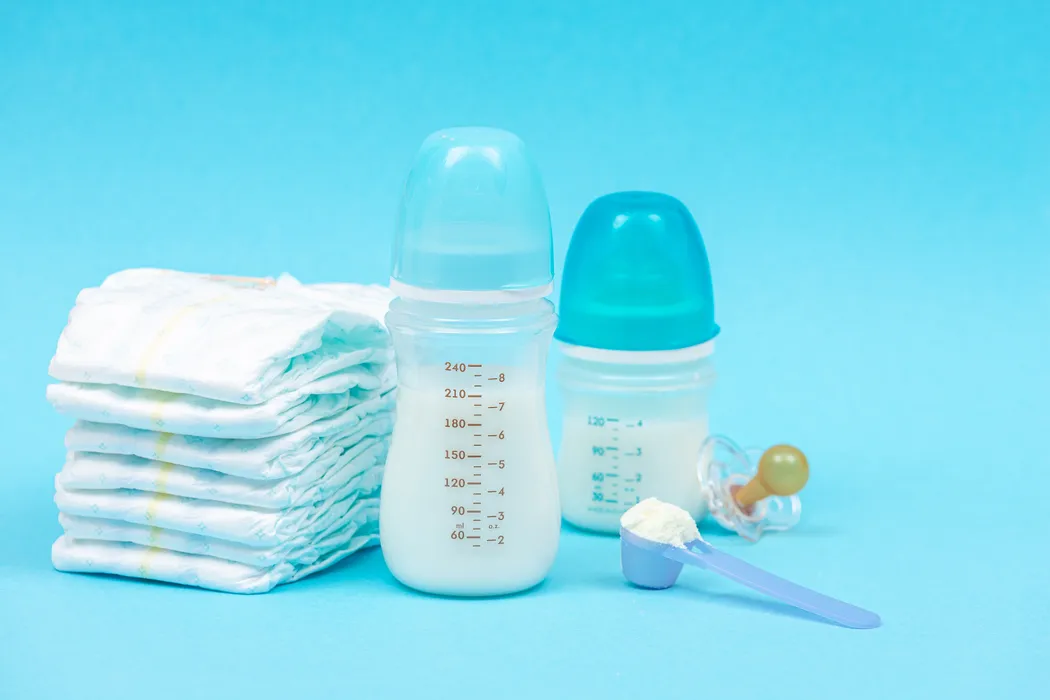
- For Formula Feeding: Keep 6 to 8 baby bottles ready, ideally with slow-flow nipples designed for newborns. A bottle brush, infant formula, and a steriliser are essential to maintain proper hygiene and ensure safe feeding practices at all times.
- Burp Cloths: Spit-up is a natural part of infancy and can happen frequently. Keeping 10 to 12 soft, absorbent burp cloths within easy reach helps manage messes quickly and keeps both you and your baby clean and comfortable.
Diapering Must-Haves
Diapering is one of the most frequent and hands-on aspects of newborn care, often required multiple times throughout the day and night. Creating a well-organised diapering station can make this routine quicker, cleaner, and far less overwhelming.
- Diapers: Stock up on newborn-size diapers, but avoid overbuying as babies grow rapidly in the first few weeks. Having a few packs ready ensures you are prepared for frequent changes without worrying about running out at inconvenient times.
- Wipes: Opt for fragrance-free, water-based wipes that are gentle on your baby’s sensitive skin. These help clean effectively without stripping natural moisture, reducing the risk of irritation or rashes.
- Diaper Rash Cream: A good zinc oxide-based cream acts as a protective barrier between your baby’s skin and moisture. Applying it regularly, especially at night or after bowel movements, may help prevent redness and soothe early signs of irritation.
- Changing Pad: A soft, waterproof changing pad creates a clean and comfortable surface for diaper changes. It helps contain messes, protects your furniture, and makes the process more hygienic and convenient, whether you are at home or travelling.
- Extra Cloths or Liners: Keeping a few extra cloths or disposable liners nearby can be helpful during particularly messy changes. They add an extra layer of protection and make clean-up quicker and more efficient.
With these essentials thoughtfully arranged, feeding and diapering become more than routine tasks; they turn into moments of gentle care, bonding, and reassurance for your baby.
Health, Safety, and Gadgets for Newborn Baby
When preparing your newborn baby essentials kit list, health and safety items deserve just as much attention as clothing or feeding supplies. Being equipped with the right tools can help you respond calmly to common concerns like a mild fever, blocked nose, or grooming needs. A well-rounded setup ensures your baby stays comfortable while giving you confidence in handling everyday care.
Health and Grooming Kit
Building a thoughtful newborn baby kit list for health helps you stay prepared for routine care as well as minor concerns that may arise in the early weeks.
- Digital Baby Thermometer: A reliable thermometer is essential for monitoring your baby’s health. Rectal thermometers are considered the most accurate for newborns, helping you detect even slight temperature changes early.
- Nasal Aspirator and Saline Drops: Newborns primarily breathe through their noses, so even slight congestion can make them uncomfortable. A gentle nasal aspirator paired with saline drops can help clear blocked passages and make feeding and sleeping easier.
- Baby Nail Clippers or Electric Nail File: Newborn nails grow quickly and can be surprisingly sharp. Using specially designed clippers or a soft electric nail file helps prevent accidental scratches while ensuring safe and precise trimming.
- Gentle Baby Wash and Lotion: A mild, tear-free baby wash and a fragrance-free lotion help maintain your baby’s delicate skin barrier. Regular, gentle care may help prevent dryness and irritation, especially in the early weeks.
Smart Gadgets
Modern parenting is supported by a range of helpful gadgets that can make daily care more convenient and reassuring. While these are not strictly essential, they can offer added comfort and peace of mind.
- Video Baby Monitor: A baby monitor allows you to keep an eye on your little one while they sleep, without needing to enter the room and risk disturbing them. This can be especially helpful during naps and nighttime.
- White Noise Machine: These devices mimic the soft, constant sounds babies hear in the womb. The familiar background noise may help soothe your baby, making it easier for them to fall asleep and stay asleep for longer stretches.
Having these health and safety essentials in place ensures that you are prepared not just for daily routines, but also for those unexpected moments, allowing you to care for your baby with greater ease and reassurance.
Finding the Best Gear: Brands and Local Shopping
Choosing the right products for your newborn often comes down to balancing quality, safety, and practicality. With so many options available, focusing on trusted, well-tested brands can make the process far less overwhelming. Whether you are shopping in India or elsewhere, it is always wise to prioritise products that meet recognised safety standards and are designed specifically for delicate infant care.
When exploring the best newborn baby products, look for brands that are hypoallergenic, paediatrician-recommended, and free from harsh chemicals such as BPA in plastics or parabens in skincare. These small checks can make a meaningful difference in protecting your baby’s sensitive skin and overall health.
Creating a structured checklist can also simplify your preparation. Many families put together a detailed list of essentials before shopping, which helps avoid impulse purchases and ensures nothing important is missed. Having everything written down brings clarity and makes the entire process feel more organised and manageable.
If you prefer to shop in person, visiting local baby stores can be especially helpful. Being able to feel fabrics, check product quality, and compare options firsthand gives you greater confidence in your choices. A quick search for nearby baby stores can help you discover both specialised boutiques and larger retail outlets. Shopping locally also makes returns and exchanges easier if something does not meet your expectations.
For added convenience, many retailers offer ready-made checklists or registry services. These curated lists can guide you through essential purchases and allow friends and family to contribute meaningfully by gifting items you truly need.
Ultimately, finding the right gear is about making thoughtful, informed choices that suit your lifestyle while keeping your baby safe, comfortable, and well cared for.
Conclusion
Preparing for a newborn may feel overwhelming at first, but it becomes much more manageable when you focus on what truly matters. By choosing essential newborn baby products and accessories thoughtfully, you can create a safe, comfortable, and nurturing environment for your little one.
It is easy to get caught up in the wide range of products available, but your baby’s core needs remain simple. Safe sleep, gentle feeding, clean diapering, and consistent care form the foundation of healthy development. Beyond all the checklists and preparations, what matters most is the warmth, attention, and reassurance you provide every day.
With a balanced approach and the right essentials in place, you can step into this new phase with confidence, knowing you are giving your baby the best possible start.
Disclaimer: This article is for informational purposes only and does not substitute for professional medical advice. Always consult your paediatrician for any concerns about your baby’s health and medical needs.
FAQS
FAQS
What are the absolute most important newborn baby products and accessories?
The most essential items include a properly installed car seat, a safe sleep space such as a crib or bassinet with a firm mattress, diapers and wipes, basic clothing like onesies and sleepers, and feeding supplies suited to your choice of feeding. These form the foundation of your baby’s daily care and comfort.
Is a room heater safe for a newborn baby's room?
Yes, it can be used with care. If the room feels too cold, an oil-filled heater is generally a safer option as it provides steady warmth. It should always be placed at a safe distance from the crib, and the room temperature should be monitored to avoid overheating, which may increase health risks.
How many clothes should I buy for a newborn?
Newborns grow quickly, so it is best not to overbuy smaller sizes. A practical starting point includes around 6 to 8 onesies, 4 to 6 sleepers, and a few swaddles. With regular laundry, this is usually enough to manage the first few weeks comfortably.
When should I start shopping for newborn baby essential items?
Starting during the second trimester is often ideal. It gives you enough time to research products, set up your nursery, and organise your hospital bag without feeling rushed as your due date approaches.
Are high-tech gadgets for newborn baby care necessary?
Most gadgets are optional rather than essential. While items like video monitors or automated devices may add convenience and reassurance, basic tools such as a thermometer and simple monitoring solutions are usually sufficient for safe and effective baby care.


