Baby massage is one of the most comforting and nurturing practices parents can introduce early in their baby’s life. It strengthens the bond between caregiver and infant, helps regulate the baby’s sleep cycle, and supports emotional and physical development. This gentle activity has been part of traditional childcare for centuries and remains a cornerstone of newborn care today. Using the right oil, applying the correct technique, and starting at the right time can make a big difference in how your baby responds. This friendly, practical guide explains everything you need to know — from when to begin baby massage to how to choose the best oils for your baby’s delicate skin, and how to practice safe, soothing routines at home using products available on Apollo Pharmacy.
Baby Massage: What Oils To Choose And When To Start?
Learn when to start baby massage, how to choose safe oils, and simple techniques for bonding and care. Explore trusted baby oils on apollopharmacy.in.
Apollo Pharmacy
1. Why Massage Matters?
- Regular baby massage helps create a sense of security and comfort between the baby and the caregiver. Gentle, rhythmic strokes release oxytocin, the “love hormone,” in both baby and parent, encouraging bonding and trust.
- Massage can soothe fussy infants, reduce crying episodes, and promote longer, deeper sleep cycles that benefit overall growth and development.
- Many parents find that consistent massage improves digestion and relieves gas or colic symptoms by stimulating the abdominal area in a gentle, natural way.
- Soft strokes over the arms and legs promote healthy blood circulation and can encourage better muscle tone as the baby starts learning to move and stretch.
- Massage also enhances body awareness and sensory development by helping babies recognise different parts of their body through touch.
- Over time, regular sessions can support immune function by improving lymphatic circulation and reducing stress hormones.
- When performed with warm hands, a calm voice, and soothing oils, baby massage becomes a cherished daily ritual that provides both emotional comfort and physical benefits.
2. Right Time to Start
- Most healthy babies can begin gentle massage within the first week of life, once the umbilical cord stump has fallen off and the skin has healed completely.
- Early introduction helps babies become accustomed to touch and physical affection as part of their daily care routine.
- For newborns, start with short sessions of about five minutes, focusing on light, slow strokes over arms and legs rather than the entire body.
- Gradually extend the duration to 10–15 minutes as your baby grows and becomes more responsive to touch.
- The best time for baby massage is during calm, alert periods—typically between feedings, after a bath, or before bedtime.
- Avoid massage immediately after feeding to prevent discomfort or spitting up; wait at least 30 minutes before beginning.
- Watch your baby’s cues carefully—if your little one becomes fussy, stiffens, or turns away, pause and try again later when they’re more relaxed.
- Over time, you’ll learn your baby’s favourite moments and rhythms, turning massage into a natural part of your caregiving routine.
3. Best Oils
- Choosing the best oils for baby massage is essential since a baby’s skin is thin, delicate, and easily irritated.
- Coconut oil is among the most recommended options—it’s lightweight, soothing, and has mild antibacterial properties that help prevent dryness or rashes.
- Olive oil, rich in vitamin E, nourishes skin deeply and keeps it soft, making it another favourite among parents in various cultures.
- Almond oil is gentle, non-sticky, and packed with nutrients that help moisturise and protect the baby’s skin barrier.
- Warm sesame oil is a traditional choice in many households, ideal for cooler climates because of its warming nature and light texture.
- When selecting oils, choose cold-pressed, organic, or dermatologically tested products that are free from artificial fragrance, parabens, and mineral oils.
- Avoid perfumed or heavily processed oils, as they can irritate a baby’s sensitive skin or cause allergic reactions.
- Always store oils in a cool, dark place and use clean hands or a small bowl to warm a little oil before applying.


4. How to Massage
- Prepare a warm, draft-free room to ensure your baby remains comfortable throughout the massage session.
- Place a soft towel or changing mat on a flat surface and ensure your hands are clean before applying oil.
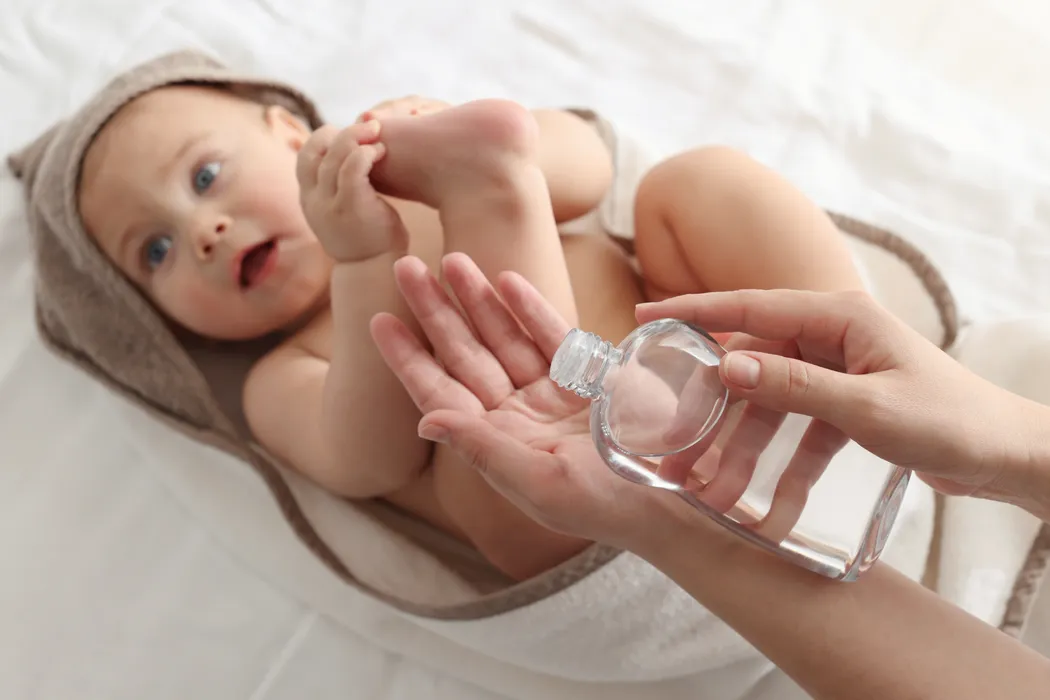
- Pour a small amount of the chosen oil into your palms, rub them together to warm it slightly, and start with light strokes on the legs.
- Use gentle, upward motions from ankle to thigh, then move to the arms, belly, and chest. Finish with the back, applying slow circular movements along the shoulders and spine.
- Maintain eye contact, smile, and talk softly to your baby to make the experience interactive and reassuring.
- Keep the pressure light and rhythmic, adjusting it according to your baby’s comfort—too much pressure may startle or irritate the infant.
- If your baby enjoys it, massage can be part of your daily routine, preferably before bedtime to help the baby relax and sleep better.
- Always have a soft towel nearby to wipe off excess oil and gently pat the baby’s skin dry afterward. Avoid soap immediately after massage to retain moisture and oil benefits.
5. Precautions
- Conduct a patch test on a small area of your baby’s skin—such as the forearm or thigh—24 hours before the first full-body massage to check for any allergic reactions.
- Discontinue use immediately if you notice redness, rashes, or excessive fussiness, and consult a paediatrician if irritation persists.
- Avoid massaging over areas with cuts, rashes, eczema patches, or umbilical cord remnants.
- If your baby was born prematurely or has specific medical conditions, seek paediatrician's approval before beginning a massage routine.
- Make sure the oil is lukewarm, not hot, to prevent burns or discomfort, and always test the temperature on your wrist first.
- Never leave the baby unattended during a massage session.
- Avoid heavily scented products, essential oils, or homemade mixtures that may be too strong for newborn skin.
- Proper hygiene is key—use freshly washed hands and clean surfaces every time you massage your baby to prevent infections.
Conclusion
Baby massage is a wonderful way to nurture your baby’s physical and emotional well-being while creating deep, loving connections. With the right timing, gentle technique, and suitable oil, parents can turn a simple daily routine into a cherished bonding ritual. Whether you prefer coconut, almond, or sesame oil, choosing dermatologically tested, baby-safe products from Apollo Pharmacy ensures both safety and quality. Massage can help your little one sleep better, digest more easily, and grow stronger while also offering you precious moments of calm connection. Start slowly, watch your baby’s responses, and enjoy these soothing sessions as one of the simplest, most heartwarming parts of early parenting.
If you’re unsure which oil to start with, buy a small bottle of a trusted baby oil and test it gently before use. When in doubt, ask your paediatrician for personalised guidance. With care, patience, and consistency, baby massage can become a lifelong expression of love and security between you and your child.


